Logical Reasoning Numbers Worksheets for Ages 5-9
5 filtered results
-
From - To
Enhance your child's critical thinking skills with our Logical Reasoning Numbers Worksheets for ages 5-9! Designed to foster analytical abilities, these engaging worksheets involve puzzles, number sequences, and fun problem-solving tasks. Perfect for inspiring young minds, they help children develop logical reasoning while reinforcing essential math concepts. Each worksheet promotes independent thinking and creativity, making learning enjoyable and effective. Ideal for homeschooling or classroom use, these resources provide a structured approach to mastering numbers, promoting confidence in young learners. Explore our vibrant and interactive worksheets to empower your child’s journey to mathematical success today!
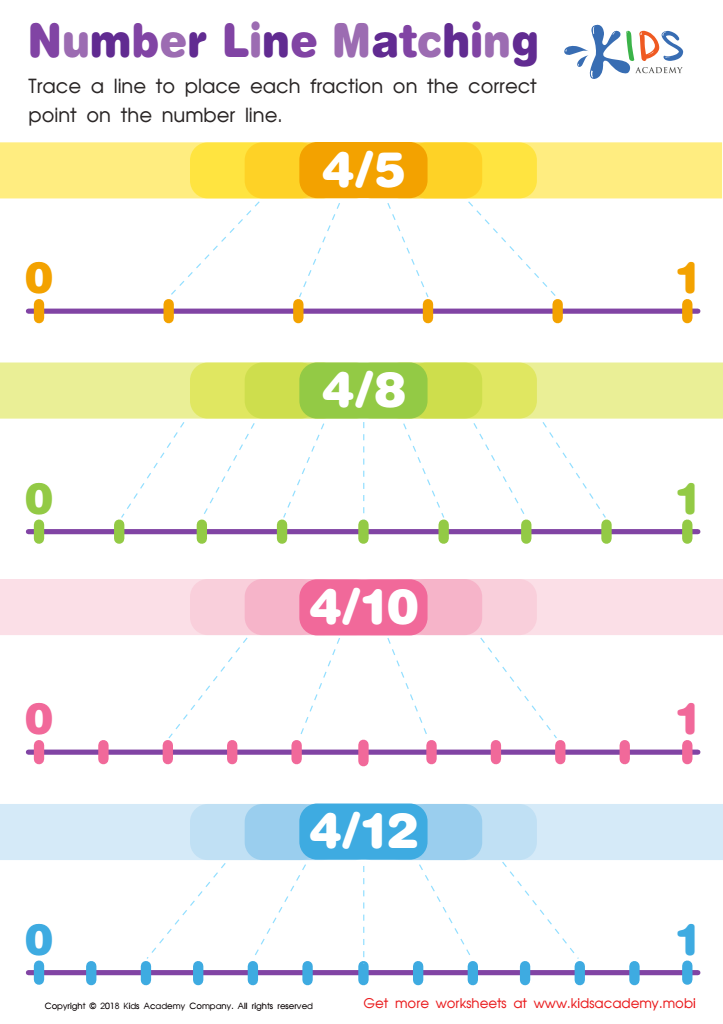
Number Line Matching Worksheet
 Assign to My Students
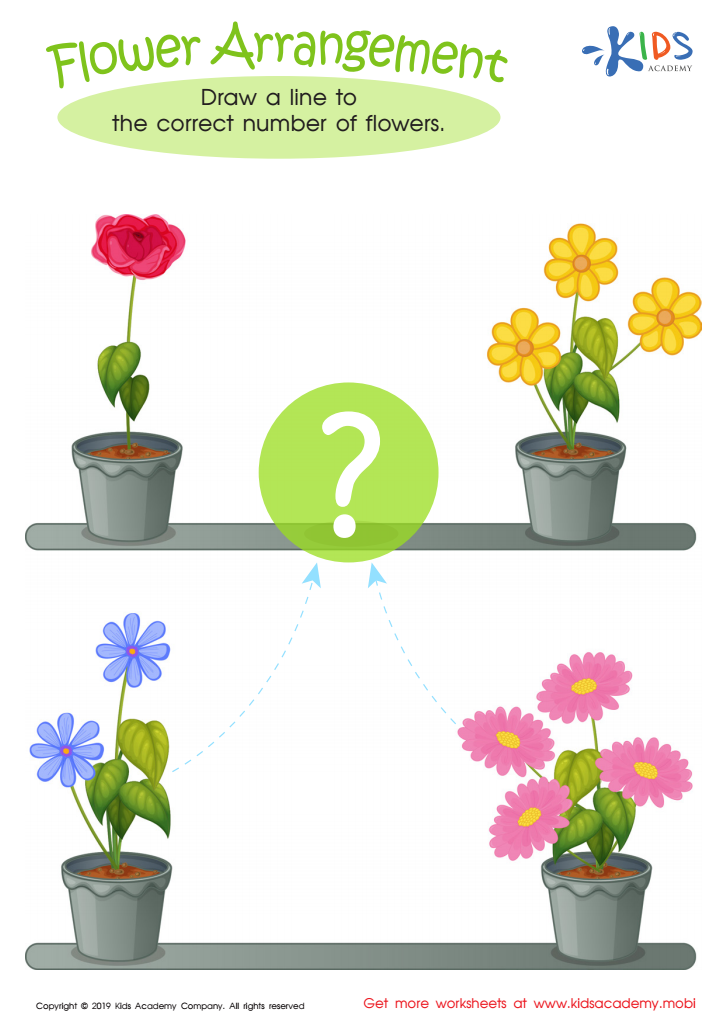
Flower Arrangement Worksheet
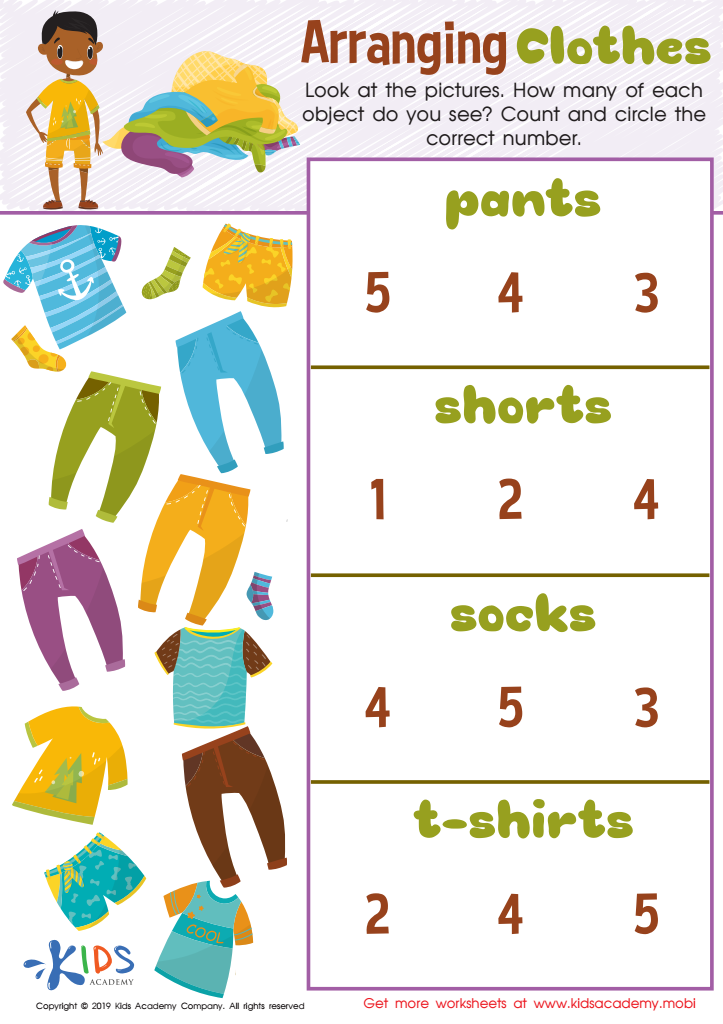
Arranging Clothes Worksheet
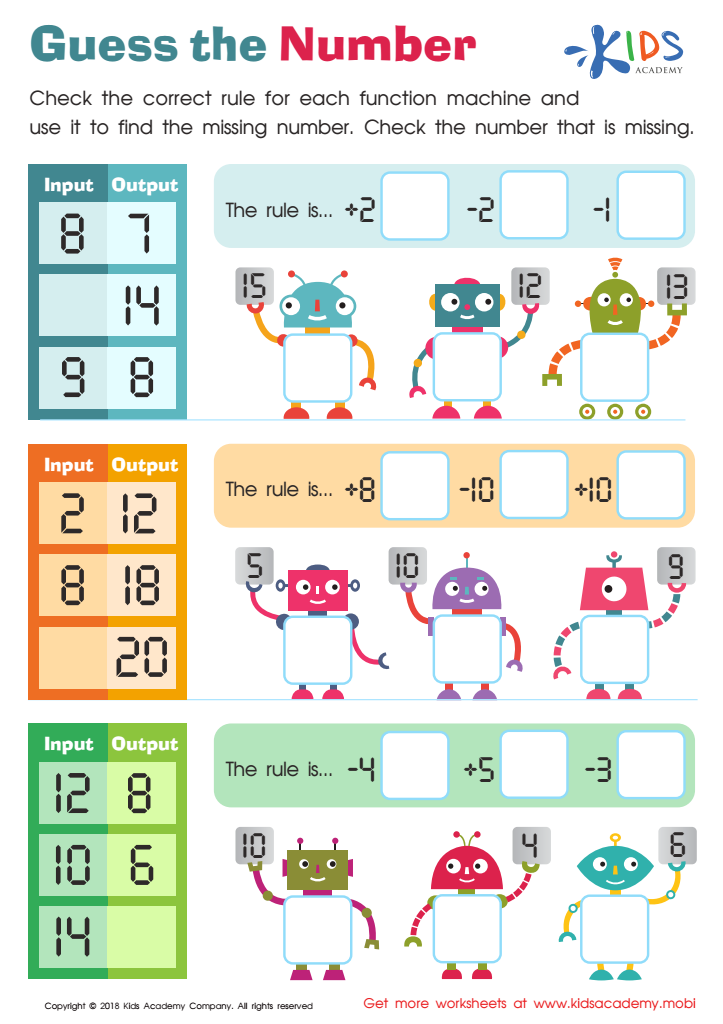
Guess the Number Worksheet
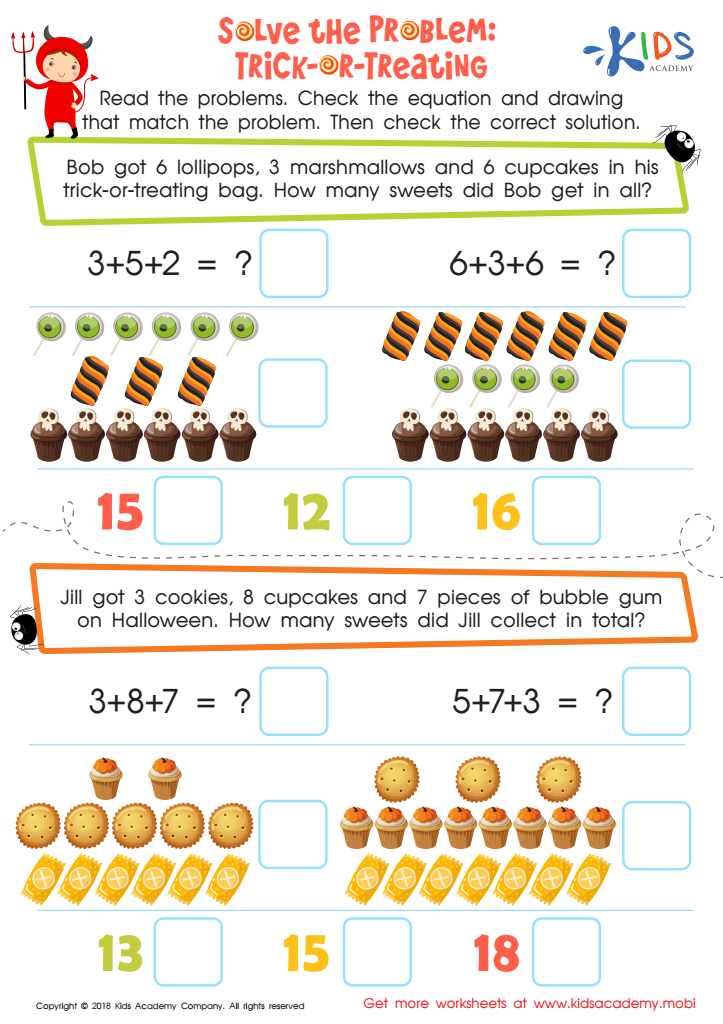
Solve the Problem: Trick–or–treating Worksheet








Parents and teachers should prioritize logical reasoning skills for children ages 5-9 because these foundational abilities are critical for success in various academic and life pursuits. During these formative years, children are developing the cognitive skills necessary for problem-solving, analytical thinking, and decision-making, all of which are tied to logical reasoning.
Engaging in activities that promote logical reasoning helps children make connections between concepts, understand patterns, and categorize information. These skills are not only essential for math and science but also enhance reading comprehension and critical thinking across all subjects. Developing logical reasoning can result in higher academic performance and better grade attainment in the long run.
Furthermore, these skills are transferable beyond academics; they are vital for everyday life. Children learn to approach problems systematically and draw on evidence to make informed choices, which is crucial in a fast-paced, information-driven world.
Moreover, fostering logical reasoning in young children supports their social-emotional development, as it encourages them to think independently and build confidence in their opinions and judgments. As a result, both parents and teachers play a crucial role in nurturing these skills, setting the stage for a more successful and adaptable future for children.








