Multiplication practice Numbers Worksheets for Ages 5-9
5 filtered results
-
From - To
Boost your child’s math skills with our engaging Multiplication Practice Worksheets designed for ages 5-9. Tailored for young learners, these worksheets combine fun and education, helping kids master multiplication in an enjoyable way. From basic facts to more complex problems, our resources support different learning styles and pace. With colorful illustrations and interactive exercises, children will build confidence and improve their mathematical abilities. These downloadable worksheets are perfect for home or classroom use, providing valuable practice that aligns with their educational journey. Start exploring our multiplication practice worksheets today and watch your child excel in math!
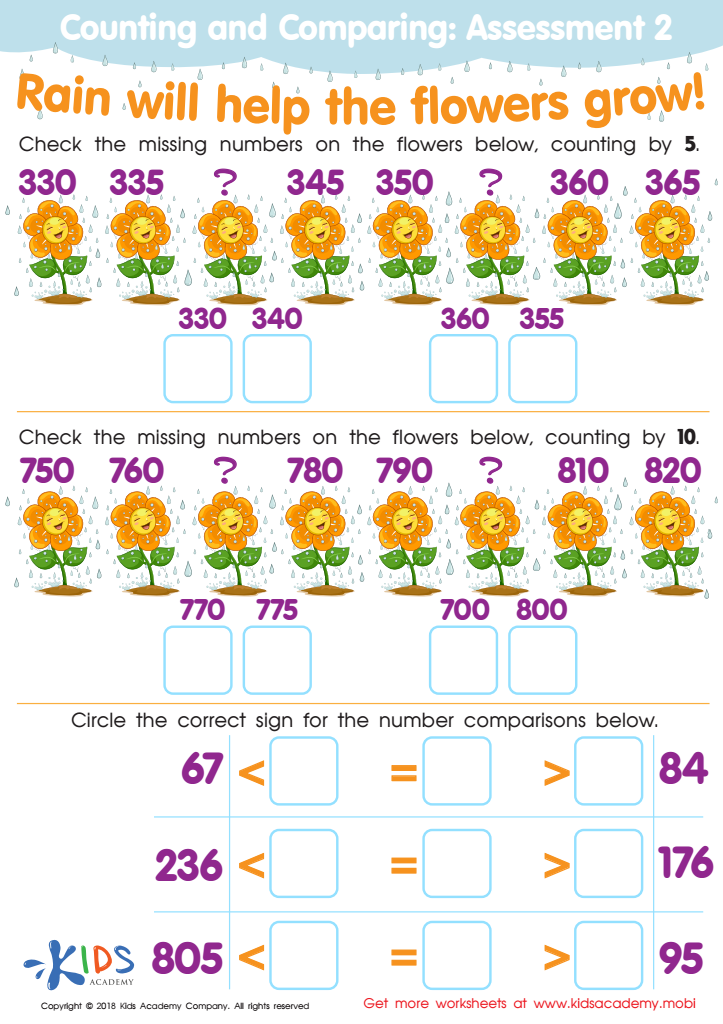
Counting and Comparing: Assessment 2 Worksheet
 Assign to My Students
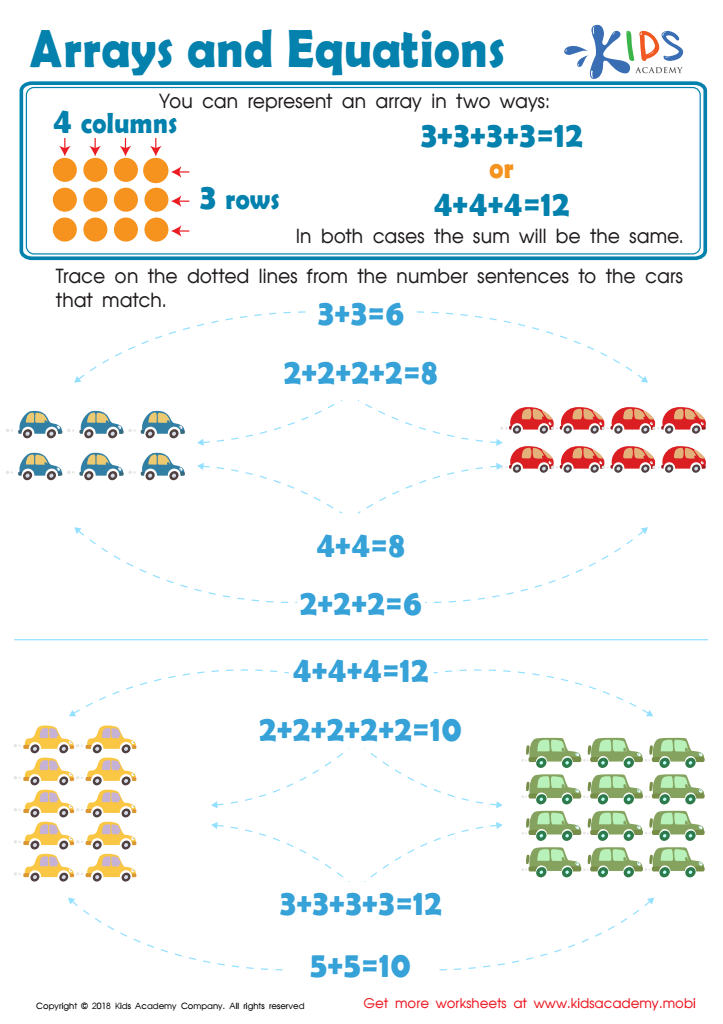
Arrays and Equations Worksheet
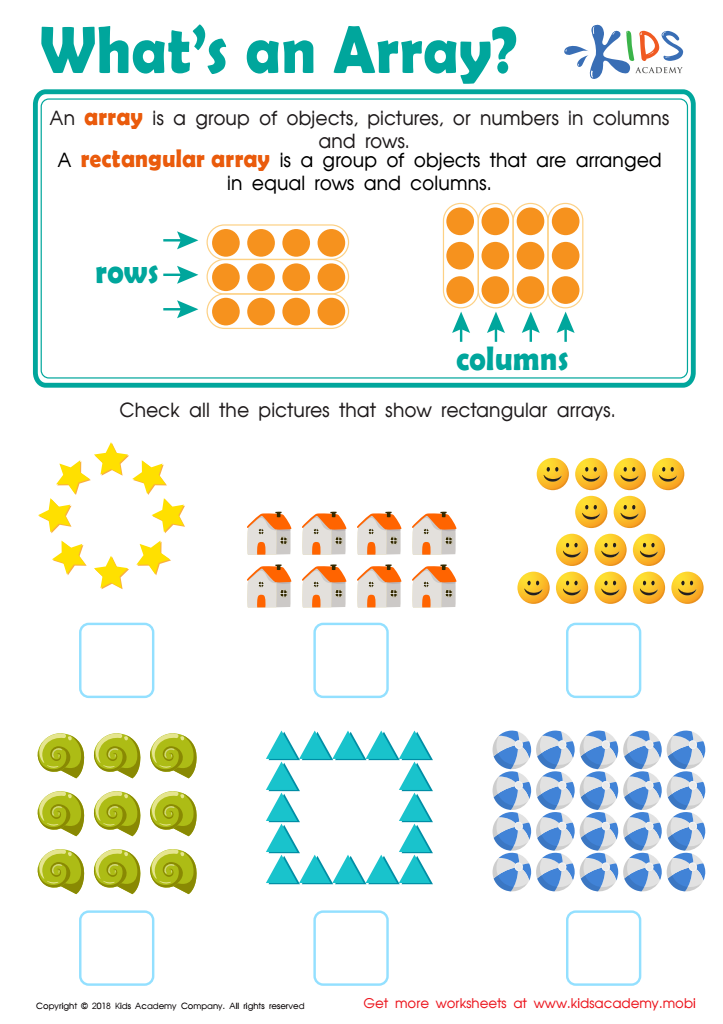
What's an Array? Worksheet
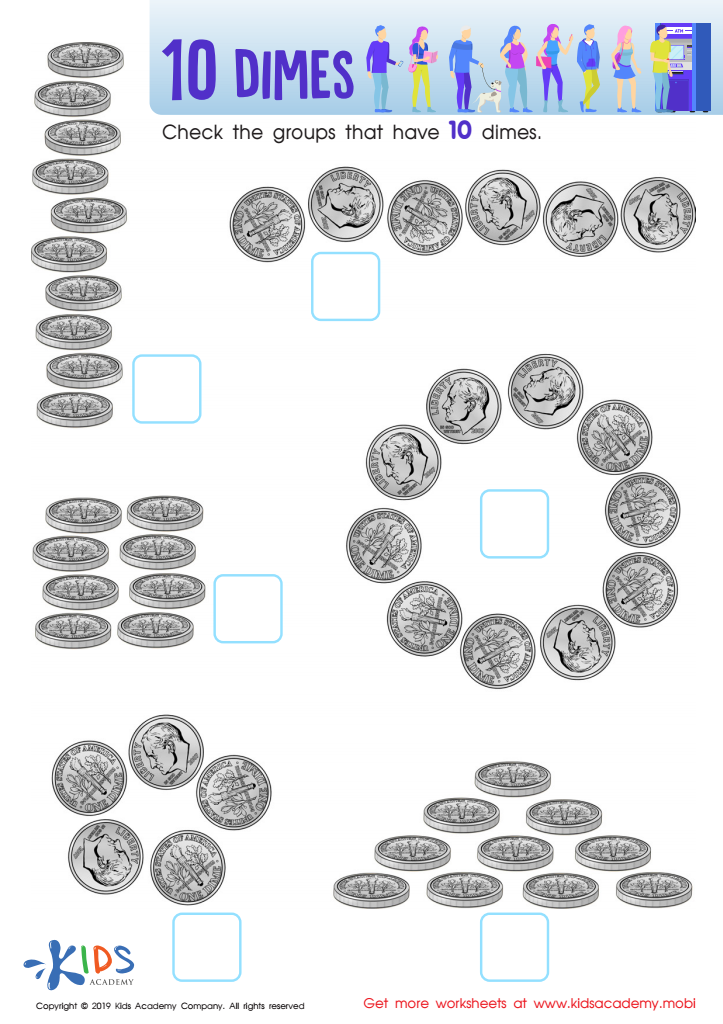
10 Dimes Worksheet
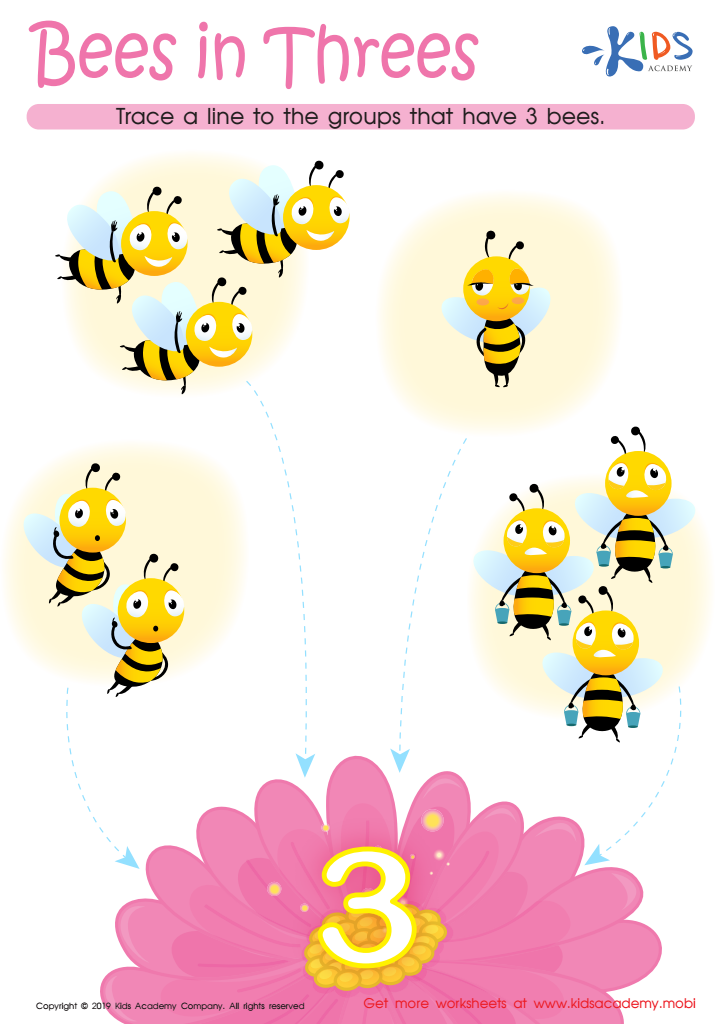
Bees in Threes Worksheet








Multiplication practice is crucial for children aged 5-9 as it lays a solid foundation for their mathematical development. During these formative years, children are introduced to core concepts that will influence their success in more advanced mathematics. By focusing on multiplication, students not only enhance their arithmetic skills but also develop problem-solving and critical-thinking abilities.
Understanding multiplication fosters number sense and helps children recognize patterns, such as those found in skip counting or the distributive property. This understanding is essential not only for future mathematical studies but also for everyday situations, such as budgeting, cooking, and problem-solving.
Moreover, consistent practice helps build confidence. When children master multiplication, they cultivate a sense of achievement that motivates them to tackle more challenging concepts. Parents and teachers can incorporate engaging methods, like games and interactive activities, making learning enjoyable and less daunting.
Lastly, encouraging multiplication practice promotes a growth mindset. Children learn that mastery comes through persistence and effort, a lesson that extends beyond math. Hence, investing time and resources into multiplication practice can significantly enhance a child's overall academic experience and set them up for success both now and in their future education.








