Understanding patterns Numbers Worksheets for Ages 5-9
7 filtered results
-
From - To
Unlock your child's potential with our "Understanding Patterns Numbers Worksheets for Ages 5-9." These engaging and educational sheets help young learners grasp fundamental math concepts through playful activities. Kids sharpen their skills in recognizing, predicting, and creating sequences, enabling them to comprehend patterns effortlessly. Designed for ages 5-9, these worksheets promote critical thinking and problem-solving abilities. Perfect for classroom or home use, each sheet offers a mix of fun visuals and hands-on exercises tailored to hold children's interest. Embrace the journey to math mastery with our expertly crafted pattern recognition resources and watch your child's confidence soar!
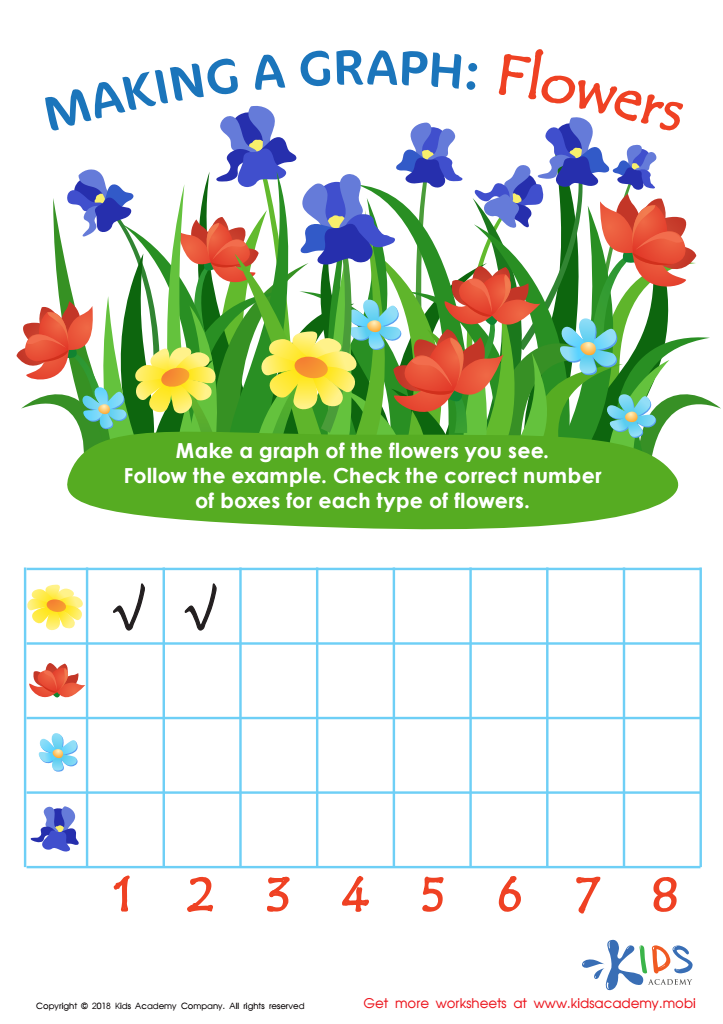
Making a Graph: Flowers Worksheet
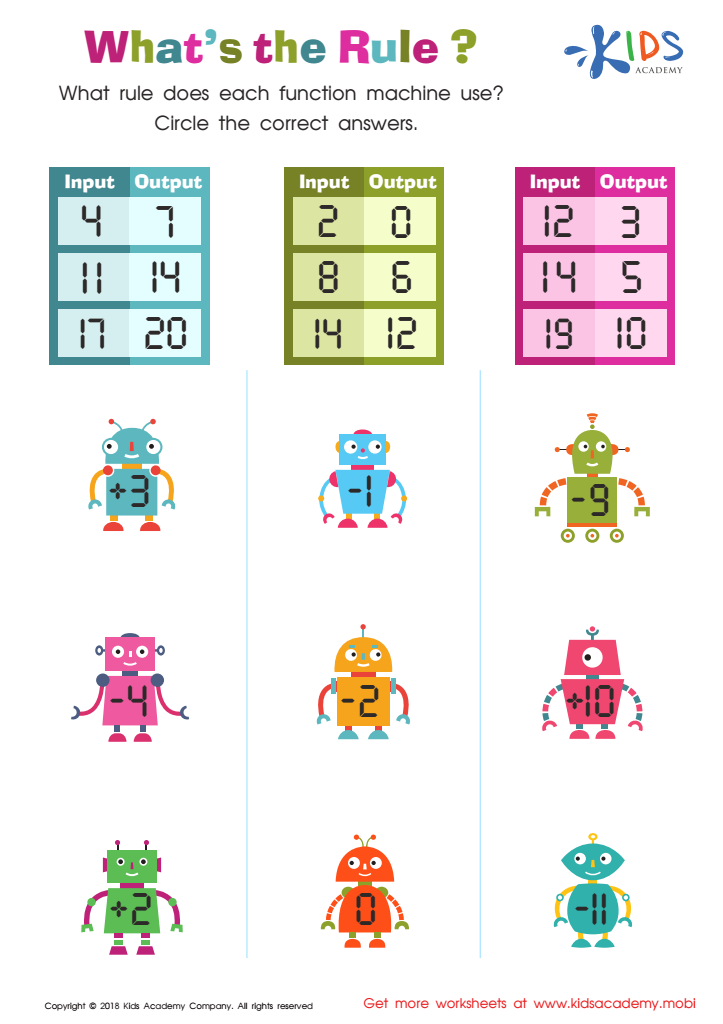
What's the Rule Worksheet
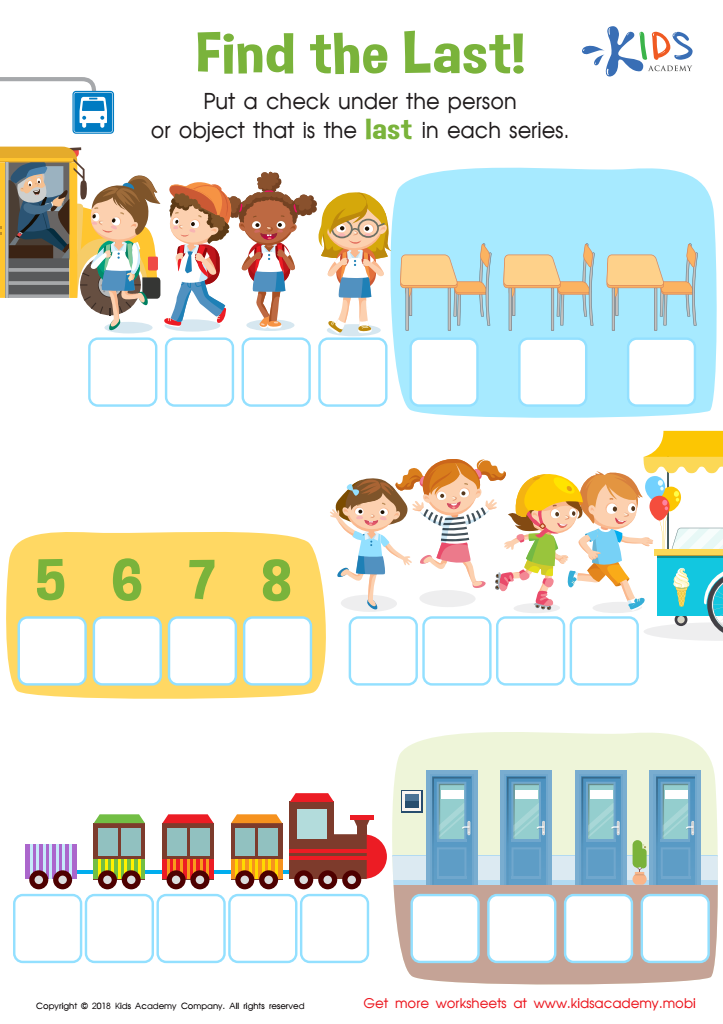
Find the Last! Worksheet
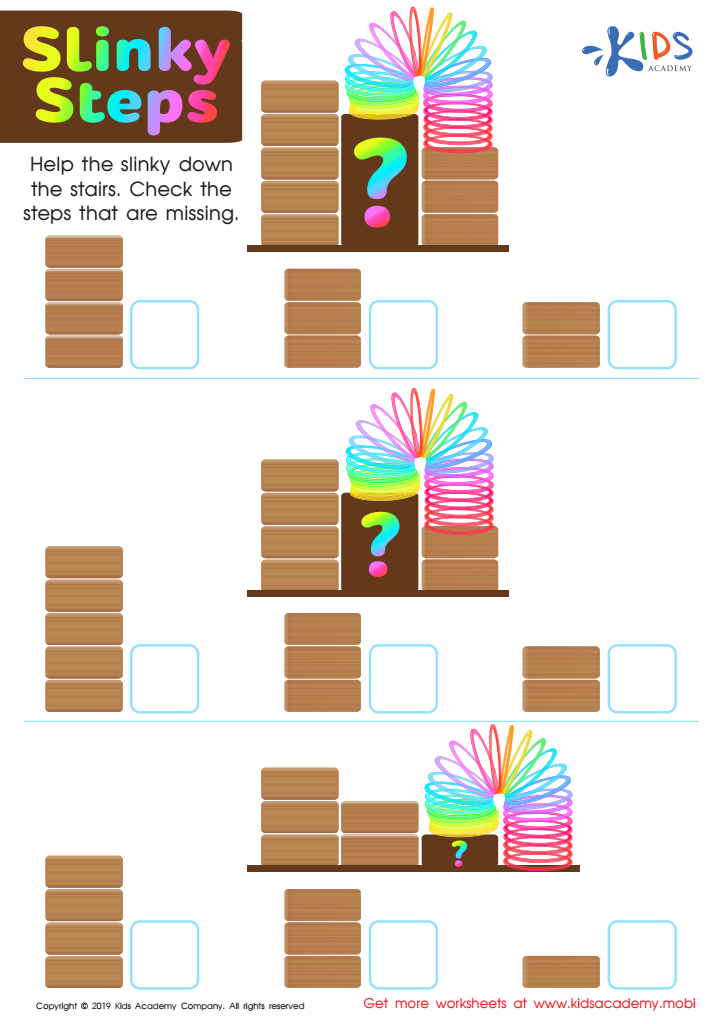
Slinky Steps Worksheet
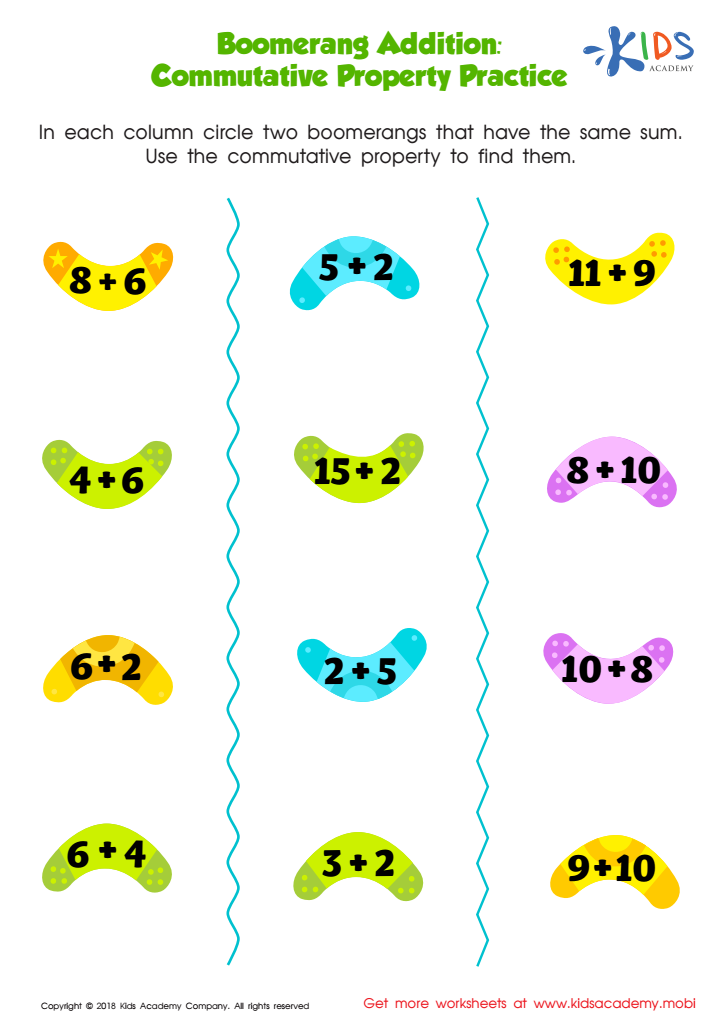
Boomerang Addition Worksheet
Magic Numbers Worksheet
 Assign to My Students
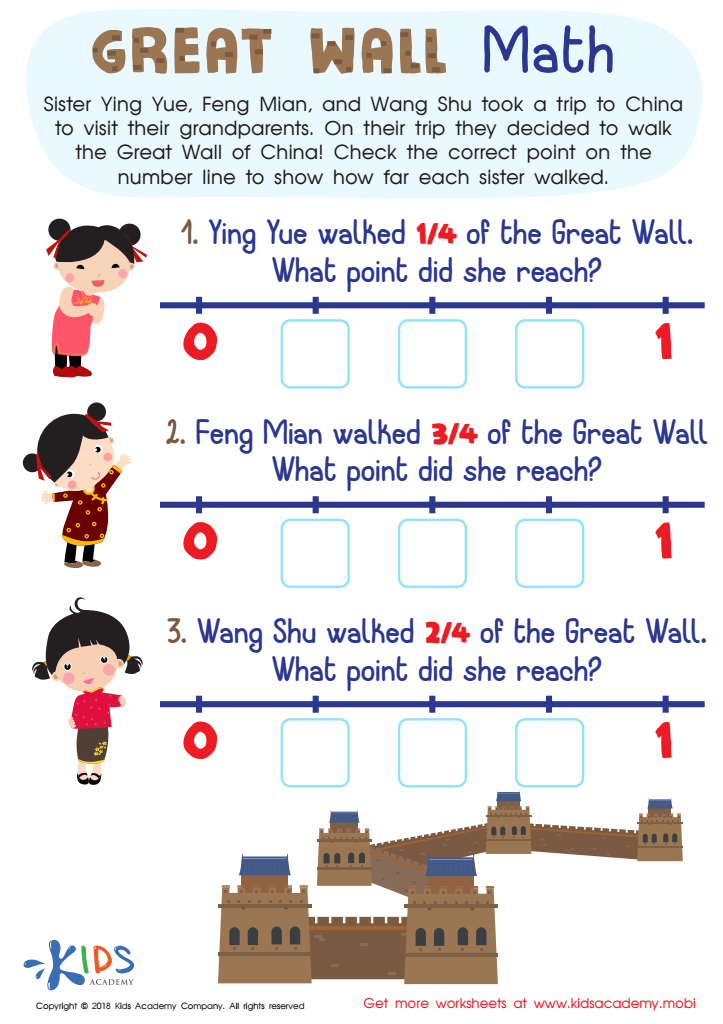
Great Wall Math Worksheet








Understanding patterns in numbers is crucial for young children, as it lays the foundation for a range of fundamental math skills. For ages 5-9, recognizing numerical patterns helps in developing critical thinking and problem-solving abilities, which are beneficial beyond mathematics.
When children recognize and predict patterns, they start understanding the logical sequences and relationships between numbers. This skill assists them in grasping more complex concepts such as addition, subtraction, multiplication, and division later on. For instance, identifying that the sequence 2, 4, 6, 8 follows a pattern of adding 2 each time helps children apply the same logic in different mathematical problems.
Additionally, understanding patterns promotes cognitive development. It encourages children to make connections and inferences, improving their reasoning abilities. Early exposure to patterns sharpens their observational skills and helps them approach problems methodically, subtly boosting their analytical skills and attention to detail.
Moreover, being proficient in identifying patterns can foster a child’s confidence in engaging with math. It transforms math from a daunting subject into a set of discoverable, logical puzzles. This perception can cultivate a lifelong positive attitude and curiosity toward learning in general.
Therefore, parents and educators should prioritize teaching numerical patterns to help children build a solid mathematical foundation and equip them with essential skills for future educational success.








