Basic Addition Math Worksheets for Ages 5-9 - Page 2
71 filtered results
-
From - To
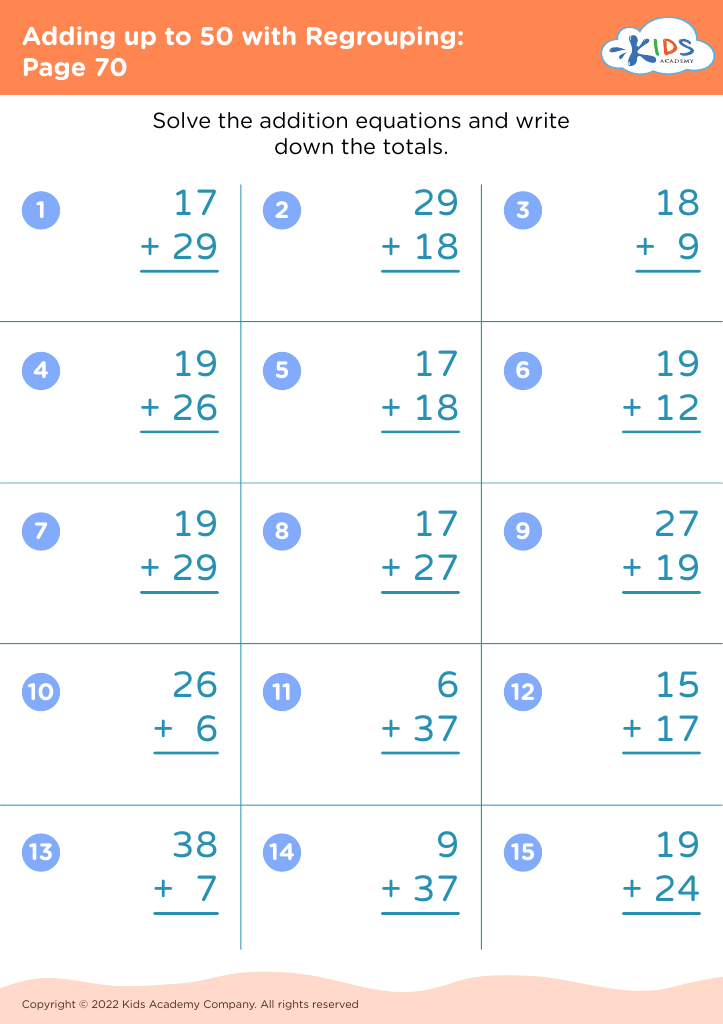
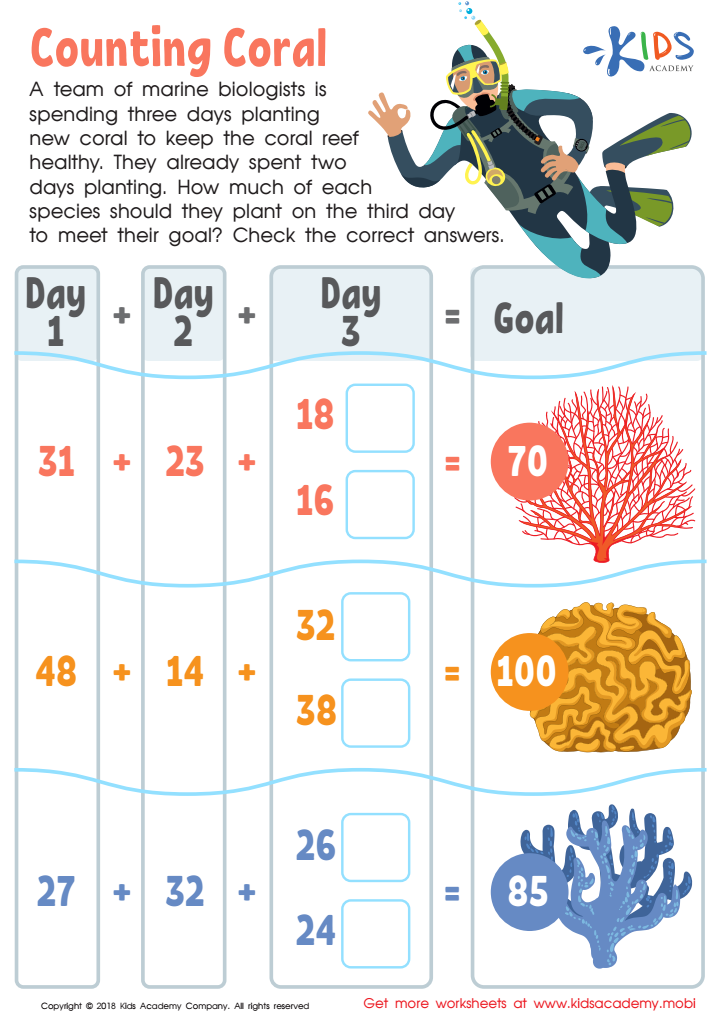
Counting Coral Worksheet
 Assign to My Students
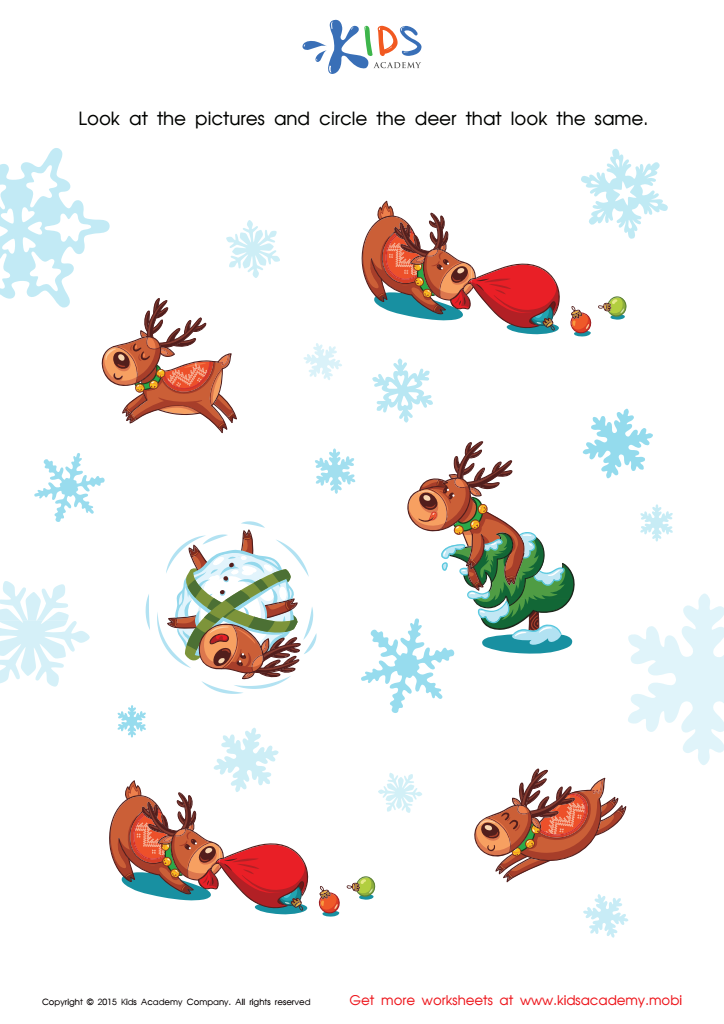
Count the Deer Worksheet
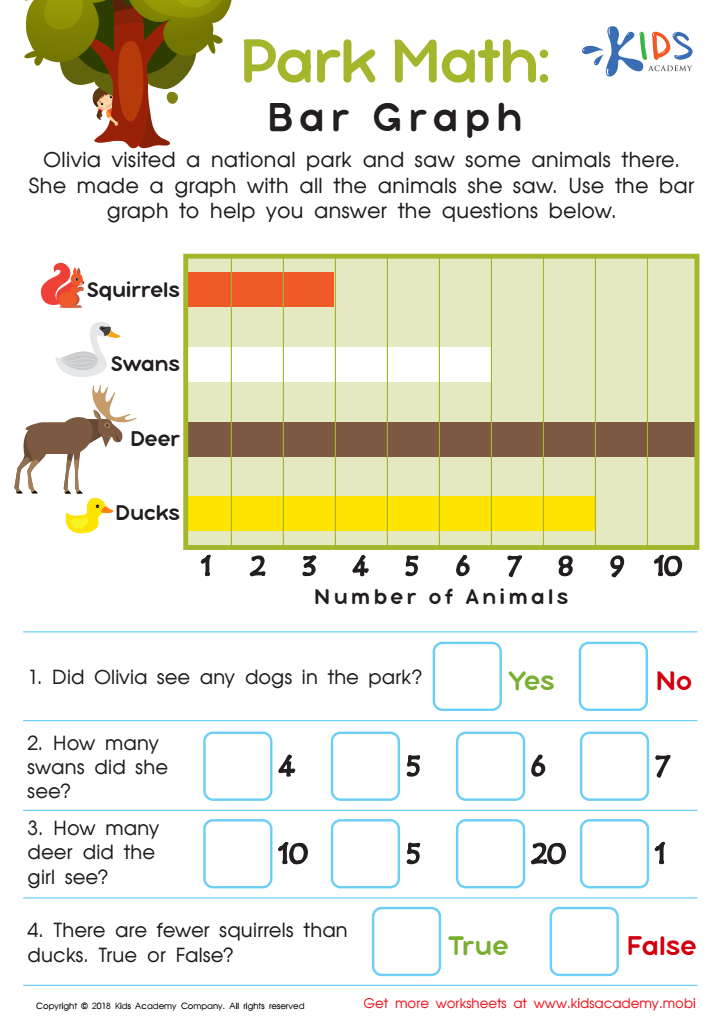
Park Math: Bar Graph Worksheet
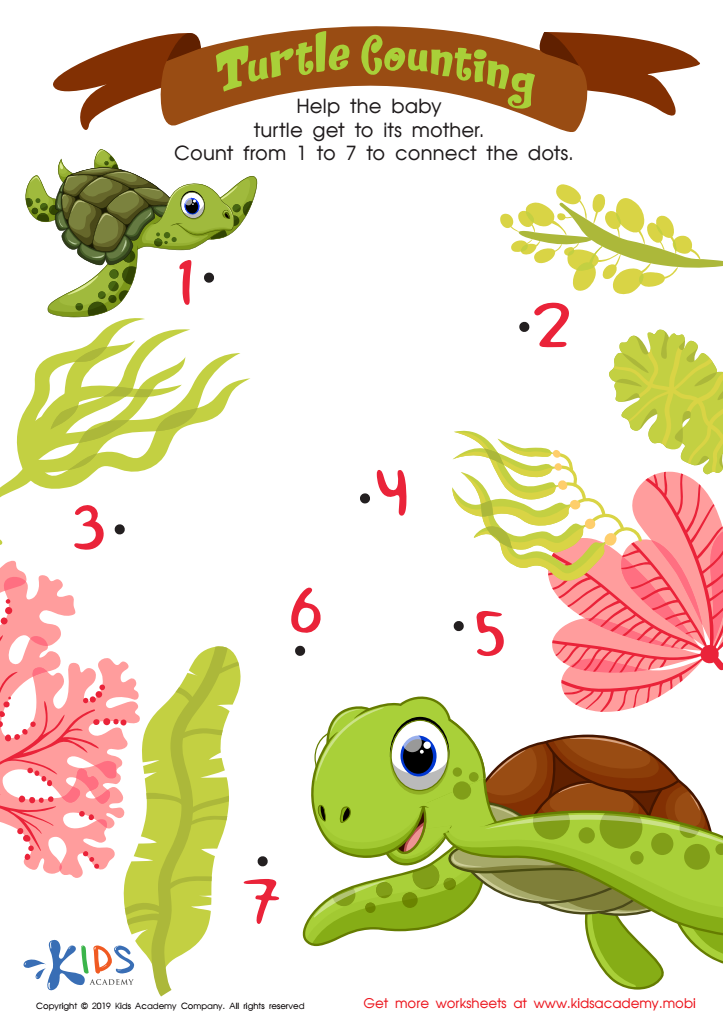
Turtle Counting Worksheet
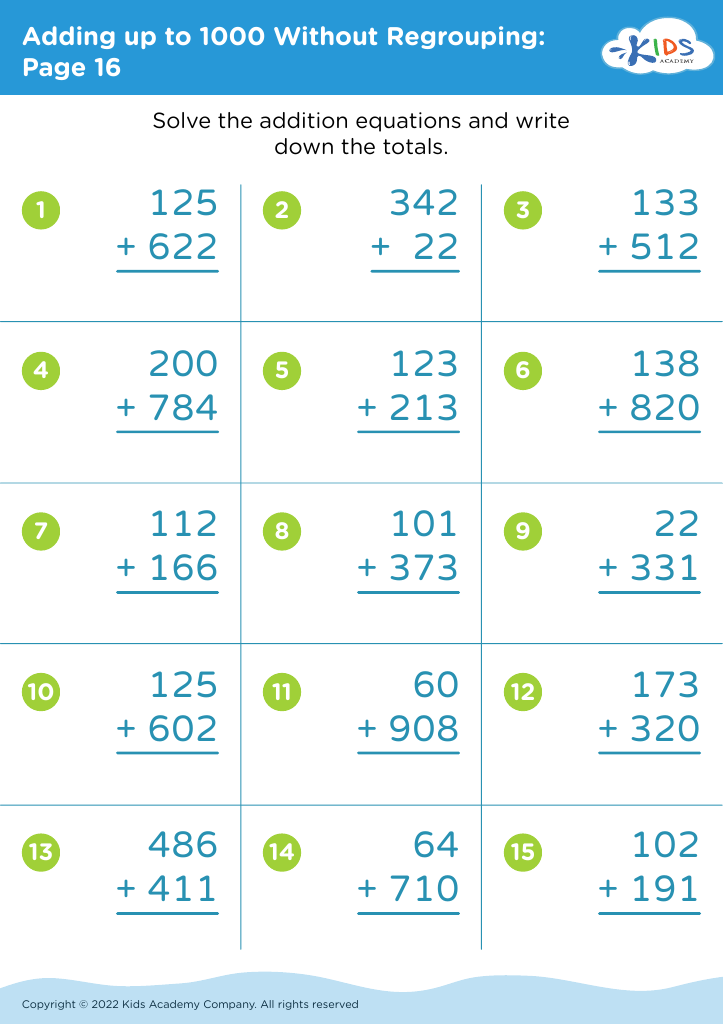
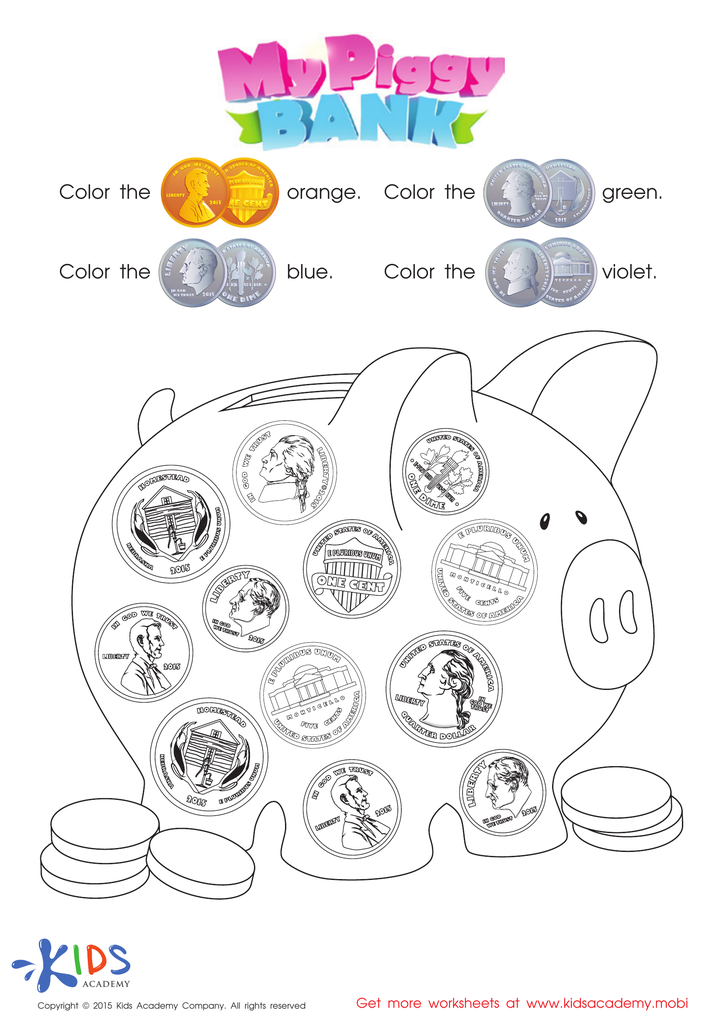
Recognizing Money Money Worksheet
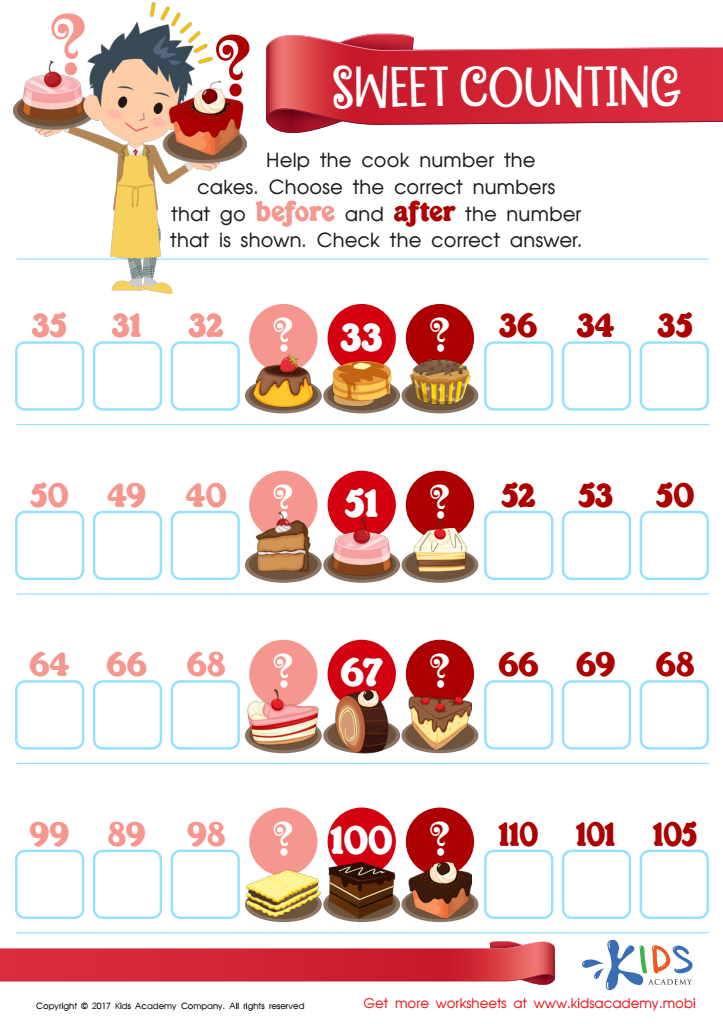
Sweet Counting - Part 1 Worksheet
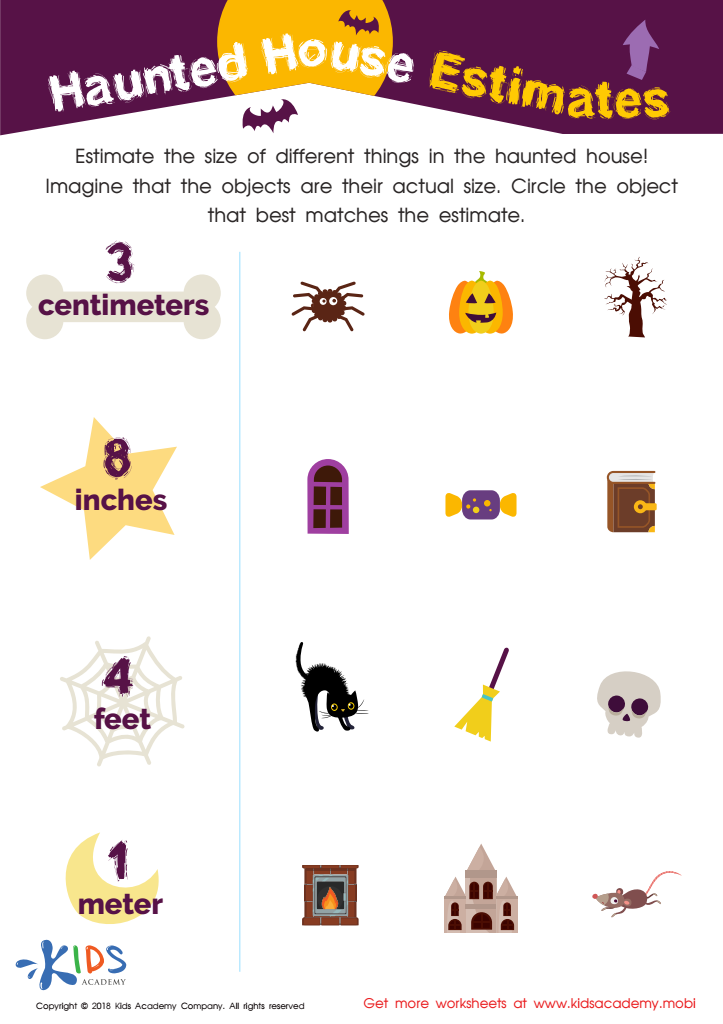
Haunted House Estimates Worksheet
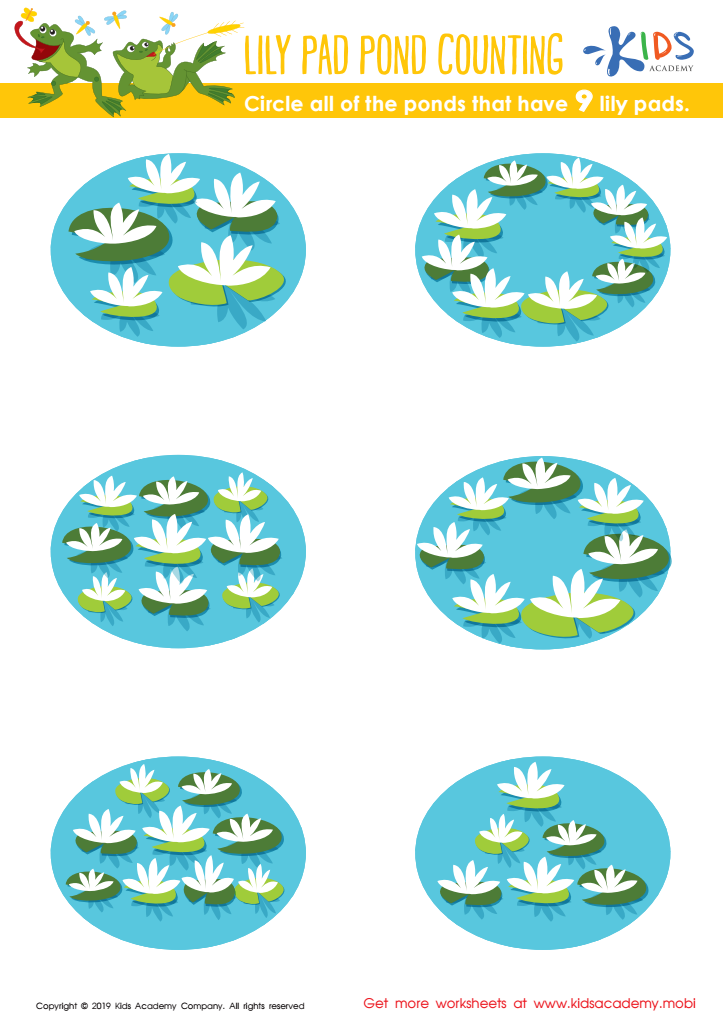
Lily Pad Pond Counting Worksheet
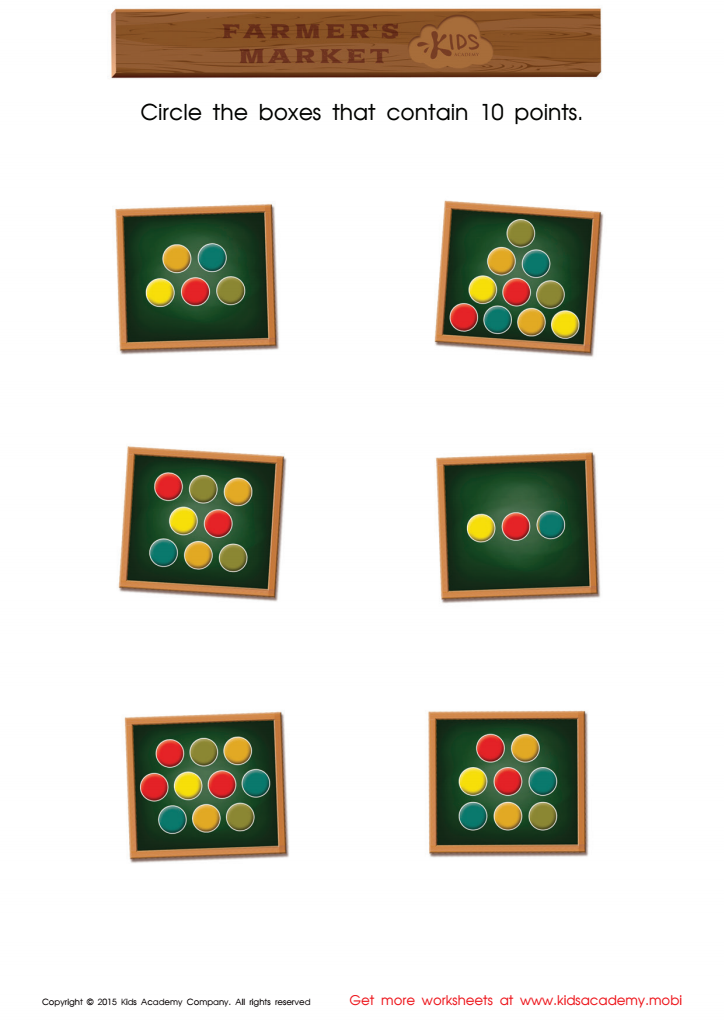
Count and Match Points 10 Math Worksheet
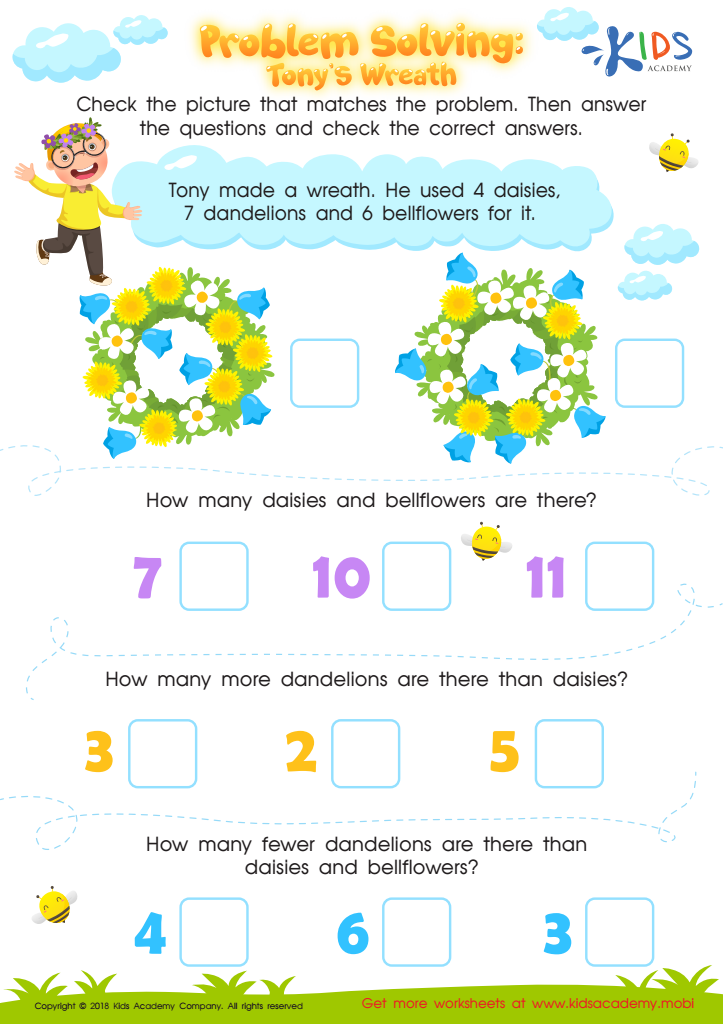
Problem Solving: Tony's Wreath Worksheet
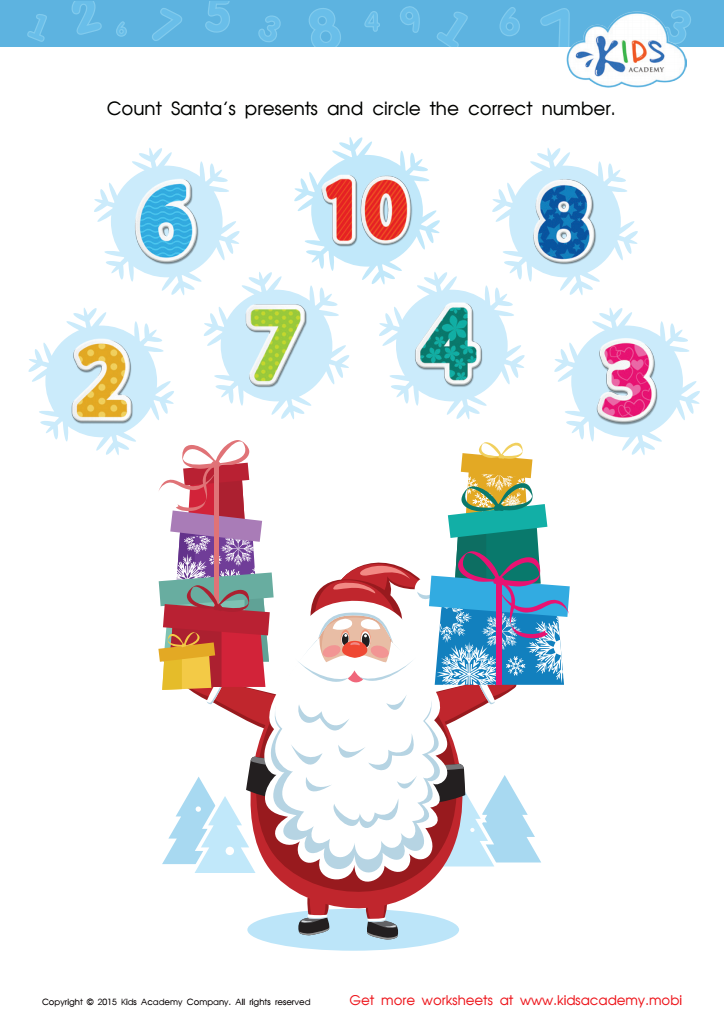
Count Santa's Presents Worksheet
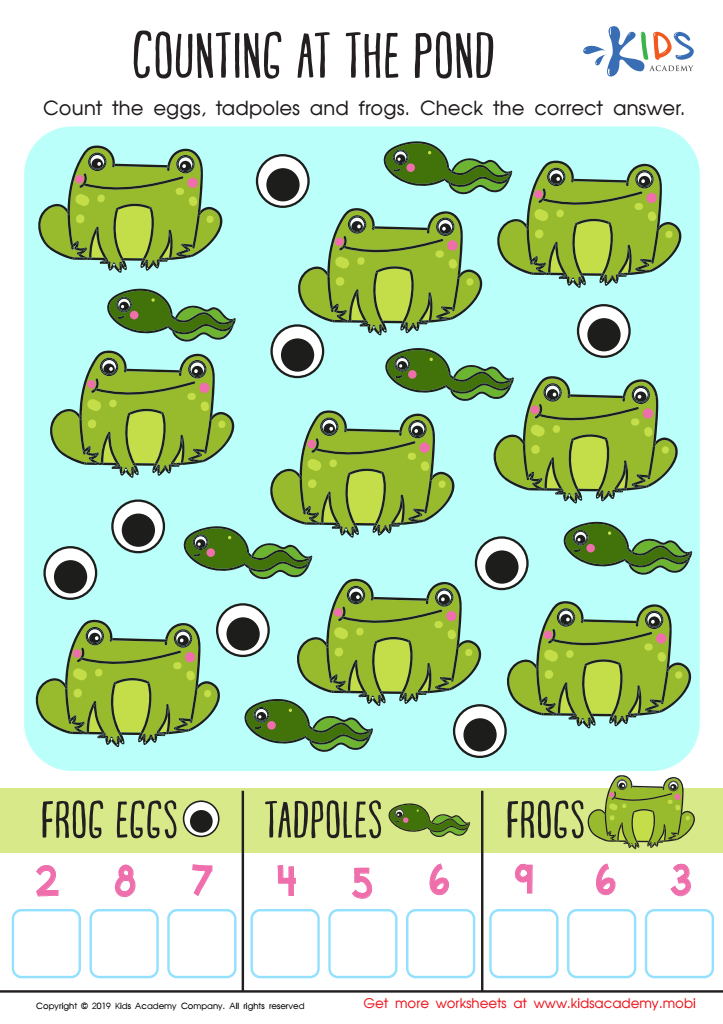
Counting at the Pond Worksheet
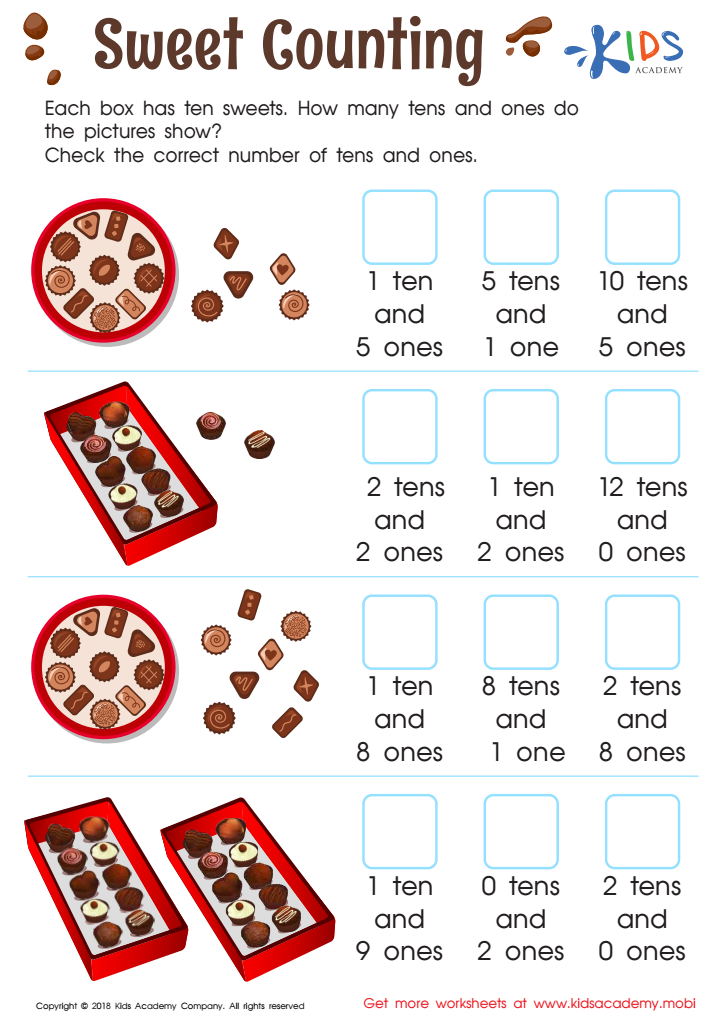
Sweet Counting - Part 2 Worksheet
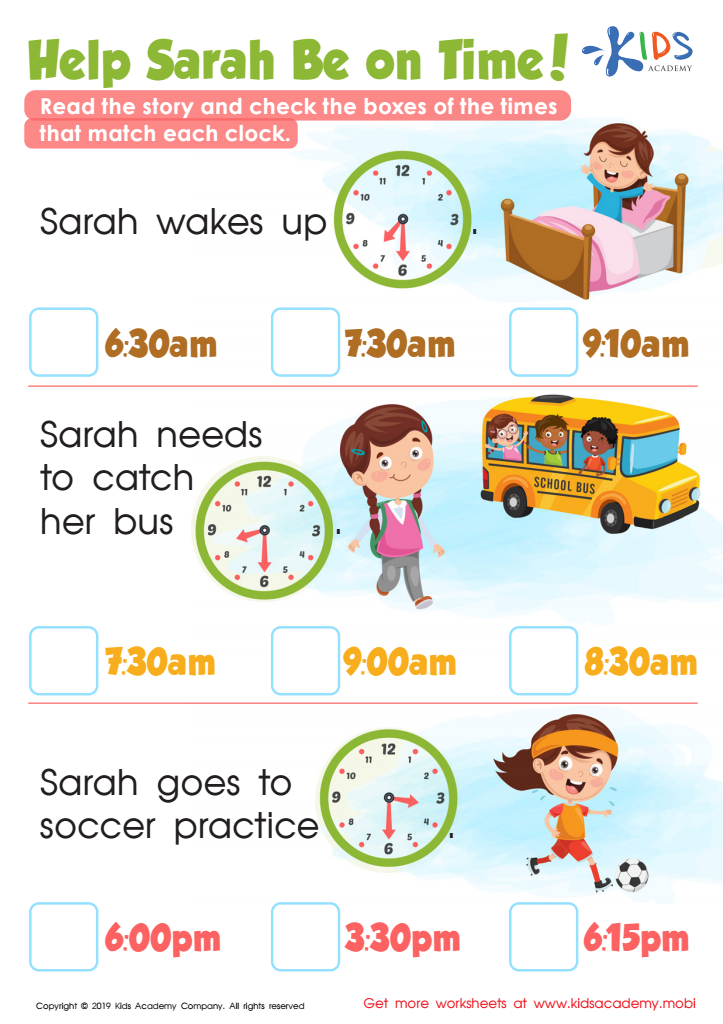
Help Sarah Be on Time! Worksheet
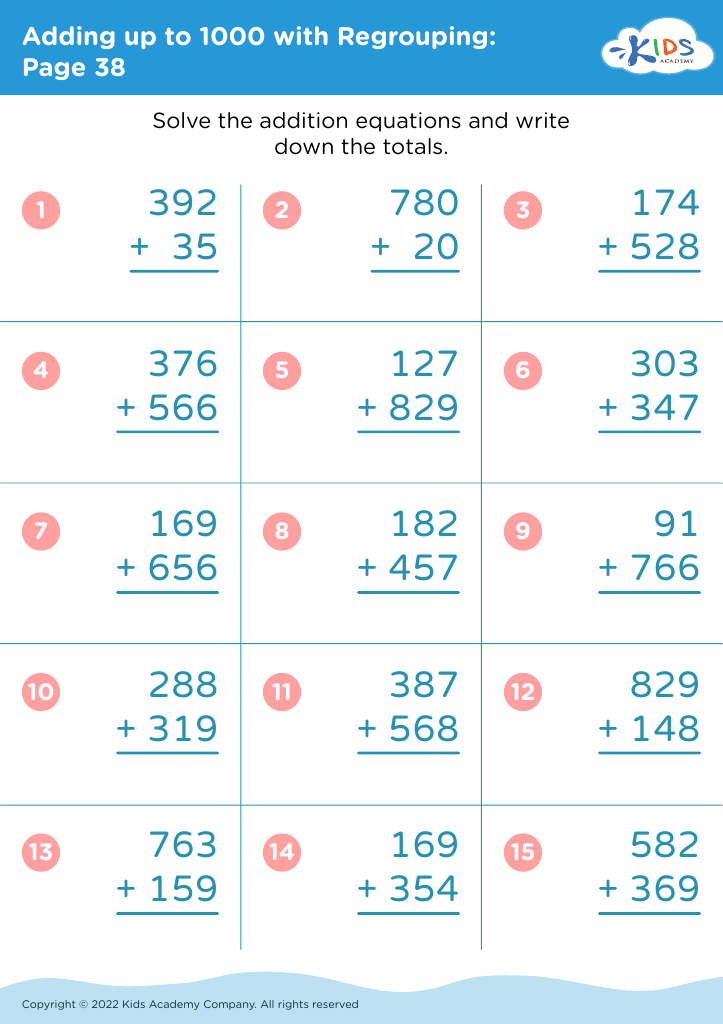
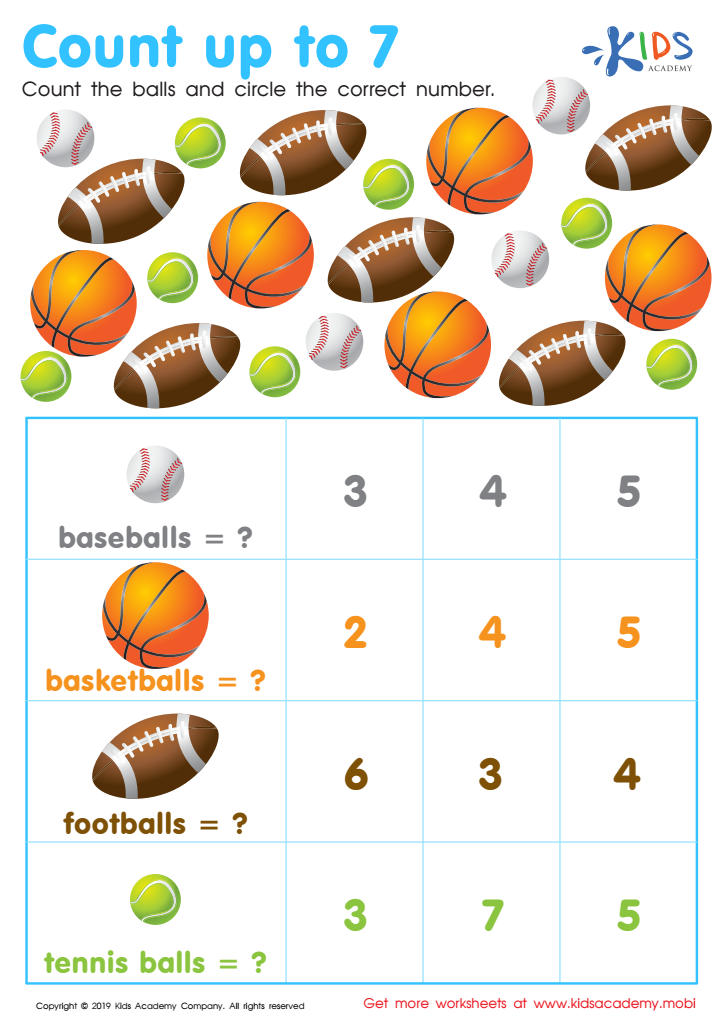
Count up to 7 Worksheet
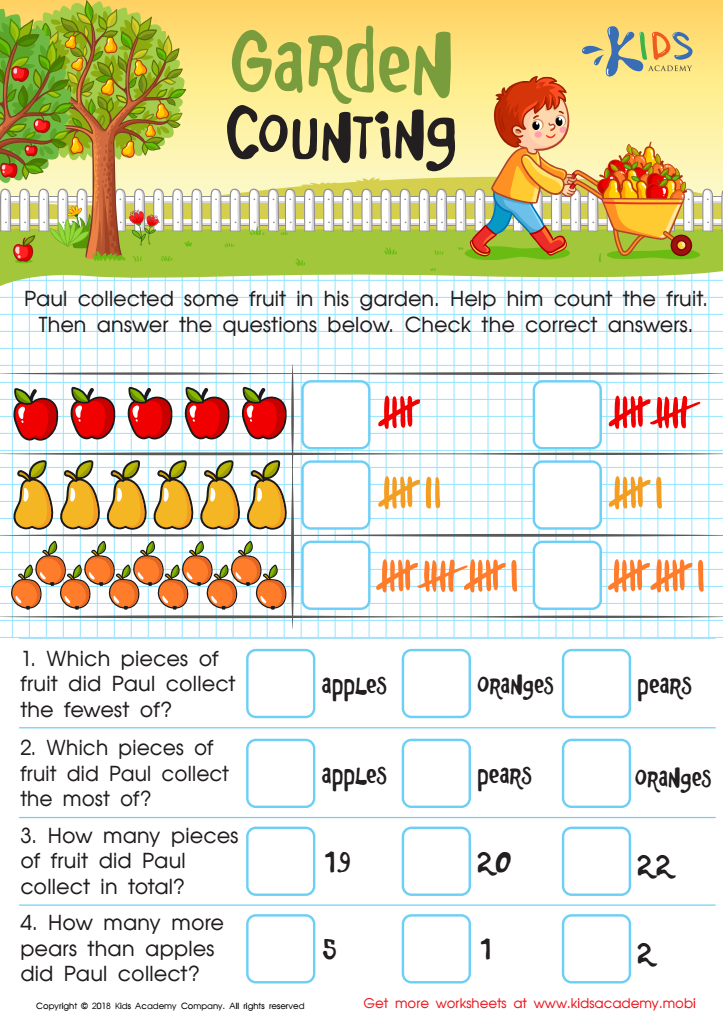
Garden Counting Worksheet
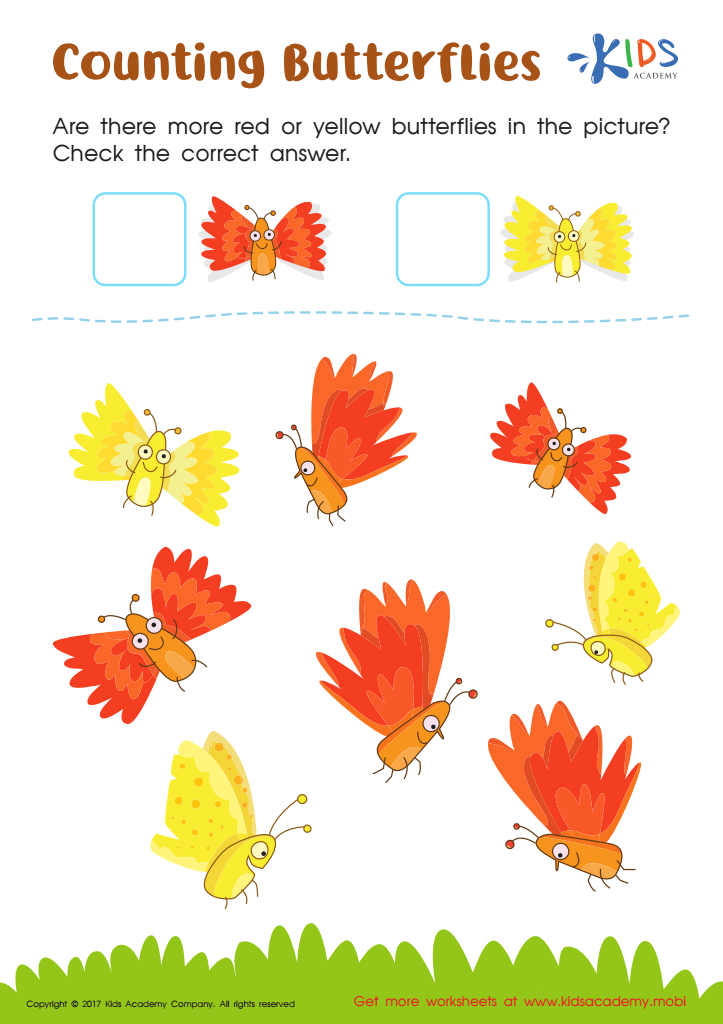
Counting Butterflies Worksheet
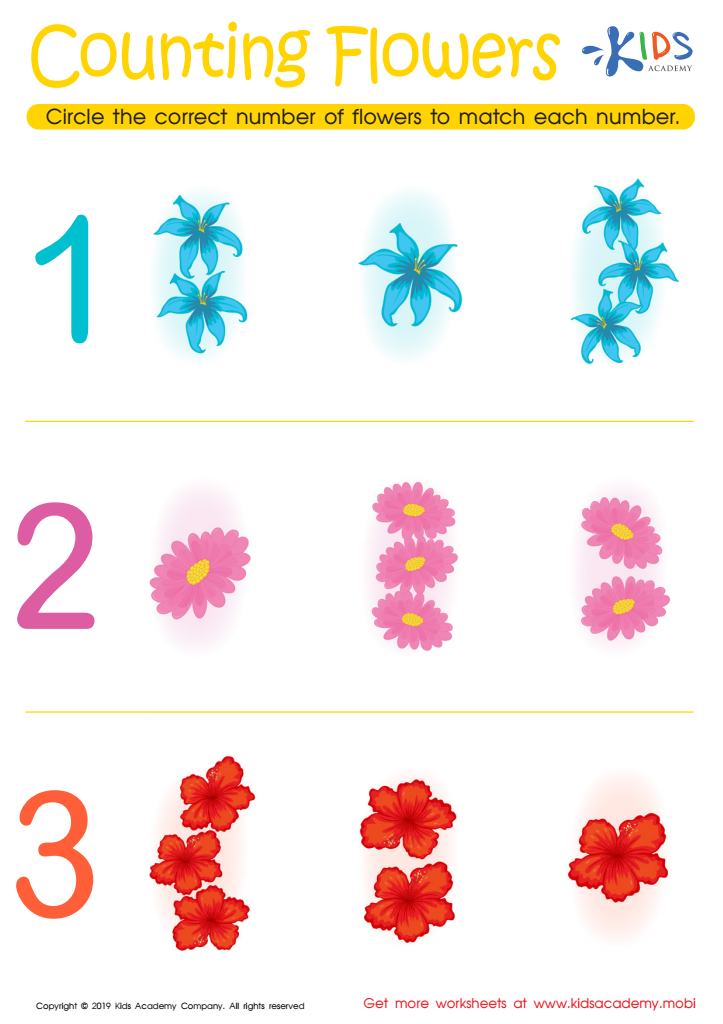
Counting Flowers Worksheet








Basic addition is a fundamental skill that serves as the foundation for all future mathematical learning. For children ages 5-9, mastering addition not only supports their academic success but also fosters confidence in problem-solving abilities. Parents and teachers should care about this developmental milestone because it cultivates critical thinking skills and logical reasoning.
At this age, children learn to recognize numbers, understand quantities, and develop the ability to combine them through addition. This skill extends beyond math classes and into everyday activities, such as shopping or estimating time, thereby reinforcing its relevance. Engaging children in addition encourages them to explore patterns and relationships between numbers, promoting a greater understanding of math concepts.
Furthermore, developing a solid grasp of basic addition enhances children's ability to tackle more complex mathematical operations in the future, such as subtraction, multiplication, and division. Beyond academics, it encourages perseverance and the belief that they can solve challenging problems. Finally, fostering this skill at a young age creates a positive mindset around math, countering any fear or anxiety related to the subject, setting the stage for lifelong learning and enjoyment in mathematics. In summary, prioritizing basic addition helps shape well-rounded, confident learners.








