Basic counting skills Math Worksheets for Ages 5-9
23 filtered results
-
From - To
Discover our engaging Basic Counting Skills Math Worksheets designed specifically for children ages 5-9 at Kids Academy! Our expertly crafted worksheets help young learners grasp essential counting concepts through fun and interactive activities. These resources cater to varied learning paces, building a strong mathematical foundation crucial for future success. Each worksheet features vibrant visuals and diverse exercises, ensuring children stay motivated and excited about learning. Whether your child is just starting with simple number recognition or advancing toward more complex counting, our worksheets provide the perfect practice. Join us at Kids Academy to make counting an enjoyable and rewarding experience for your child!
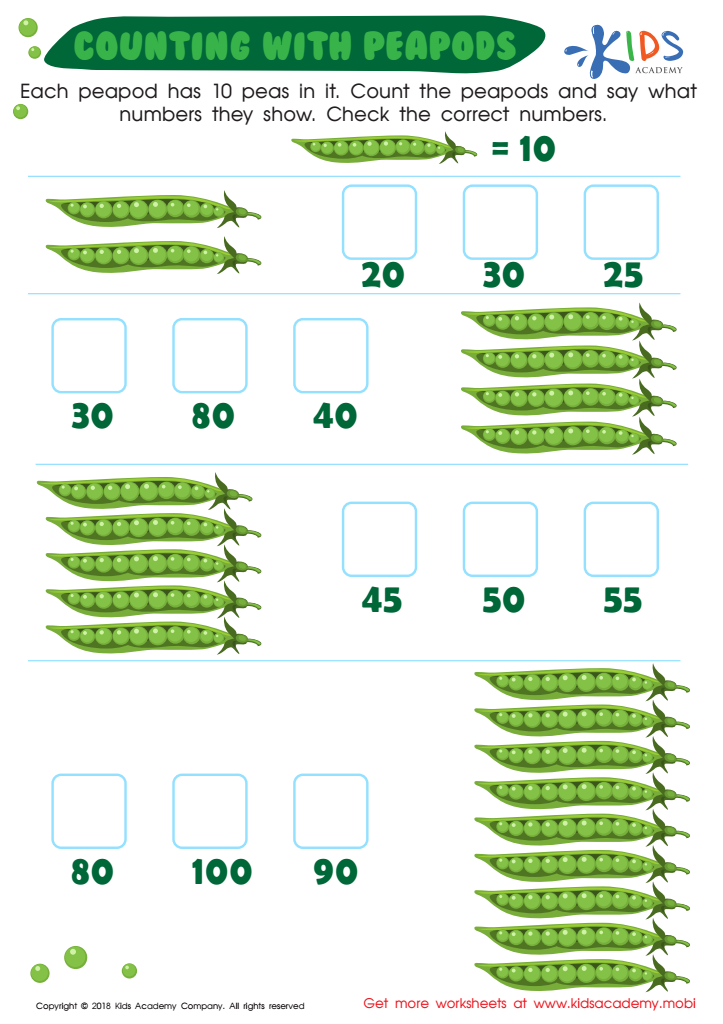
Number Worksheet: Counting With Peapods
 Assign to My Students
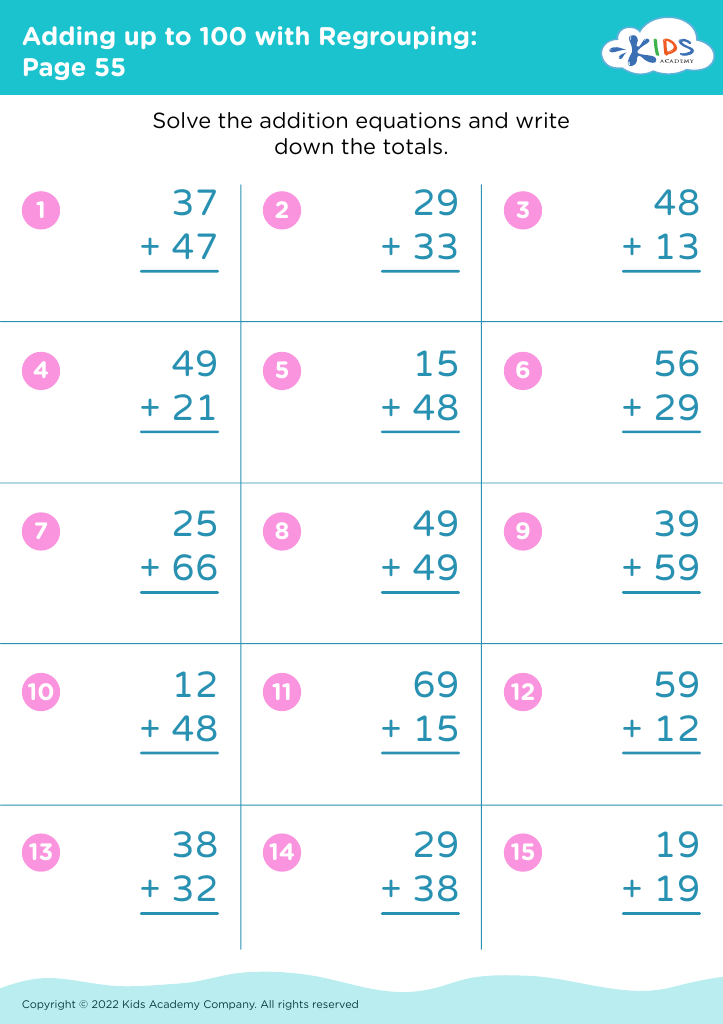
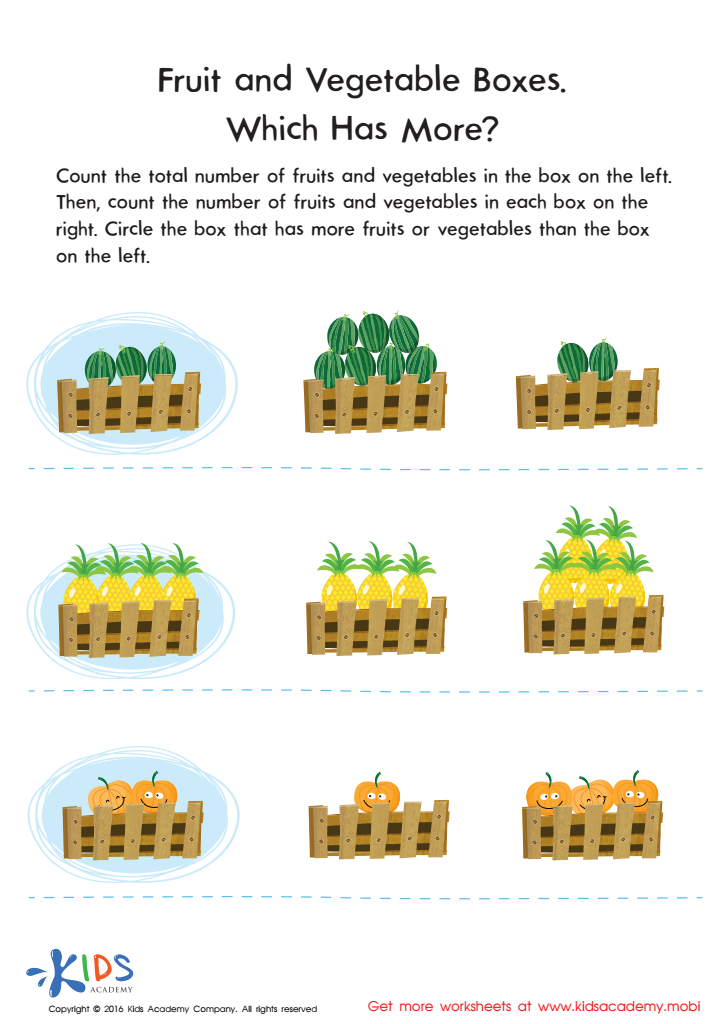
Which Has More? Size Worksheet
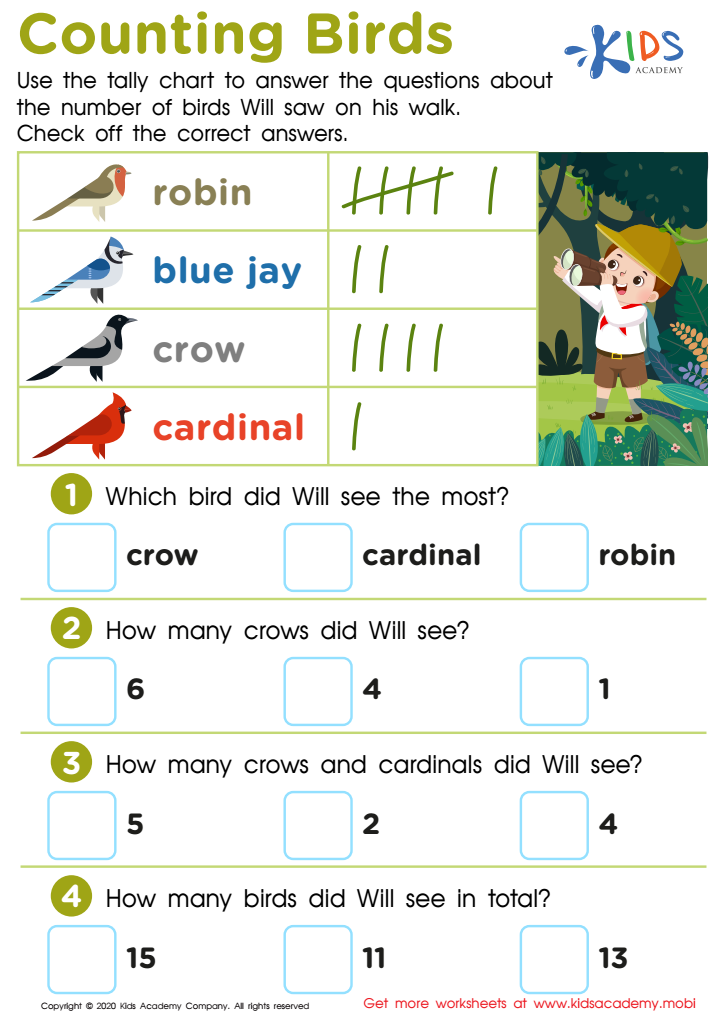
Counting Birds Worksheet
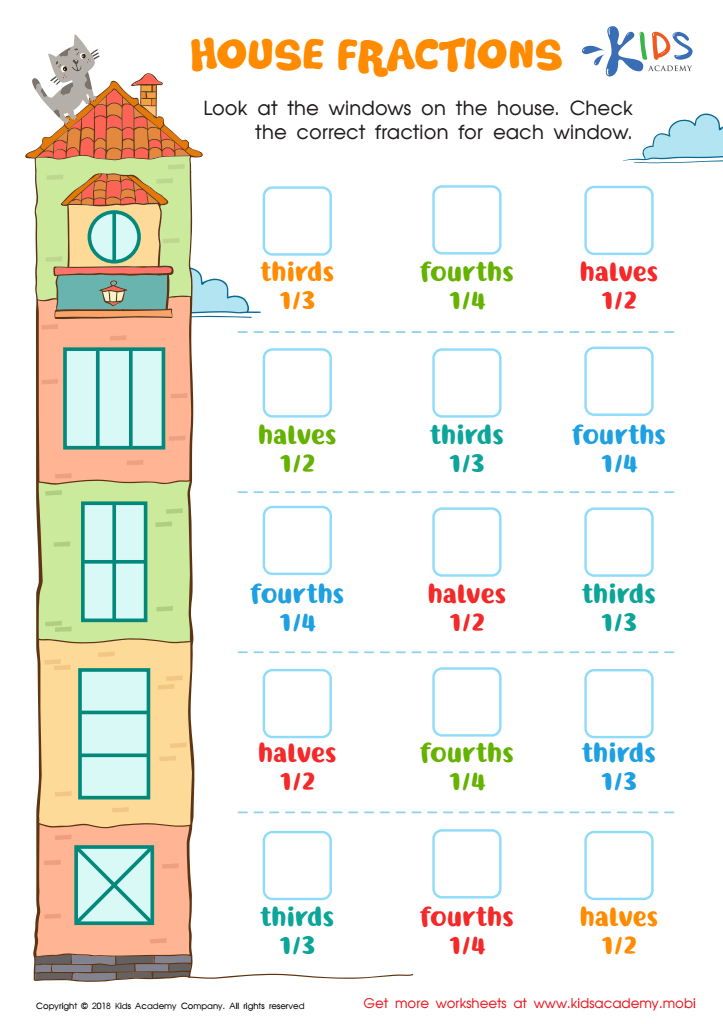
House Fractions Worksheet
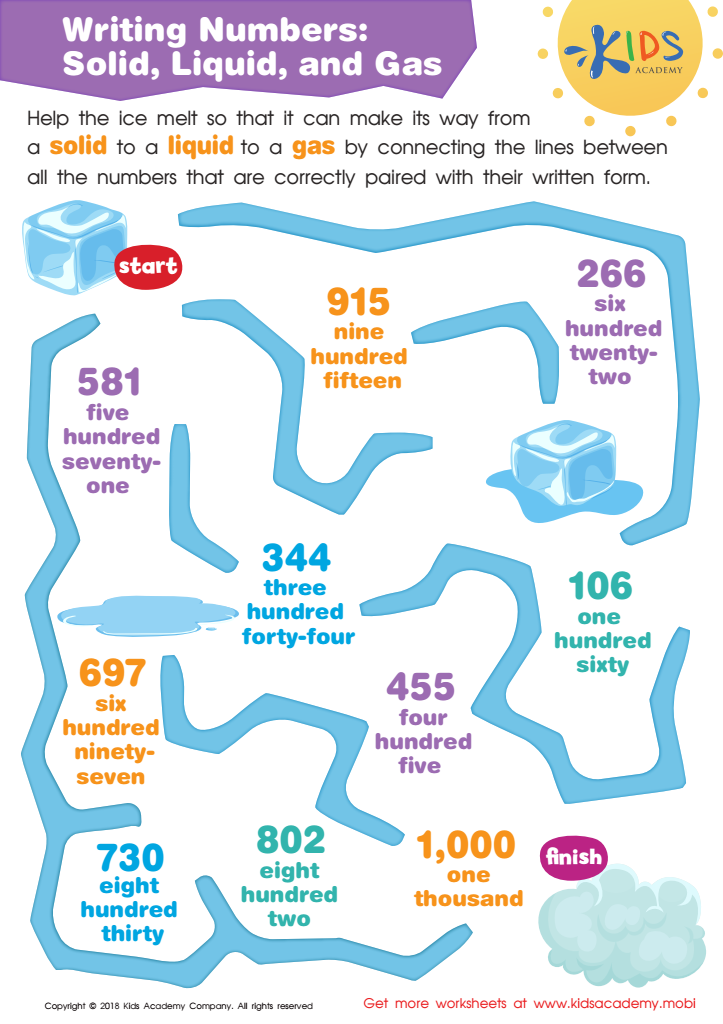
Solid, Liquid, and Gas Writing Numbers Worksheet
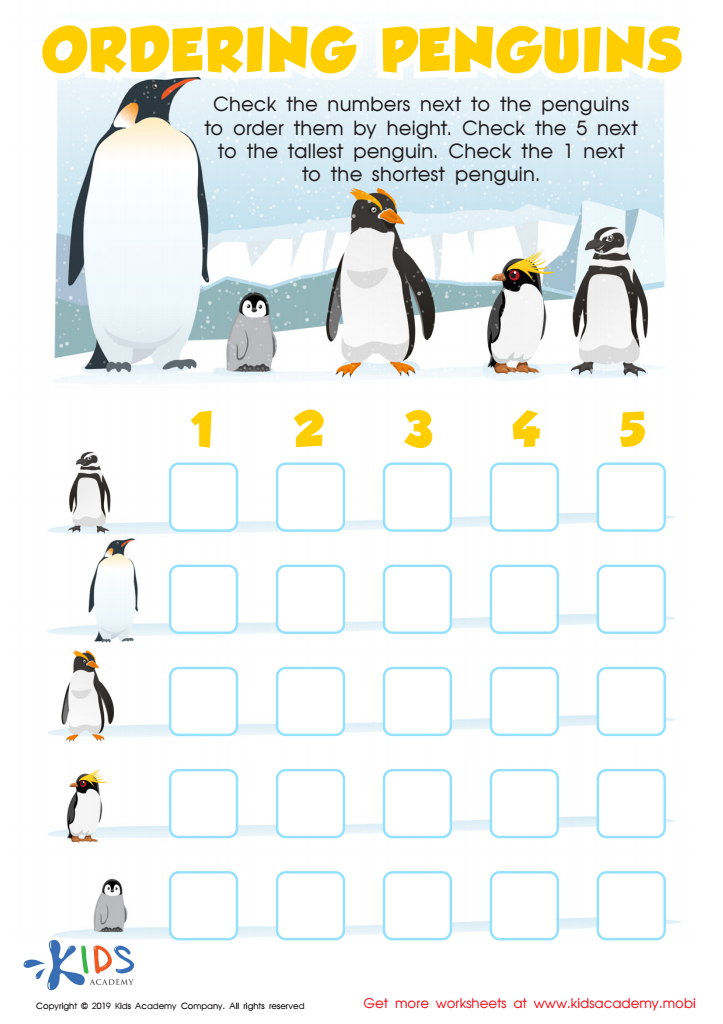
Ordering Penguins Worksheet
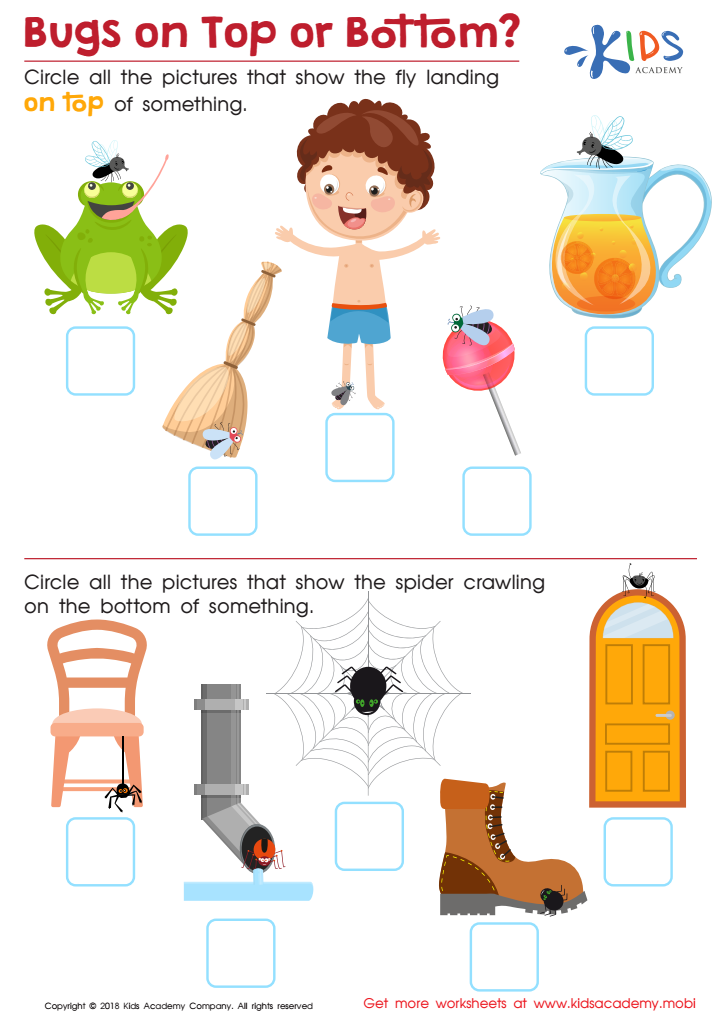
Bugs on Top or Bottom? Worksheet
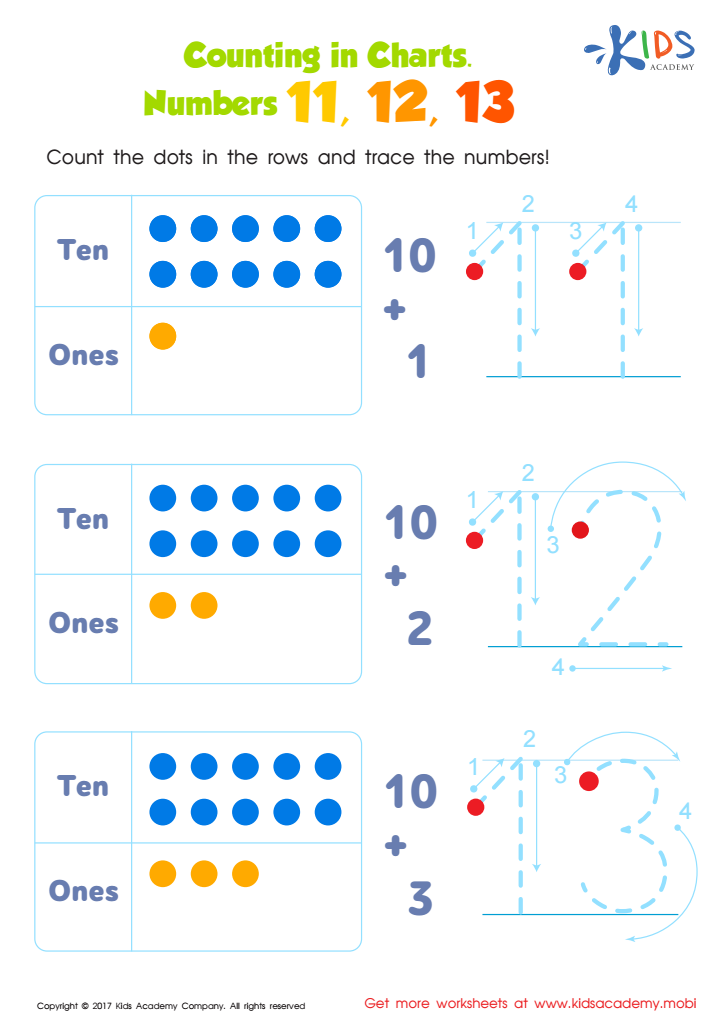
Number Tracing Worksheet For Kindergarten
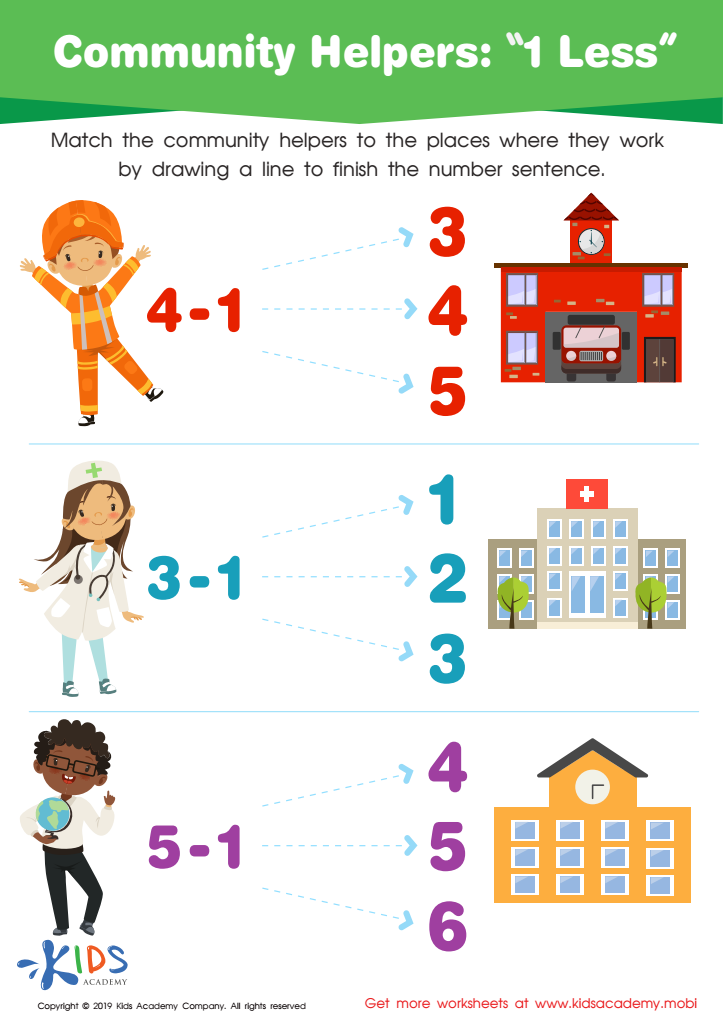
Community Helpers: 1 less Worksheet
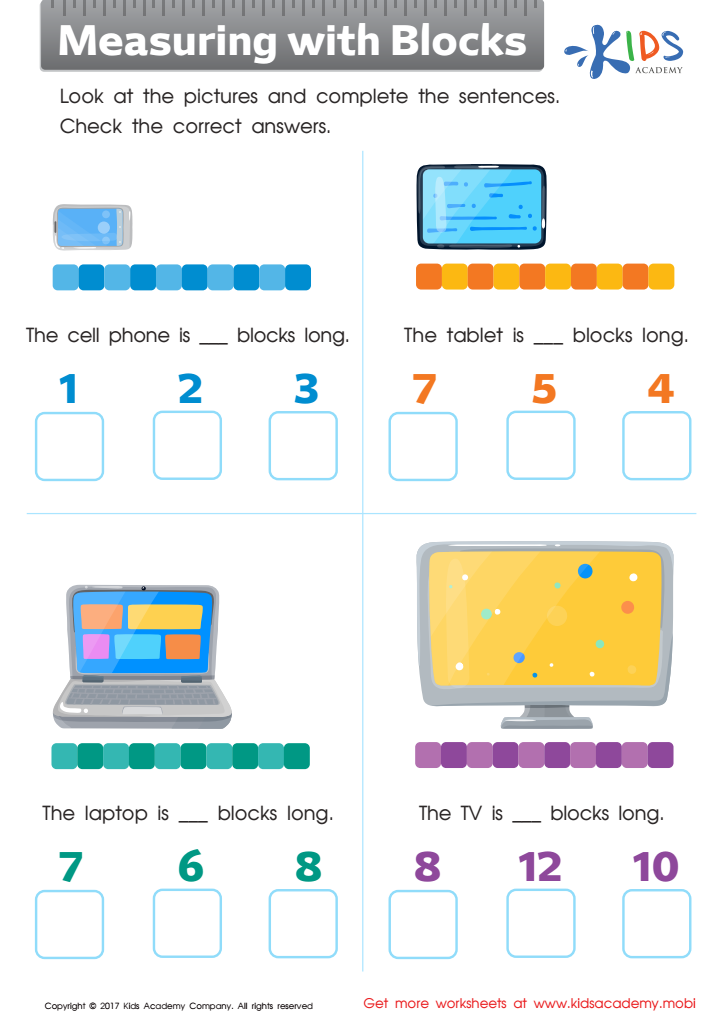
Measuring with Blocks Worksheet
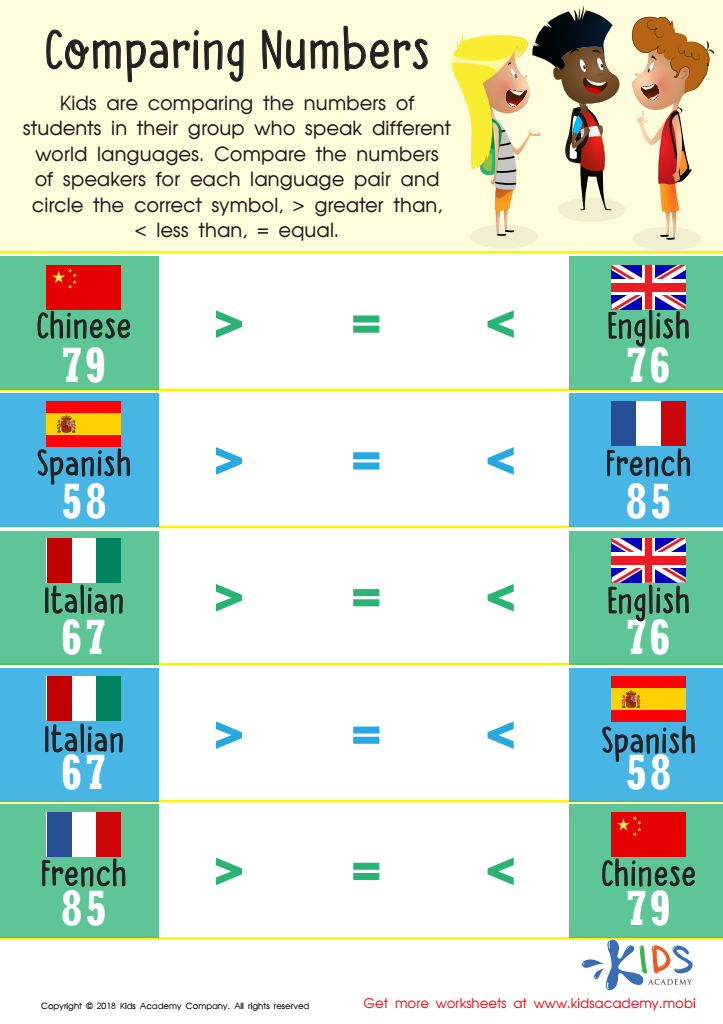
Comparing Numbers Worksheet for 1st Grade
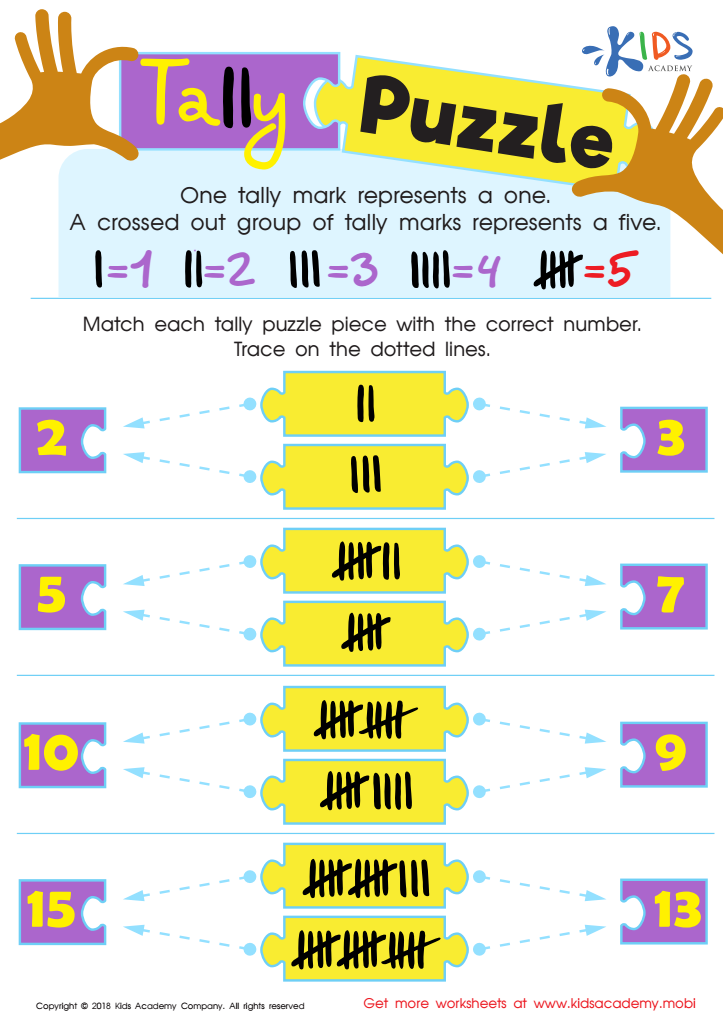
Tally Puzzle Worksheet
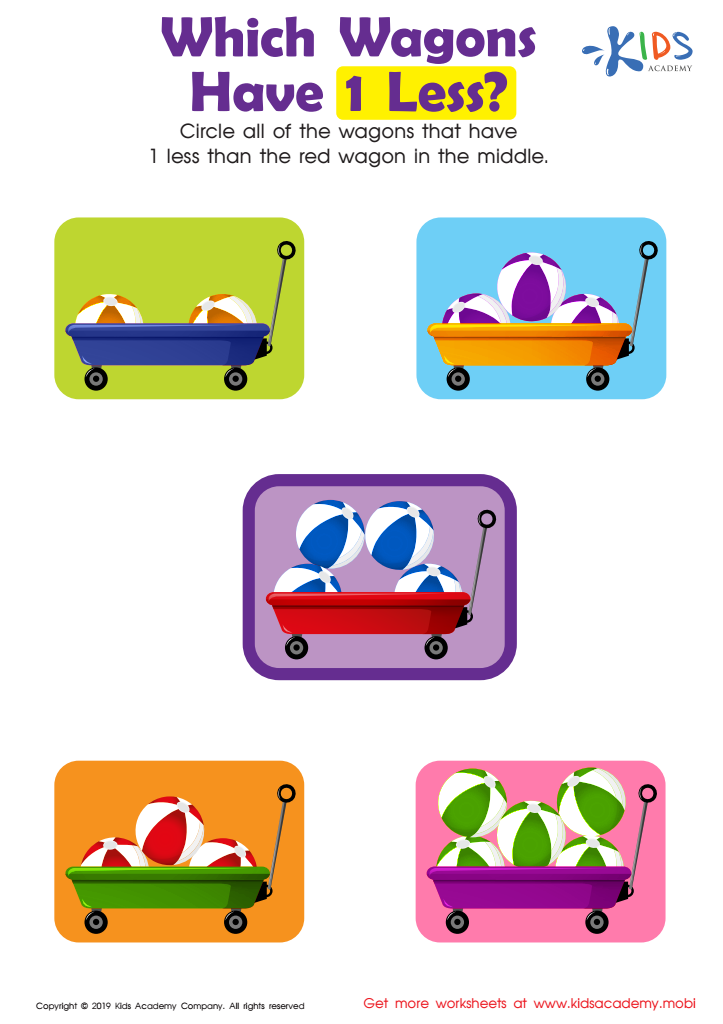
Which Wagons Have 1 Less? Worksheet
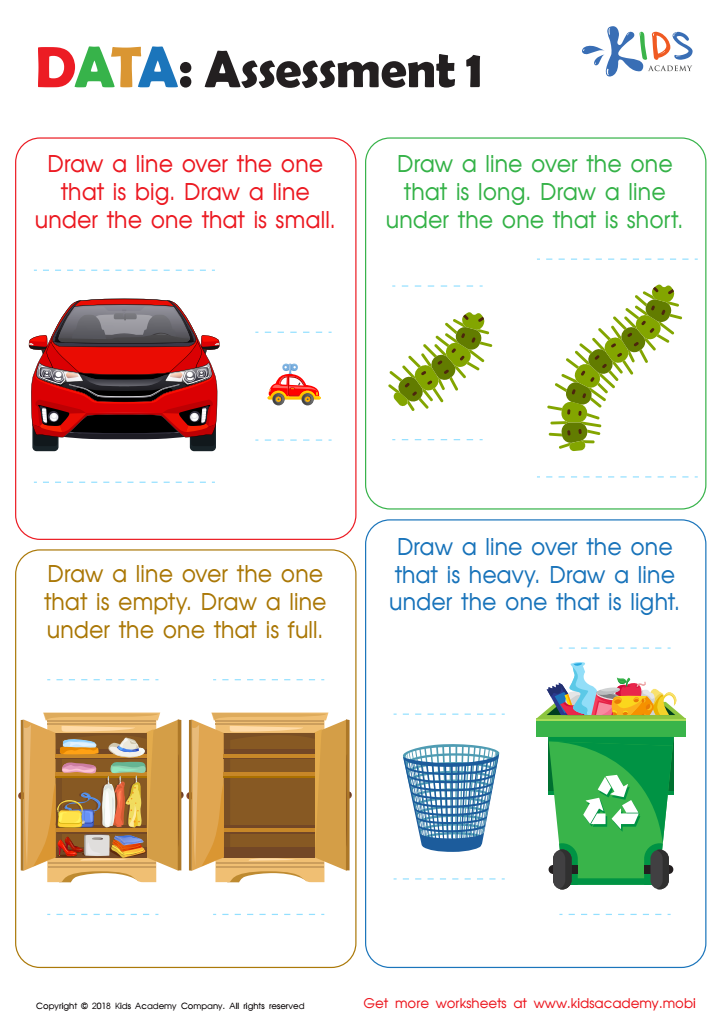
Data: Assessment 1 Worksheet
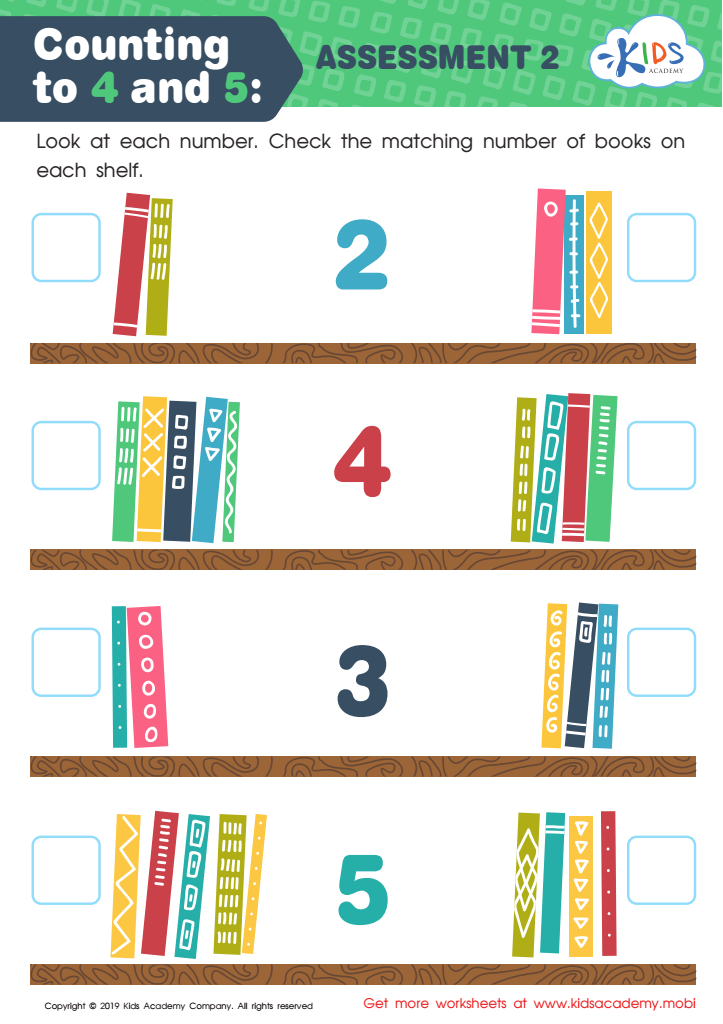
Counting to 4 and 5: Assessment 2 Worksheet
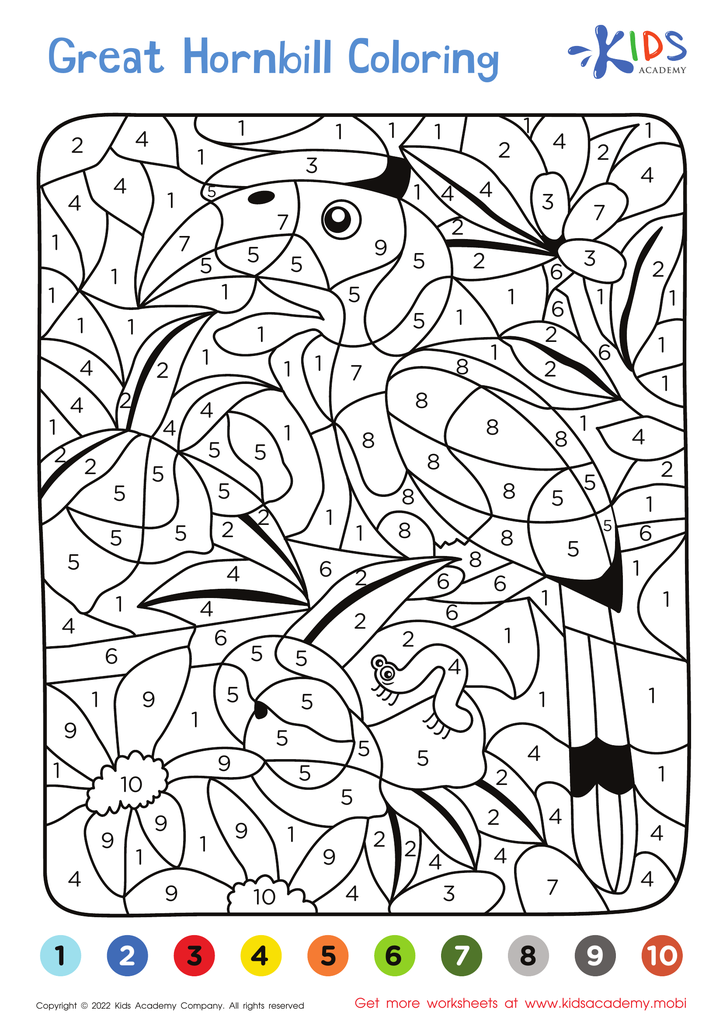
Great Hornbill – Coloring by Numbers
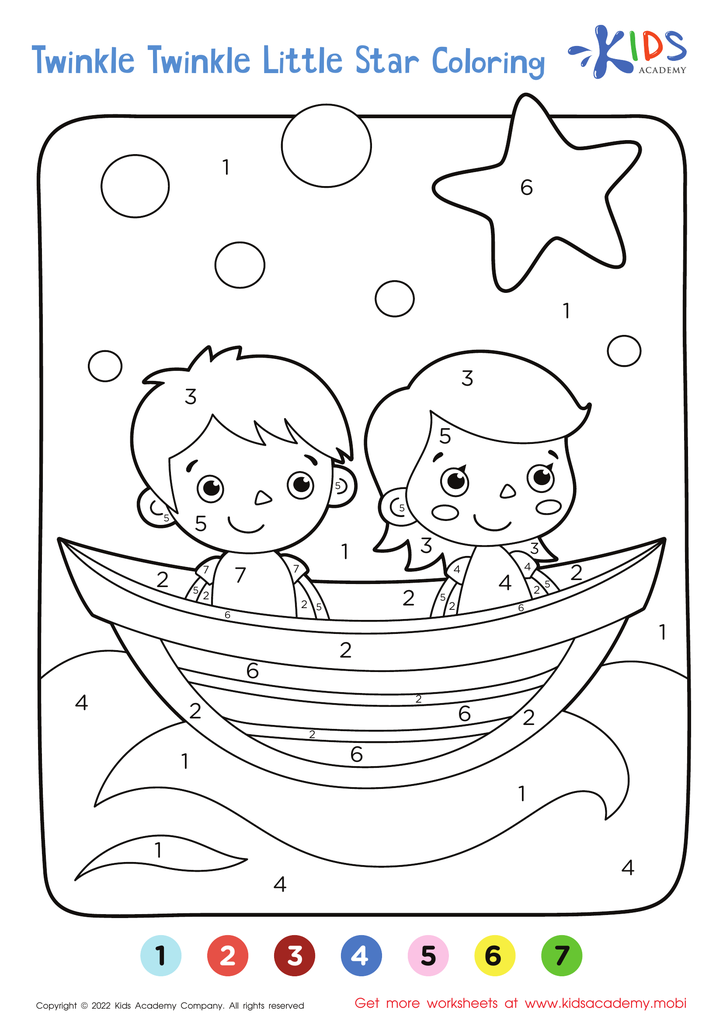
Twinkle, Twinkle, Little Star – Coloring by Numbers
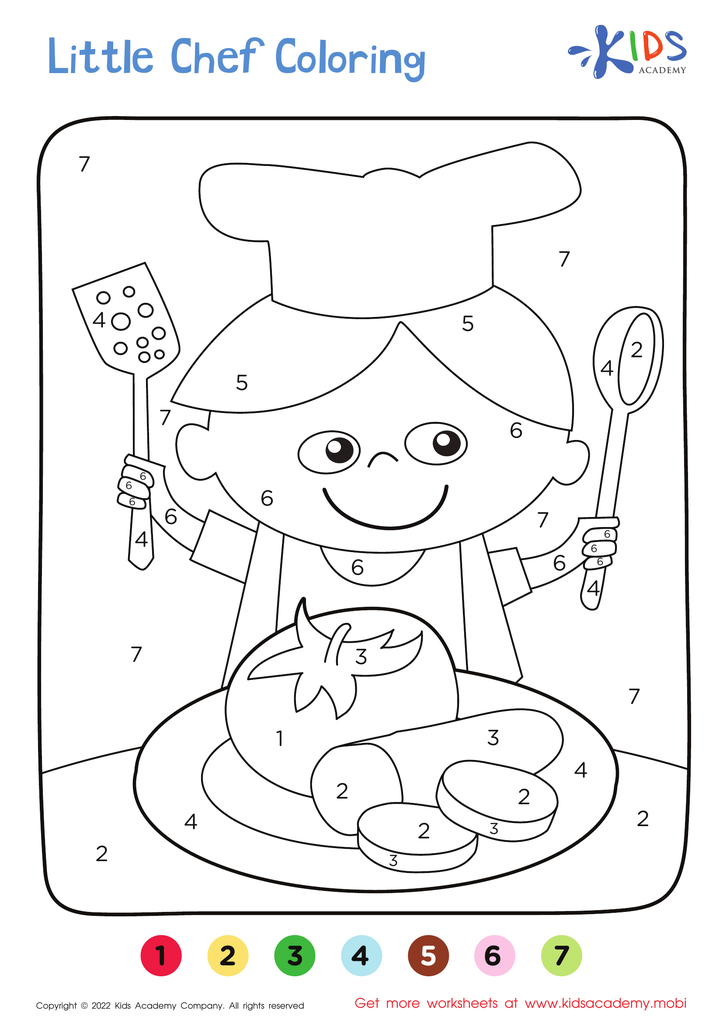
Little Chef – Coloring by Numbers






.jpg)

Basic counting skills are foundational for young children, typically ages 5-9, and crucial for their overall cognitive development. Parents and teachers should prioritize these skills because they enable the child to understand more complex mathematical concepts later on. Counting lays the groundwork for addition, subtraction, multiplication, and division. It's much like learning the alphabet before reading and writing; without a strong grasp, future learning becomes challenging.
Additionally, counting skills help children develop number sense, which includes recognizing numbers, understanding their value, and seeing the relationship between them. This understanding is not just academic; it supports everyday activities such as telling time, handling money, and solving practical problems.
Counting also nurtures a child's logical thinking and reasoning abilities. Engaging with counting games, patterns, and sequences stimulates their brain, fostering problem-solving skills and critical thinking. Cultivating these abilities from an early age can result in better academic performance and increased confidence in various life scenarios.
Beyond practical applications, developing strong counting skills can be fun and rewarding, promoting a positive attitude towards learning math. This behavioral aspect is significant because children's attitudes towards subjects formed early on often persist throughout their educational journey and adulthood. Parents and teachers play a vital role in nurturing this developmental stage.








