Color differentiation Math Worksheets for Ages 5-9
6 filtered results
-
From - To
Enhance your child's learning experience with our engaging Color Differentiation Math Worksheets designed specifically for ages 5-9. These worksheets help young learners develop essential math skills while exploring the vibrant world of colors. Kids will enjoy sorting, identifying, and categorizing various colors as they solve interactive mathematical problems. These activities promote critical thinking, fine motor skills, and cognitive development, making learning both fun and educational. Perfect for at-home practice or classroom use, our Color Differentiation Math Worksheets are a fantastic resource to help your child excel in math while fostering creativity and a love for learning. Start exploring today!
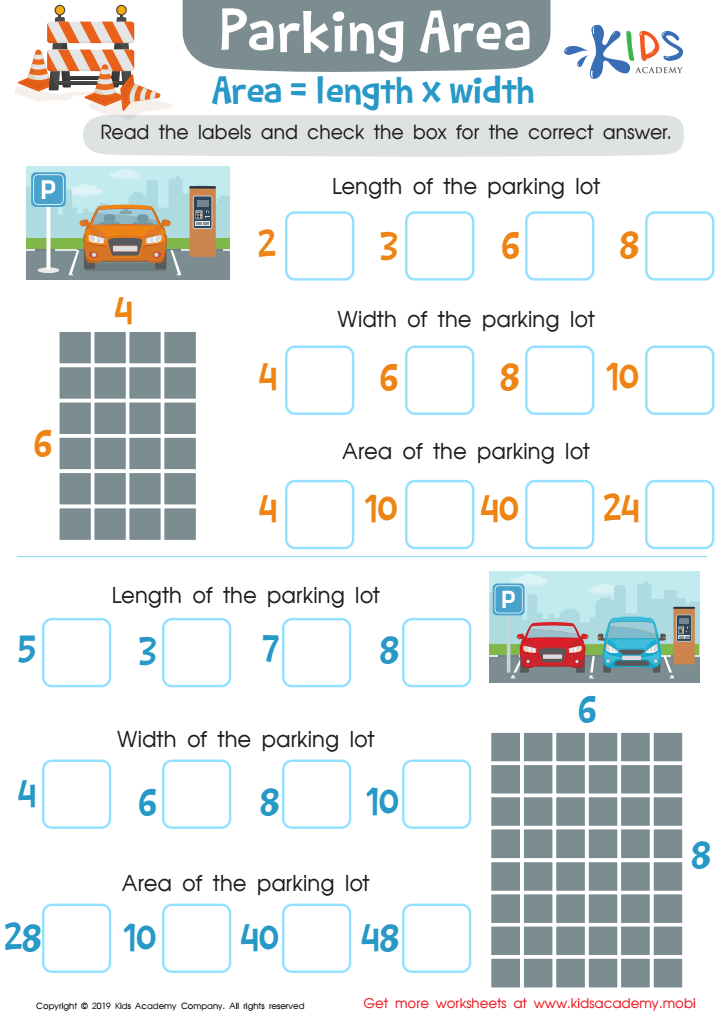
Parking Area Worksheet
 Assign to My Students
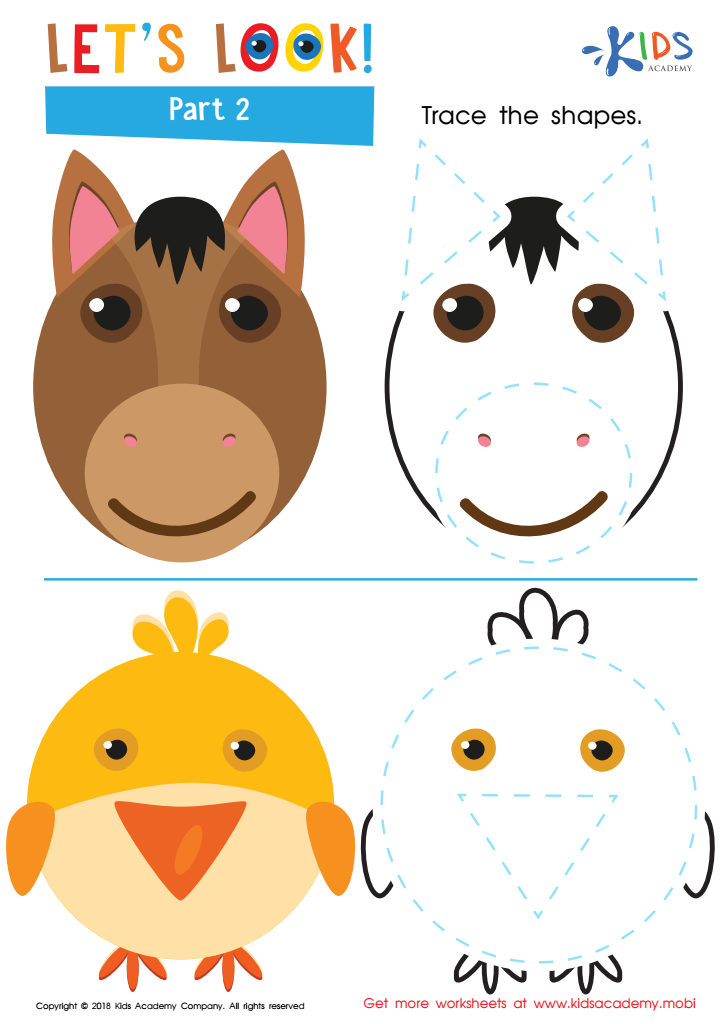
Let's Look! Part 2 Worksheet
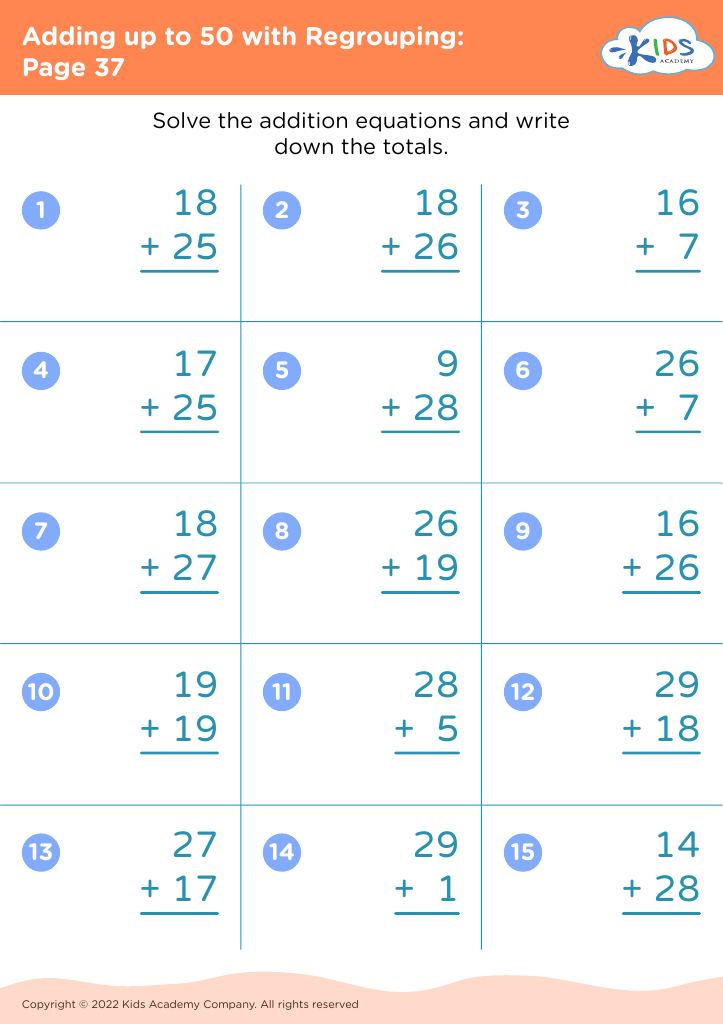
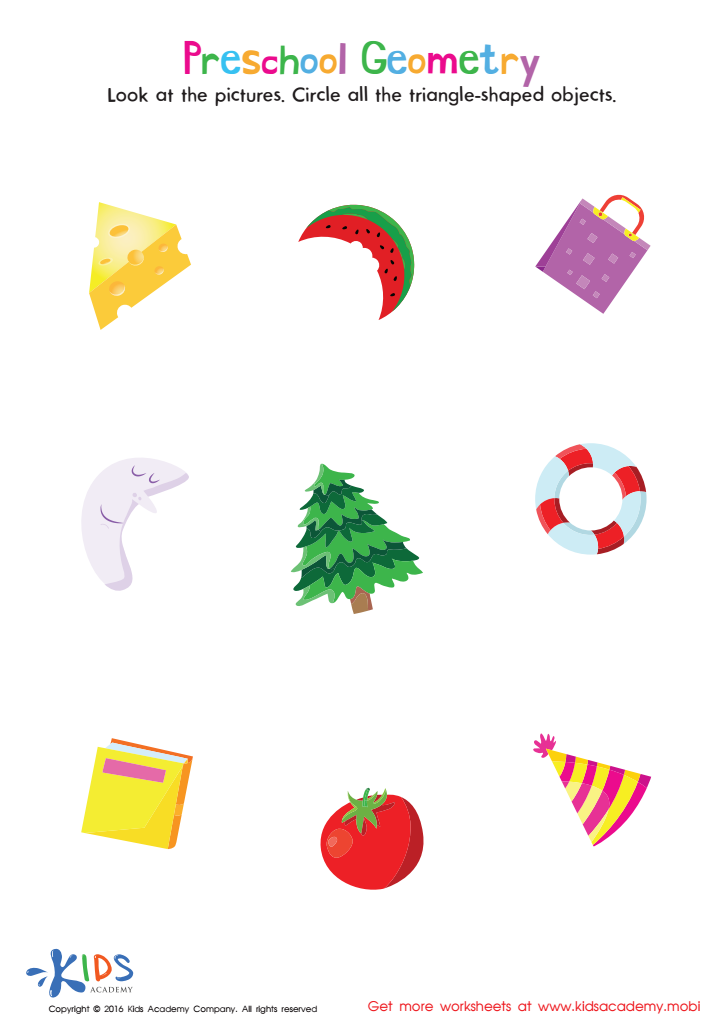
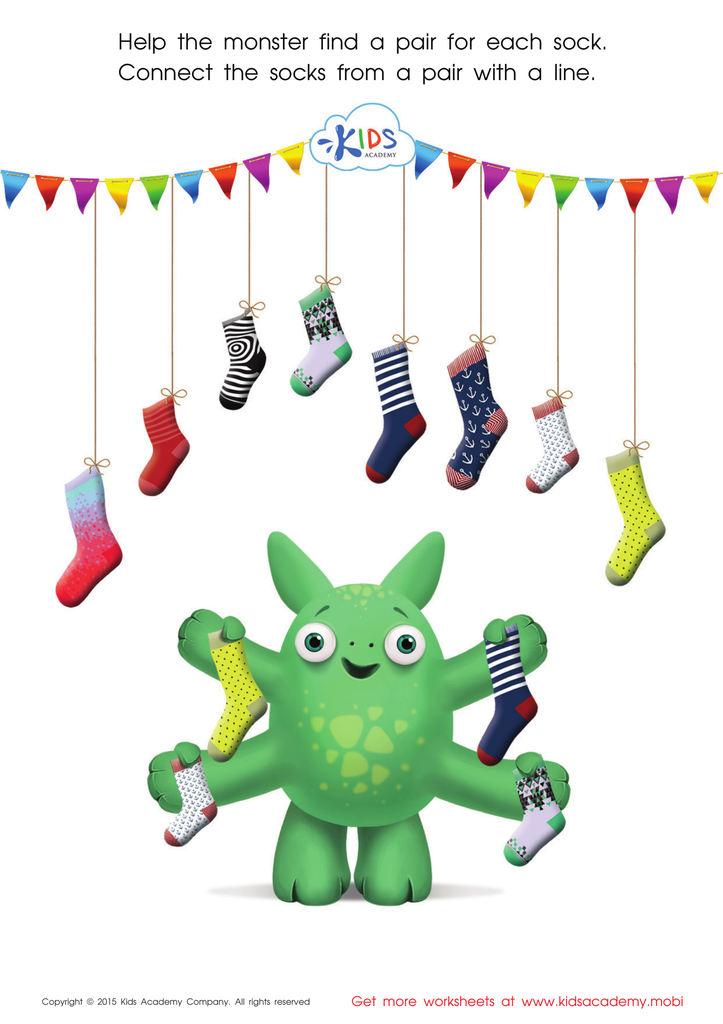
Math Matching Pairs Game: Monsterв's Socks Worksheet








Color differentiation math is an engaging way to introduce young learners to fundamental math concepts, making it essential for parents and teachers to embrace this approach for children aged 5-9. At this developmental stage, children are naturally curious and responsive to visual stimuli; colors can enhance their understanding and retention of math concepts such as sorting, counting, and addition.
Firstly, color differentiation can aid in the cognitive development of children by fostering critical thinking and problem-solving skills. When colors are used to categorize objects or group numbers, it encourages students to analyze and differentiate, building a strong foundation for more complex mathematical concepts.
Additionally, using color in math provides a multi-sensory learning experience. This approach caters to various learning styles, ensuring that visual learners remain engaged and motivated. By associating colors with specific numbers or operations, children can easily remember and recognize patterns, fostering mathematical fluency.
Moreover, color differentiation aids in making math more fun and interactive. Parents and teachers can create playful activities using colored blocks or worksheets, turning abstract concepts into tangible experiences. This not only boosts students' enthusiasm for math but also builds their confidence in their abilities, promoting a positive attitude towards learning.








