Counting practice Math Worksheets for Ages 5-9 - Page 2
359 filtered results
-
From - To
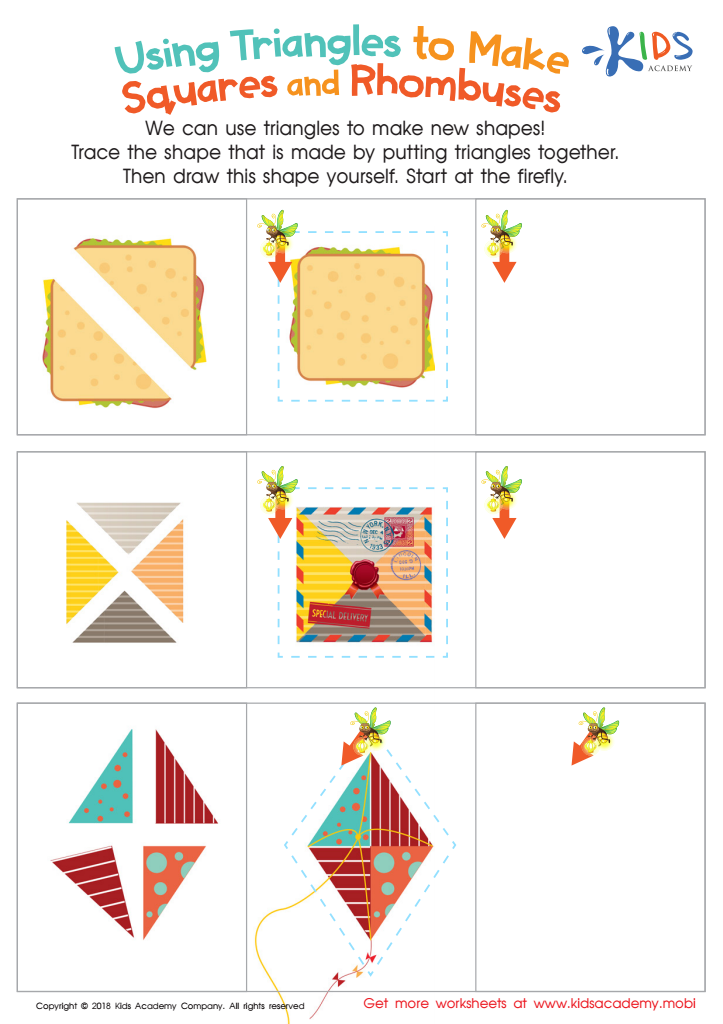
Using Triangles to Make Squares and Rhombuses Worksheet
 Assign to My Students
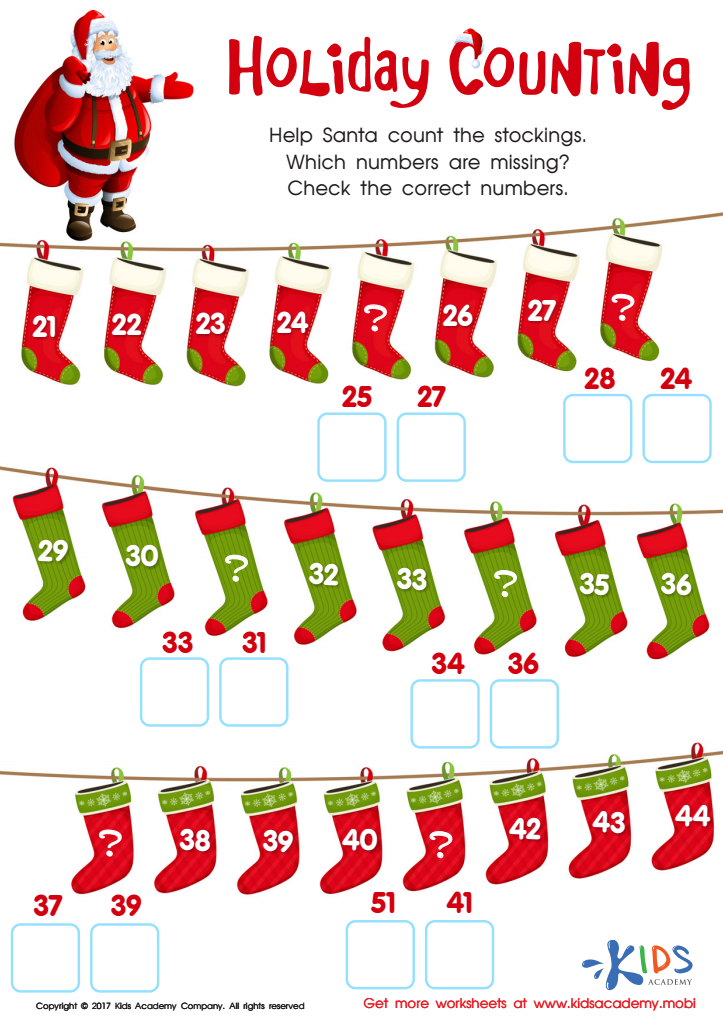
Holiday Counting Worksheet
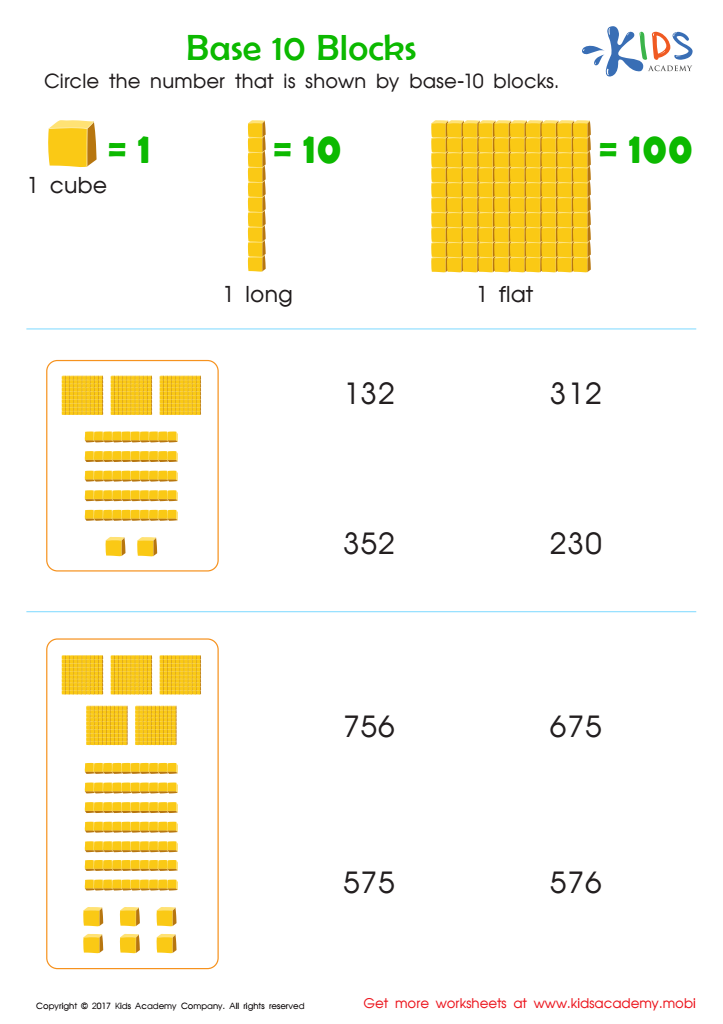
Base Ten Blocks Worksheet
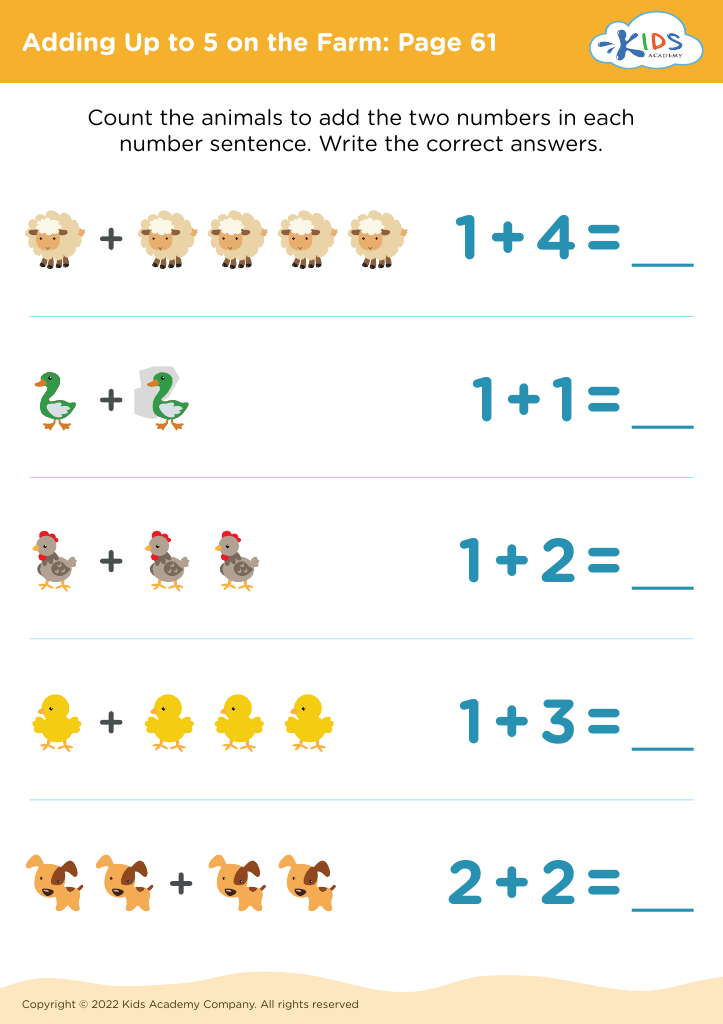
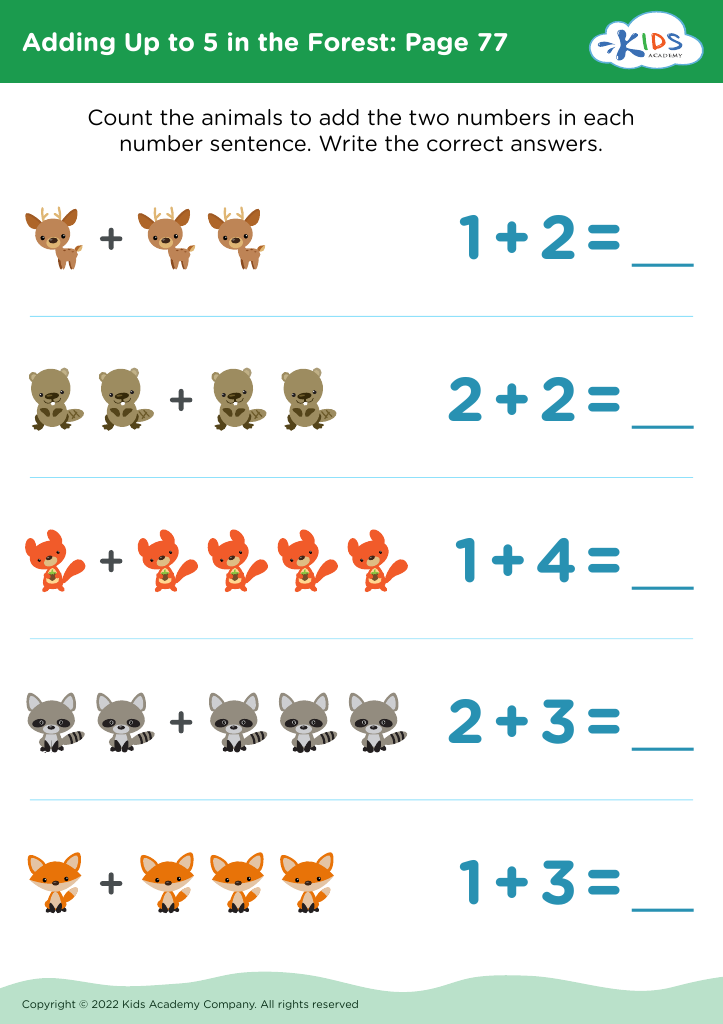
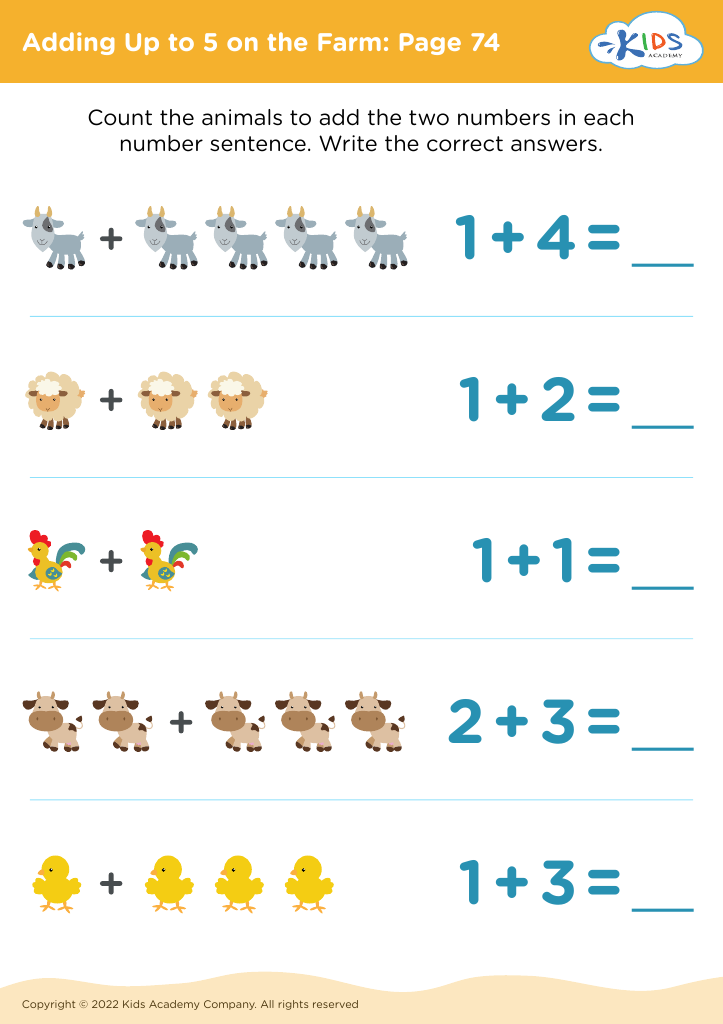
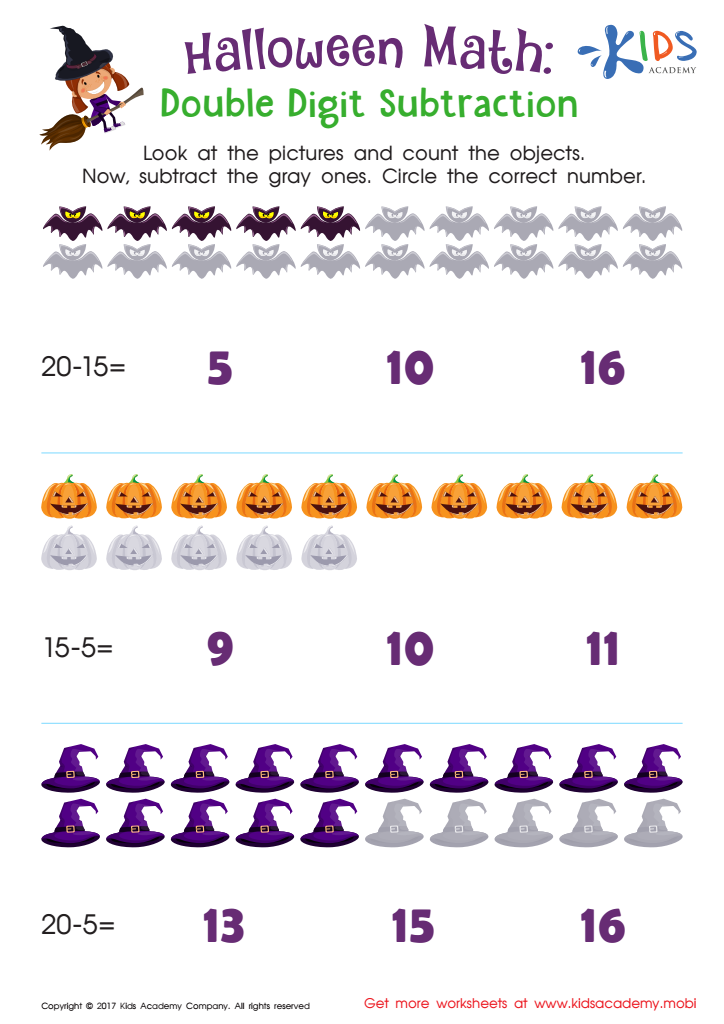
Halloween Math Subtraction Worksheet
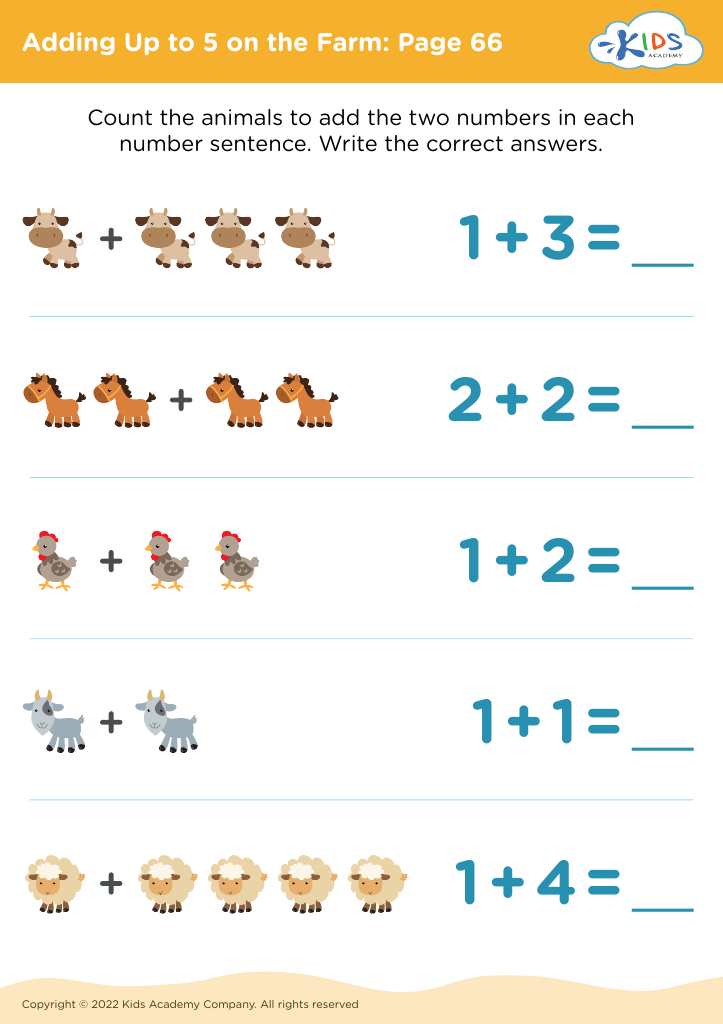
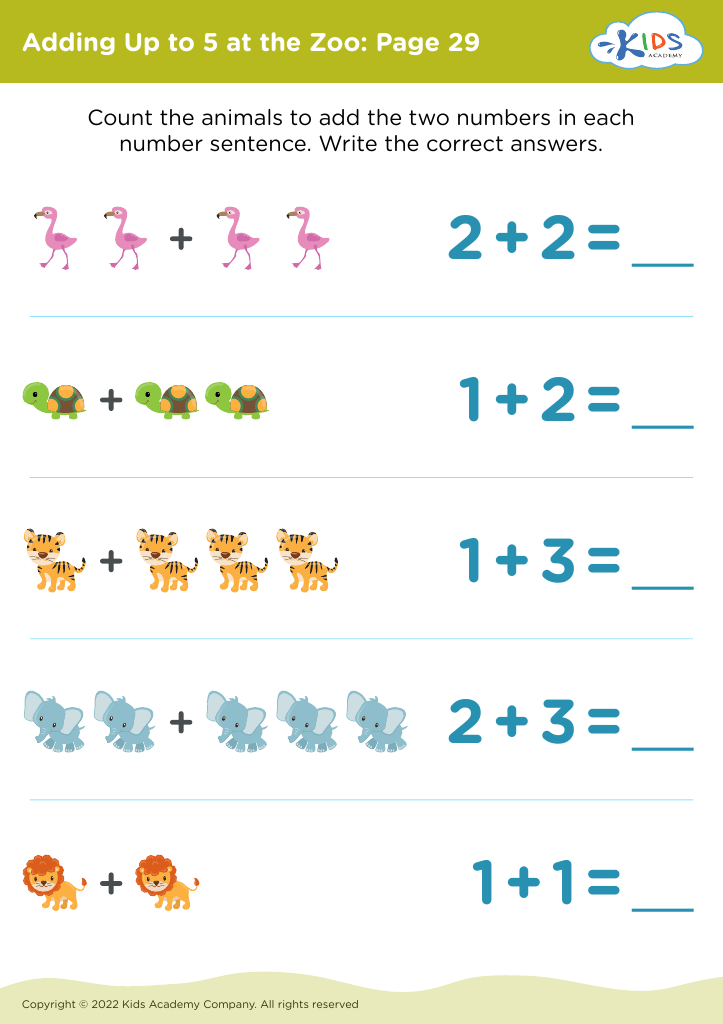
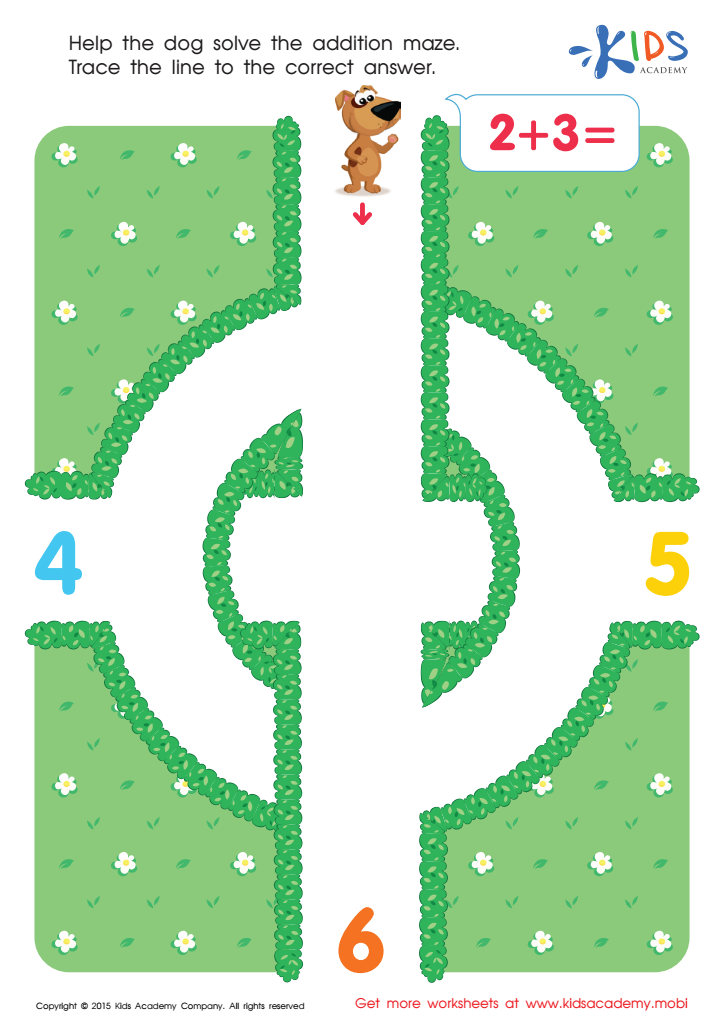
Two And Three Addition Worksheet
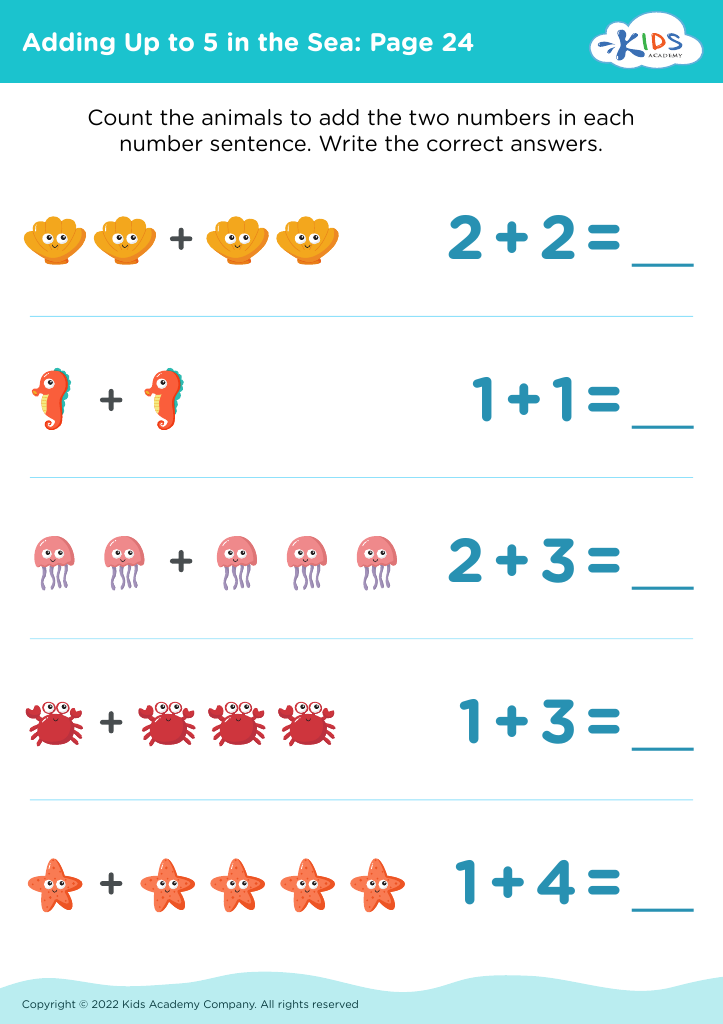
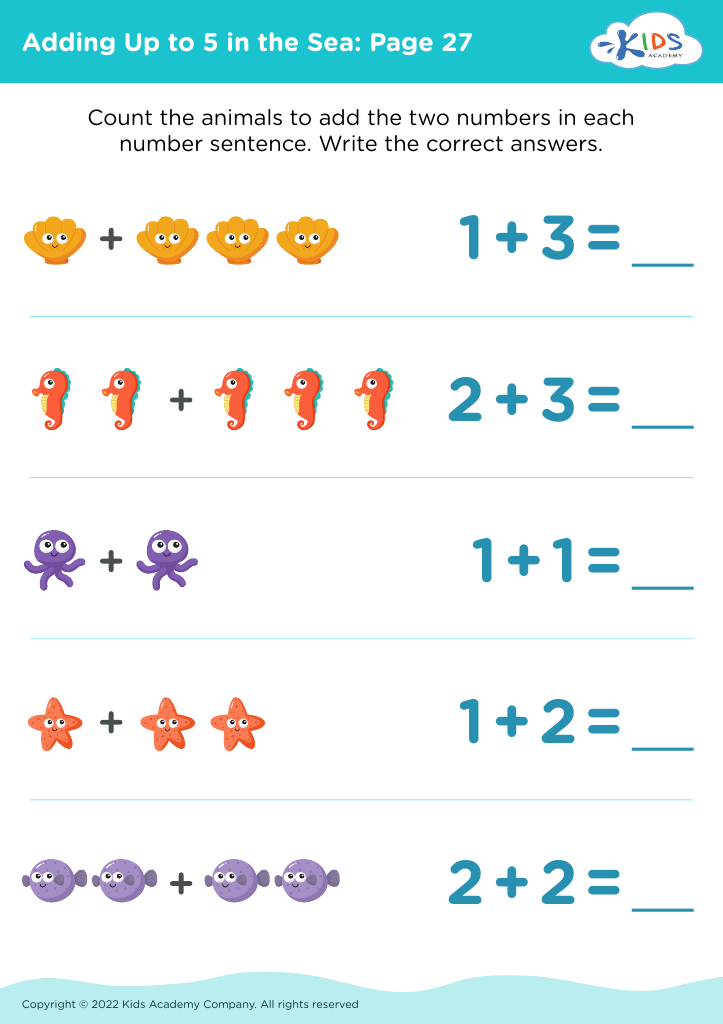
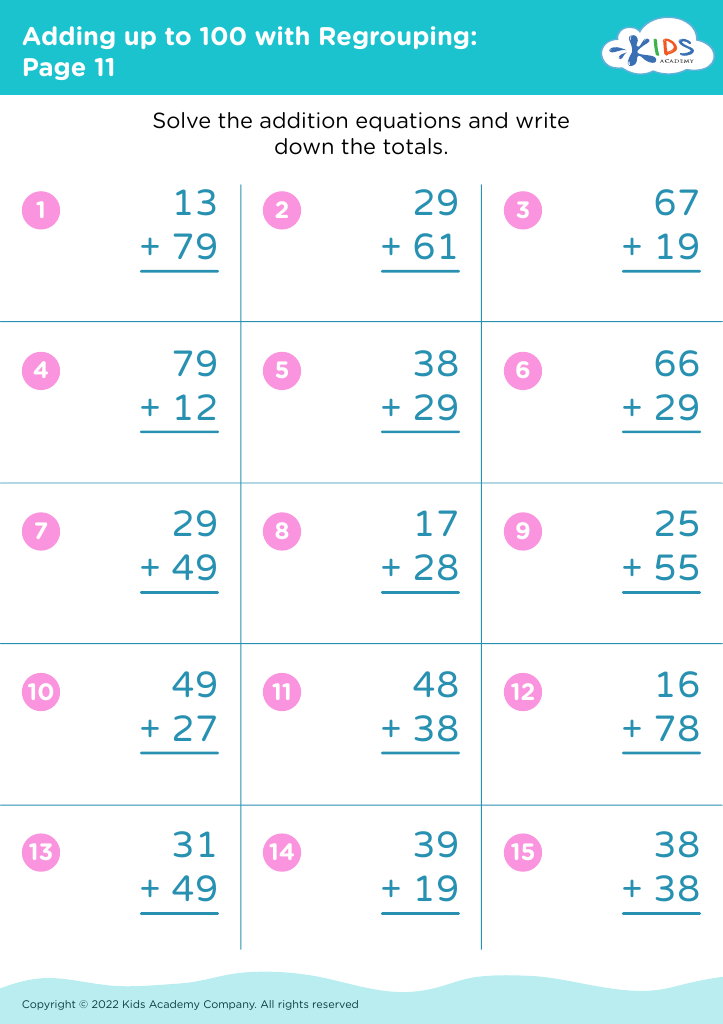
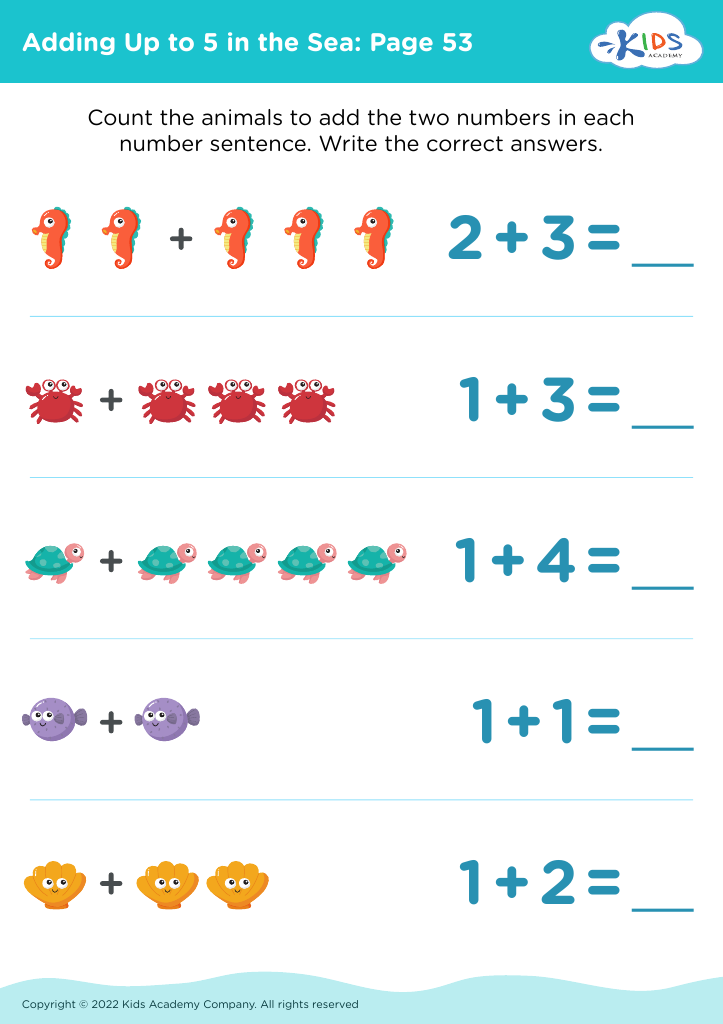
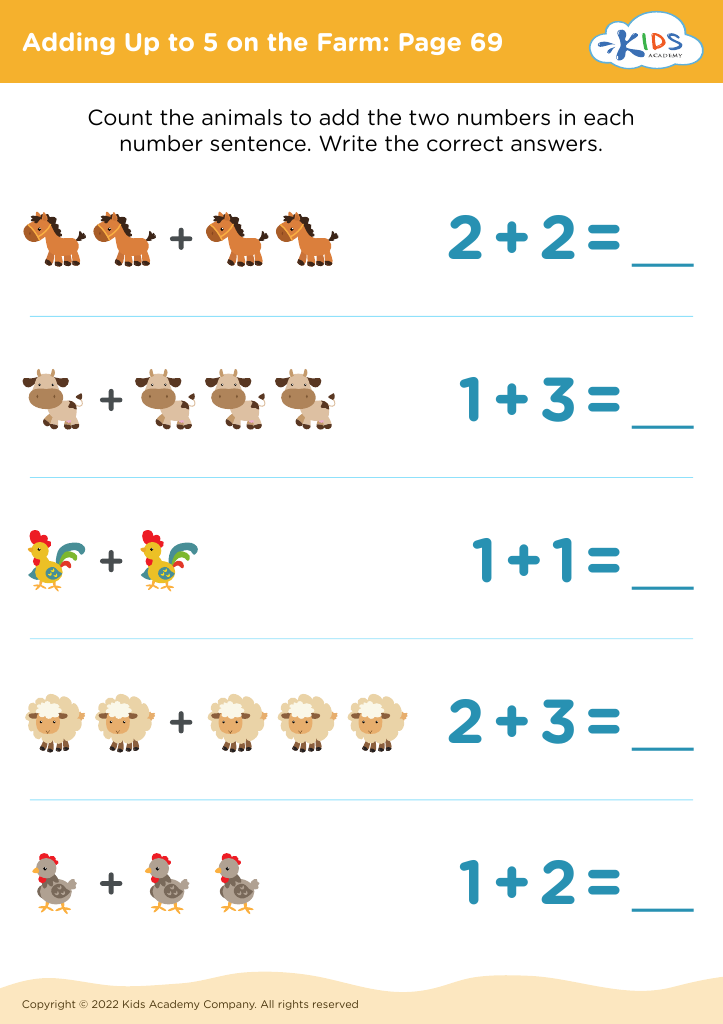
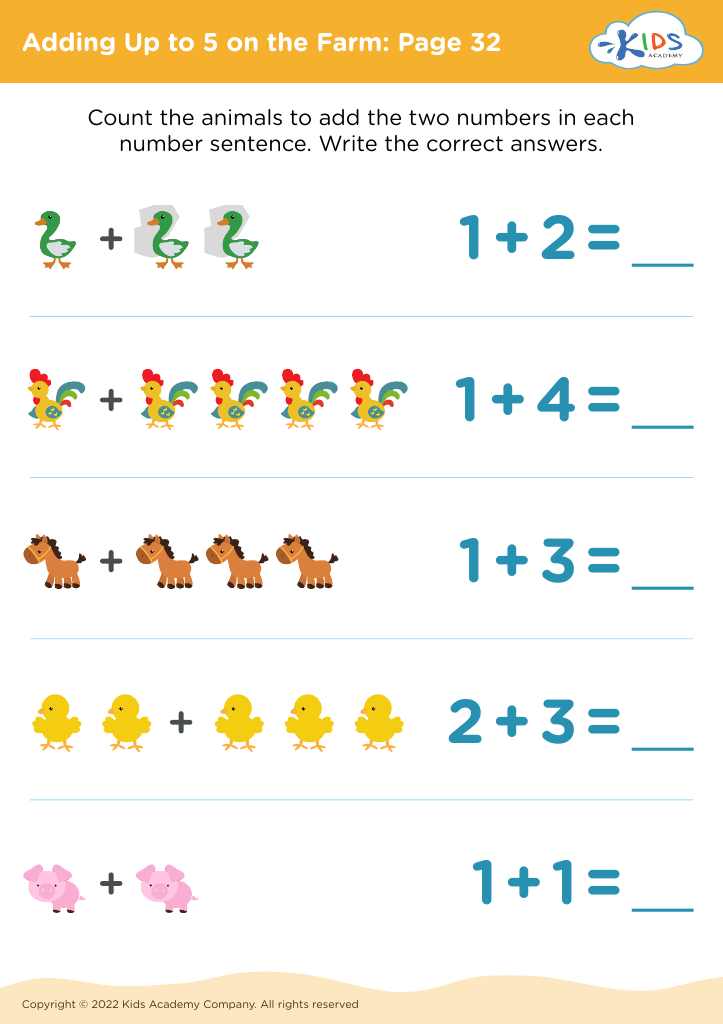
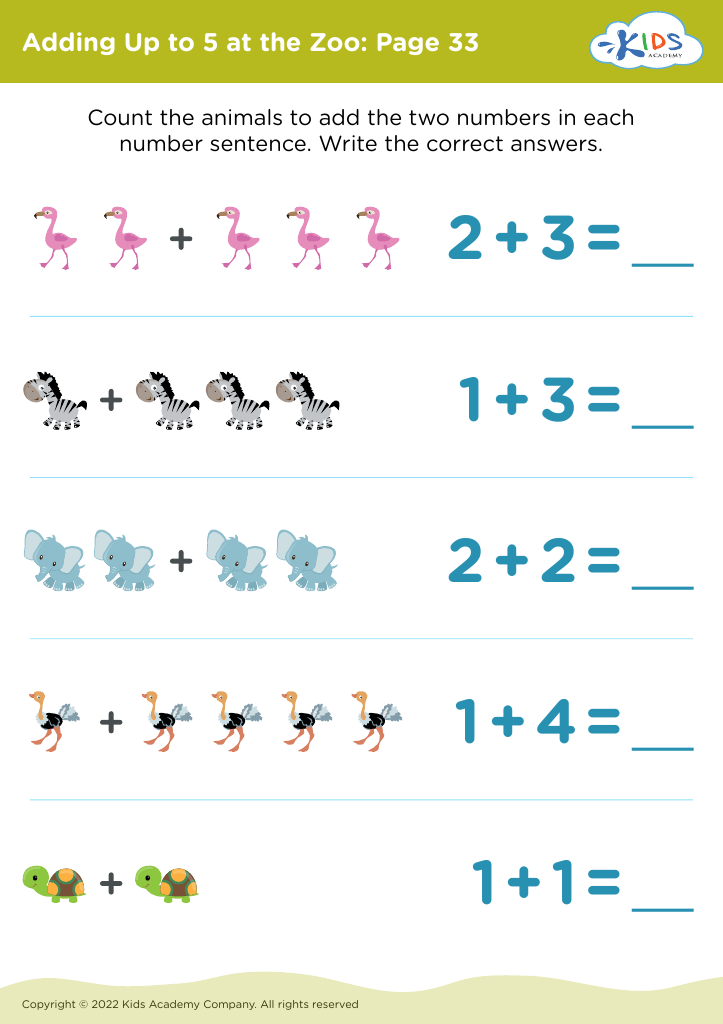
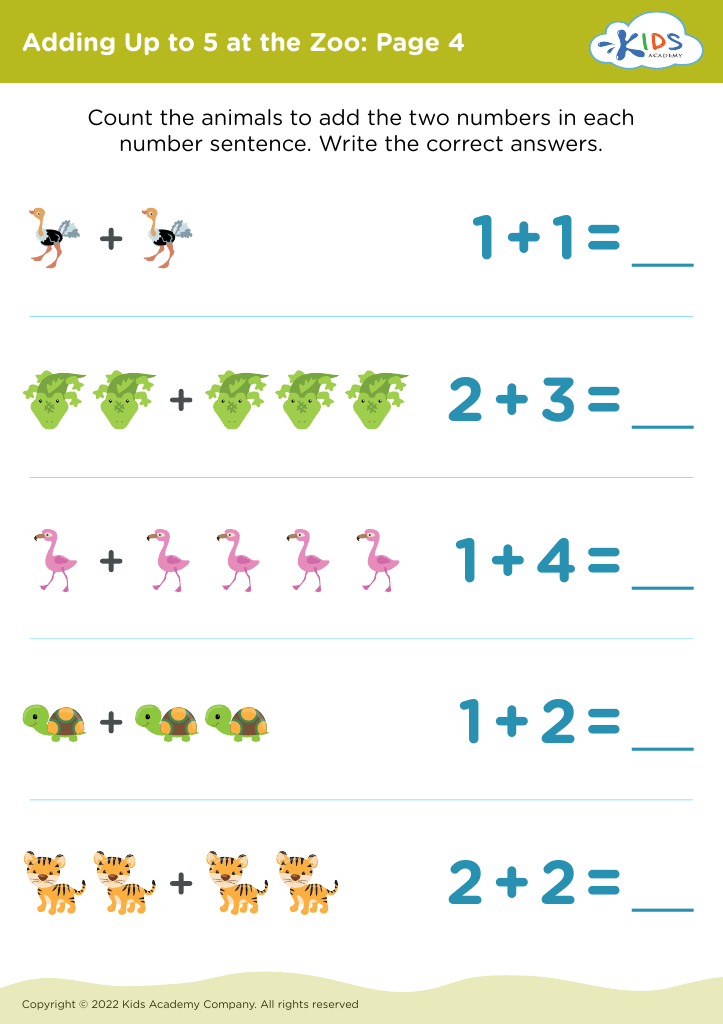







Counting practice in early math education is crucial for children aged 5-9, building the foundational skills necessary for more complex mathematical concepts. At this developmental stage, kids are highly receptive to learning mathematical constructs, making counting a pivotal aspect of their educational journey.
For one, counting helps children grasp the idea of number sequences, which is integral to understanding the more complicated concepts of addition, subtraction, and eventually multiplication and division. By practicing counting, children also enhance their number sense, allowing them to perceive the relationships between numbers, such as noting that ten is larger than six or breaking down numbers into parts (e.g., seeing that eight can be made with three and five).
Moreover, counting practice aids in developing other cognitive skills, such as attention to detail and fine motor skills, when children are counting objects and marking them off. Consistent counting practice reinforces memory retention and pattern recognition, both of which are essential academic skills beyond mathematics.
Counting is foundational in nurturing problem-solving capabilities and logical thinking, skill sets that are beneficial across all subjects and daily life scenarios. Parents and teachers who prioritize and incorporate counting practice into daily activities provide children with the confidence and competence to tackle more advanced math topics, setting a positive trajectory for lifelong learning.








