
Develop critical thinking Math Worksheets for Ages 5-9
13 filtered results
Difficulty Level
Grade
Age
-
From - To
Subject
Activity
Standards
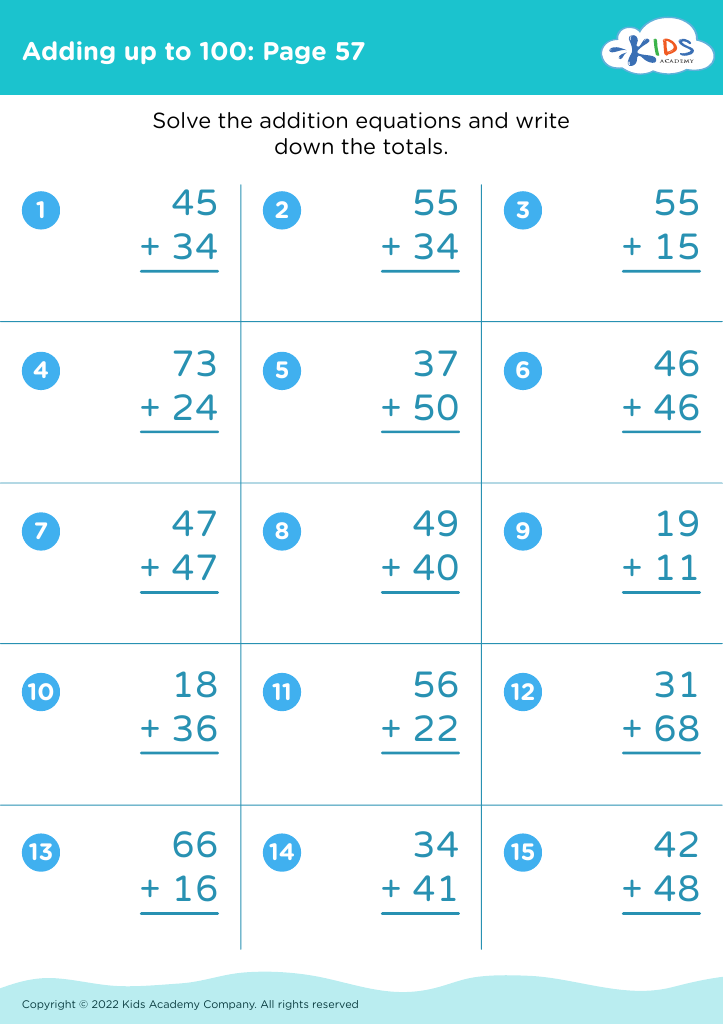
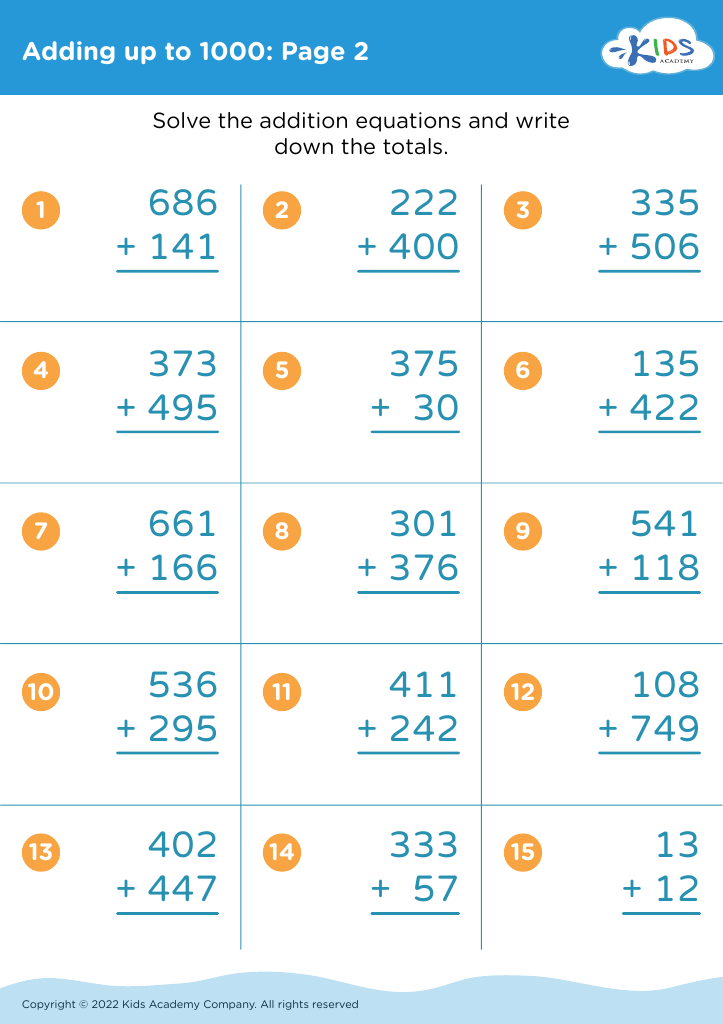
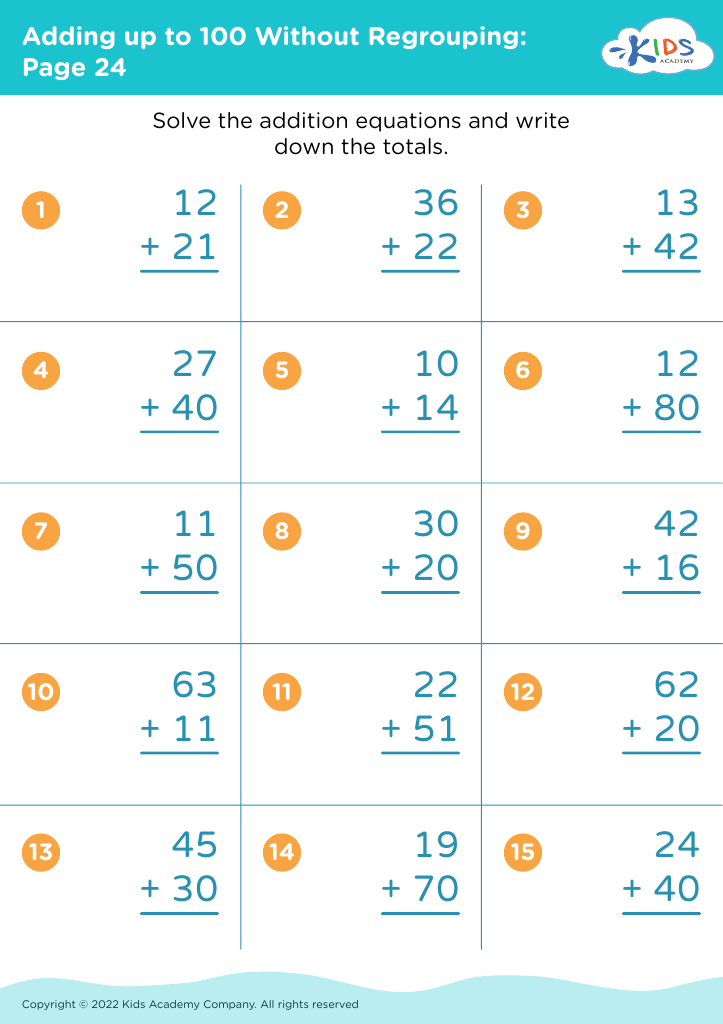
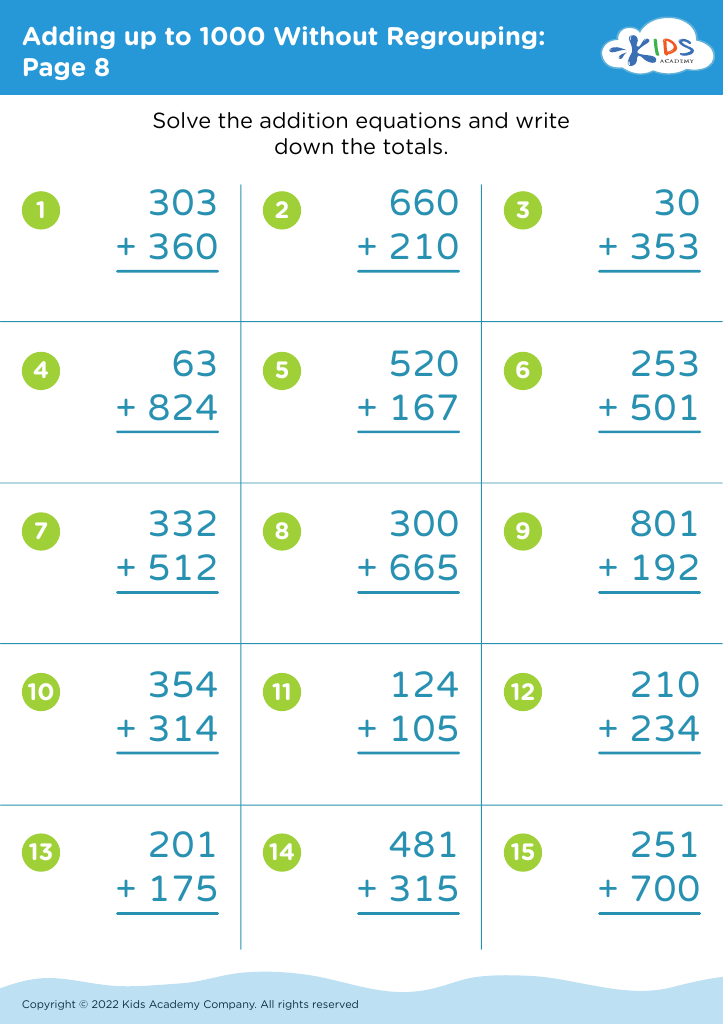
Help your child unlock the power of mathematics with our specially designed worksheets that focus on developing critical thinking skills for ages 5-9. Our engaging activities, featuring vibrant visuals and thought-provoking problems, aim to make learning fun and effective. Each worksheet encourages young learners to explore mathematical concepts, think analytically, and solve problems creatively. Perfect for both classroom and home use, these worksheets are crafted to cater to different learning styles and abilities, ensuring every child has the opportunity to excel. Foster your child's mathematical thinking and problem-solving prowess today with our comprehensive resources!
Favorites
With answer key
Interactive
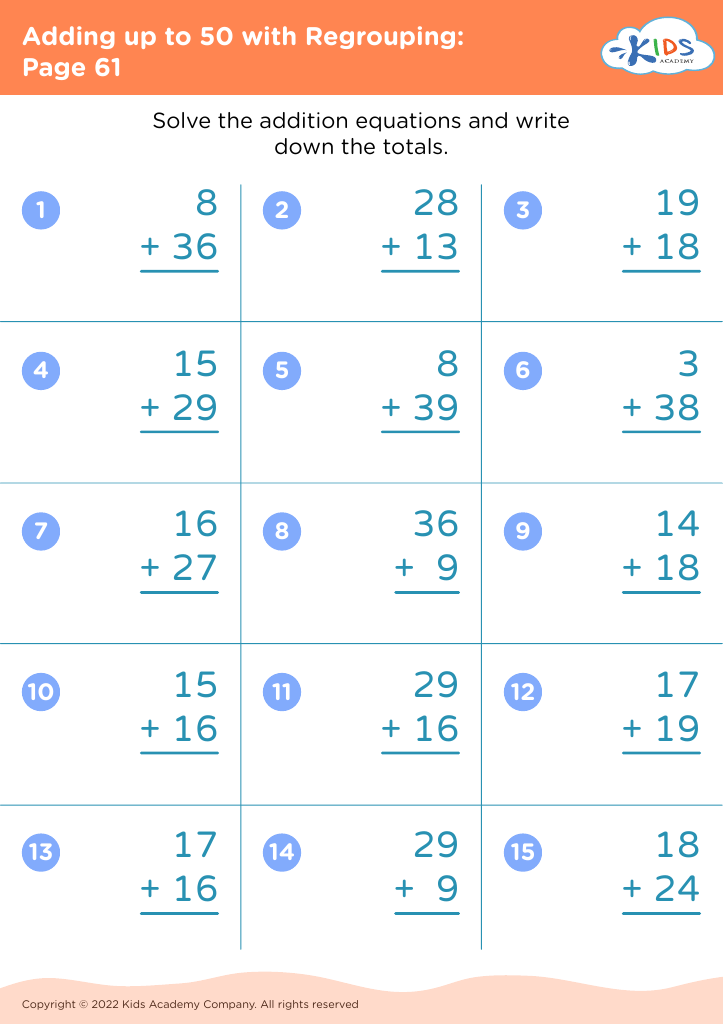
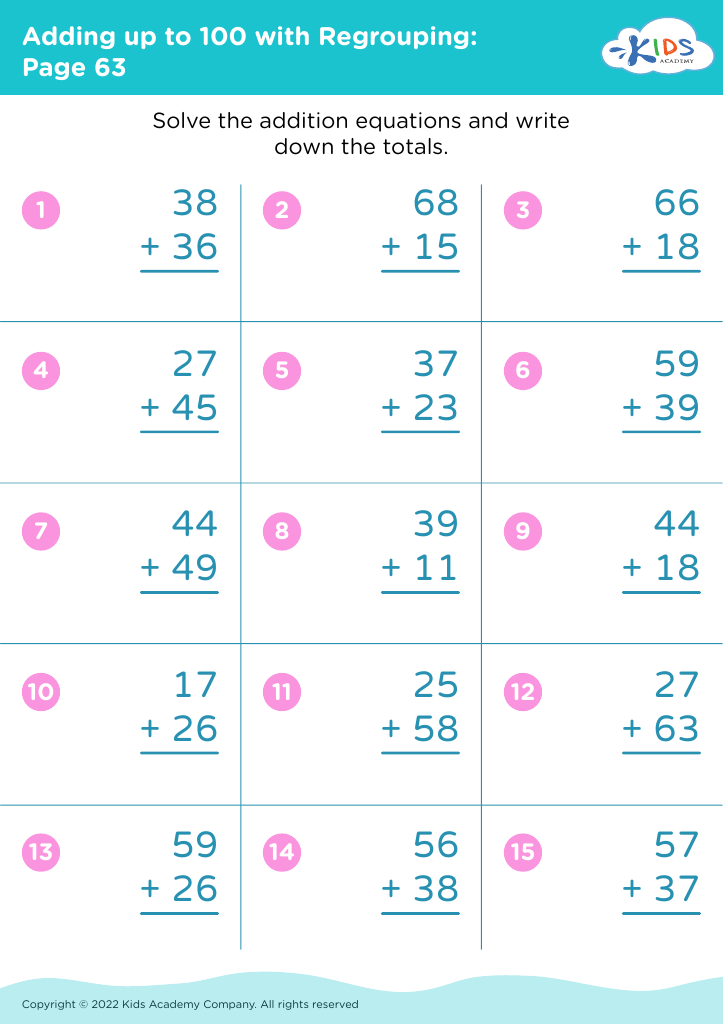
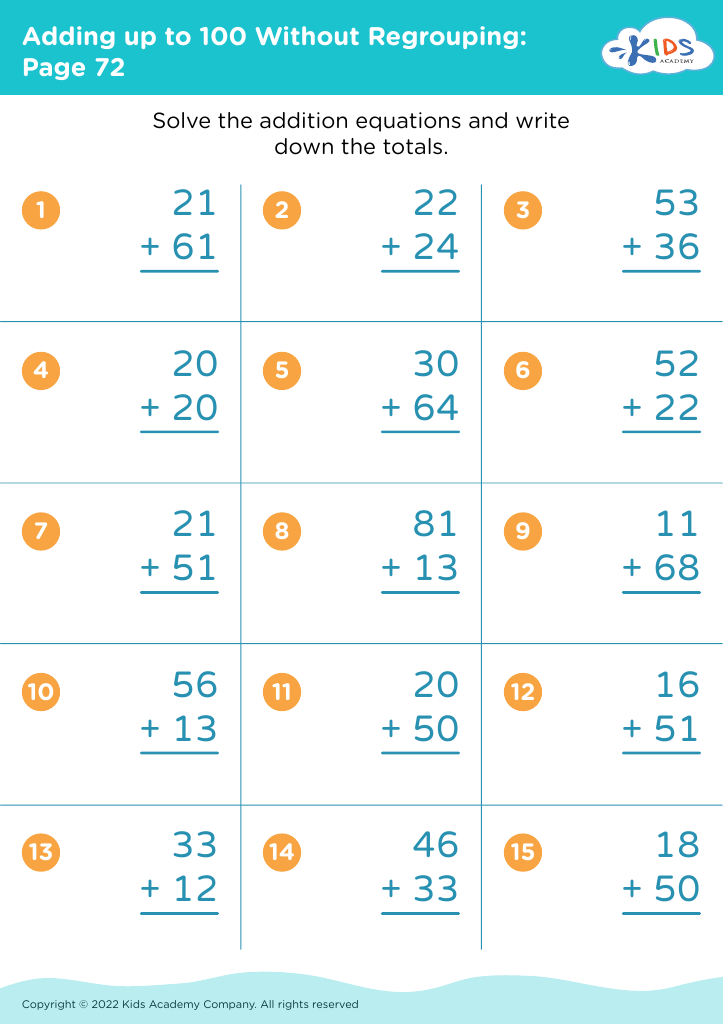
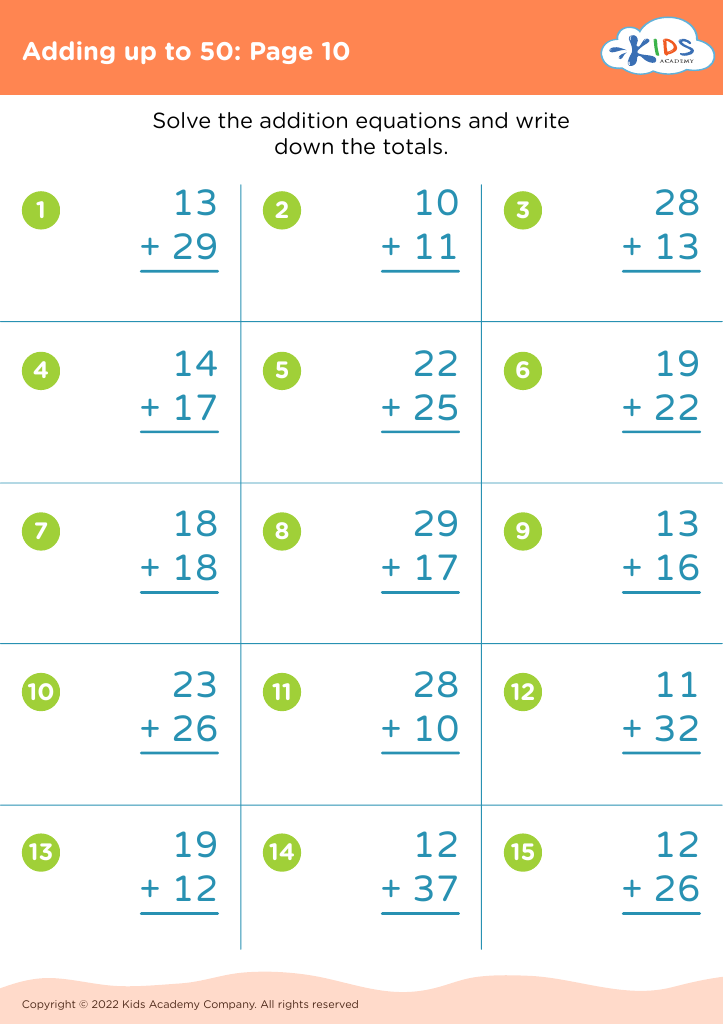
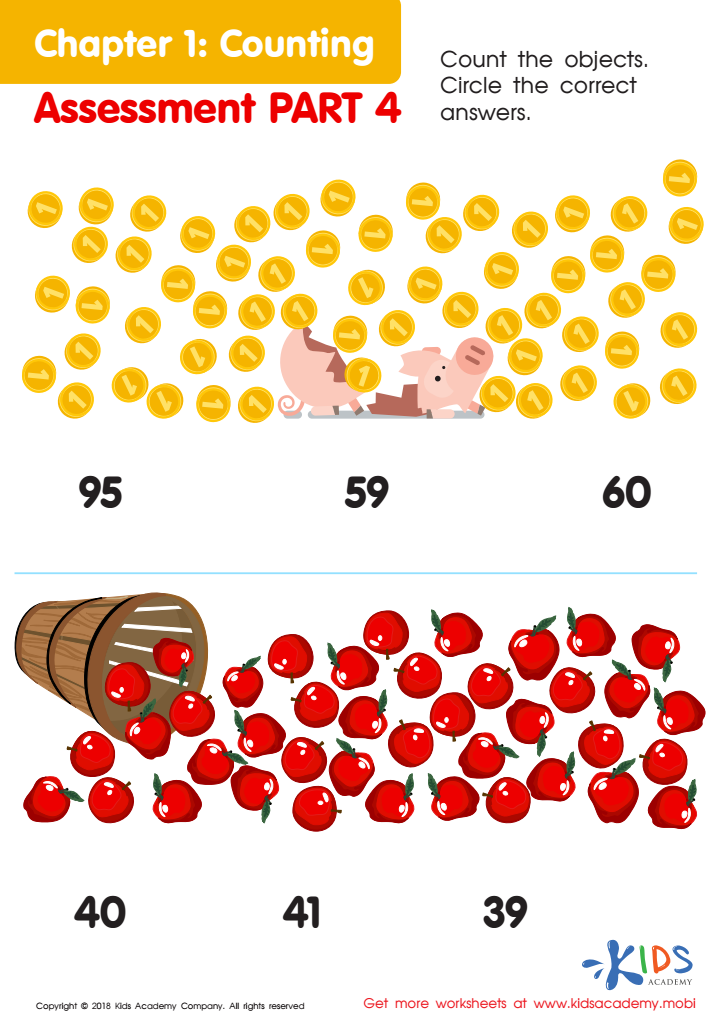
Counting: Assessment 4 Worksheet
Encourage your students to count objects in this colorful worksheet. Ask them to circle the correct answers from the options given. See how much their counting skills have improved with your guidance. Have fun!
 Assign to My Students
Counting: Assessment 4 Worksheet
Worksheet
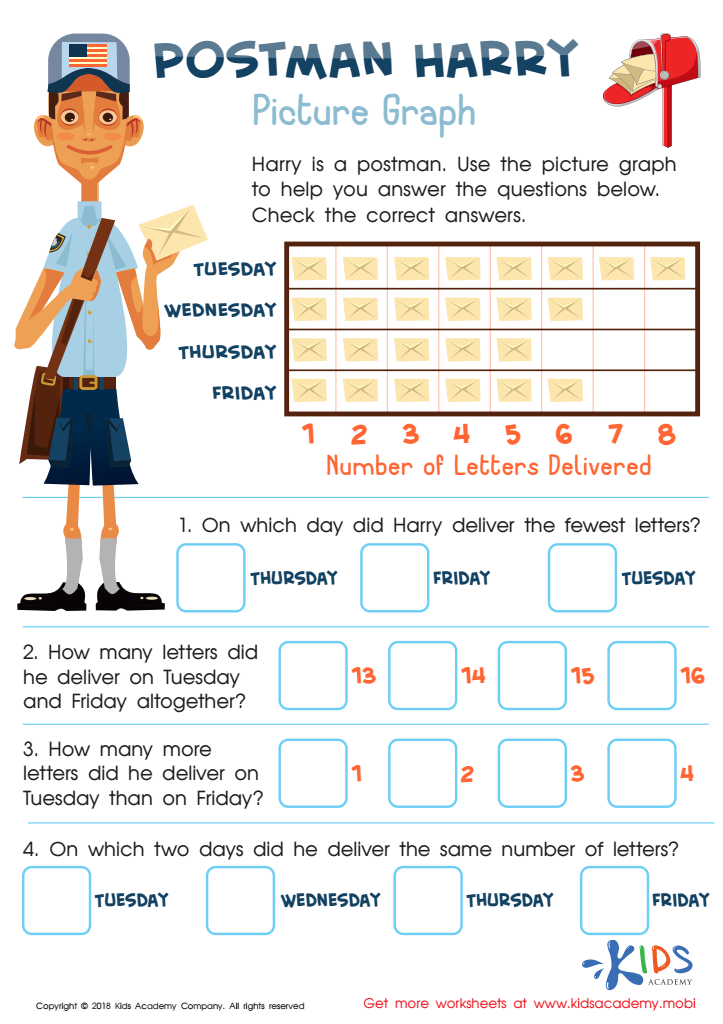
Postman Harry: Picture Graph Worksheet
Show your kids a picture of Harry the Postman and ask if they can identify his profession. Then, with this simple picture graph worksheet, help Harry out by having your kids answer the questions below the picture graph. It shows the number of letters he delivered, and on what day. Get your kids to use the picture graph to solve it.
Postman Harry: Picture Graph Worksheet
Worksheet
Join Kids Academy for Free
Who is primarily going to use this learning content?



.jpg)




Developing critical thinking in math for children aged 5-9 is crucial because it lays a robust foundation for abstract reasoning, problem-solving, and decision-making skills. At this formative stage, children's brains are incredibly receptive and can be molded to approach situations and challenges analytically. When parents and teachers focus on critical thinking in math, they encourage kids to understand concepts deeply rather than just memorizing rules and procedures. This comprehensive understanding fosters a love for learning and builds confidence.
Moreover, critical thinking in math enhances a child's ability to make connections between different ideas, which is a vital skill in all areas of life and education. It prepares them to tackle more complex subjects as they progress in their academic journey and equips them to think independently and creatively. Math becomes not just about numbers but about recognizing patterns, analyzing structures, and solving real-life problems.
Additionally, cultivating critical thinking from an early age can close achievement gaps. Children start developing higher-order thinking skills that are required for future success in both academic and professional settings. Therefore, for long-term academic achievement and personal growth, parents and teachers must emphasize the development of critical thinking in math during these crucial early years.








