Learning number patterns Math Worksheets for Ages 5-9
4 filtered results
-
From - To
Discover our engaging Learning Number Patterns Math Worksheets designed specifically for children aged 5-9. These carefully crafted resources enhance essential math skills, featuring fun and interactive activities that make learning enjoyable. Our worksheets focus on recognizing, extending, and creating number patterns, fostering critical thinking and problem-solving abilities in young learners. With vibrant illustrations and age-appropriate challenges, students will practice their counting, sequencing, and logical reasoning skills seamlessly. Perfect for both classroom settings and home practice, these worksheets adapt to various learning styles, ensuring every child develops a solid foundation in mathematics. Start your child's numerical journey with us today!
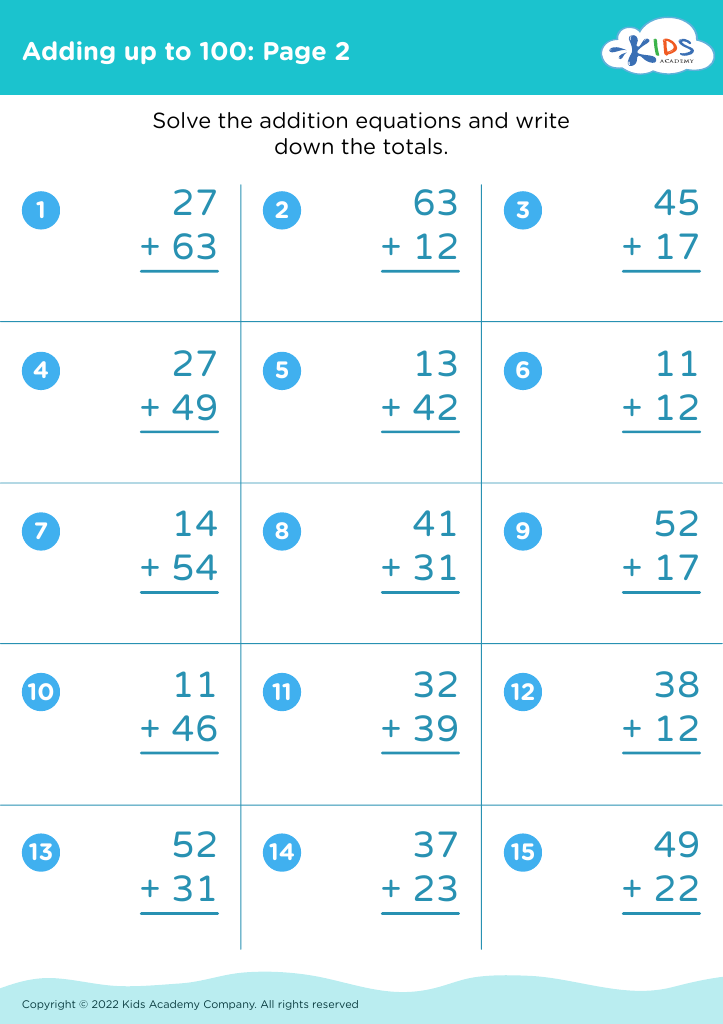
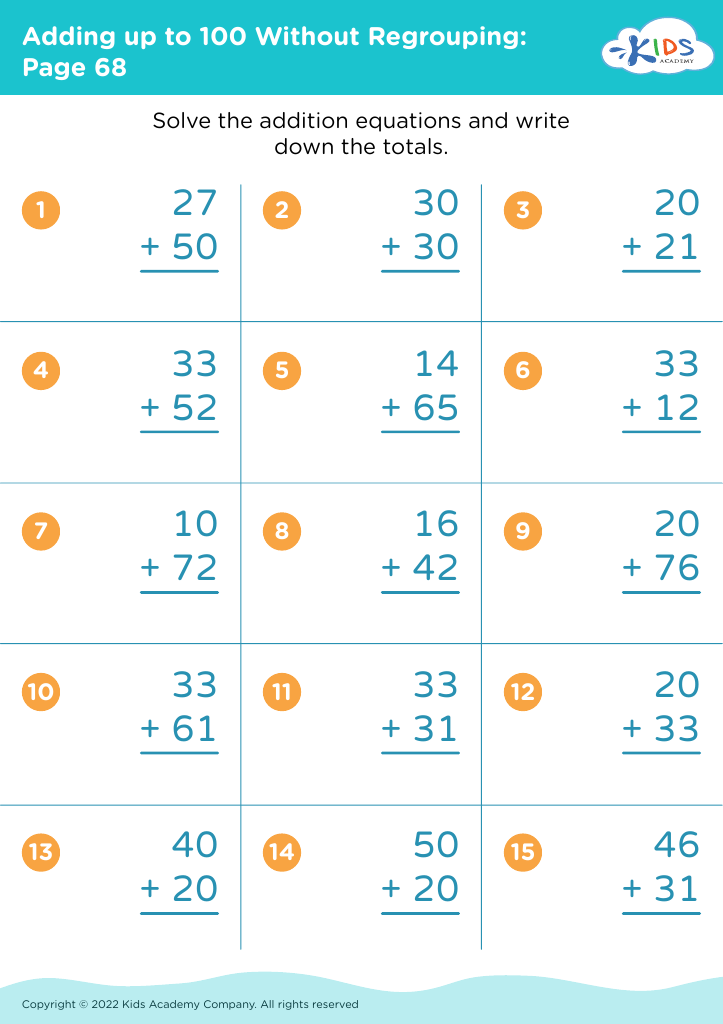
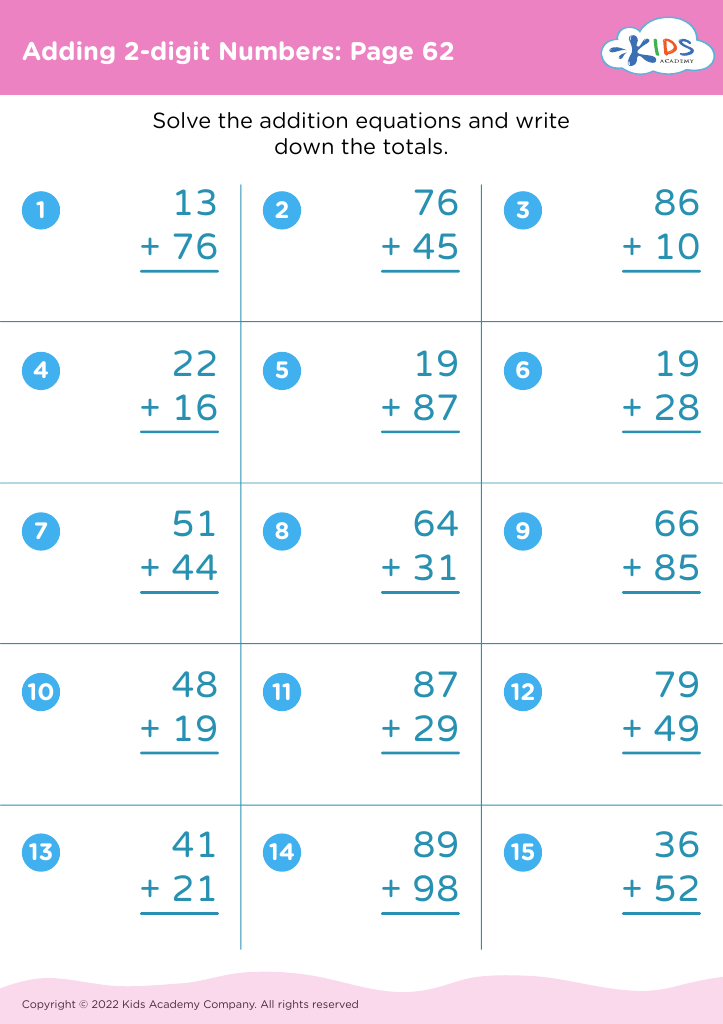
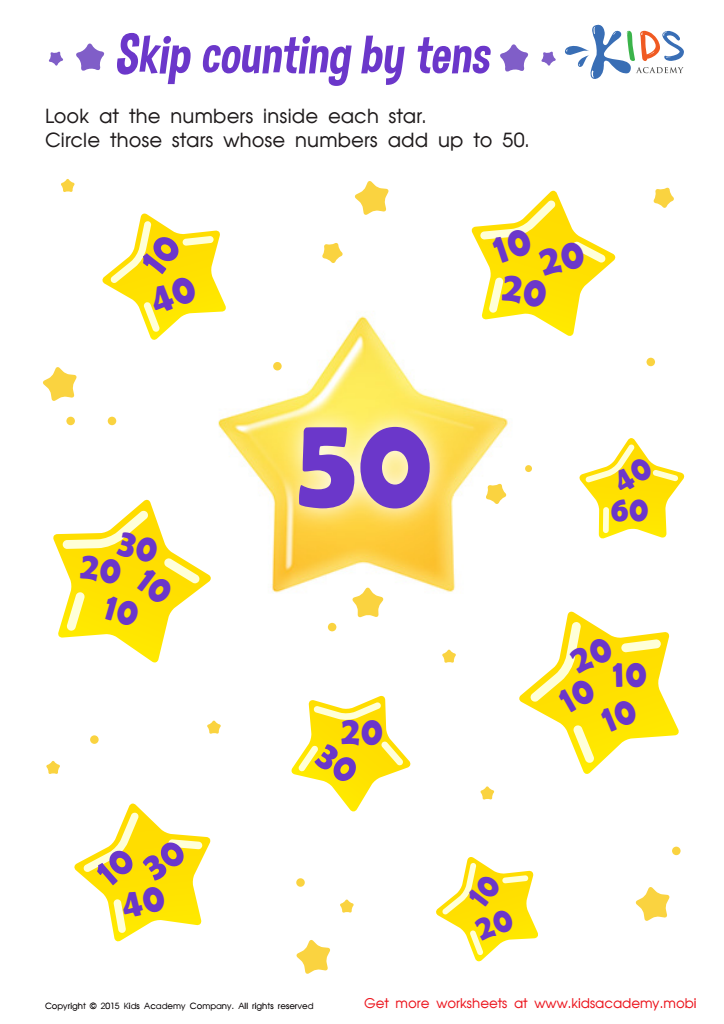
Learn Dozens: Skip Counting by Tens Printable
 Assign to My Students







Learning number patterns is crucial for children aged 5-9, as it lays a foundational understanding of mathematics and critical thinking skills. Recognizing patterns helps children make connections between numbers and enhances their ability to predict and solve problems. For parents and teachers, fostering this skill not only boosts mathematical proficiency, but also nurtures overall cognitive development.
Understanding number patterns cultivates logical reasoning and analytical skills, essential for tackling complex math concepts as children grow. For instance, recognizing simple sequences, such as counting by twos or fives, encourages children to identify relationships among numbers, paving the way for more advanced operations and concepts like addition and multiplication later on.
Furthermore, engaging children with number patterns can promote curiosity and enjoyment in learning. Fun activities such as games, puzzles, and creative exercises inspire a love for math that can last a lifetime.
Ultimately, by prioritizing number patterns in early education, parents and teachers contribute significantly to a child's confidence and competence in math, facilitating success in their academic journey. In fostering these skills, they equip children with the tools needed for future challenges both inside and outside the classroom.








