Number identification Math Worksheets for Ages 5-9
13 filtered results
-
From - To
Discover our engaging Number Identification Math Worksheets designed specifically for children aged 5-9! These worksheets provide a fun and interactive way for young learners to master number recognition and counting skills. With colorful illustrations and varied activities, students will enjoy identifying numbers through games, tracing, and visual exercises. Each worksheet is crafted to cater to different learning styles, ensuring every child gains confidence in their math abilities. Perfect for homeschoolers, educators, or parents looking to reinforce math concepts, our resourceful collection supports your child's educational journey and paves the way for future success in mathematics. Explore these invaluable tools today!
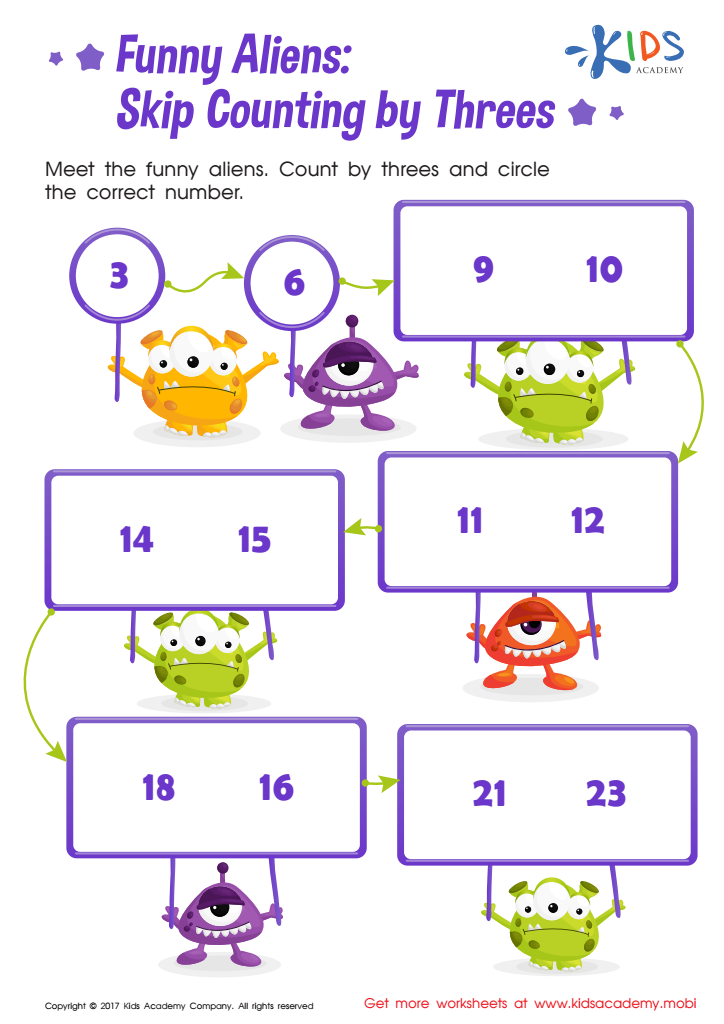
Skip Counting by 3s: Funny Aliens Printable
 Assign to My Students
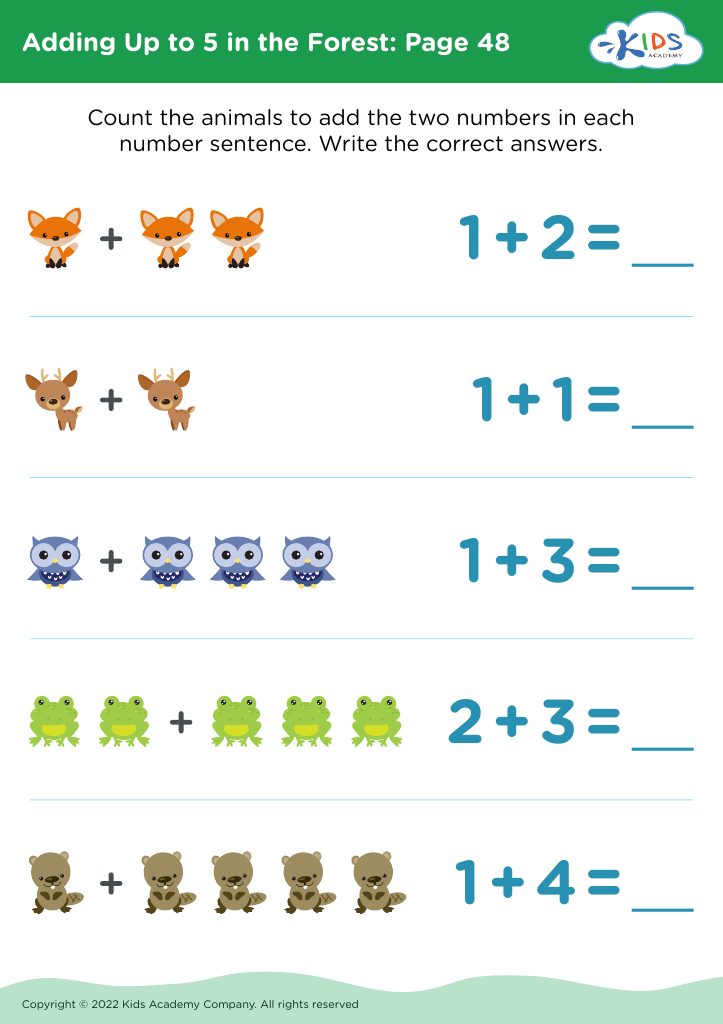
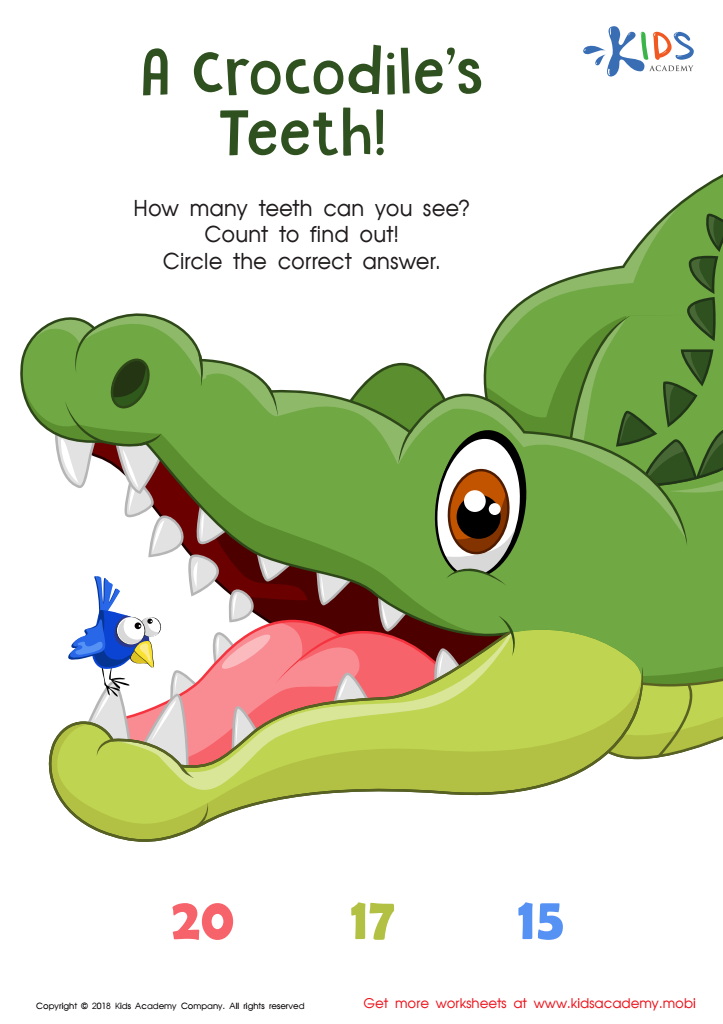
A Crocodile's Teeth Worksheet
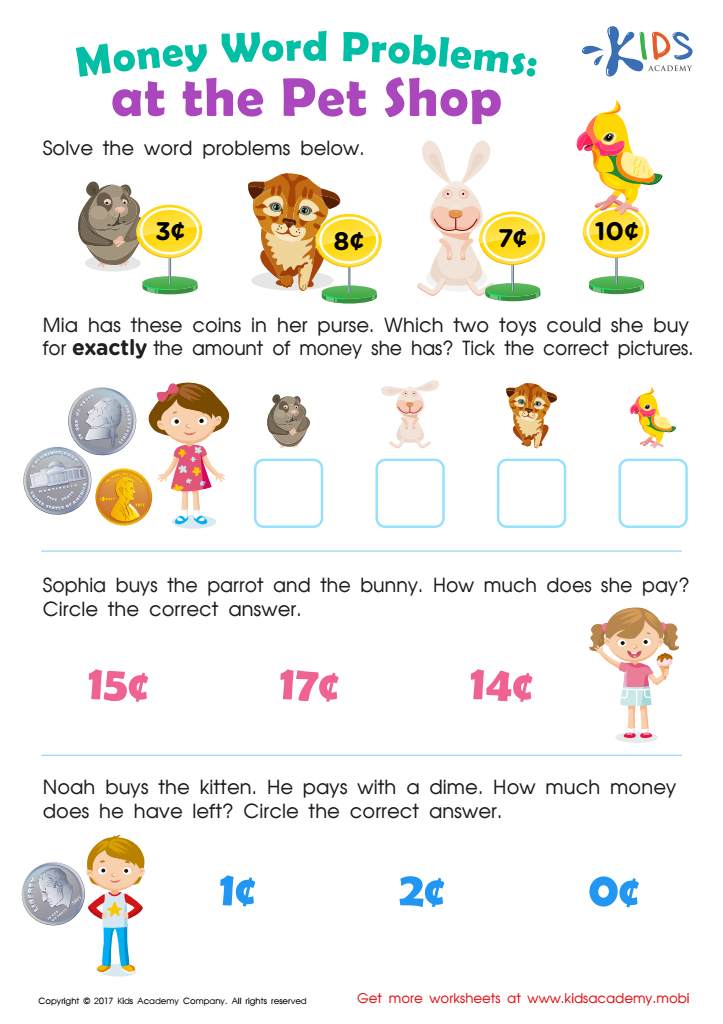
Pet Shop Worksheet
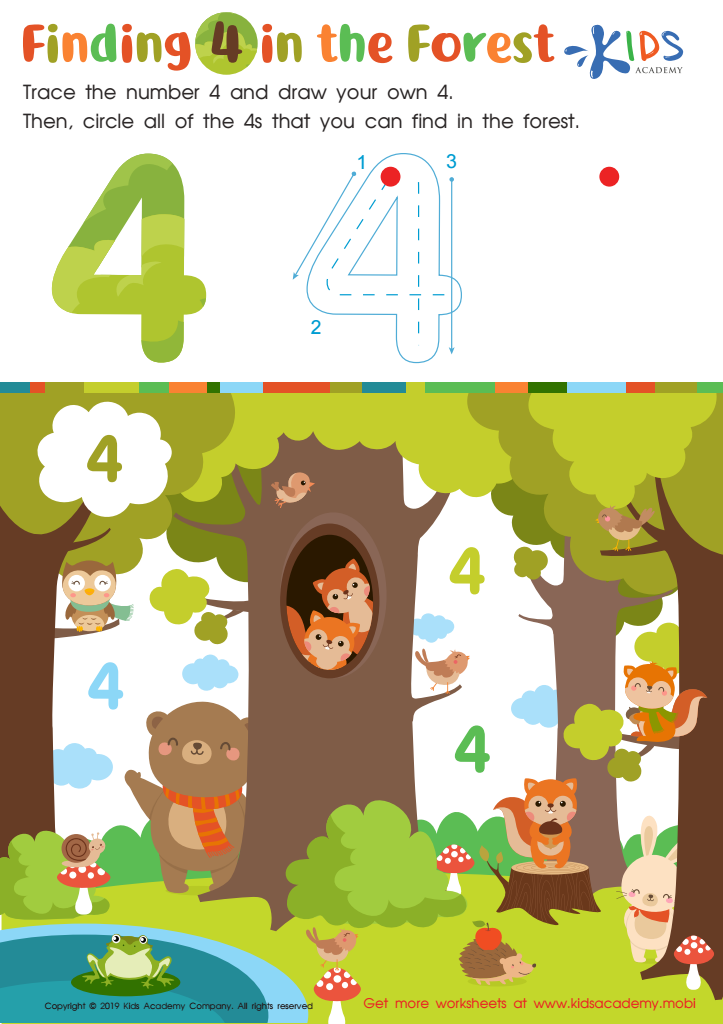
Finding 4 in the Forest Worksheet
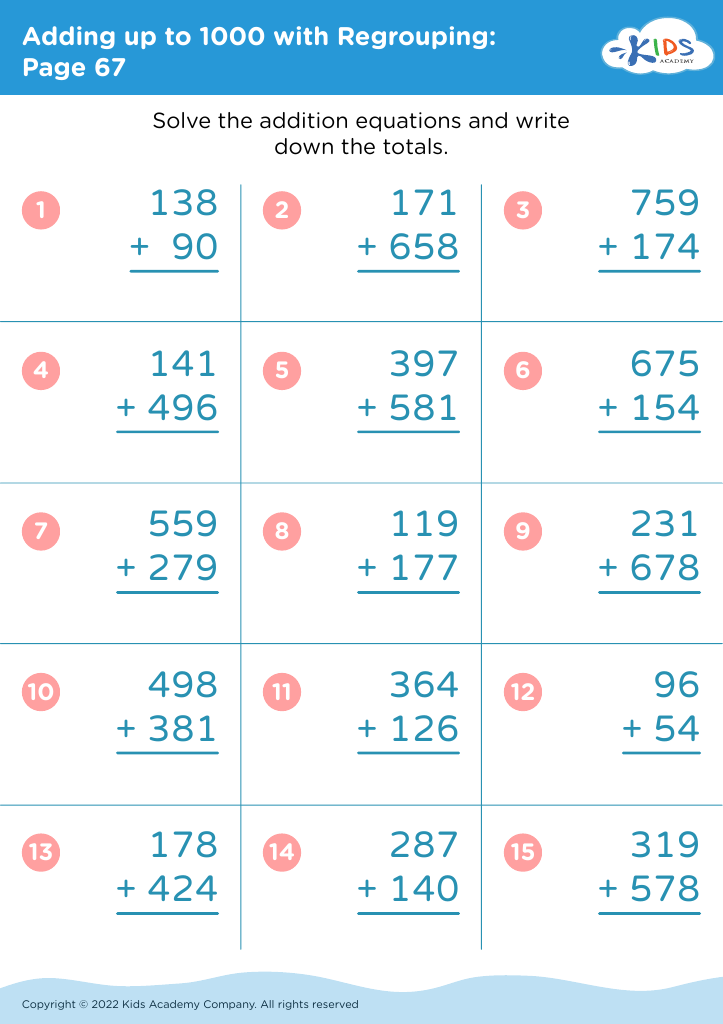
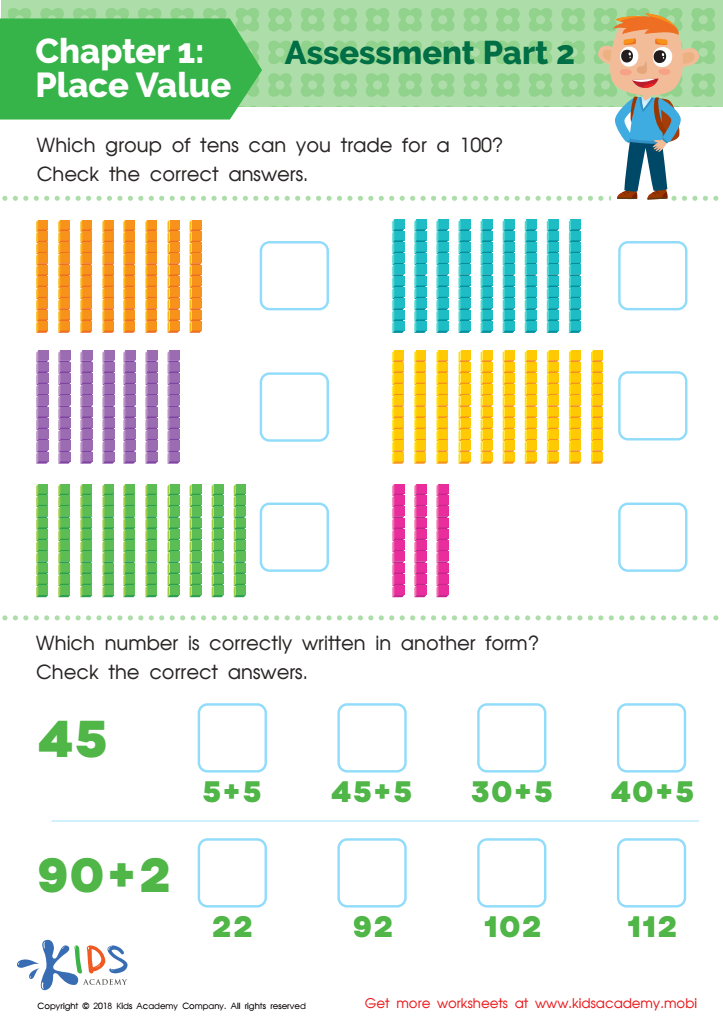
Place Value: Chapter 2 Worksheet
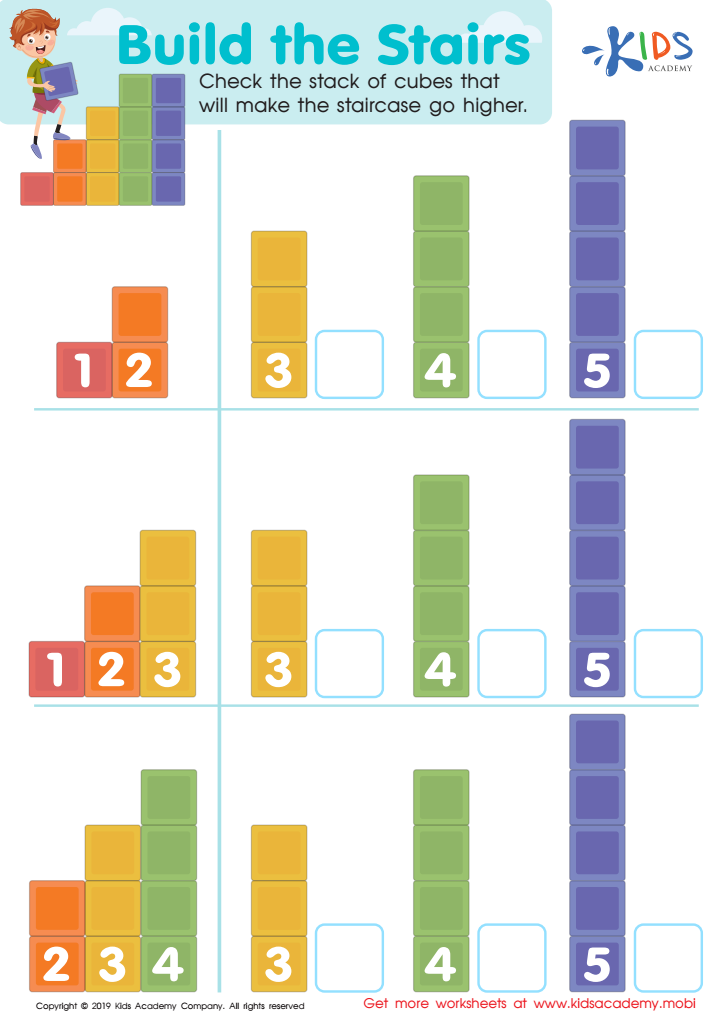
Build the Stairs Worksheet
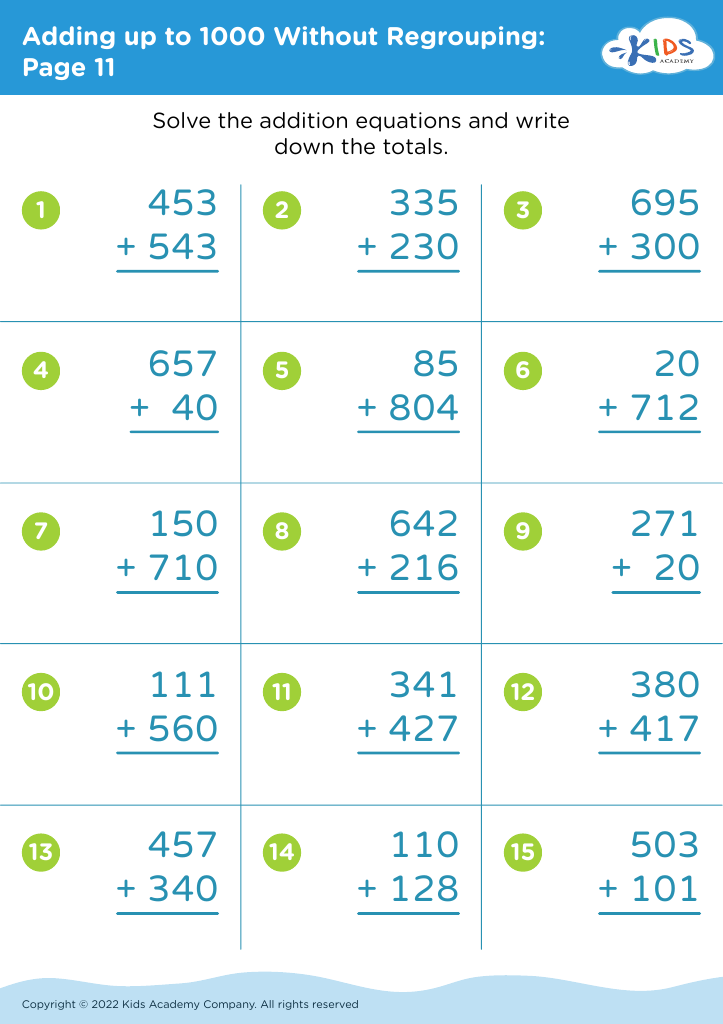
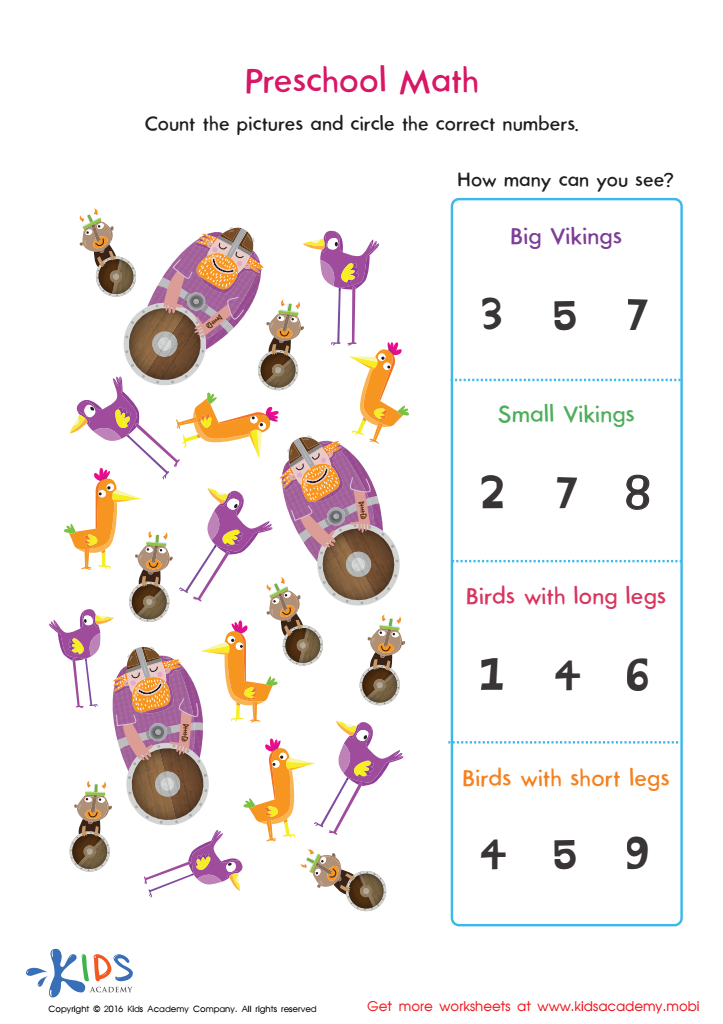
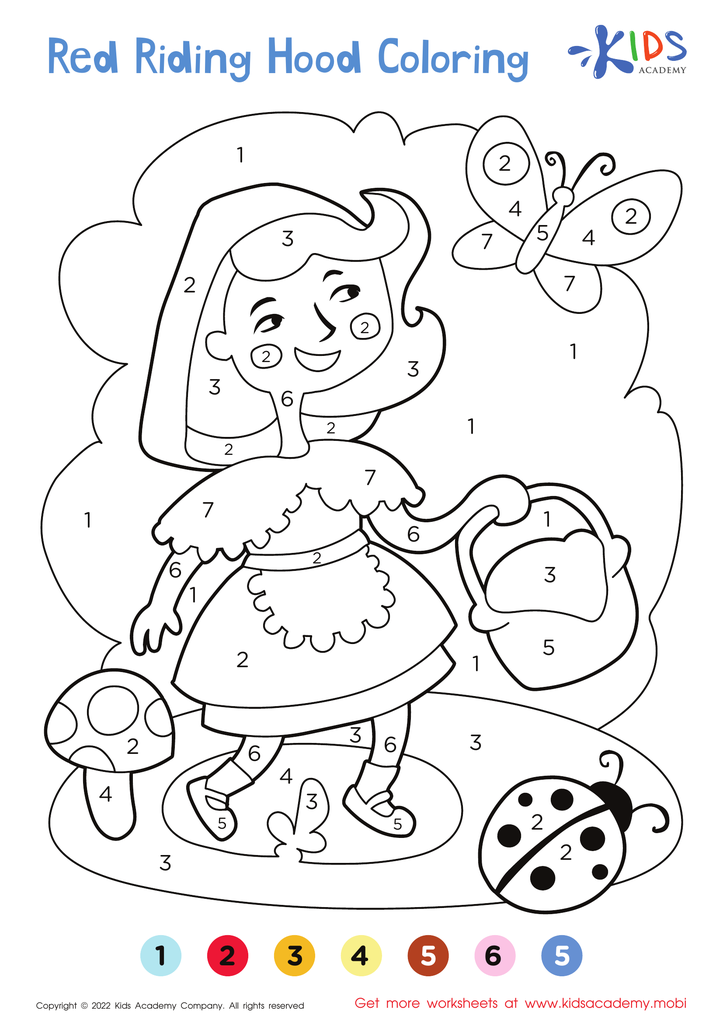
Little Red Riding Hood – Coloring by Numbers








Number identification is a fundamental skill for children ages 5-9, which serves as the building block for all future mathematical learning. For parents and teachers, fostering this skill is crucial for several reasons.
Firstly, early number identification helps children develop a strong sense of numeracy, allowing them to understand the relationship between numbers, counting, and quantity. This foundational knowledge is essential as it leads to more complex mathematical concepts, such as addition and subtraction, that children will encounter in later grades.
Moreover, engaging with number identification promotes cognitive development. It encourages problem-solving skills, critical thinking, and enhances working memory. These skills extend beyond mathematics, benefiting overall academic performance.
Additionally, number recognition intertwines with everyday life, aiding children in practical situations such as shopping, telling time, and keeping track of scores in games, making learning relevant and interesting.
By supporting number identification, parents and teachers can boost a child's self-confidence in math, reducing anxiety associated with the subject as they progress. Ultimately, investing time in early number identification paves the way for a child’s long-term success in mathematics and increases their enthusiasm for learning. Therefore, both parents and teachers play a key role in nurturing these essential skills during this formative age.








