Observational skills Math Worksheets for Ages 5-9
11 filtered results
-
From - To
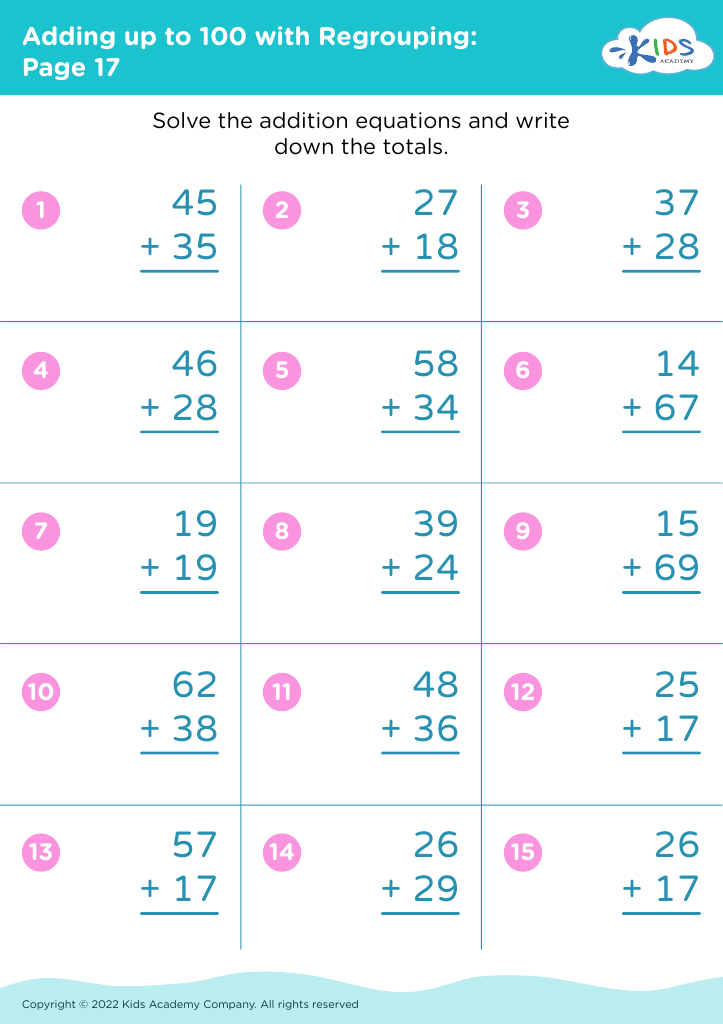
Boost your child's mathematical foundation with our engaging Observational Skills Math Worksheets for Ages 5-9. Designed to enhance essential learning skills, these fun and educational worksheets help young learners develop sharp observational abilities important for math success. Activities include pattern recognition, spot-the-difference puzzles, and picture comparisons, fostering attention to detail and critical thinking. Perfect for both classroom and at-home practice, these printable worksheets provide an enjoyable way to strengthen your child’s math skills and confidence. Explore our wide range of expertly crafted resources that turn learning into an exciting adventure!
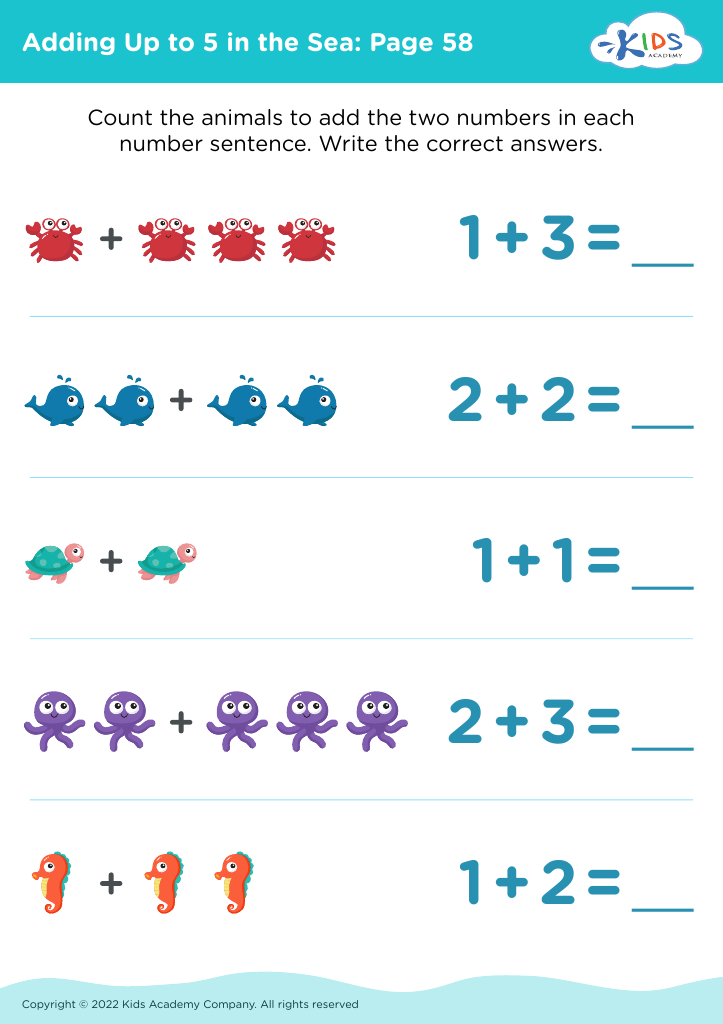
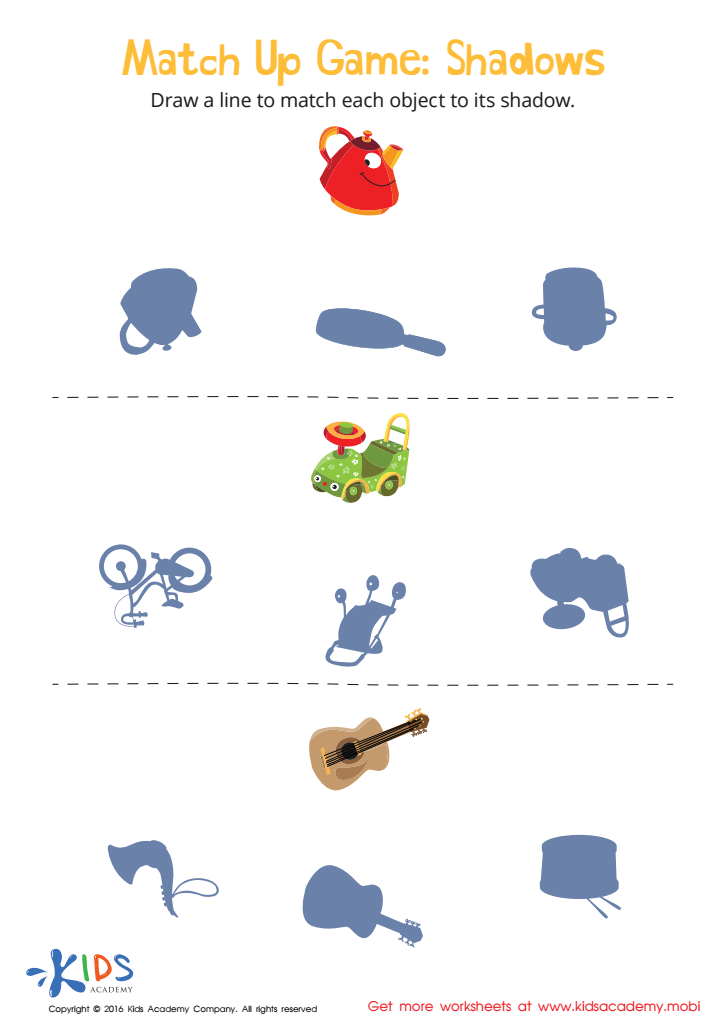
 Assign to My Students
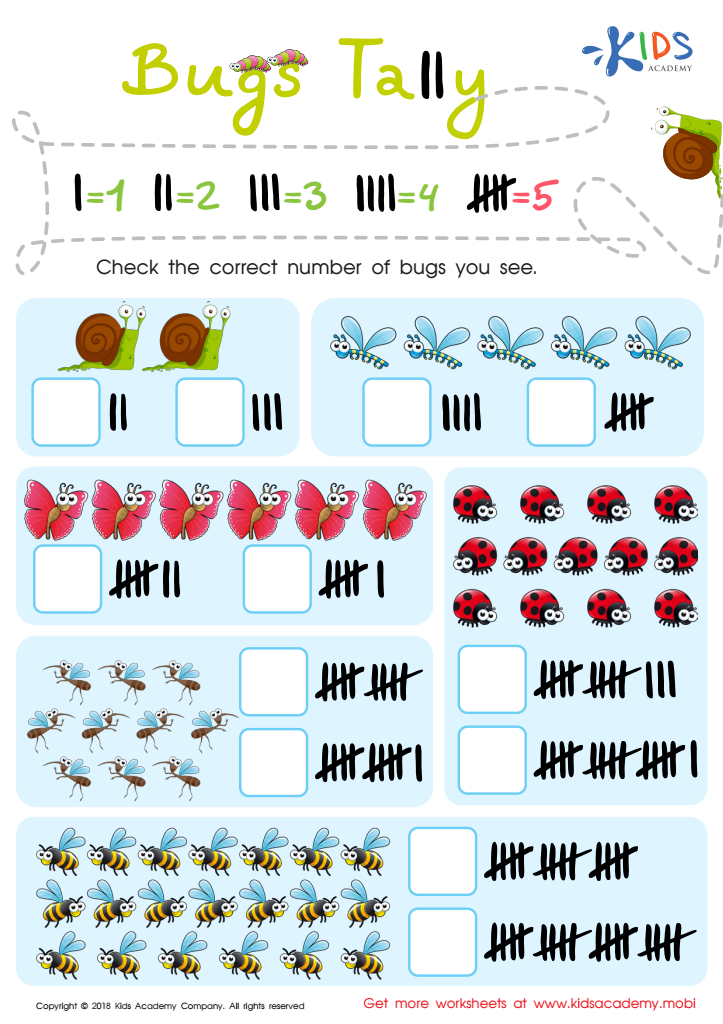
Bugs Tally Worksheet
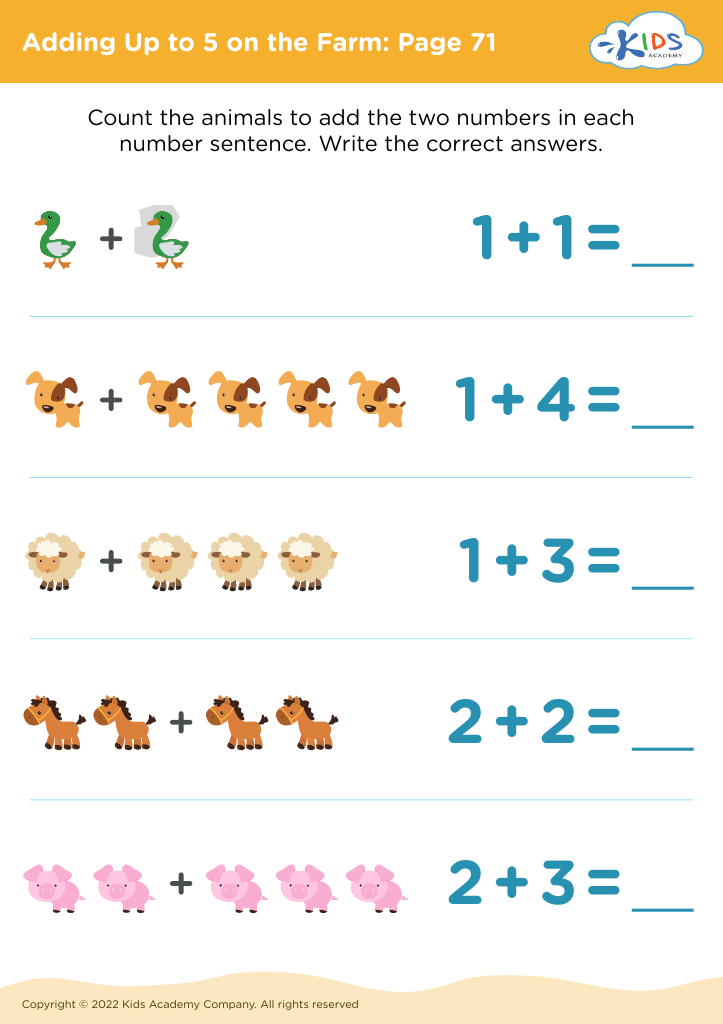
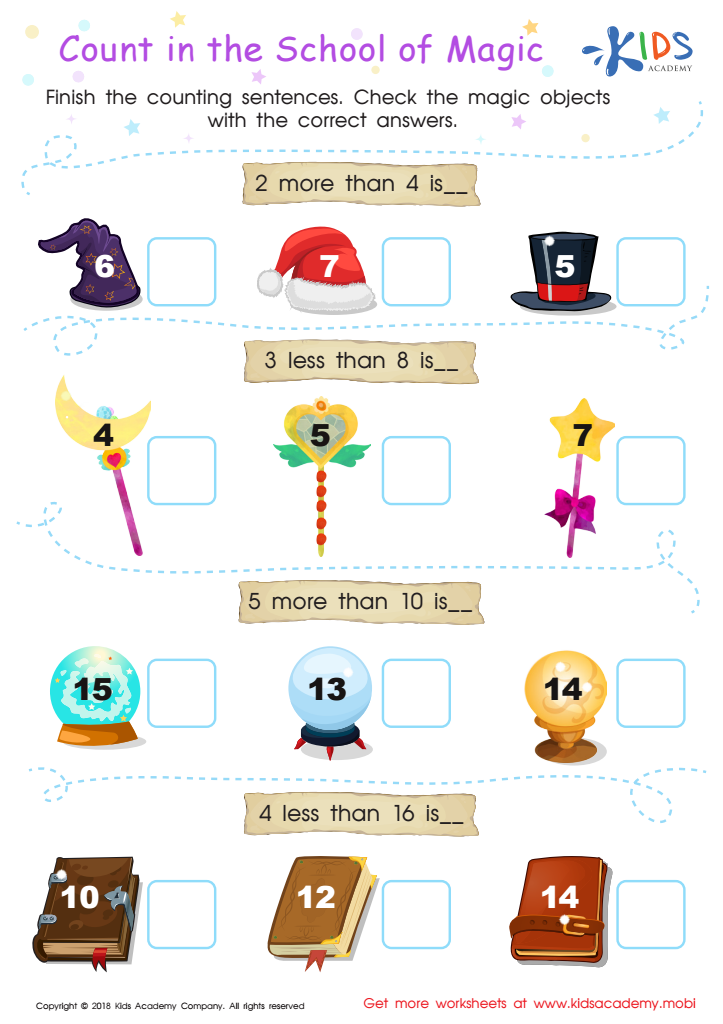
Count in the School of Magic Worksheet
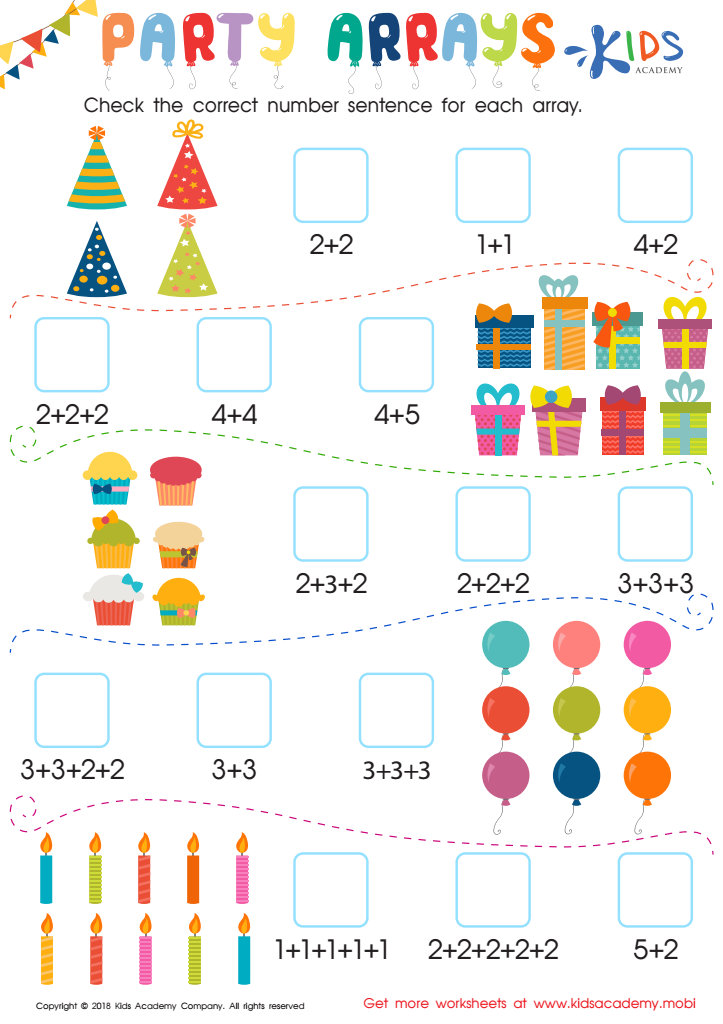
Party Arrays Worksheet
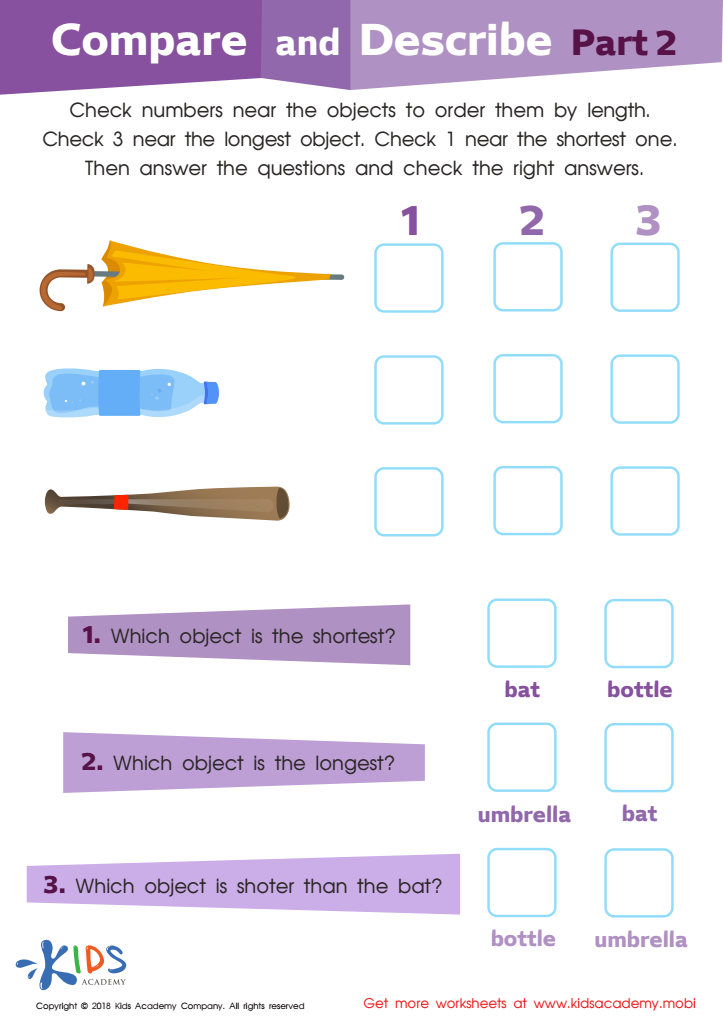
Compare and Describe: Part 2 Worksheet
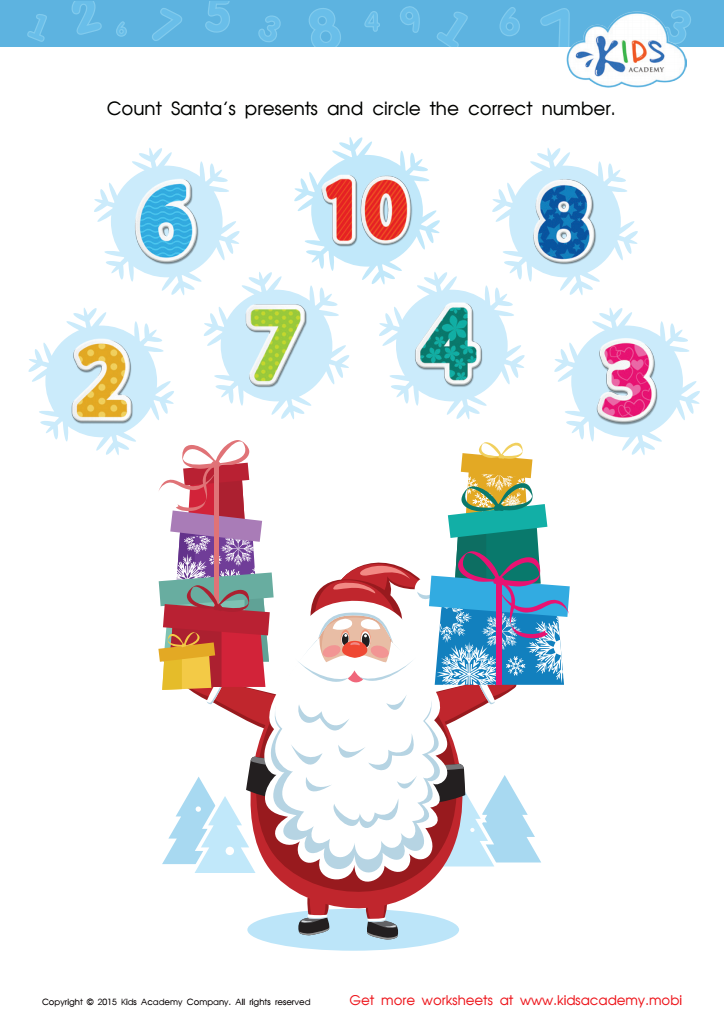
Count Santa's Presents Worksheet
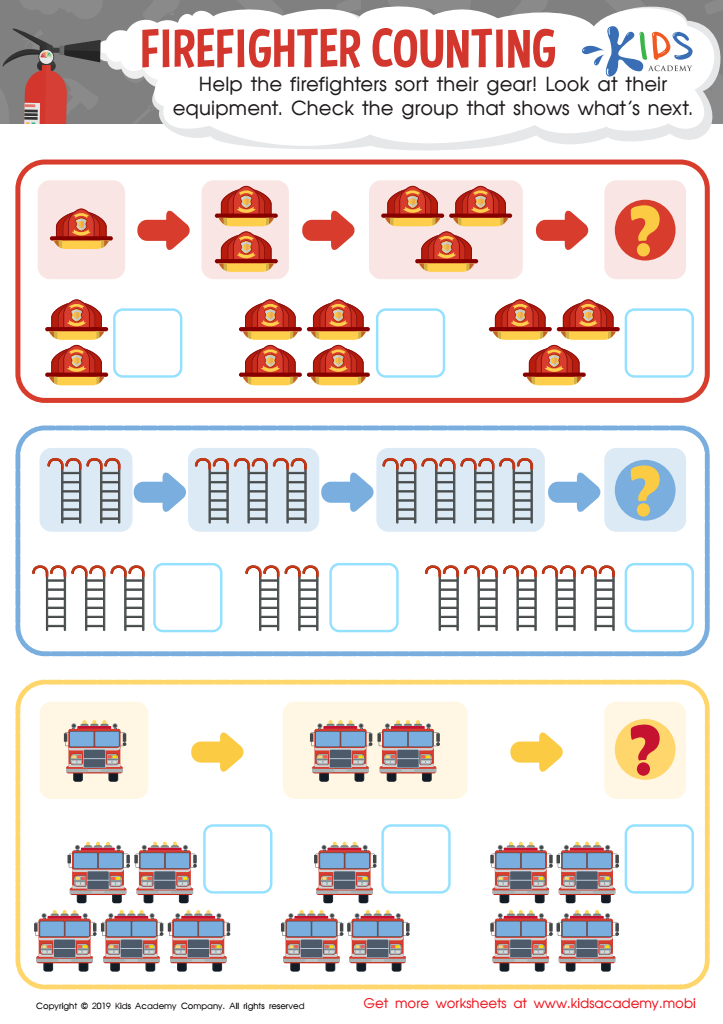
Firefighter Counting Worksheet








Observational skills in math for children aged 5-9 are essential as they lay the foundation for future academic success and everyday problem-solving. At this developmental stage, kids are naturally curious and have an inherent ability to notice details in their surroundings. By honing these skills, children not only learn to recognize patterns and relationships in numbers and shapes, but they also cultivate analytical thinking and logical reasoning.
For parents and teachers, fostering observational skills can significantly impact a child's ability to grasp fundamental mathematical concepts such as counting, sorting, and comparing. These foundational skills are critical for understanding more complex topics like addition, subtraction, and geometry. Educators and parents can encourage activities like grouping objects, playing with puzzles, or even nature walks that focus on identifying shapes and patterns. These activities seamlessly integrate learning with play, making mathematics a relatable and enjoyable subject.
Moreover, strong observational skills enhance cognitive development, improving attention to detail and the ability to focus. This can also help children in other areas of study and everyday tasks, fostering an all-around intellectual growth. In essence, prioritizing these skills early sets the stage for a lifelong appreciation and understanding of mathematics, leading to better academic outcomes and more adept problem-solving abilities.








