Understanding equality Math Worksheets for Ages 5-9
7 filtered results
-
From - To
Welcome to our "Understanding Equality" Math Worksheets for Ages 5-9! These engaging and colorful worksheets are designed to help young learners grasp the concept of equality through fun and interactive activities. Students will explore balance and fairness in math by practicing equations, comparing numbers, and solving problems that promote critical thinking and reasoning skills. With a variety of exercises tailored to different learning styles, children will build confidence as they discover the foundational principles of addition and subtraction. Ideal for parents and educators alike, these worksheets provide a valuable resource for reinforcing essential math skills in a playful, stimulating way!
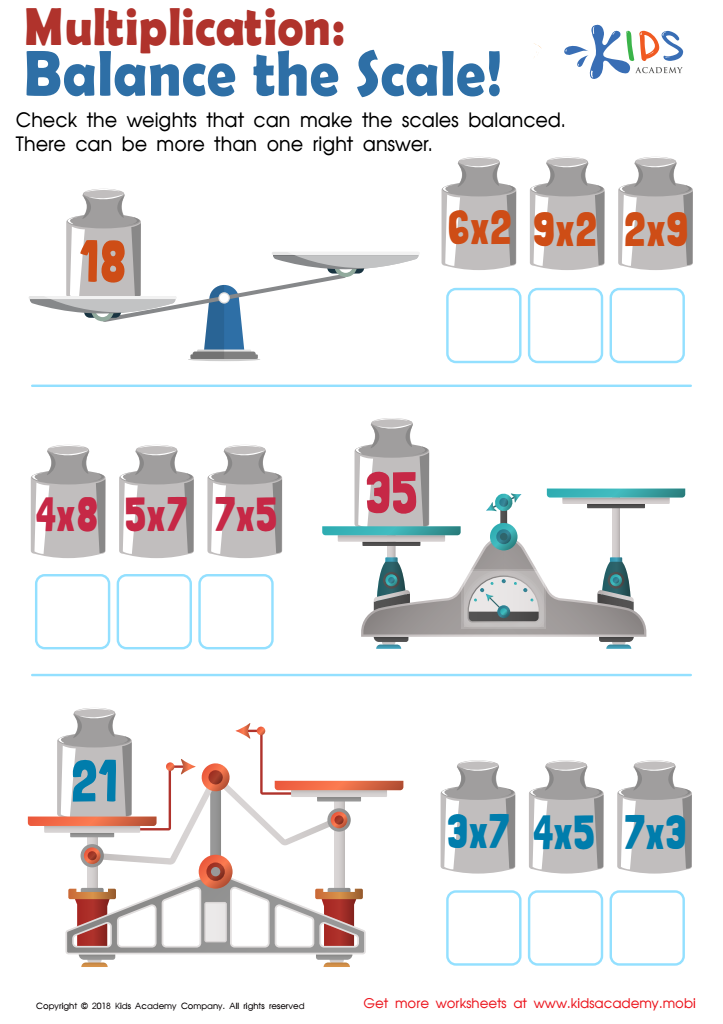
Balance the Scales Multiplication Worksheet
 Assign to My Students
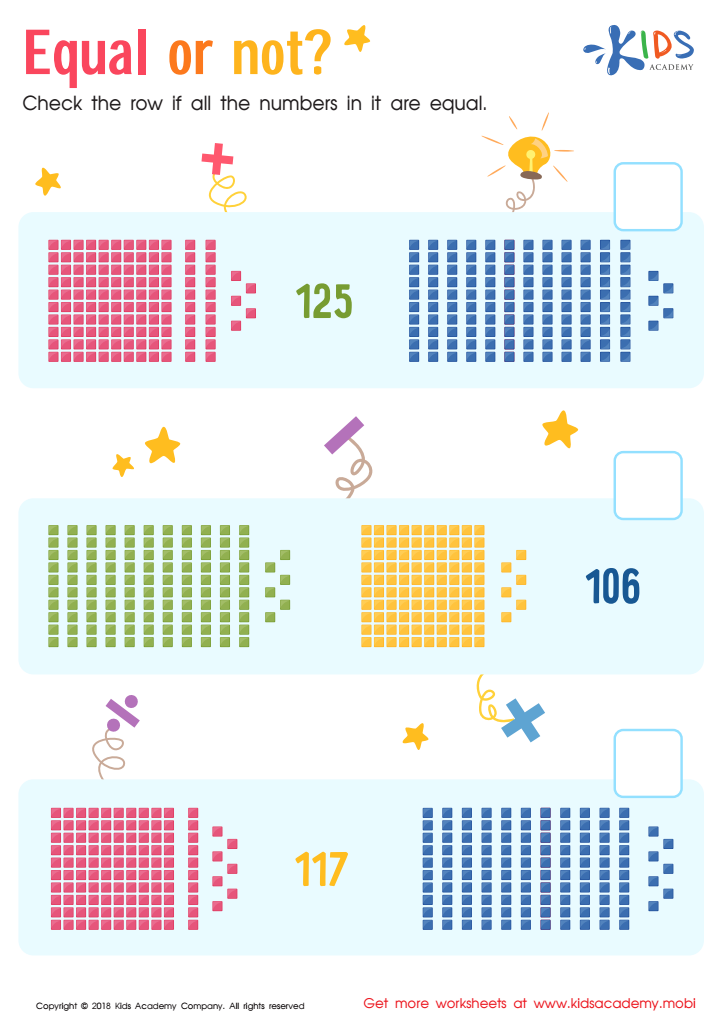
Equal or not Worksheet
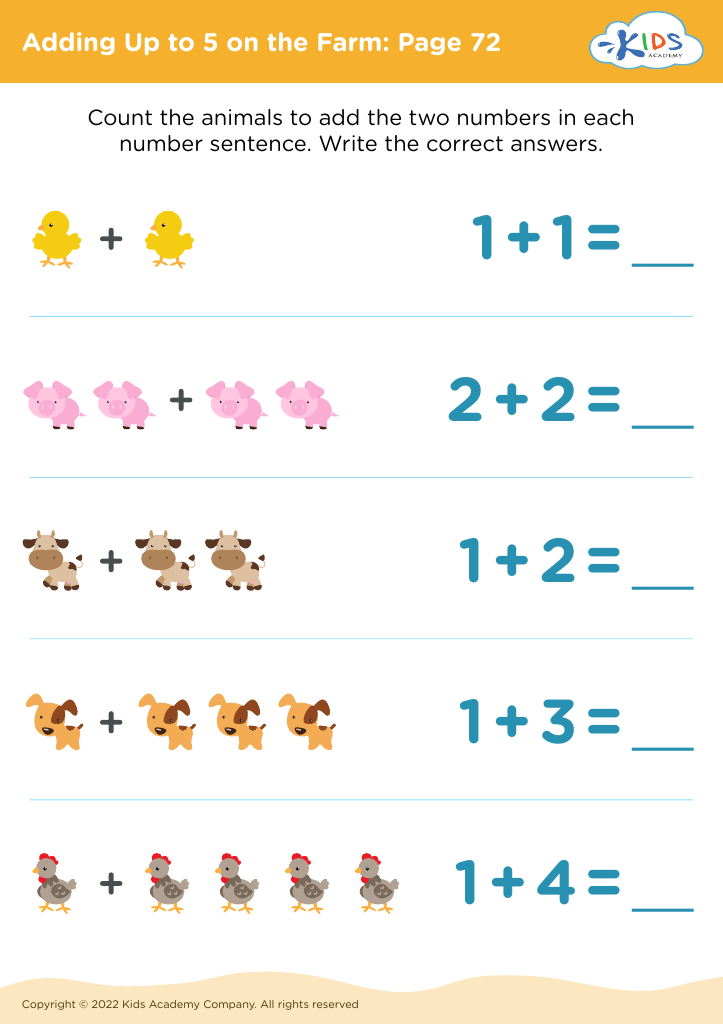
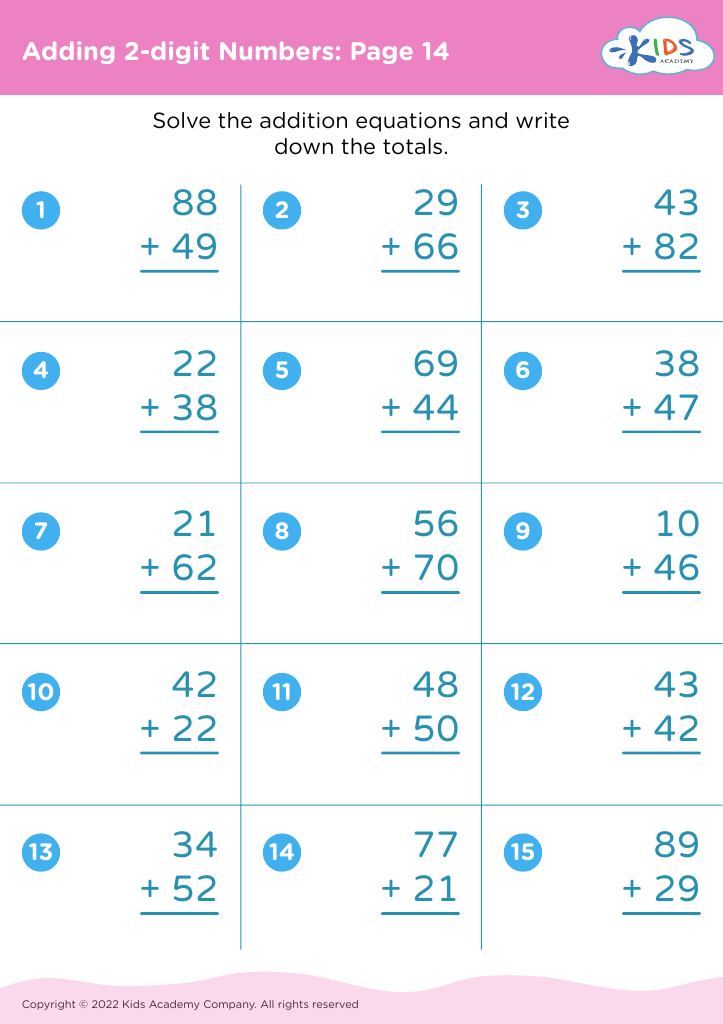
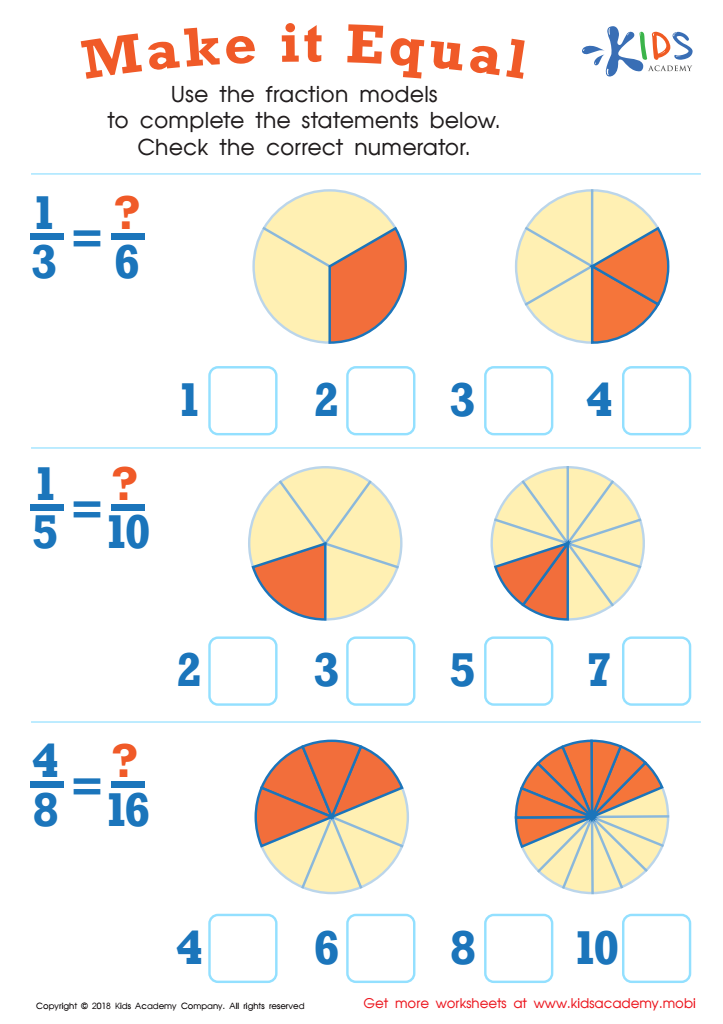
Make It Equal Worksheet
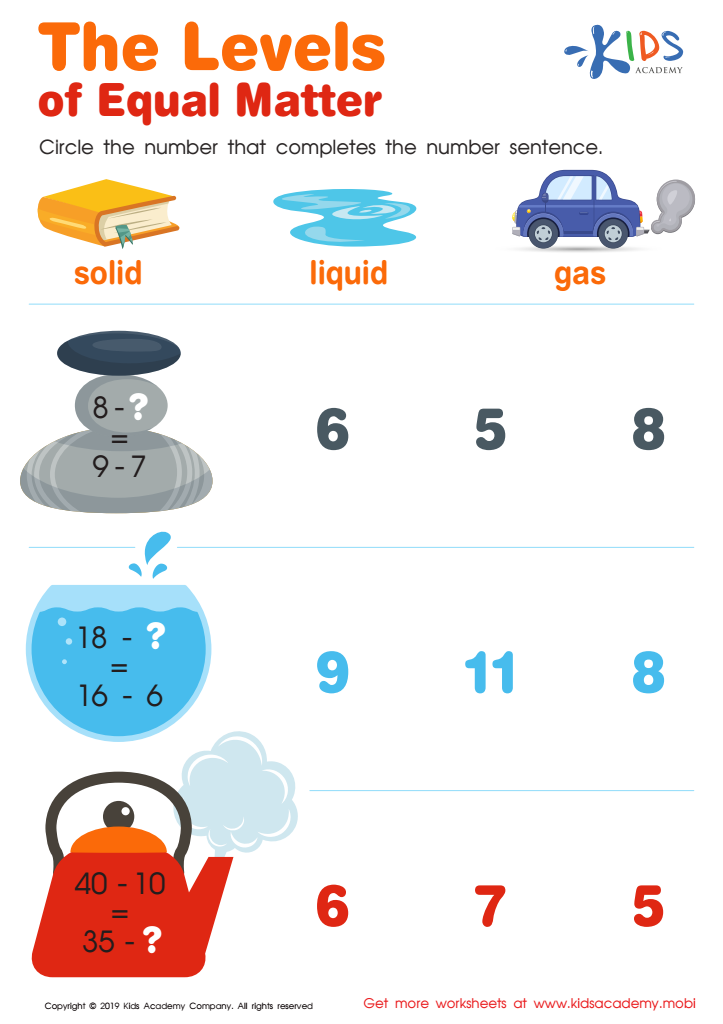
The Levels of Equal Matter Worksheet
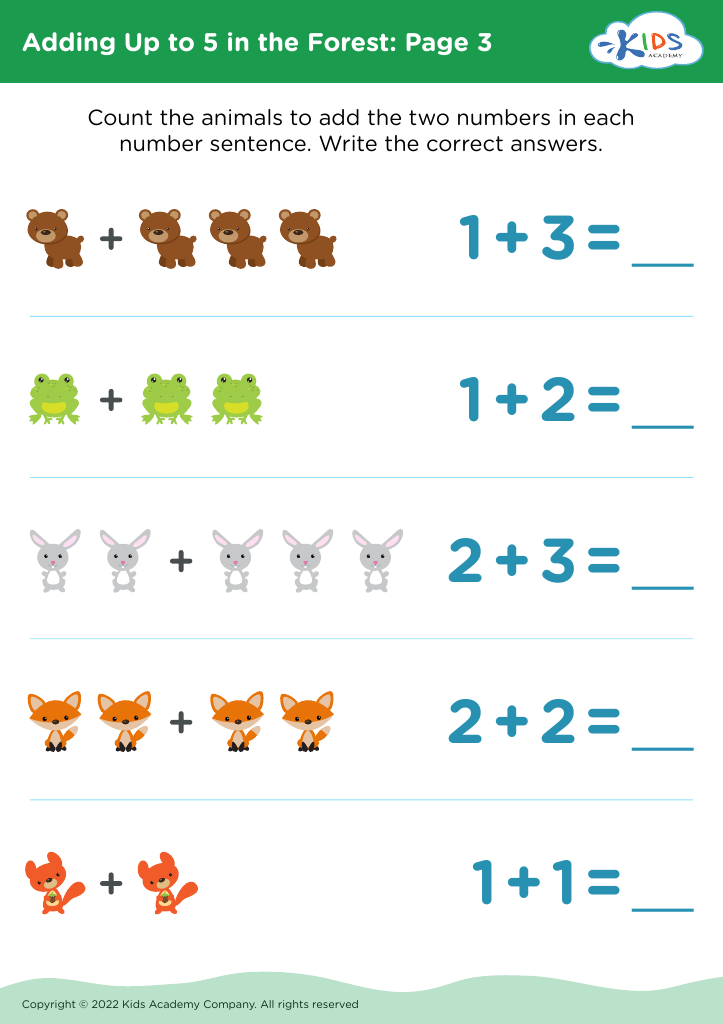



.jpg)




Understanding equality in math is essential for children aged 5-9 as it lays the foundation for their mathematical reasoning and critical thinking skills. At this age, students begin to grasp the concept of equality as a fundamental principle, represented by the equal sign "=". This understanding helps them recognize that both sides of an equation must balance, fostering logic and problem-solving abilities.
Parents and teachers should care about this topic because early mastery of equality sets the stage for future mathematical success. It not only enhances children's number skills but also encourages them to approach problems methodically. When children understand that equations represent relationships between numbers, it nurtures their ability to think in terms of comparisons and groups, which is vital for more advanced concepts like addition, subtraction, and algebra.
Moreover, fostering an understanding of equality can build confidence and reduce math anxiety. Engaging children in fun, hands-on activities helps cultivate their interest and enjoyment in math, which is crucial for a positive attitude towards learning. By promoting a strong foundational understanding of equality in math, educators and parents are equipping children with essential skills for their academic journeys and everyday lives.








