Understanding patterns Math Worksheets for Ages 5-9 - Page 2
52 filtered results
-
From - To
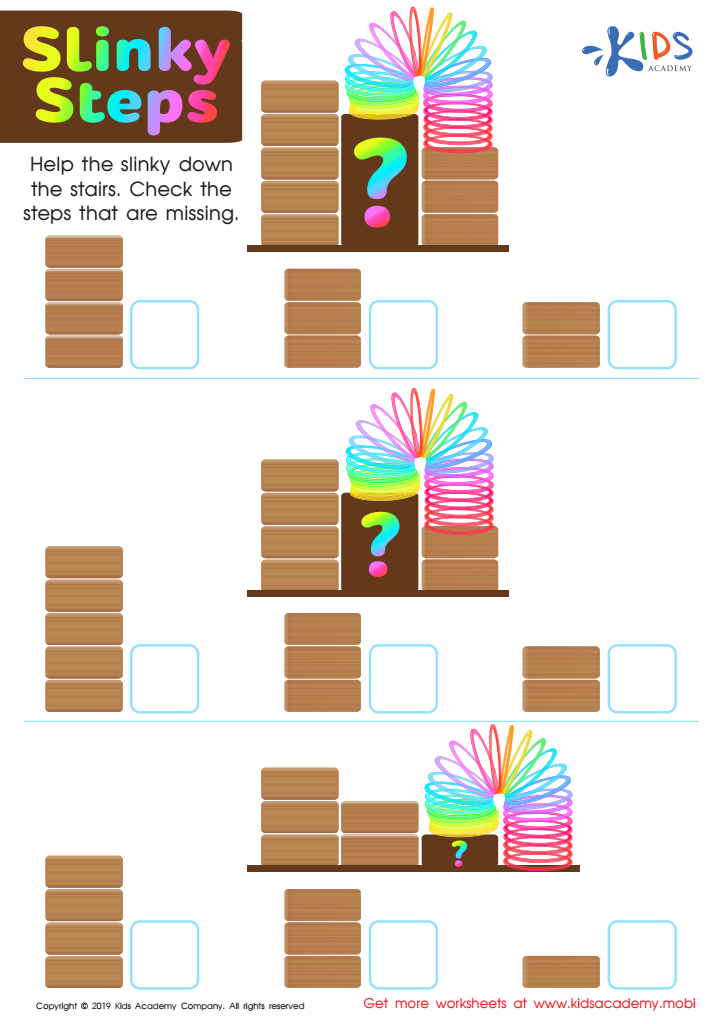
Slinky Steps Worksheet
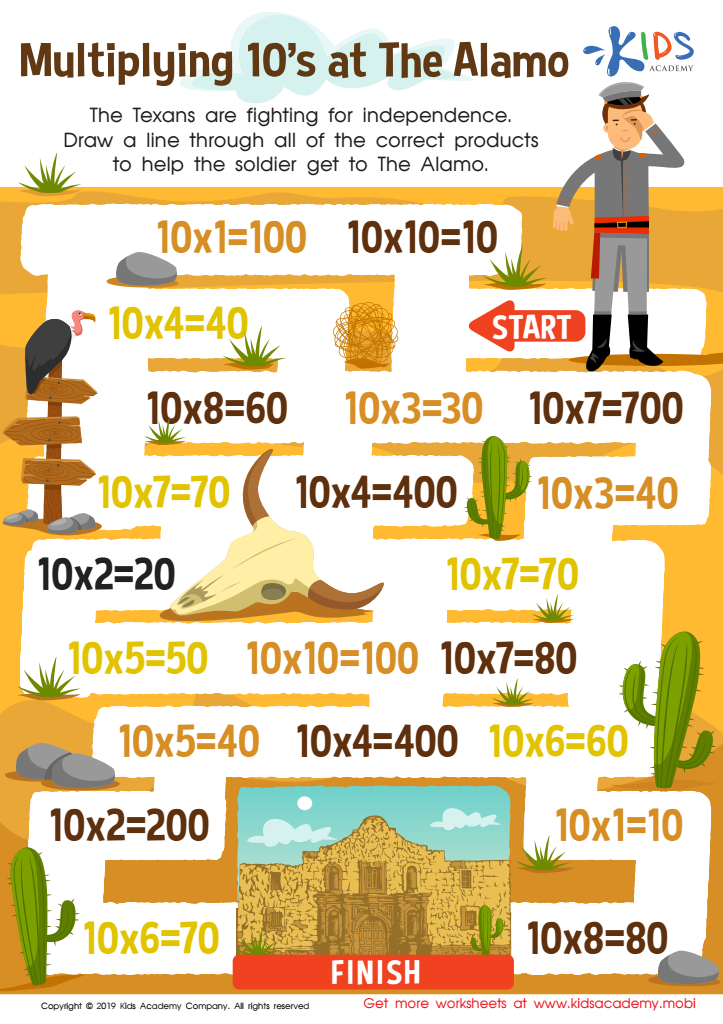
Multiplying 10’s at The Alamo Worksheet
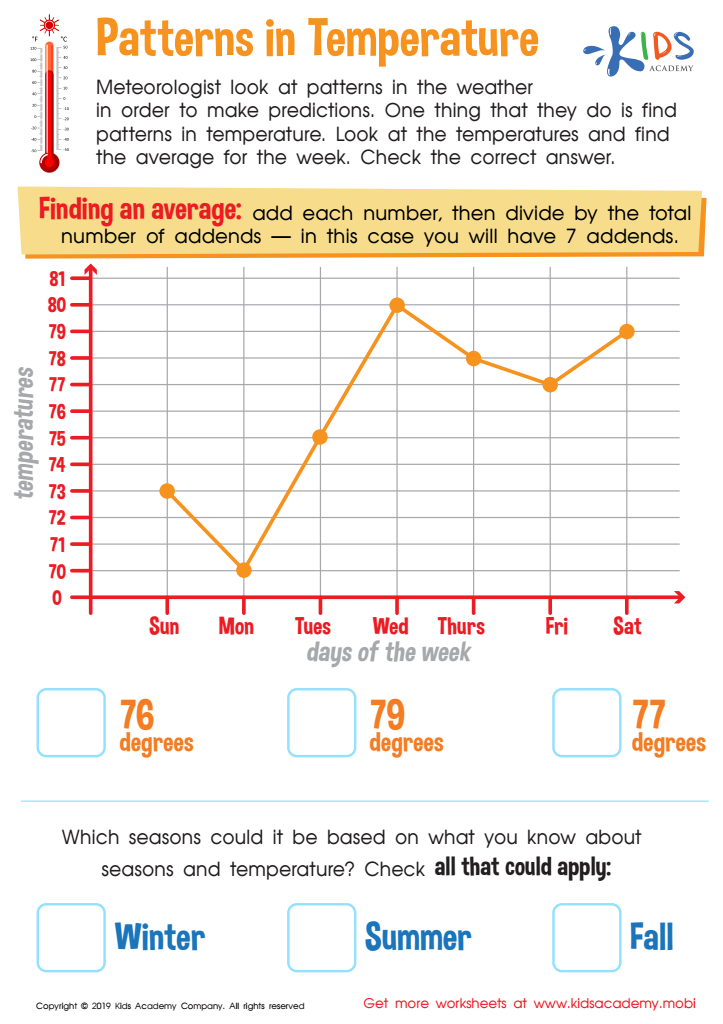
Patterns in Temperature Worksheet
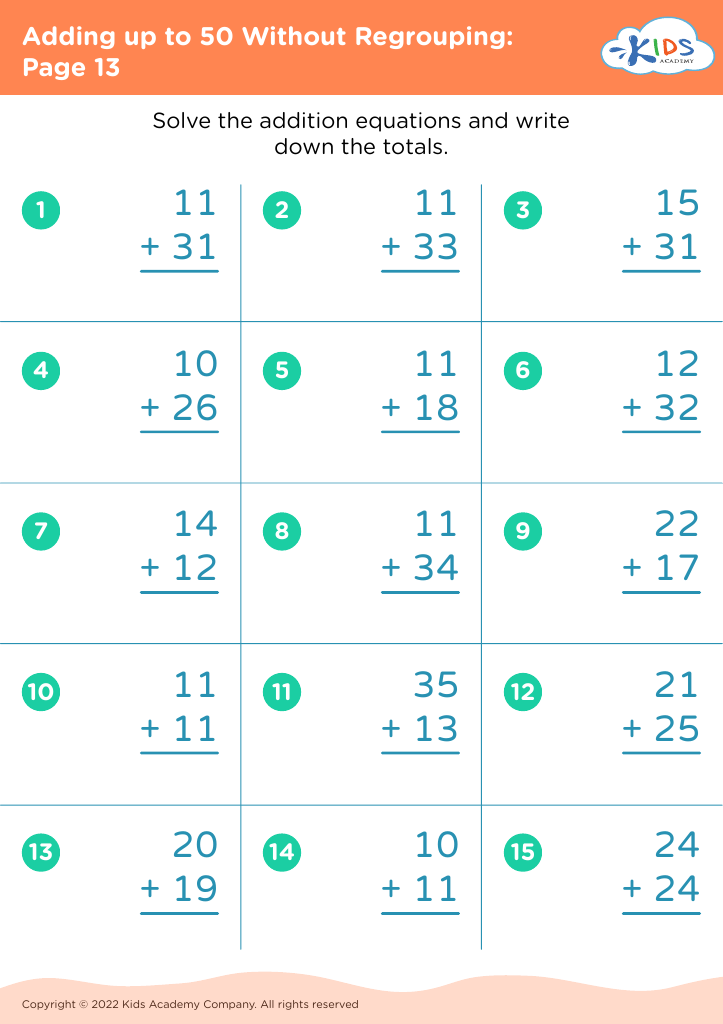
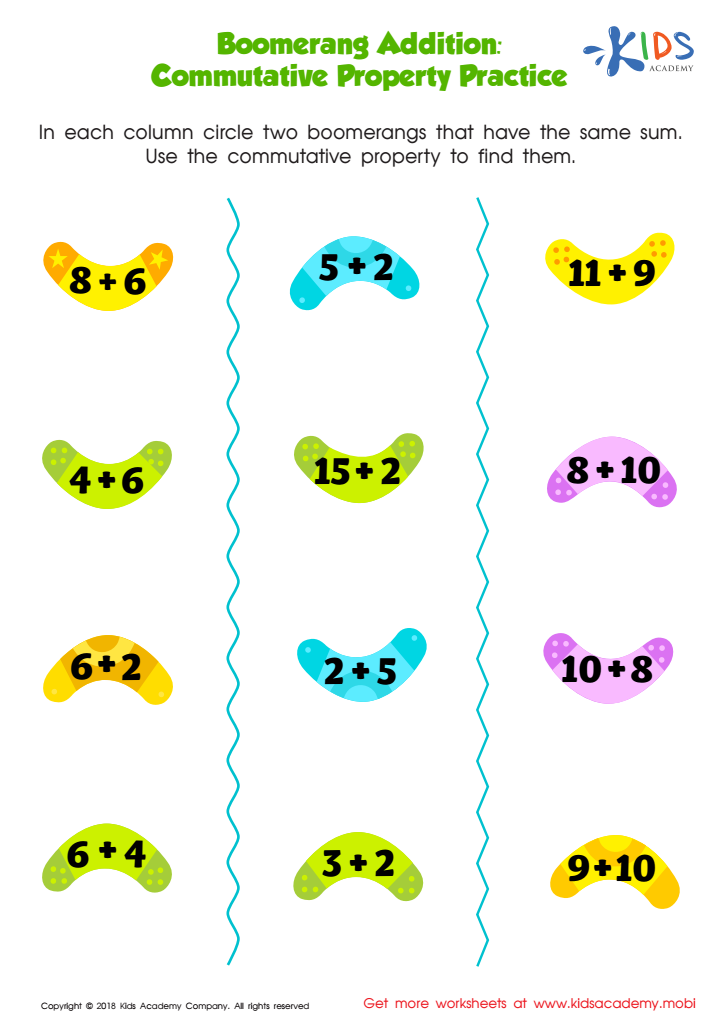
Boomerang Addition Worksheet
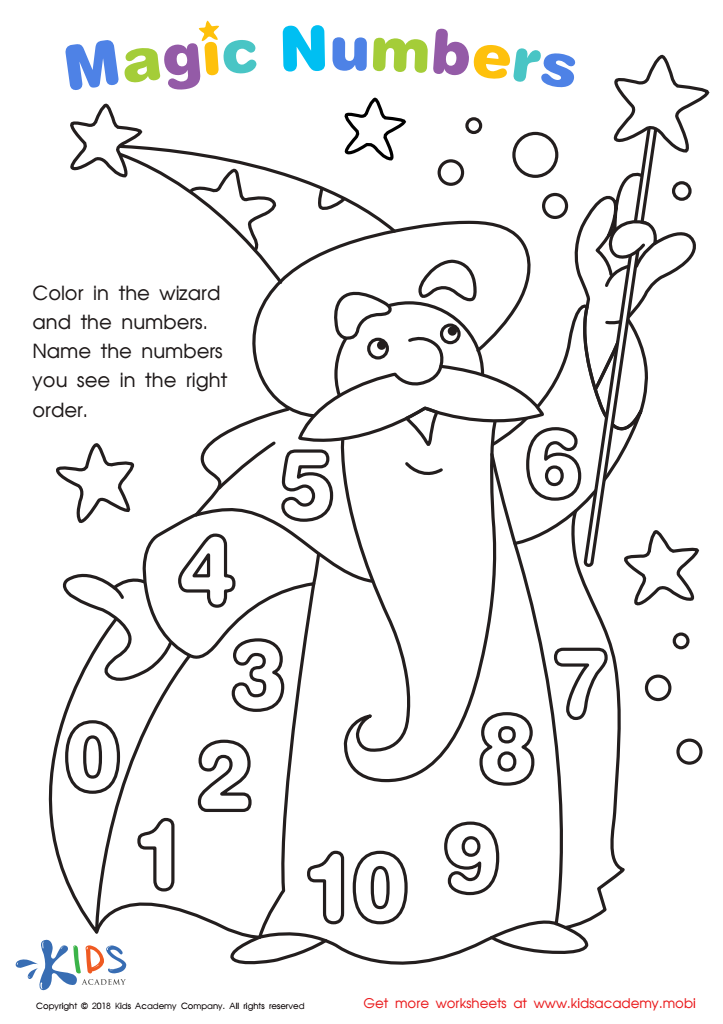
Magic Numbers Worksheet
 Assign to My Students
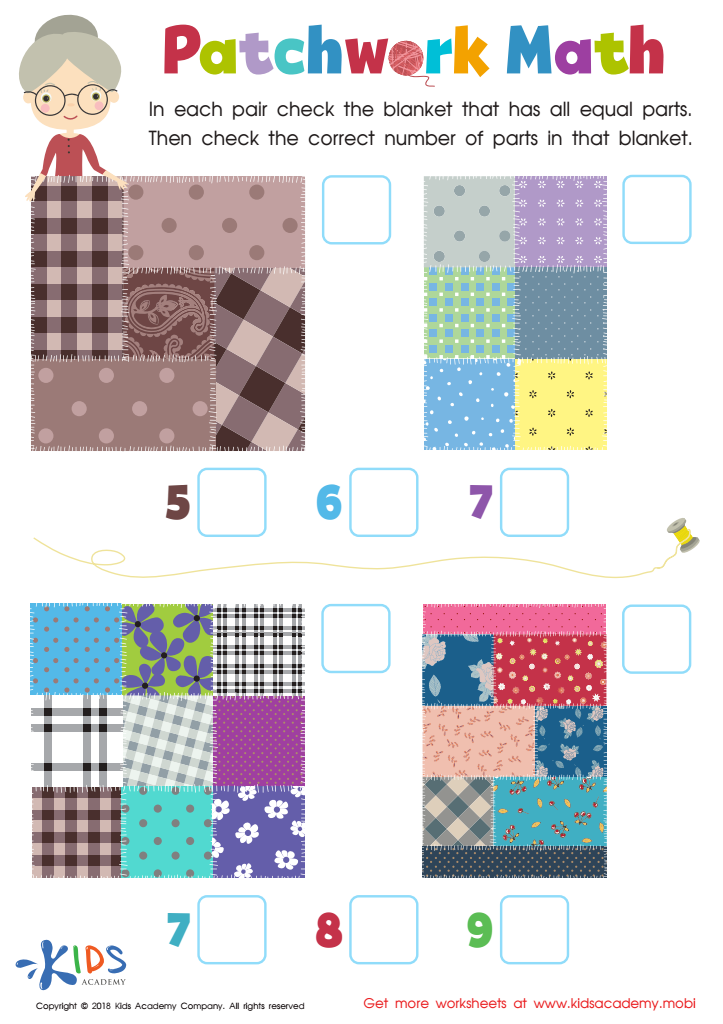
Patchwork Math Worksheet
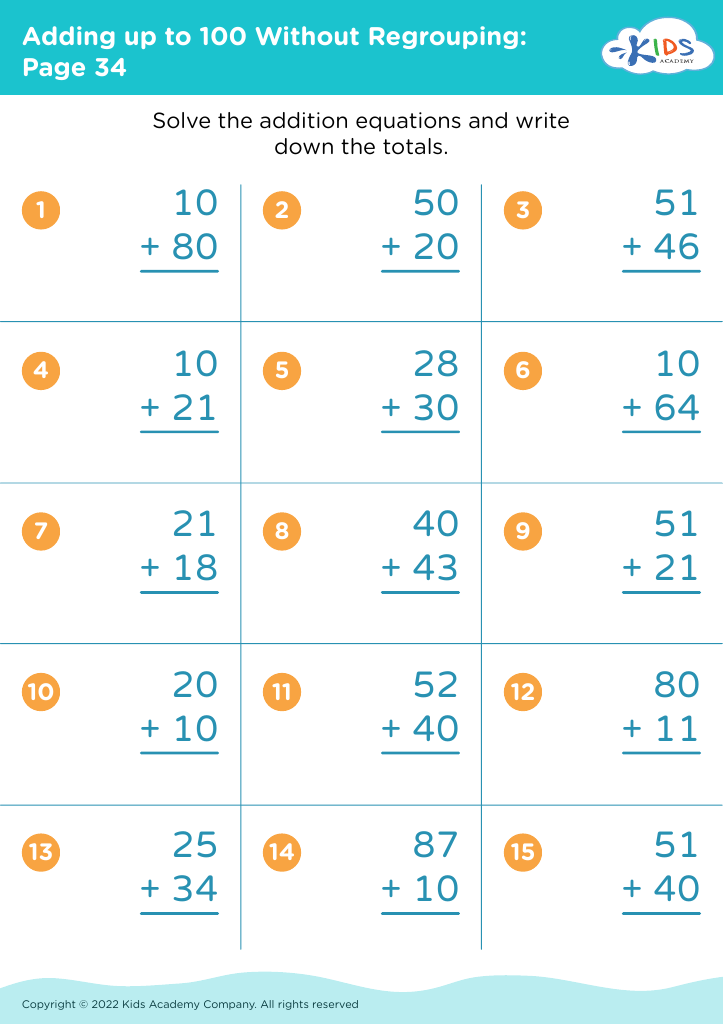
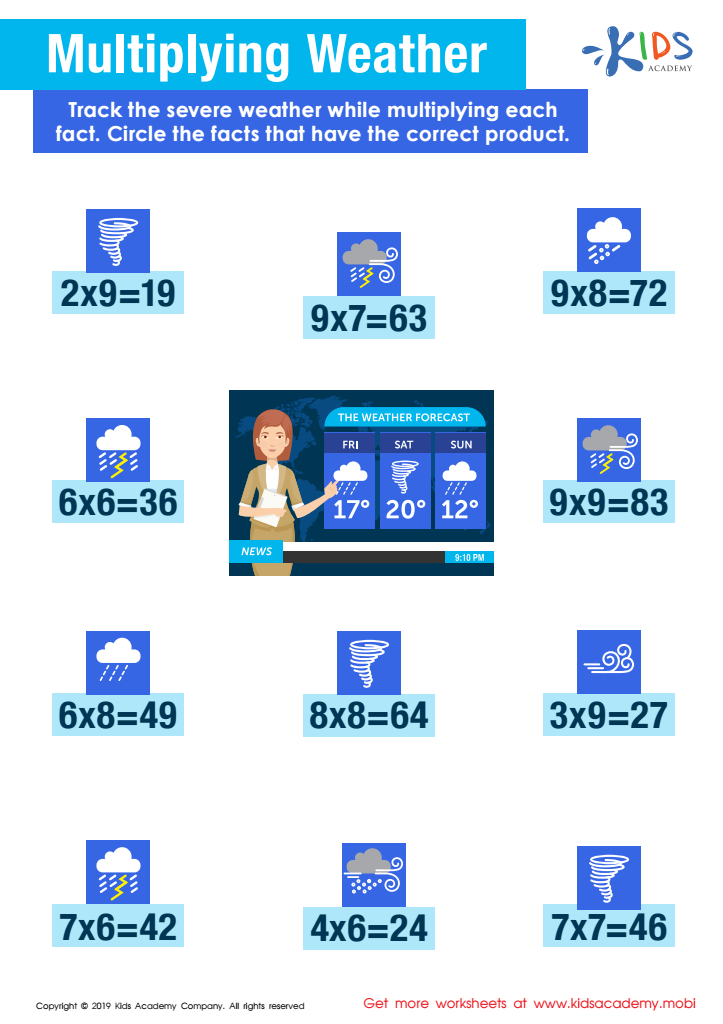
Multiplying Weather Worksheet
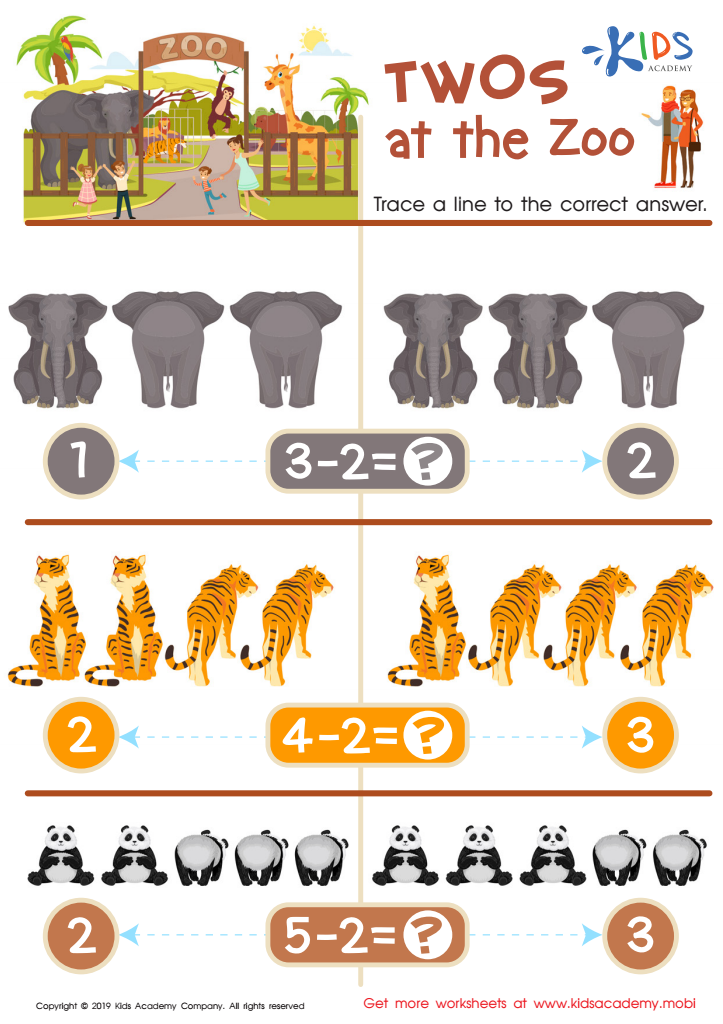
Twos at the Zoo Worksheet
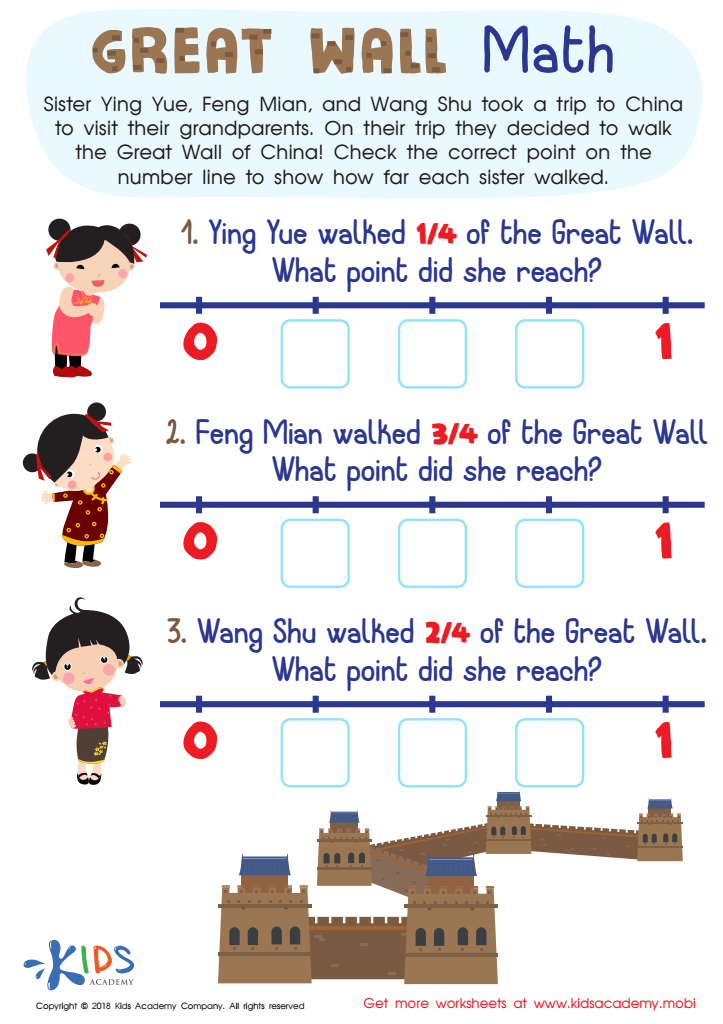
Great Wall Math Worksheet
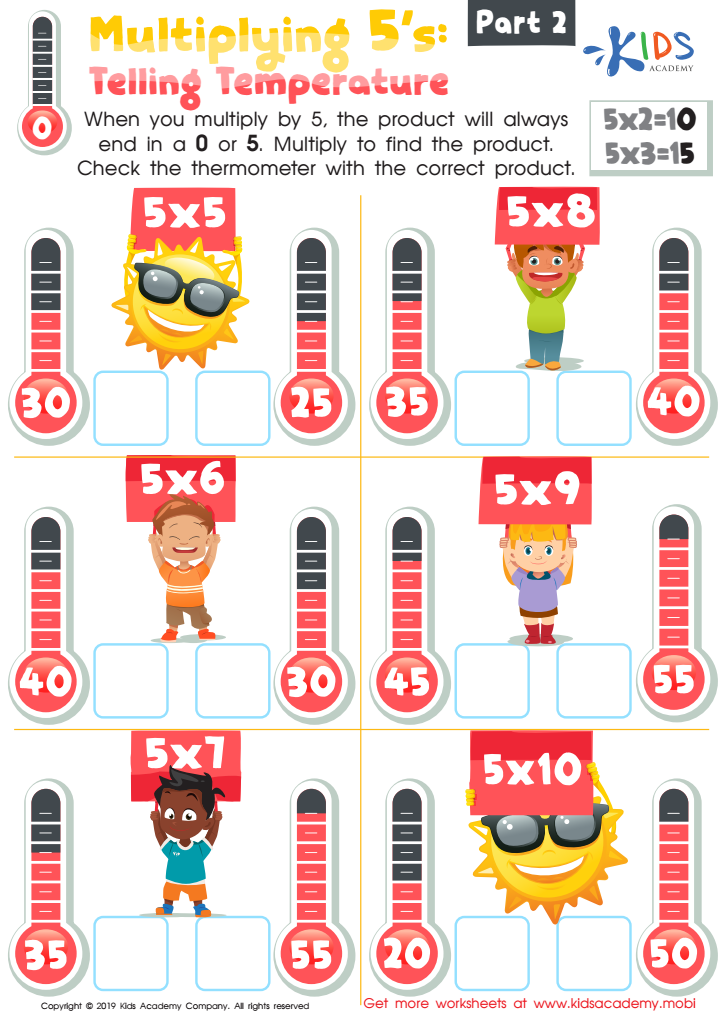
Multiplying 5’s: Telling Temperature Part 2 Worksheet






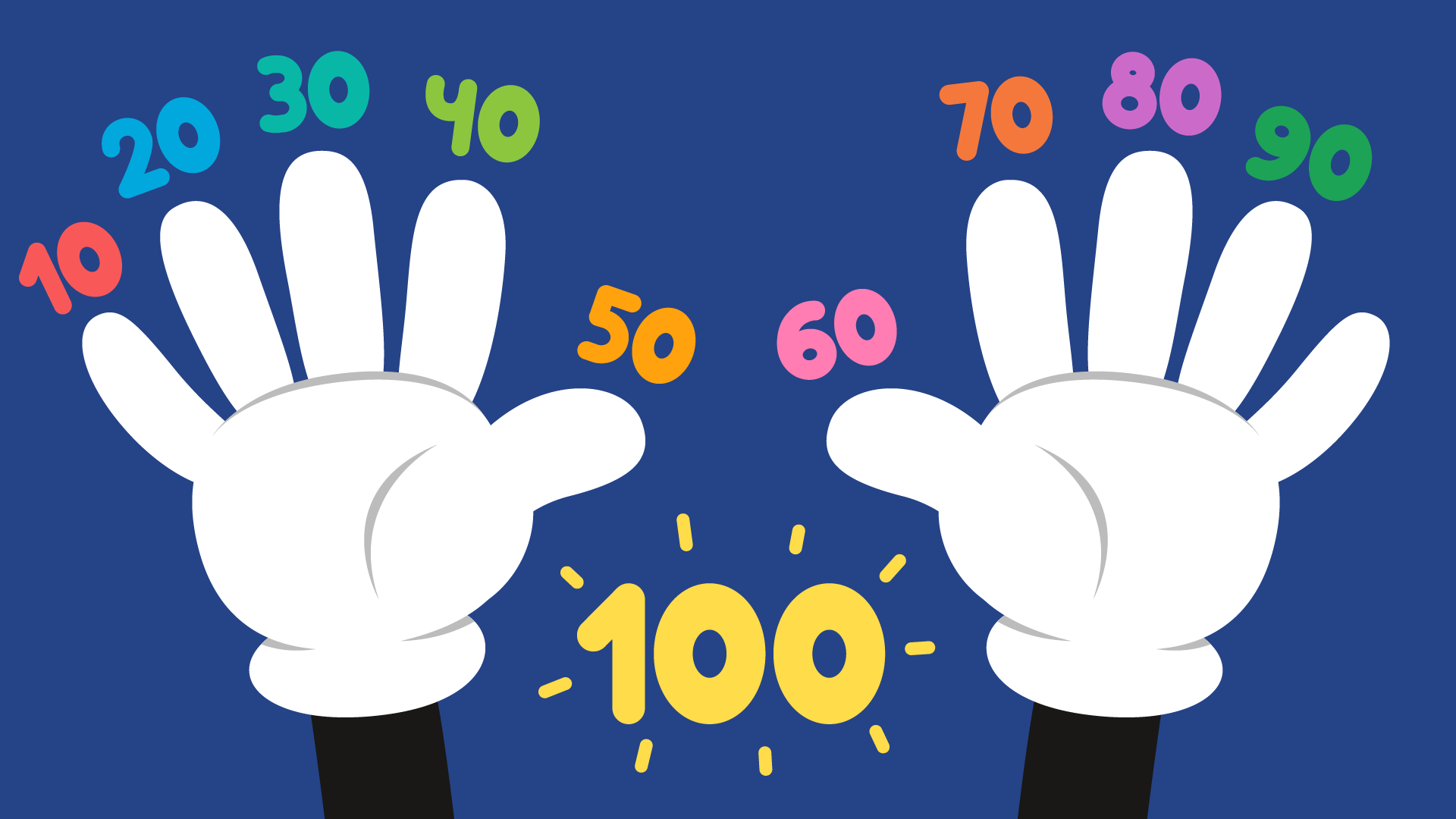

Understanding patterns in math is vital for children aged 5-9, as it forms a foundational skill that supports cognitive development and critical thinking. Patterns foster analytical skills and enhance logical reasoning, enabling young learners to identify relationships and make predictions. As students explore sequences, shapes, and numerical patterns, they cultivate their ability to solve problems creatively and confidently.
Parents and teachers should prioritize pattern recognition because it lays the groundwork for more complex mathematical concepts later on, such as algebra, geometry, and data analysis. Furthermore, engaging with patterns helps children develop spatial awareness and the ability to categorize and organize information, skills that are valuable not only in math but across various subjects.
Additionally, understanding patterns fosters a sense of curiosity and exploration in young learners, motivating them to observe their surroundings and draw connections. By collecting and analyzing data, children also gain essential skills for STEM fields, preparing them for future academic and career opportunities.
In conclusion, nurturing pattern recognition in early math education equips children with critical problem-solving abilities, encourages logical thinking, and sparks a love for learning that will benefit them throughout their educational journeys and beyond.








