Visual perception Math Worksheets for Ages 5-9 - Page 3
57 filtered results
-
From - To
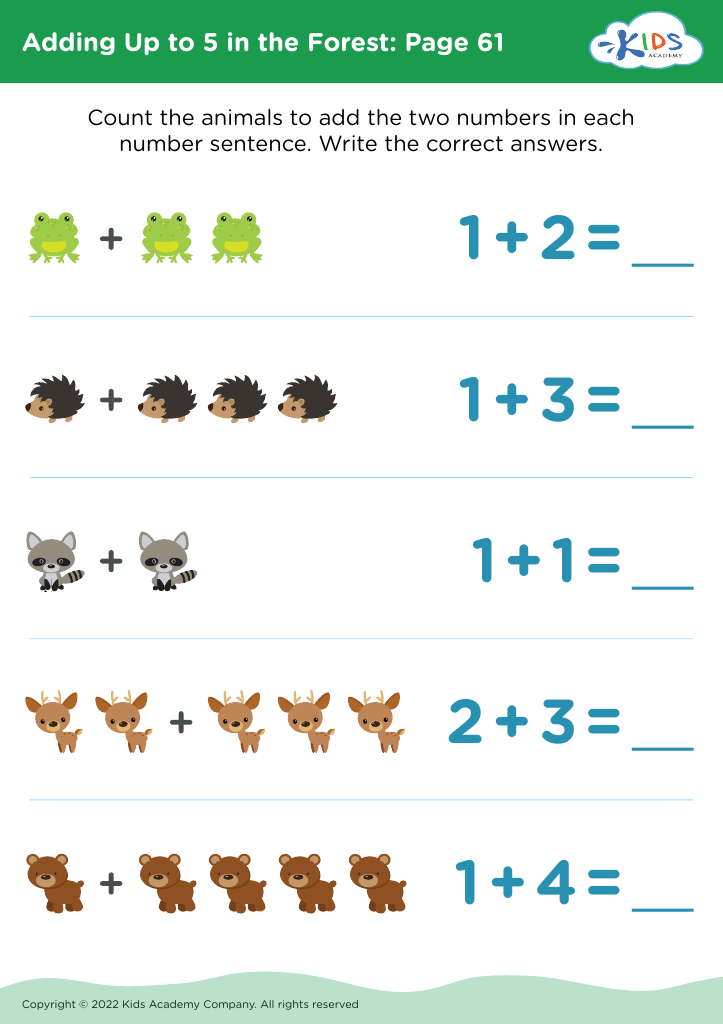
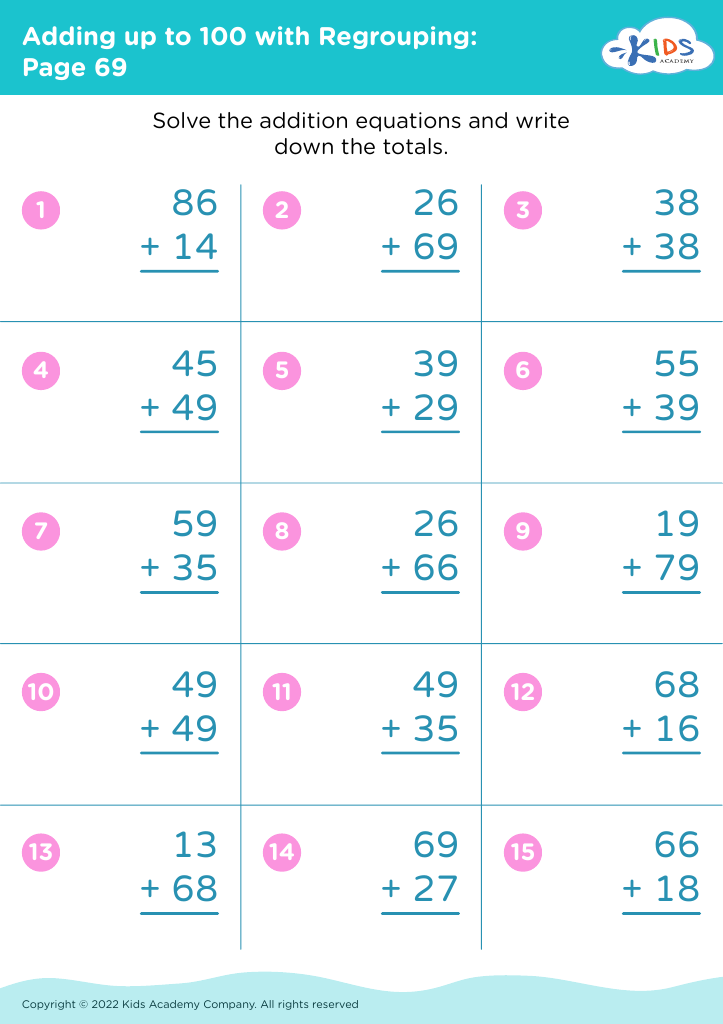
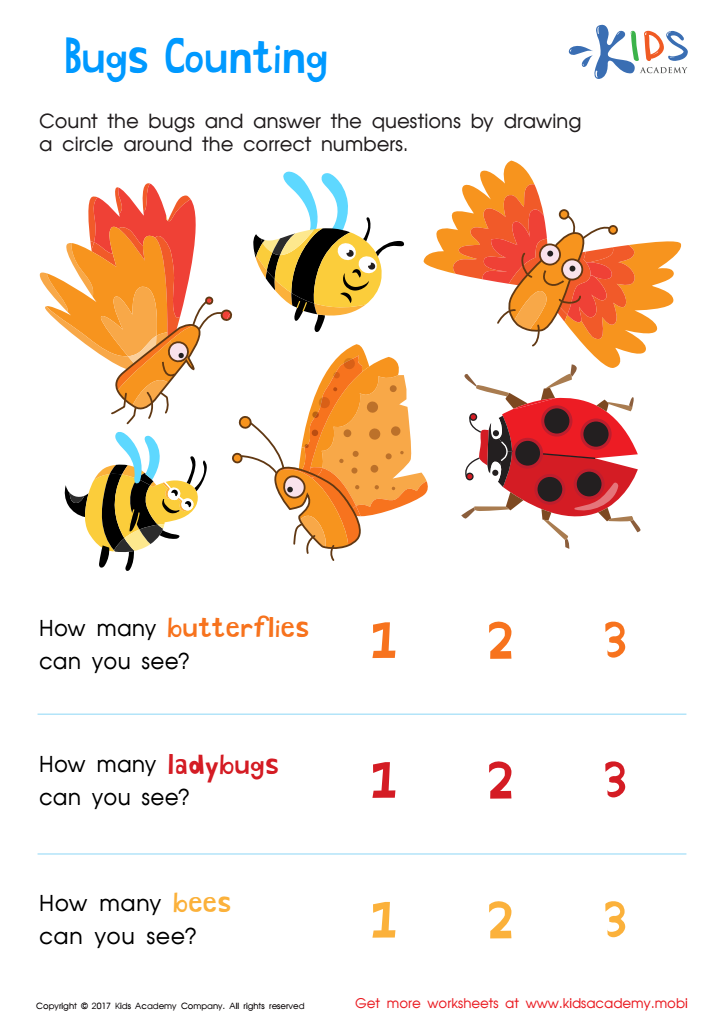
Bugs Counting Worksheet
 Assign to My Students
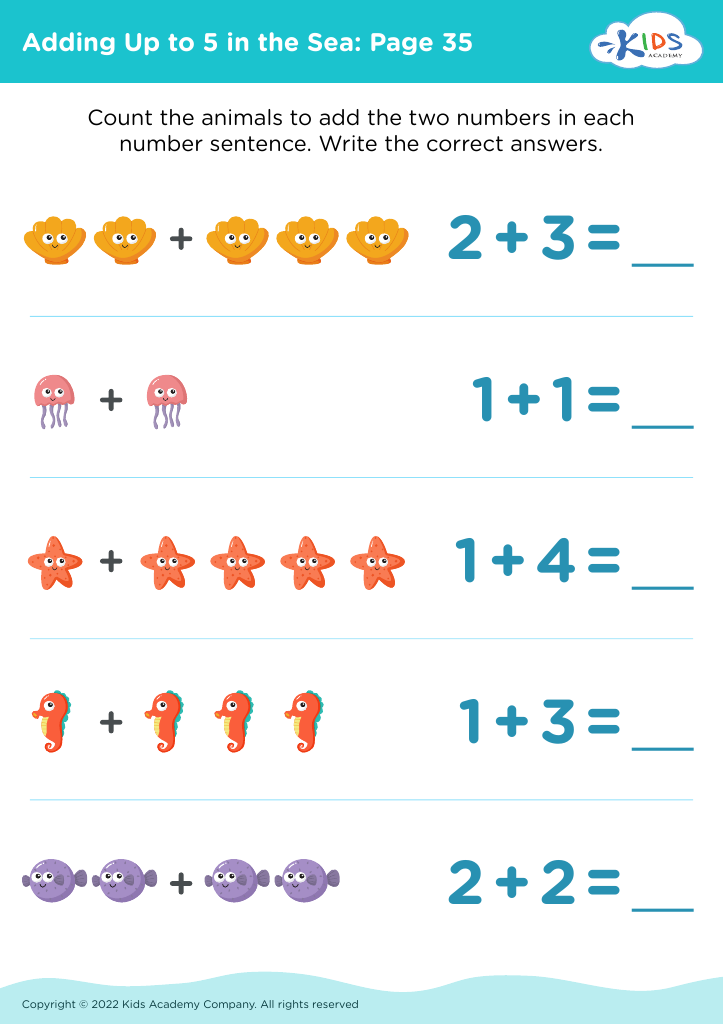
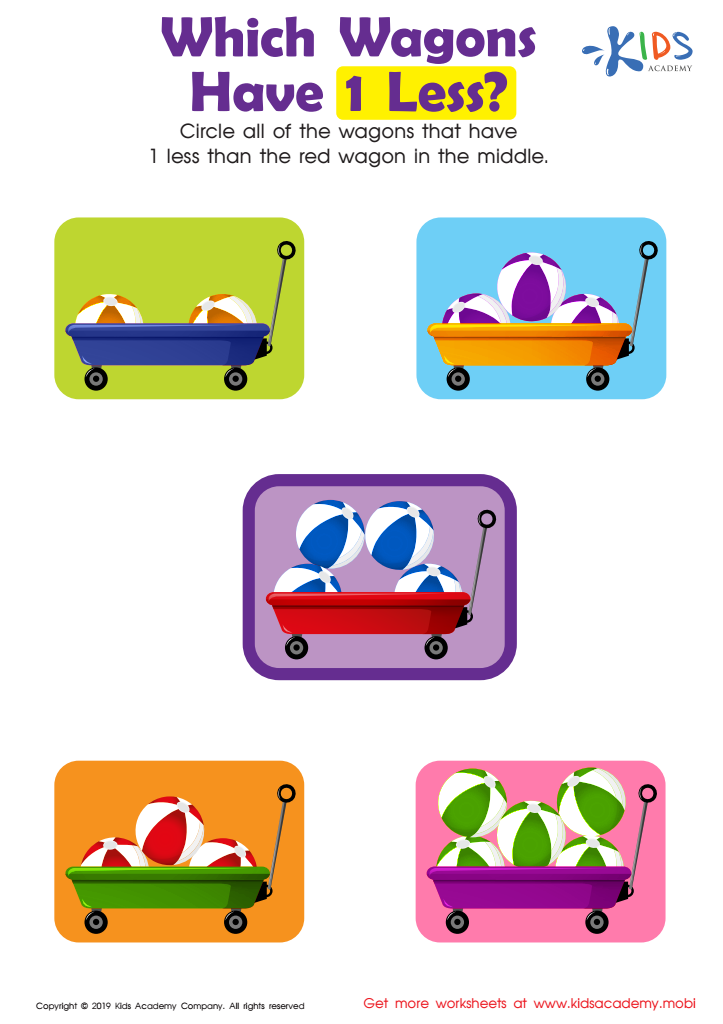
Which Wagons Have 1 Less? Worksheet
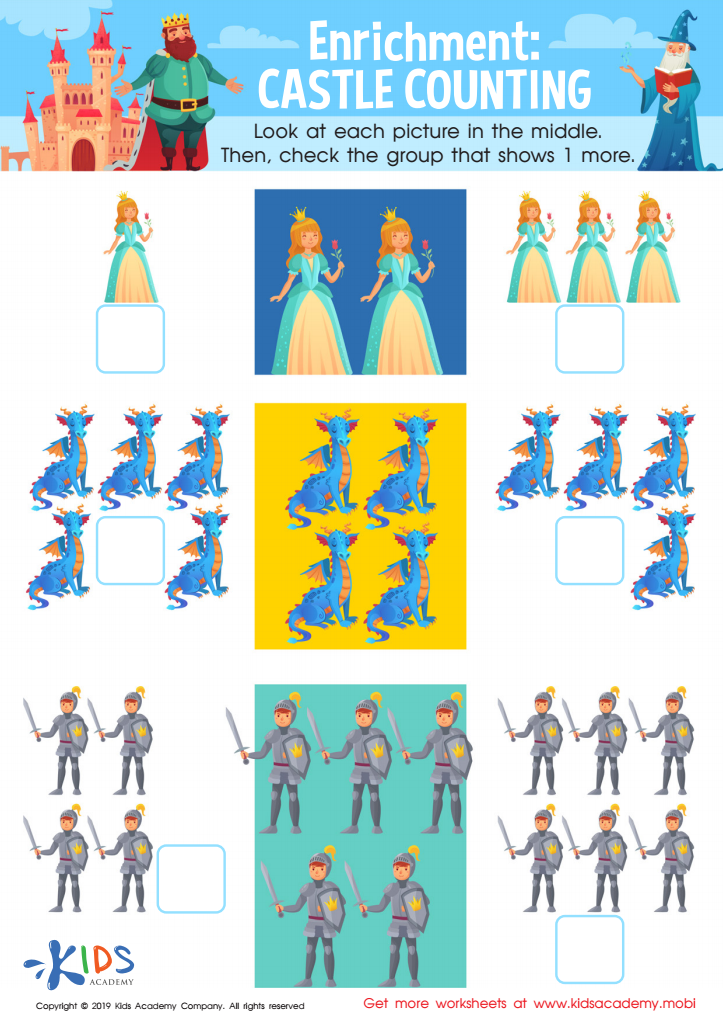
Enrichment: Castle Counting Worksheet

Count and Match Vegetables 1 – 5 Math Worksheet
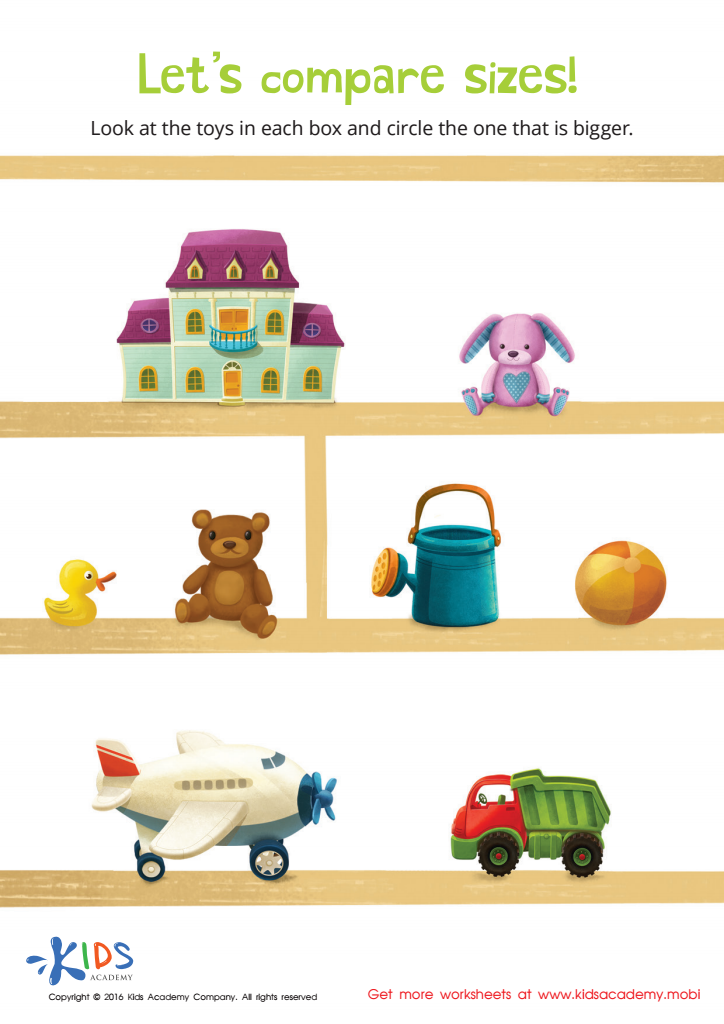
Classifying by Size Sorting Worksheet
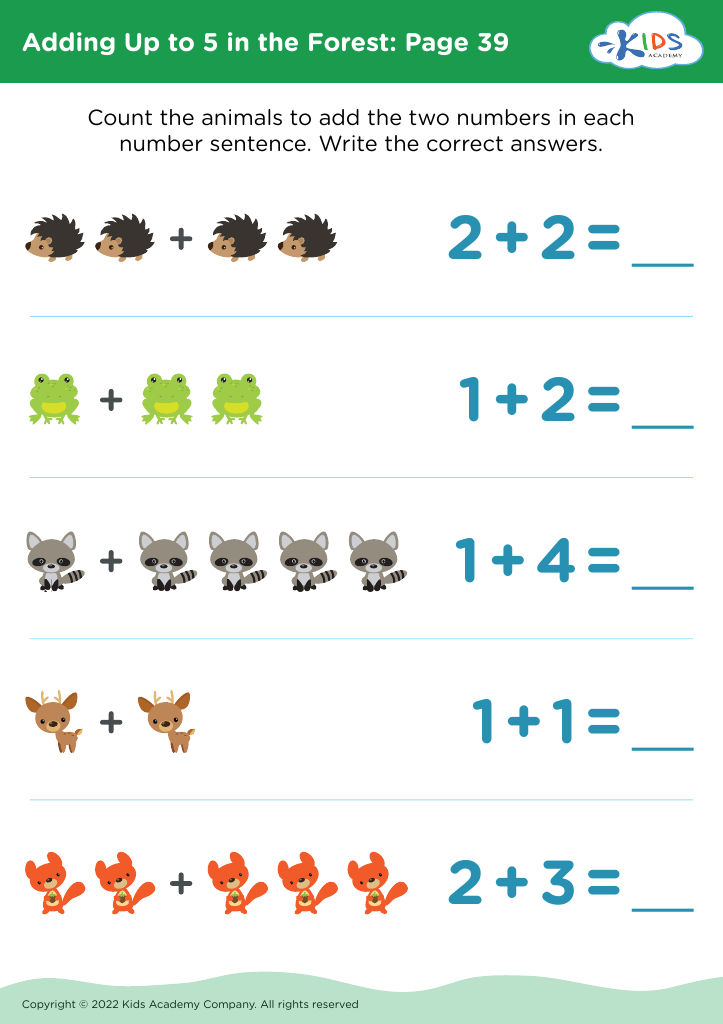








Visual perception math is a crucial area of development for children aged 5-9, as it significantly influences their ability to understand and engage with mathematical concepts. At this young age, children are still building foundational skills, and visual perception plays a key role in helping them recognize patterns, shapes, and spatial relationships.
When parents or teachers prioritize visual perception math, they enhance children's capabilities to visualize problems and develop critical thinking skills. Activities such as recognizing geometry shapes or manipulating blocks help children to internalize mathematical concepts more effectively than learning through abstract symbols alone.
Furthermore, strong visual perception skills correlate with improved performance in various areas of math, allowing for a smoother transition to more complex topics, such as problem-solving and algebra. Early emphasis on these skills can boost a child's confidence and enthusiasm for math, fostering a positive lifelong attitude toward the subject.
Ultimately, understanding the importance of visual perception math equips educators and parents to create enriching learning experiences that support children's overall cognitive development, making math more accessible and enjoyable, and paving the way for future academic success.








