Color recognition Matching Worksheets for Ages 5-9
3 filtered results
-
From - To
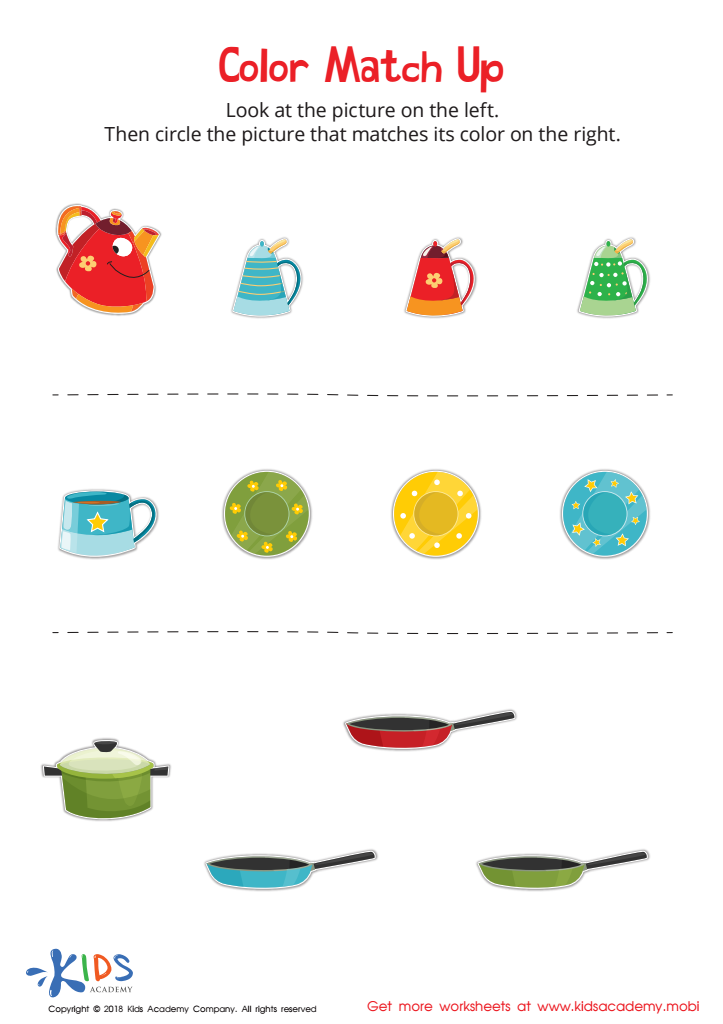
Explore our engaging Color Recognition Matching Worksheets designed specifically for children ages 5-9! These fun and interactive activities help young learners develop essential skills by matching colors with corresponding objects, enhancing their ability to identify and distinguish hues. With vibrant illustrations and varying levels of difficulty, our worksheets cater to different learning styles, making them perfect for home or classroom use. These resources not only promote color recognition but also encourage fine motor skills and cognitive development. Download our worksheets today to inspire creativity and boost confidence in your child's learning journey! Ideal for preschool and early elementary education.
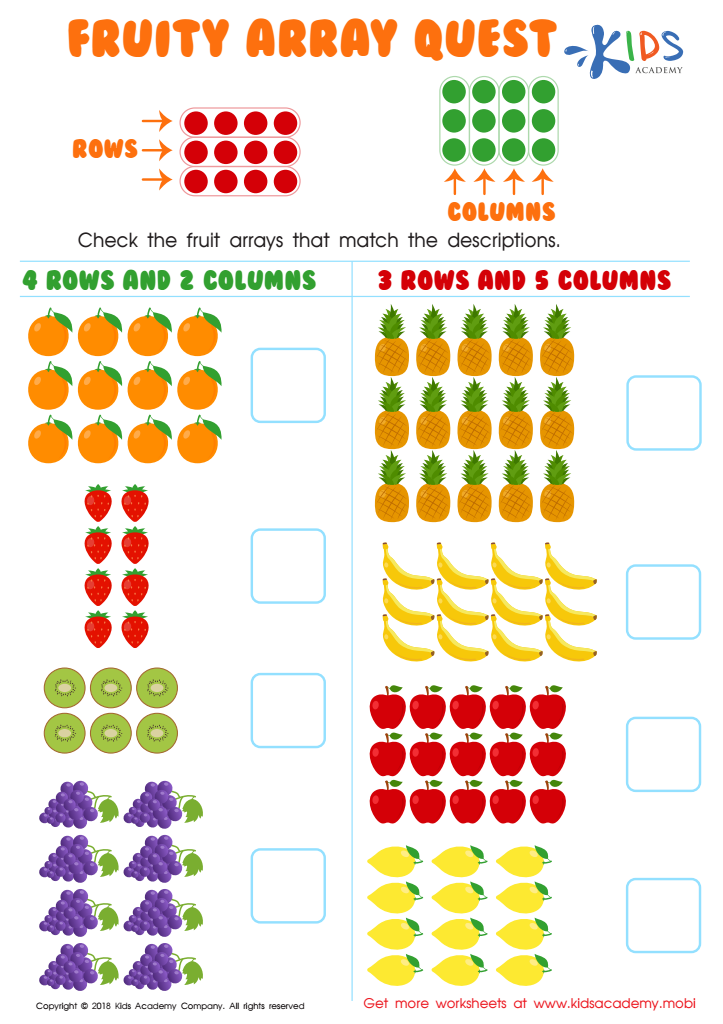
Fruity Array Quest Worksheet
 Assign to My Students
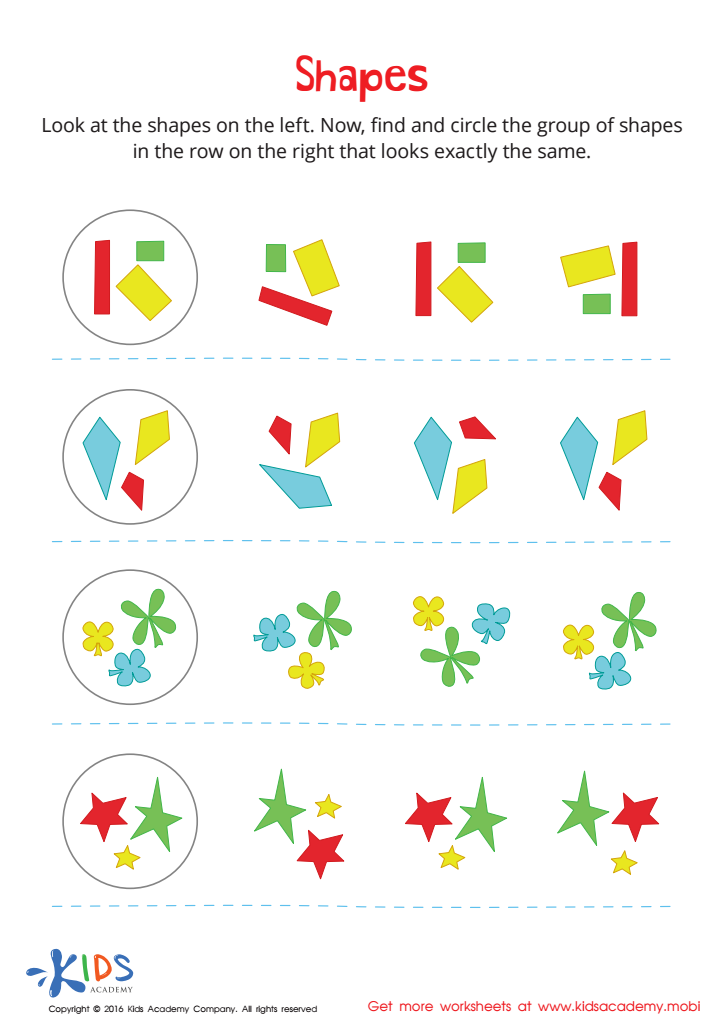
Shapes Worksheet


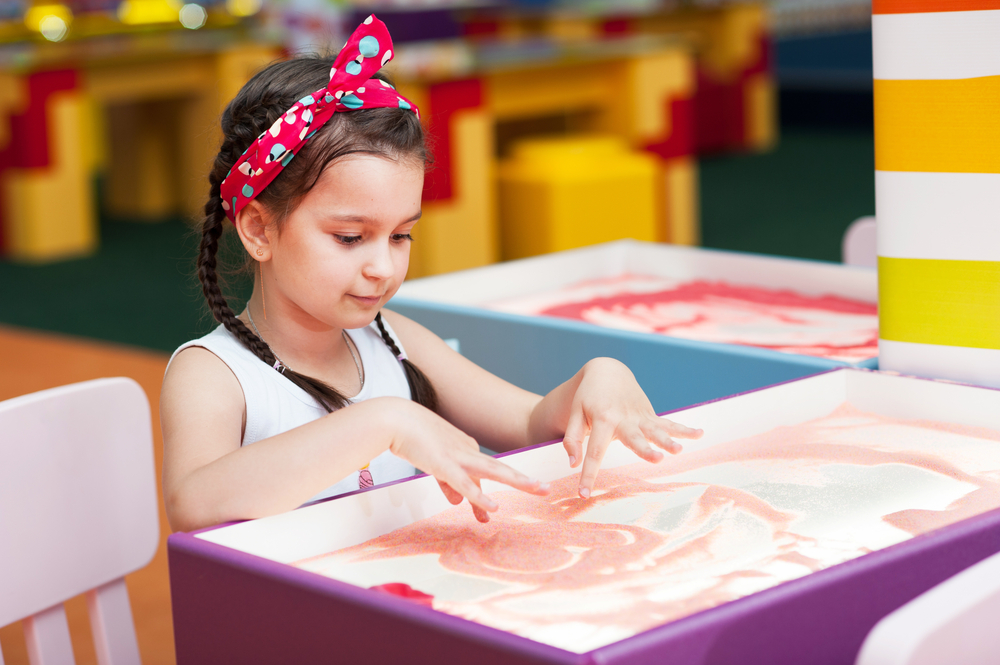





Color recognition and matching are fundamental skills for children ages 5-9, playing a crucial role in their cognitive development and learning processes. First and foremost, color recognition enhances children's ability to distinguish and categorize objects, forming the basis for more advanced perceptual skills. Mastering color identification supports their understanding of the world around them, aiding in the development of language as children learn to describe and discuss colors.
Moreover, engaging in color matching activities can foster important social skills. When children work together to match colors or play games that involve sorting, they practice communication, cooperation, and problem-solving, critical life skills.
From an educational perspective, color recognition is often integrated into various subjects, including science, art, and math. For instance, understanding colors helps in recognizing patterns, sorting, and understanding concepts such as light and pigments in science lessons.
Additionally, color activities are linked to increased fine motor skills as children manipulate physical objects. Thus, by cultivating color recognition and matching, parents and teachers are not only supporting academic readiness but also nurturing essential life skills and enhancing children's creativity and self-expression. This foundation builds confidence and prepares them for future learning experiences.








