Problem-Solving Skills Sorting Worksheets for Ages 5-9
4 filtered results
-
From - To
Discover our engaging Problem-Solving Skills Sorting Worksheets designed for children aged 5 to 9. These worksheets provide fun and interactive activities that challenge young learners to sort and categorize various items, enhancing their critical thinking and analytical abilities. As kids tackle these sorting exercises, they develop essential problem-solving skills while enjoying a hands-on approach to learning. Perfect for home or classroom use, our worksheets cater to different proficiency levels and encourage creativity. Help your child build a strong foundation in problem-solving today, laying the groundwork for future academic success. Boost their confidence and cognitive skills with exciting, educational sorting activities!
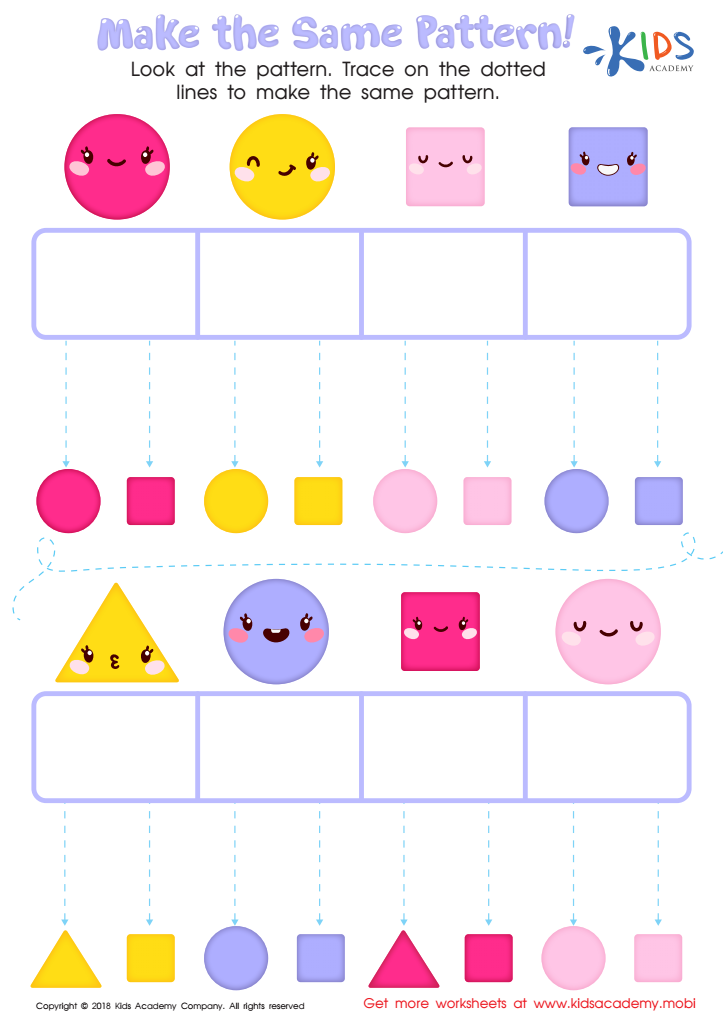
Make the Same Pattern Worksheet
 Assign to My Students
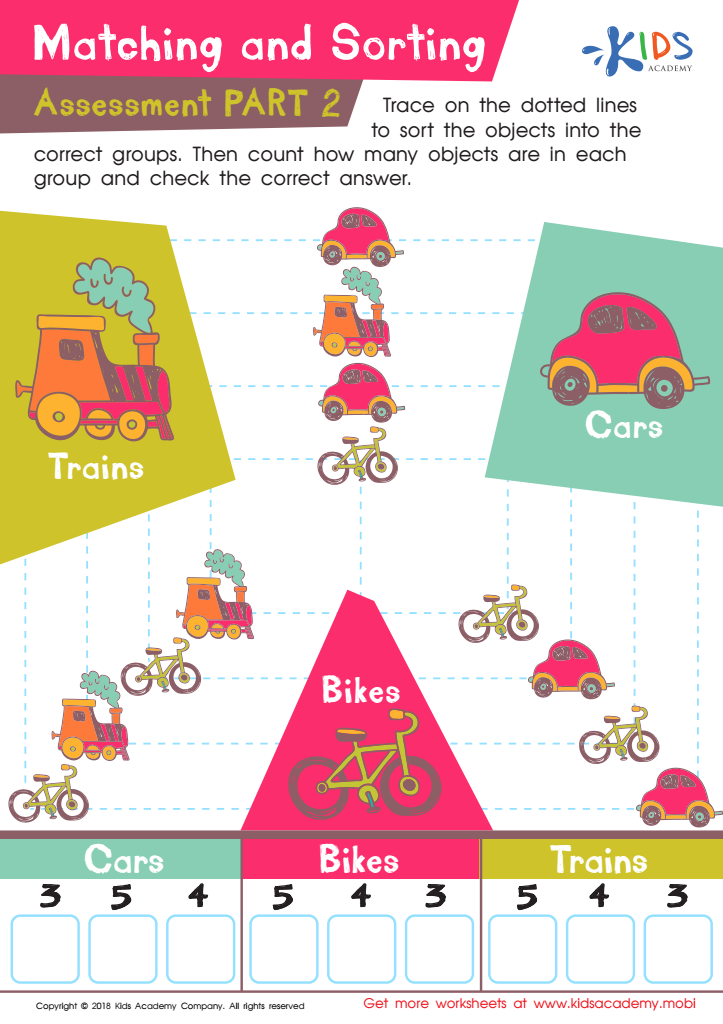
Matching and Sorting for Kindergarten: Assessment 2 Worksheet
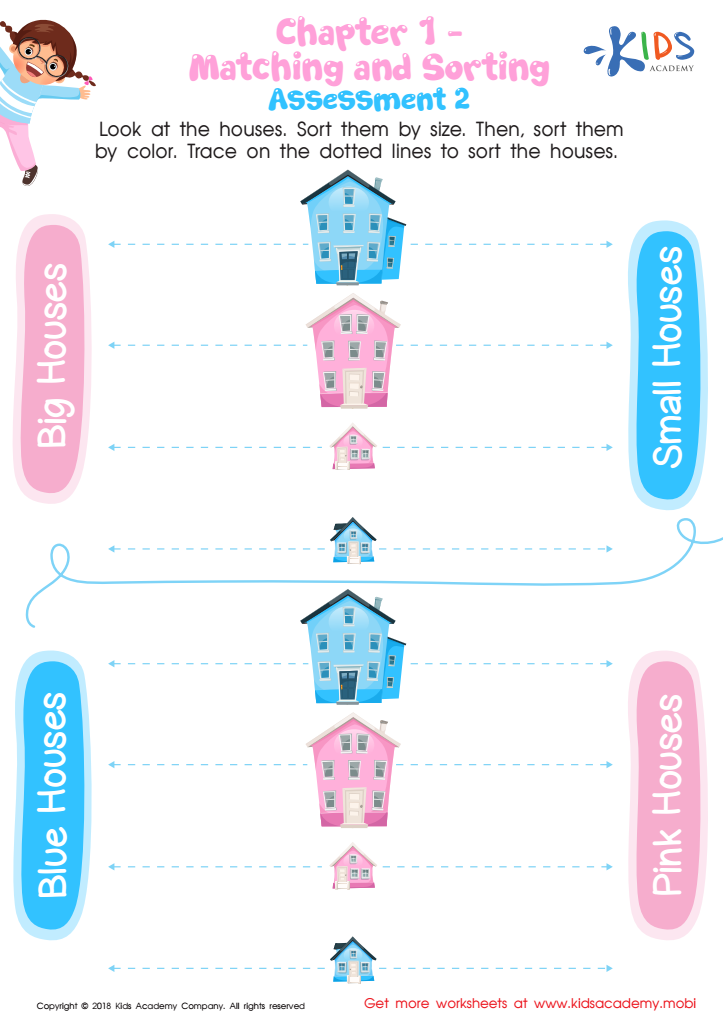
Matching and Sorting for Preschool: Assessment 2 Worksheet
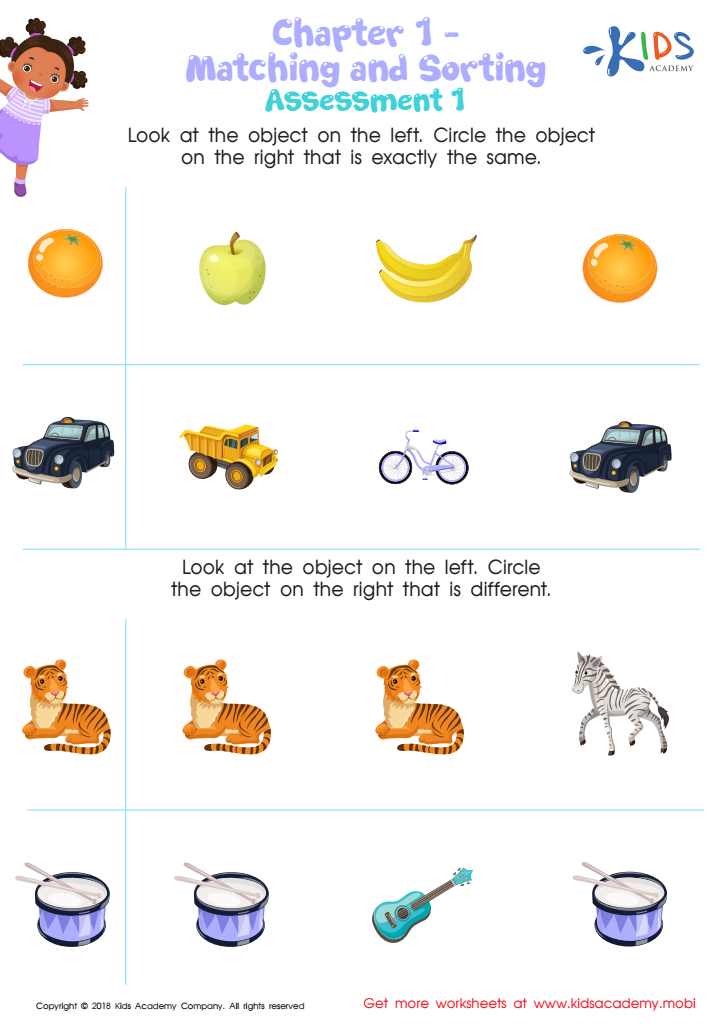
Matching and Sorting for Preschool: Assessment 1 Worksheet








Problem-solving skills are essential for children aged 5-9 as they lay the foundation for critical thinking and decision-making abilities that are crucial for future learning and personal growth. Parents and teachers should prioritize developing these skills during this formative period for several reasons.
Firstly, children at this age begin to face increasingly complex situations in everyday life, from navigating friendships to completing school assignments. Teaching them how to approach problems systematically enhances their ability to cope with challenges independently, instilling confidence and resilience.
Secondly, problem-solving promotes cognitive development. Engaging children in sorting tasks, such as categorizing objects or identifying patterns, encourages them to think analytically. This process enhances their reasoning skills, enabling them to explore multiple solutions and make informed choices.
Additionally, strong problem-solving skills are vital for academic success. As children advance in school, they encounter subjects like math and science that rely on these abilities. Fostering a strong foundation in problem-solving at an early age will assist them in mastering these concepts later.
Ultimately, nurturing problem-solving skills not only enriches children's lives academically but also prepares them for the complexities of adulthood. Therefore, parents and teachers should actively engage children in problem-solving activities and encourage them to think critically.








