Color recognition Reading Worksheets for Ages 5-9 - Page 2
30 filtered results
-
From - To
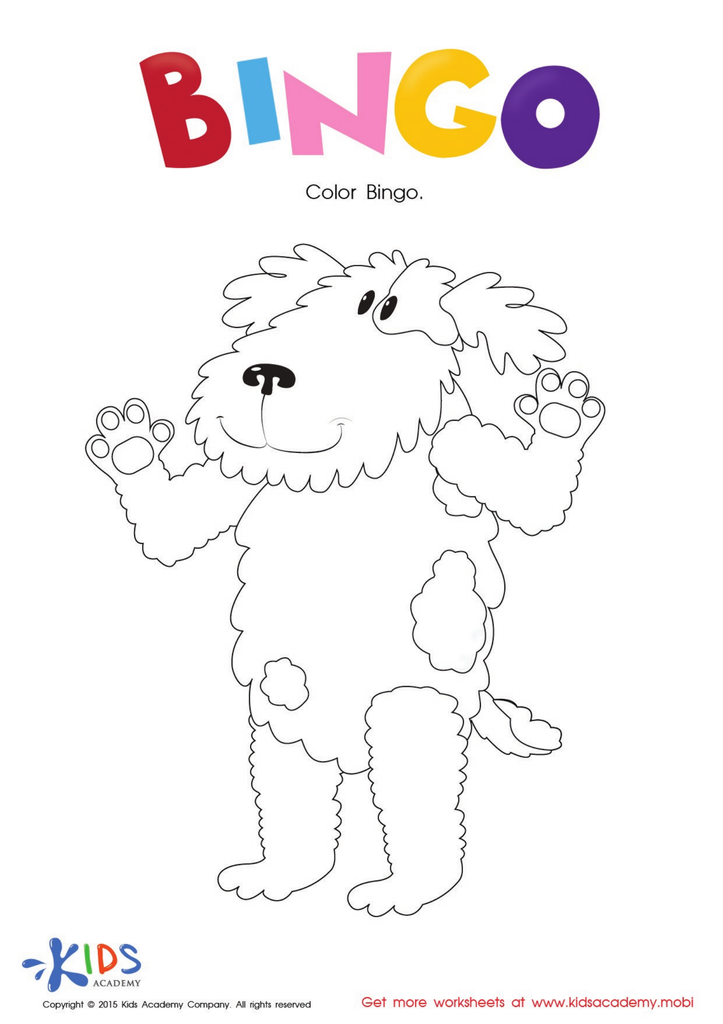
The Bingo Song: Coloring The Dog Worksheet
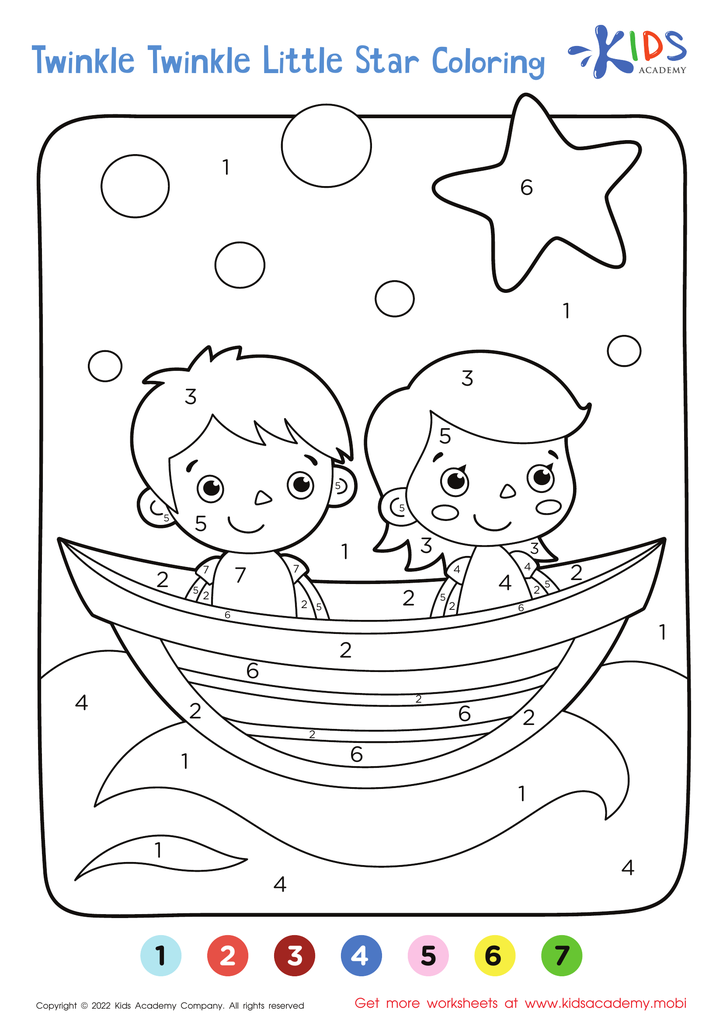
Twinkle, Twinkle, Little Star – Coloring by Numbers








Color recognition is a fundamental skill for children aged 5-9, and it serves as a foundational aspect of their overall learning and development. For parents and teachers, understanding the importance of color recognition goes beyond merely identifying hues; it’s about enhancing cognitive skills, enriching vocabulary, and fostering creativity.
Recognizing colors aids in developing critical thinking and observational skills. It allows children to categorize objects, make associations, and express themselves more clearly. Through discussions about colors, children expand their vocabulary, learning descriptive words that enhance their communication abilities.
Moreover, color recognition ties closely to early literacy. Many books for young readers incorporate colors into their narratives, which helps reinforce comprehension skills as children connect visual elements to text. Colorful storytelling can spark imagination and inspire creativity, essential components for developing a love of reading.
Finally, socialization plays a key role; engaging in color-based games or activities encourages teamwork, turn-taking, and shared learning experiences among peers. Therefore, investing time in color recognition not only fosters intellectual growth but also promotes emotional-social development, making it crucial for parents and teachers to prioritize this learning milestone.








