Comparing Fractions Reading Worksheets for Ages 5-9
37 filtered results
-
From - To
Discover engaging "Comparing Fractions Reading Worksheets" tailored for children aged 5-9! These worksheets are designed to simplify the concept of fractions through fun reading tasks that captivate young learners. By combining storytelling with fraction comparisons, students develop critical thinking and comprehension skills while enjoying interactive exercises. Each worksheet encourages kids to visualize fractions, enhancing their understanding and confidence in mathematics. Perfect for both home and classroom use, our resources promote essential math skills in an entertaining way. Help your child master comparing fractions today with our thoughtfully crafted worksheets, fostering a love for learning through play! Explore our collection now!
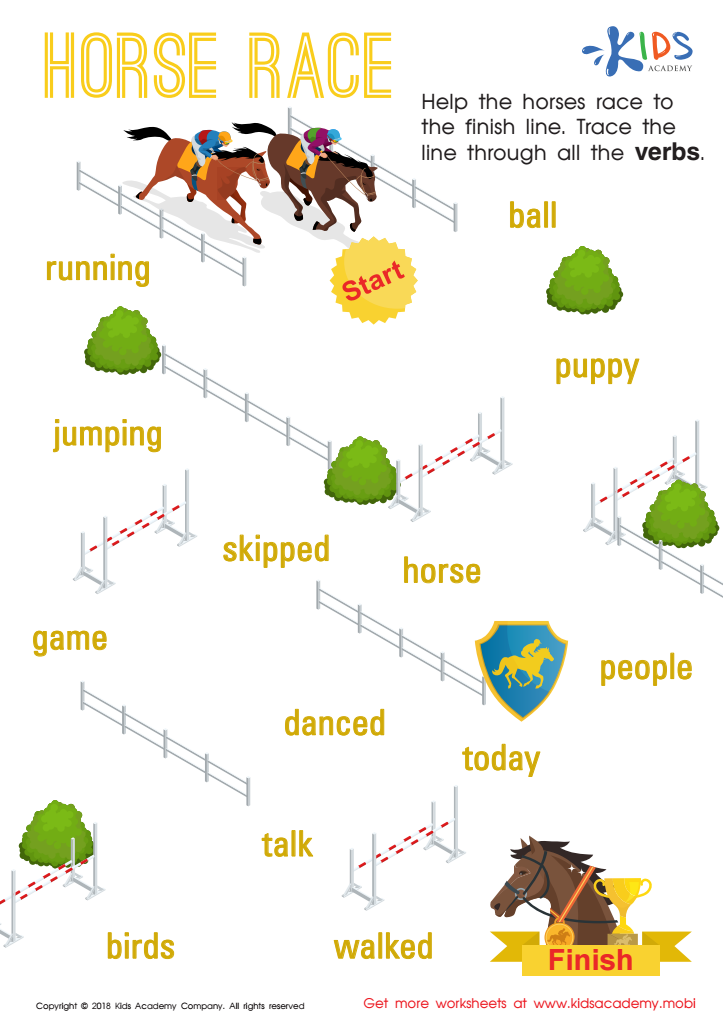
Horse Race Worksheet
 Assign to My Students
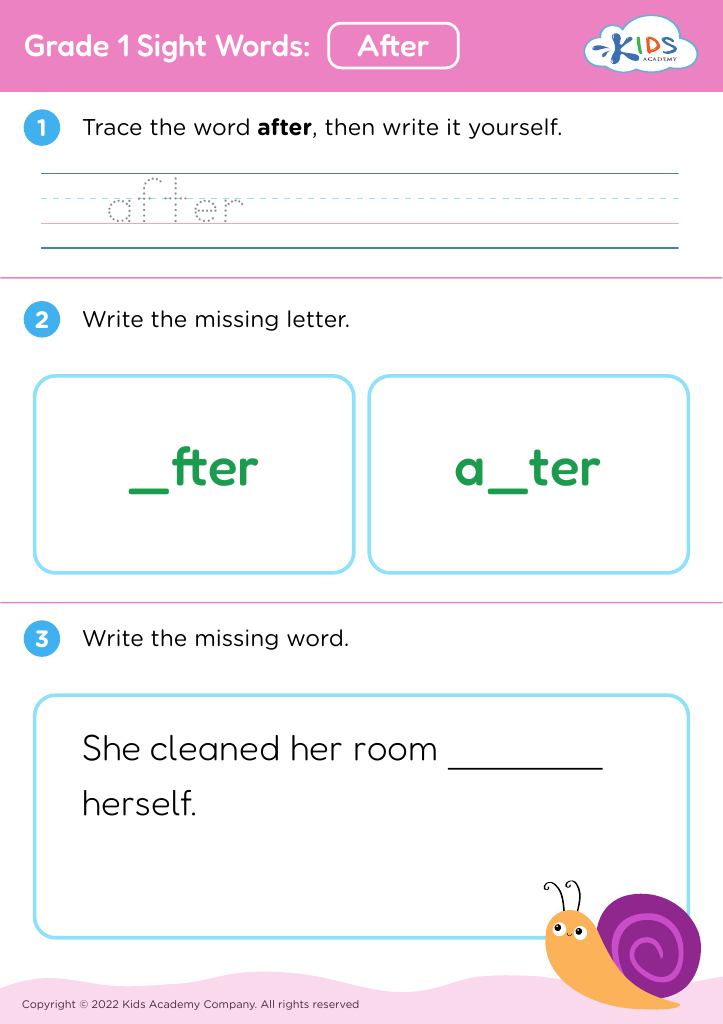
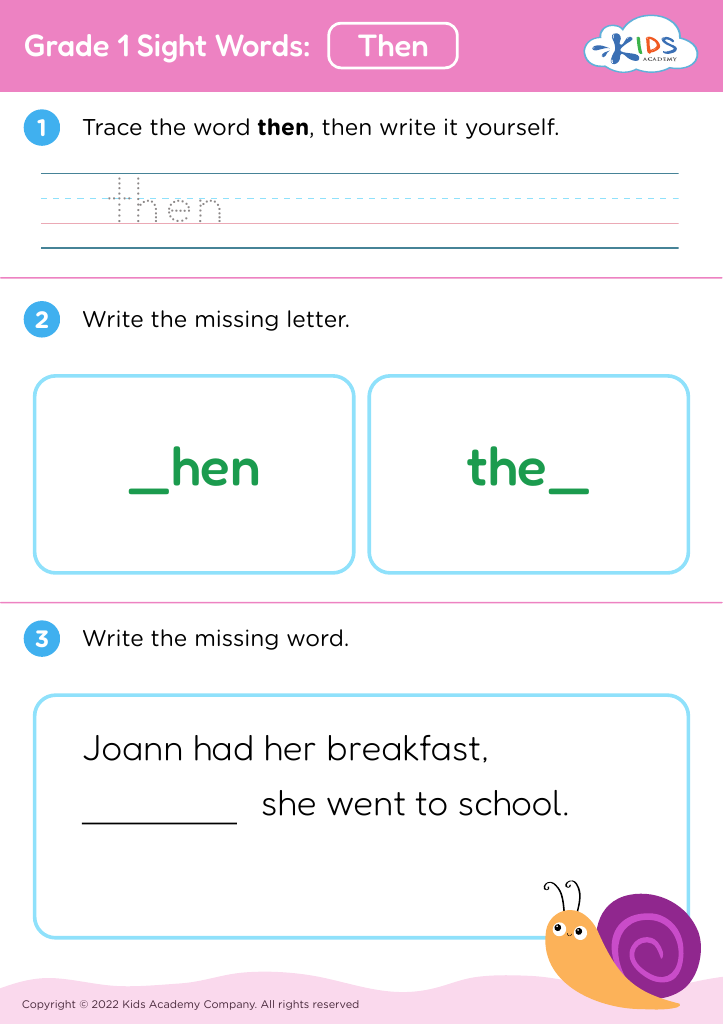
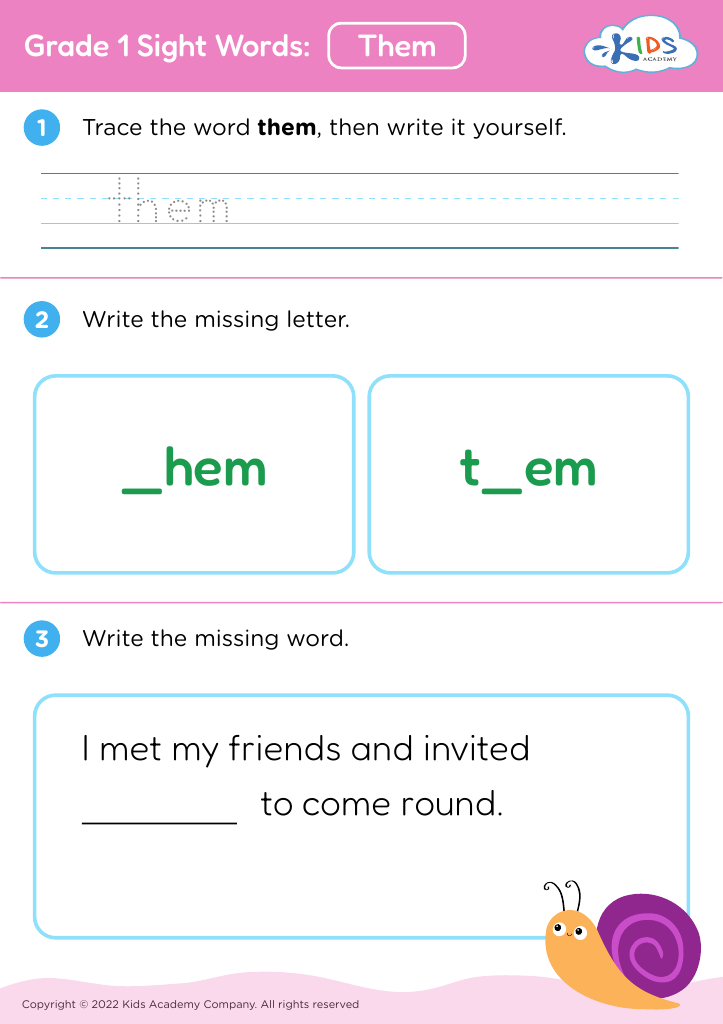







Comparing fractions is a foundational math skill that develops critical thinking and problem-solving abilities in children ages 5-9. During these formative years, children are exposed to basic mathematical concepts that form the basis for more complex ideas in later grades. Understanding how to compare fractions helps students grasp concepts such as size, quantity, and relationships between numbers, promoting numeracy skills essential for everyday life.
When parents and teachers emphasize comparing fractions, they support children's mathematical reasoning, allowing them to make informed judgments and decisions in problem-solving situations. This skill fosters a deeper understanding of division and addition of fractions, which are crucial as children progress in their education. Engaging with this concept through visual aids, manipulatives, and relatable examples enhances retention and application, making learning enjoyable. Additionally, it encourages collaboration and dialogue between peers, strengthening social and communication skills.
As students build a solid grounding in comparing fractions, it lays the groundwork for success in higher-level math topics such as ratios and proportions. Ultimately, parents and teachers should care about this skill because it not only fortifies a child’s academic journey but also enhances their confidence and persistence as learners.








