Critical Thinking Reading Worksheets for Ages 5-9 - Page 3
68 filtered results
-
From - To
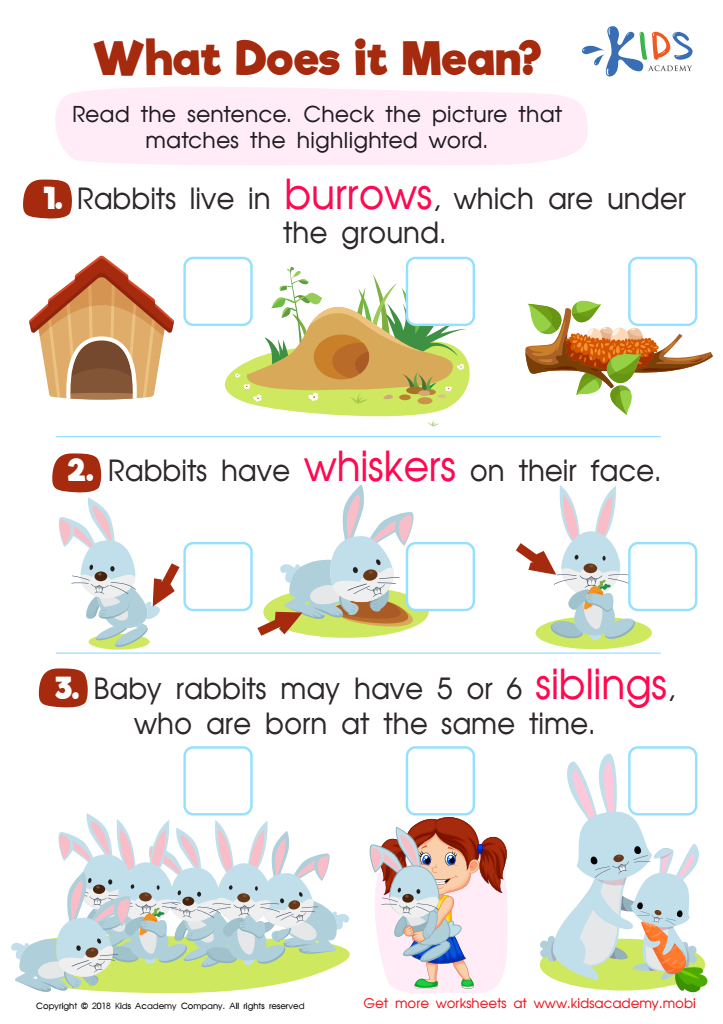
What Does It Mean? Worksheet
 Assign to My Students
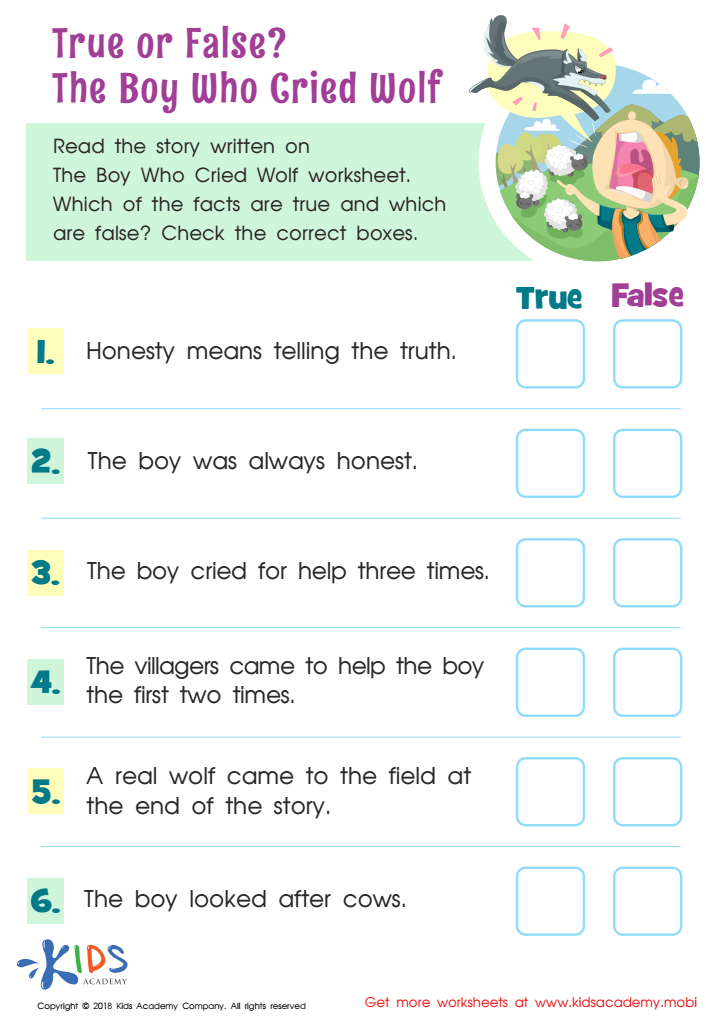
True or False? The Boy Who Cried Wolf Worksheet
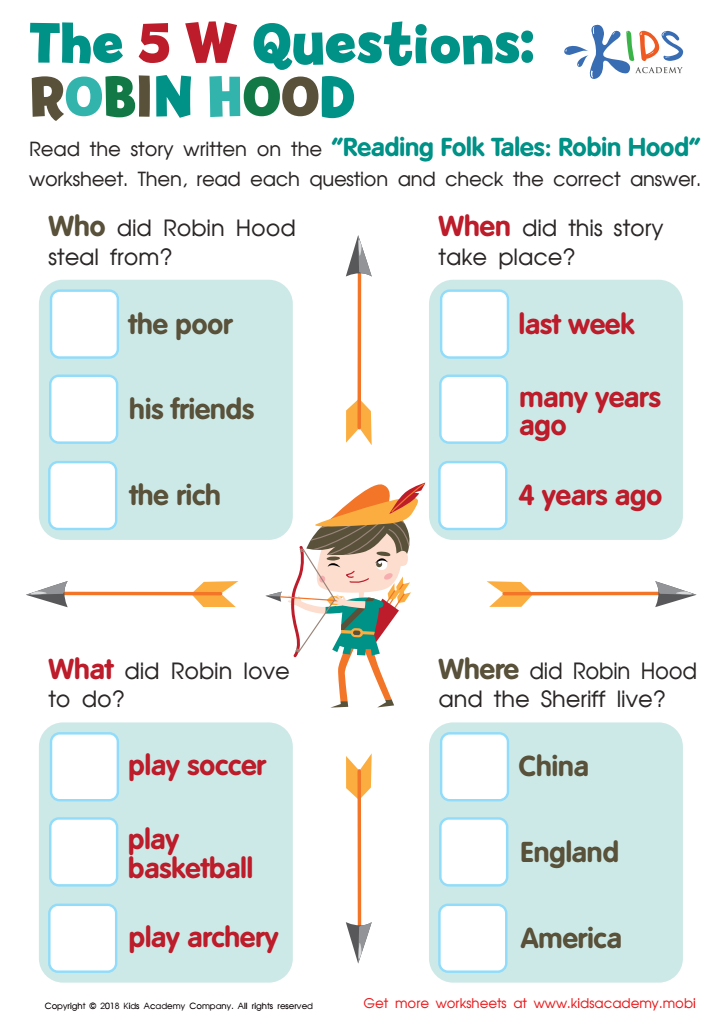
The 5 W Questions: Robin Hood Worksheet
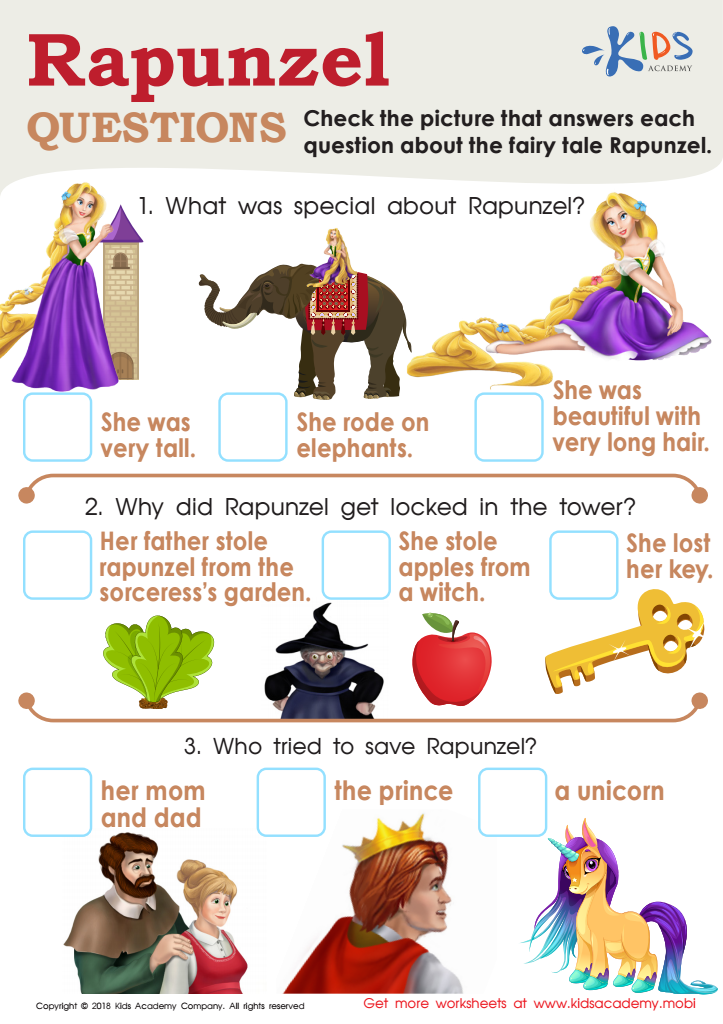
Rapunzel Questions Worksheet
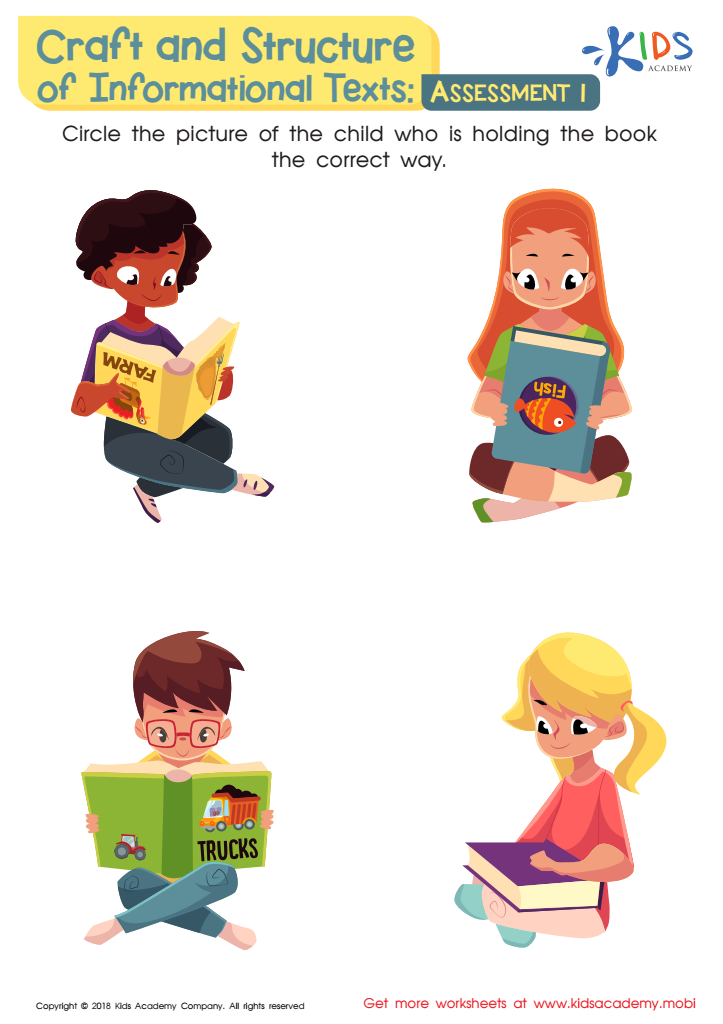
Craft and Structure of Informational Texts: Assessment 1 Worksheet
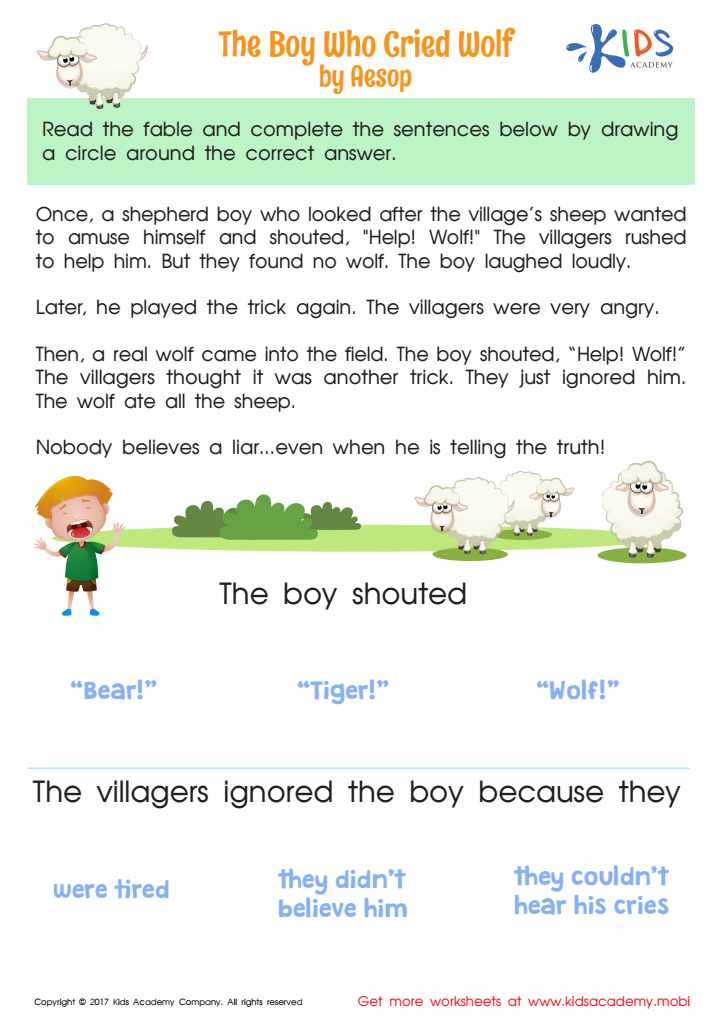
The Boy Who Cried Wolf Worksheet
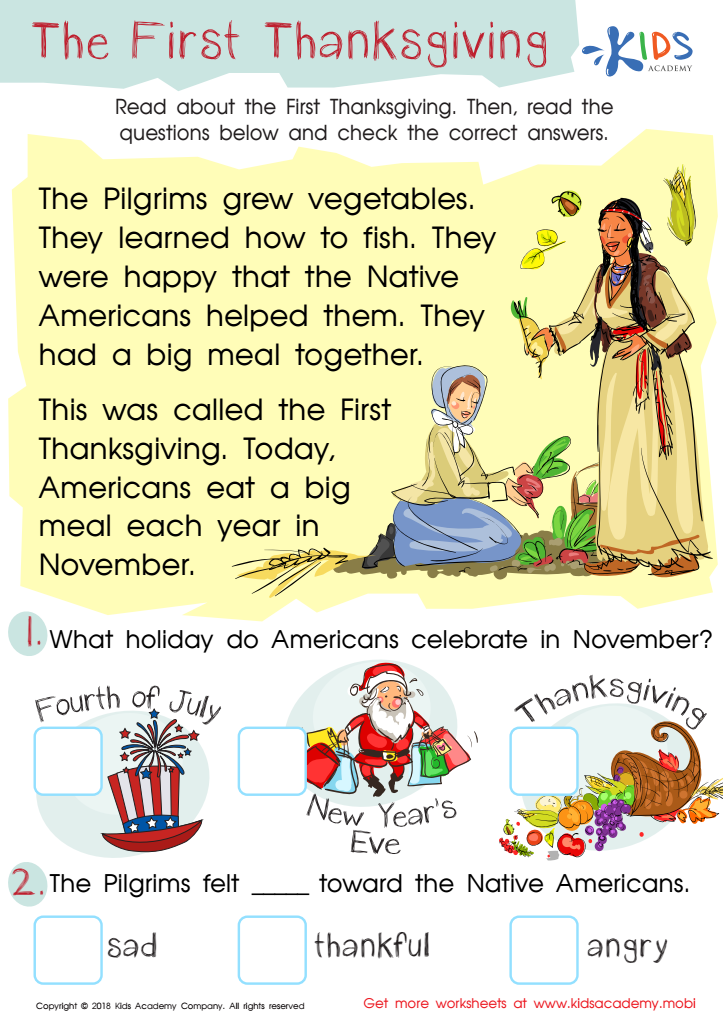
Assessment: First Thanksgiving Worksheet
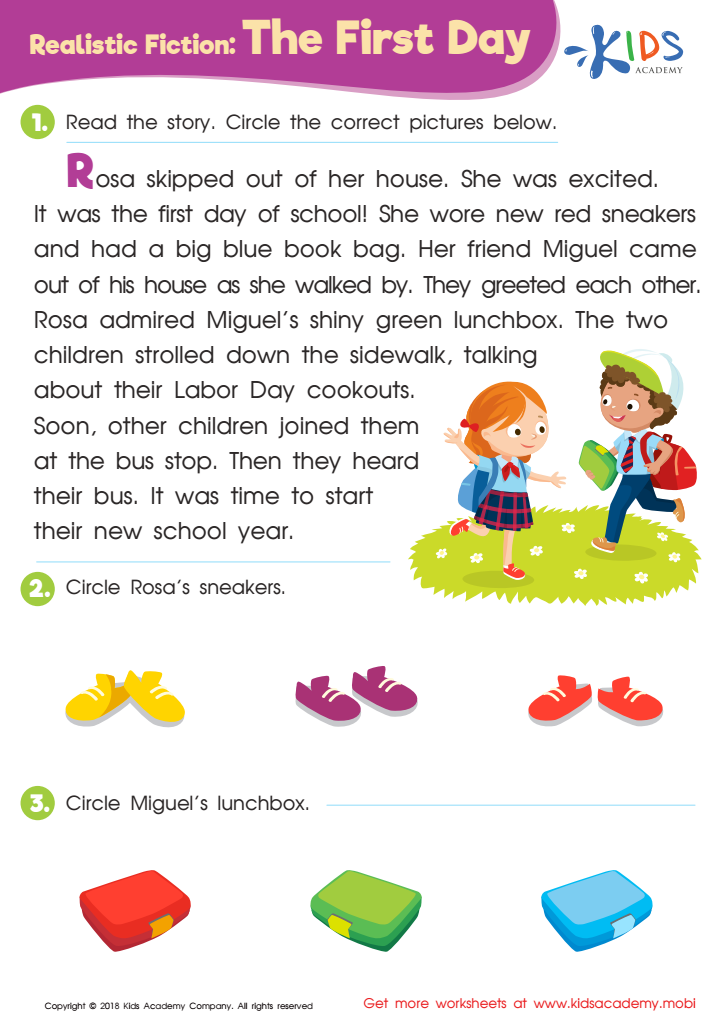
Realistic Fiction: The First Day Worksheet
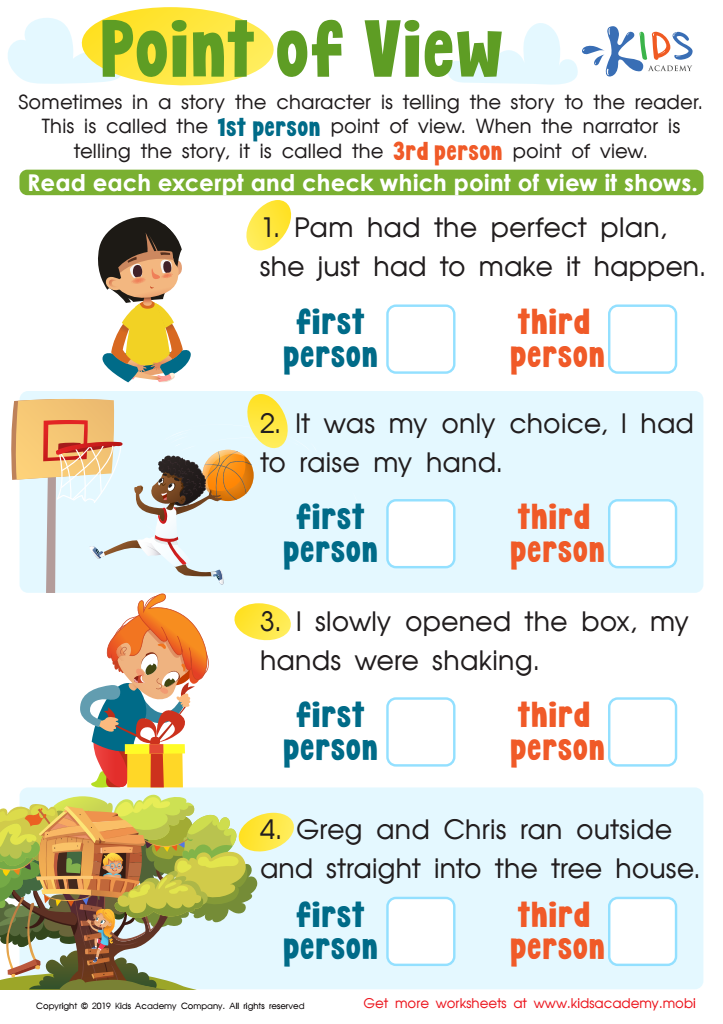
Point of View Printable
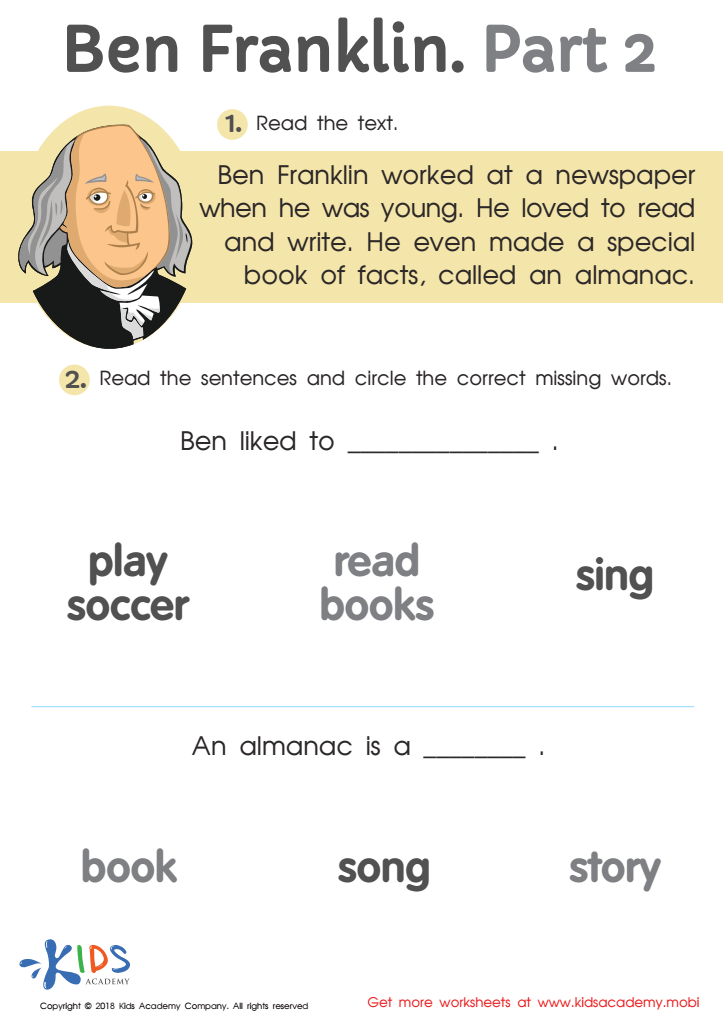
Ben Franklin Part 2 Worksheet
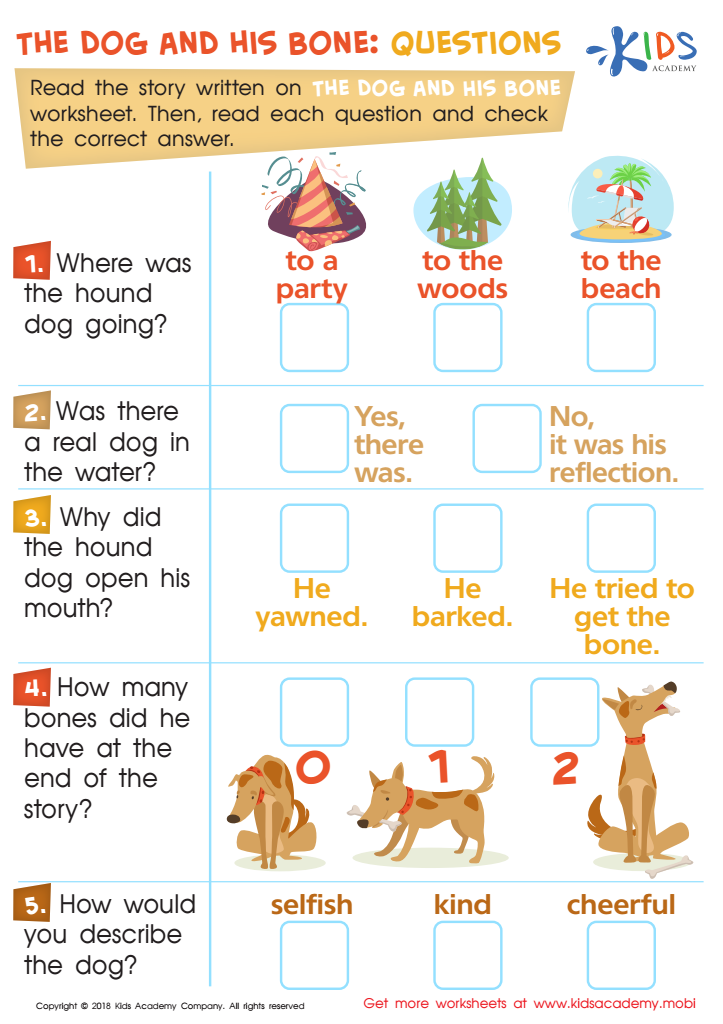
The Dog and His Bone: Questions Worksheet
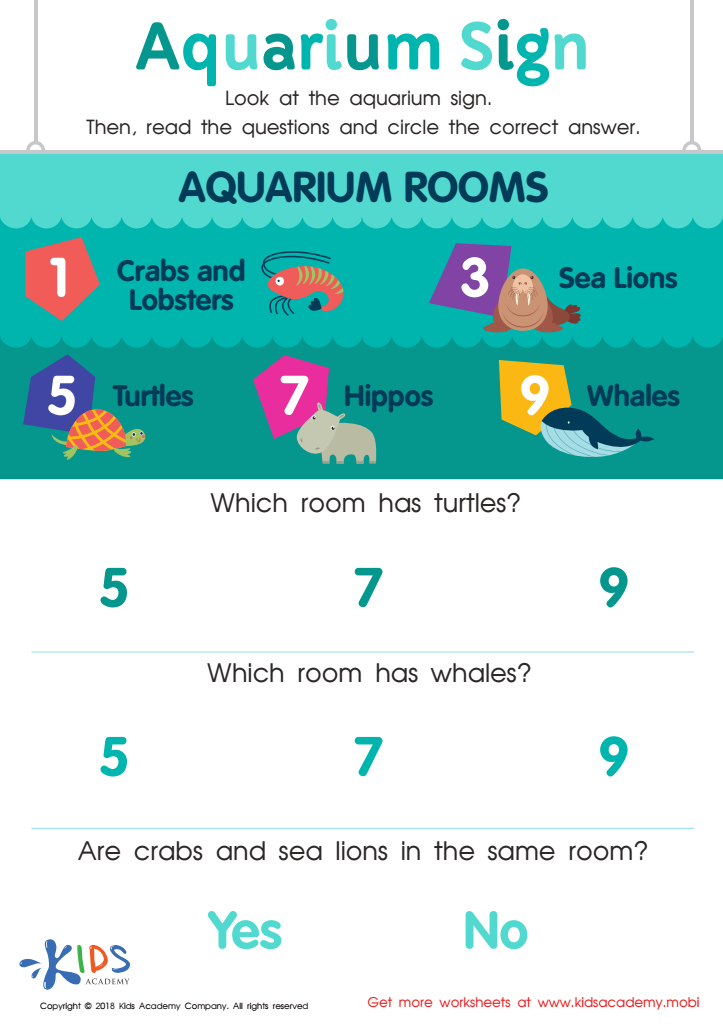
Assessment: Aquarium Sign Worksheet
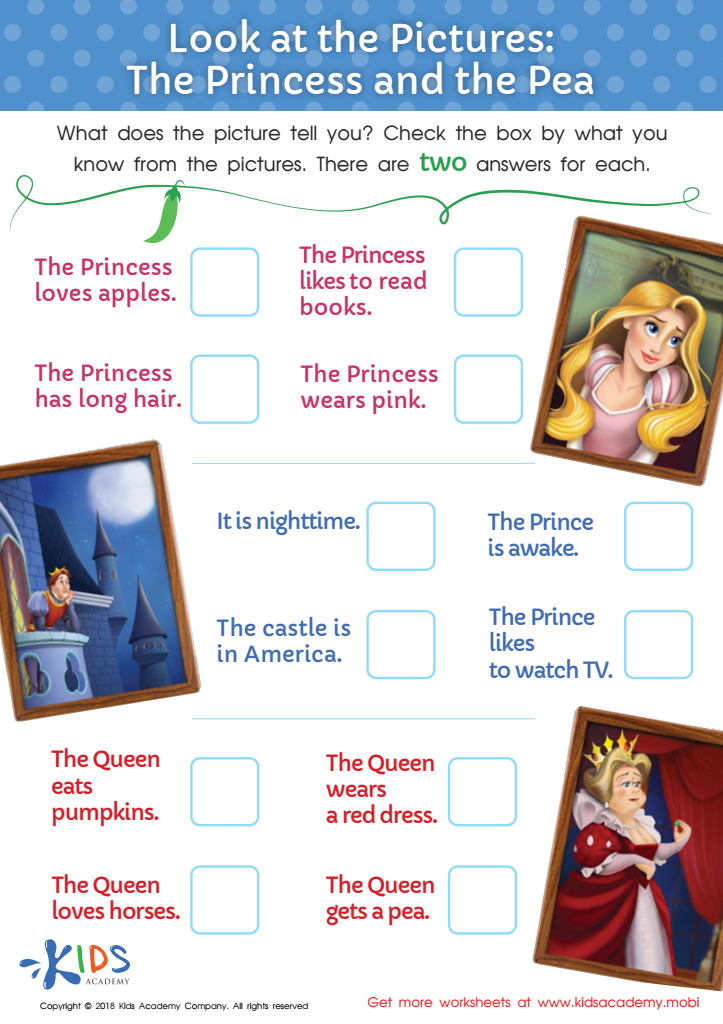
Look at the Pictures: The Princess and the Pea Worksheet
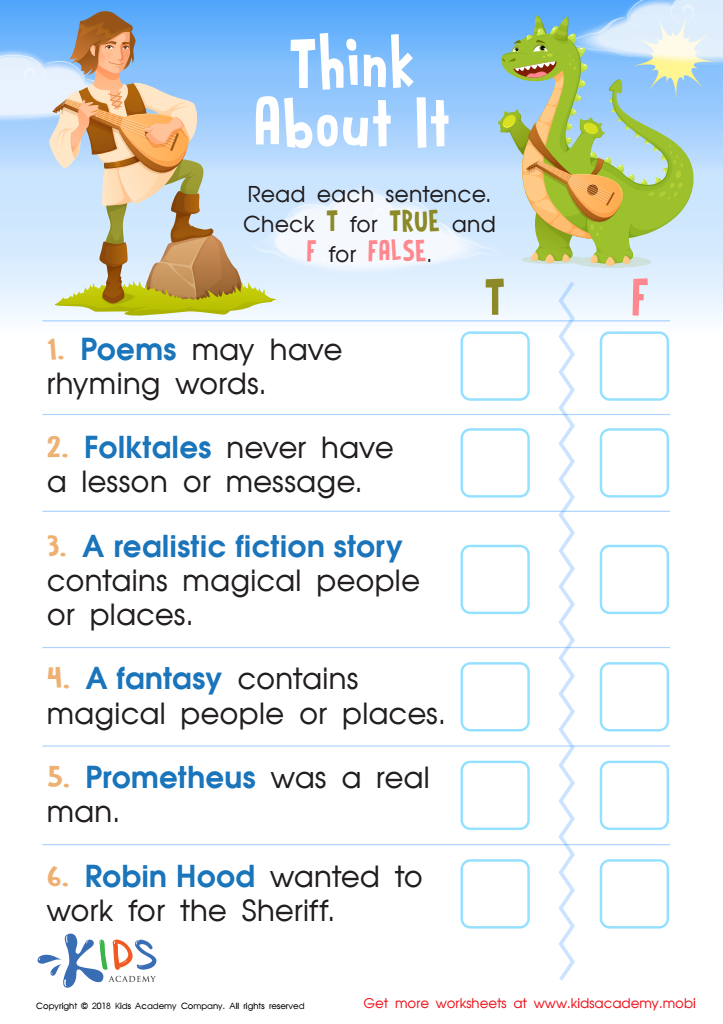
Think About It: Assessment Worksheet
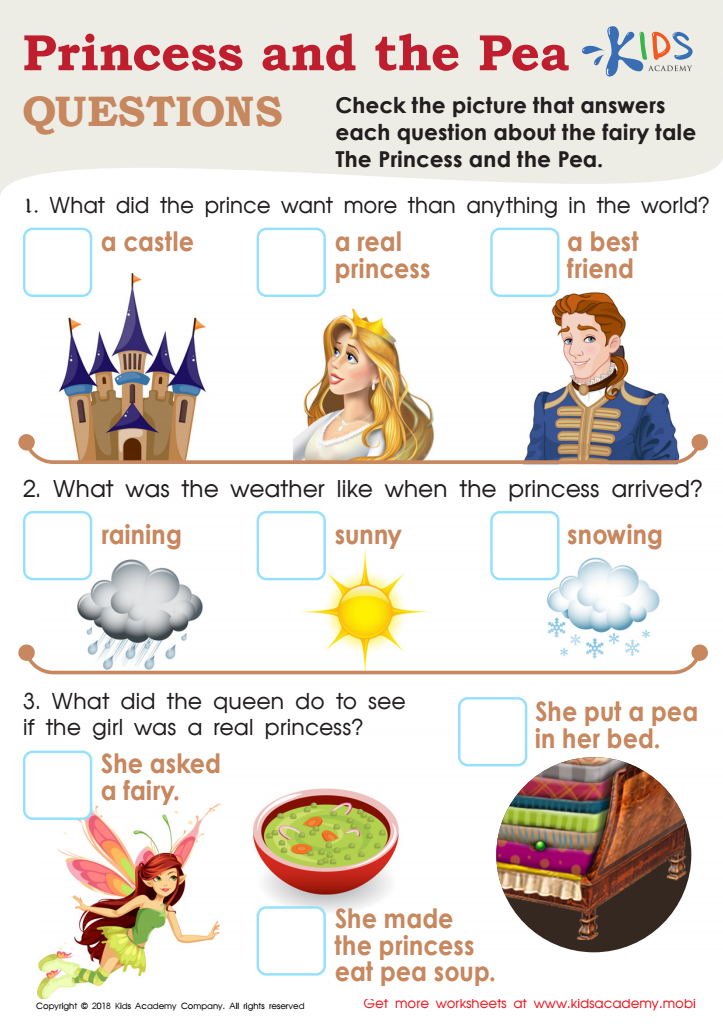
Princess and the Pea Questions Worksheet






Critical thinking reading is crucial for children ages 5-9 as it lays the foundation for their cognitive development and lifelong learning. At this stage, children begin to develop their comprehension skills, and engaging them in critical thinking encourages deeper understanding of texts. By analyzing, synthesizing, and evaluating information, young readers learn to discern fact from fiction, enhancing their ability to navigate the vast amount of information they encounter daily.
Parents and teachers should prioritize this skill because it fosters independent thinking, problem-solving capabilities, and creativity. When children ask questions about what they read, make predictions, and draw conclusions, they become more active participants in their learning process. This engagement not only enriches their literacy skills but also builds confidence, laying the groundwork for future academic success.
Moreover, developing critical thinking skills in early readers positively influences their emotional intelligence and social interactions, enabling them to engage meaningfully with others. In an age where information is abundant and diverse, nurturing critical thinking helps children become discerning readers and informed citizens. Therefore, prioritizing critical thinking reading is essential for parents and teachers aiming to cultivate well-rounded, thoughtful, and adaptable learners.








