Drawing skills Reading Worksheets for Ages 5-9
3 filtered results
-
From - To
Enhance your child's reading and drawing skills with our engaging Drawing Skills Reading Worksheets designed for ages 5-9. These interactive worksheets combine creativity and literacy, allowing young learners to express their understanding of stories through illustrations. As they connect words with visuals, children improve their comprehension and unleash their artistic talents. Our worksheets offer step-by-step guidance, fun activities, and relatable themes that captivate young minds. Perfect for home or classroom use, these resources support early reading development while fostering a love for art. Explore our collection today and watch your little ones thrive in both reading and drawing!
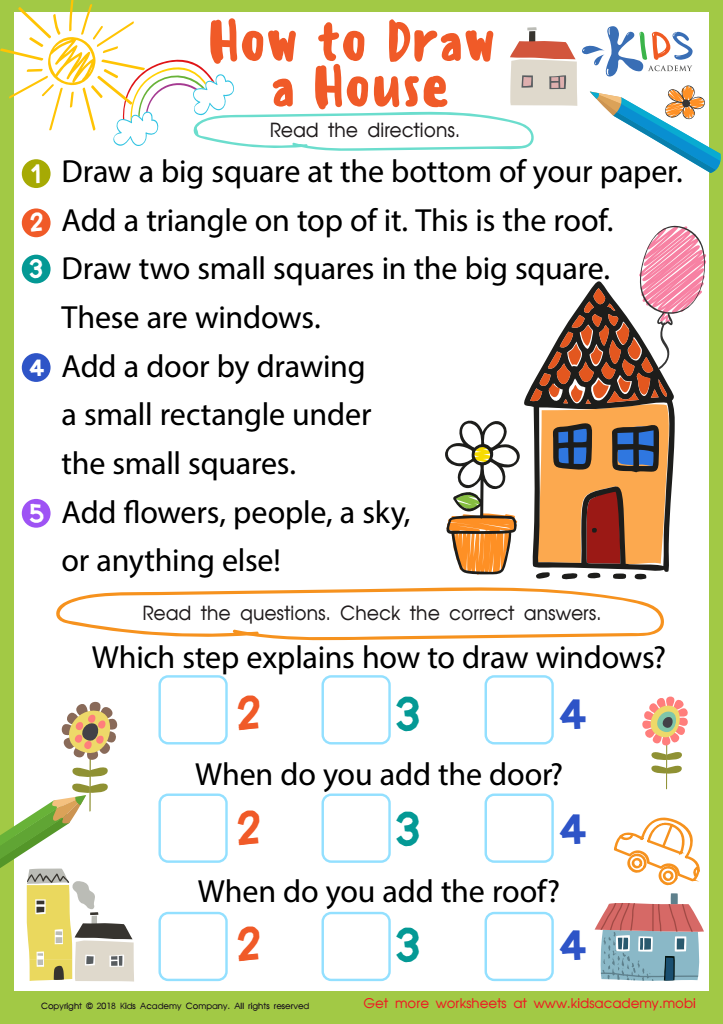
How to Draw House Worksheet
 Assign to My Students
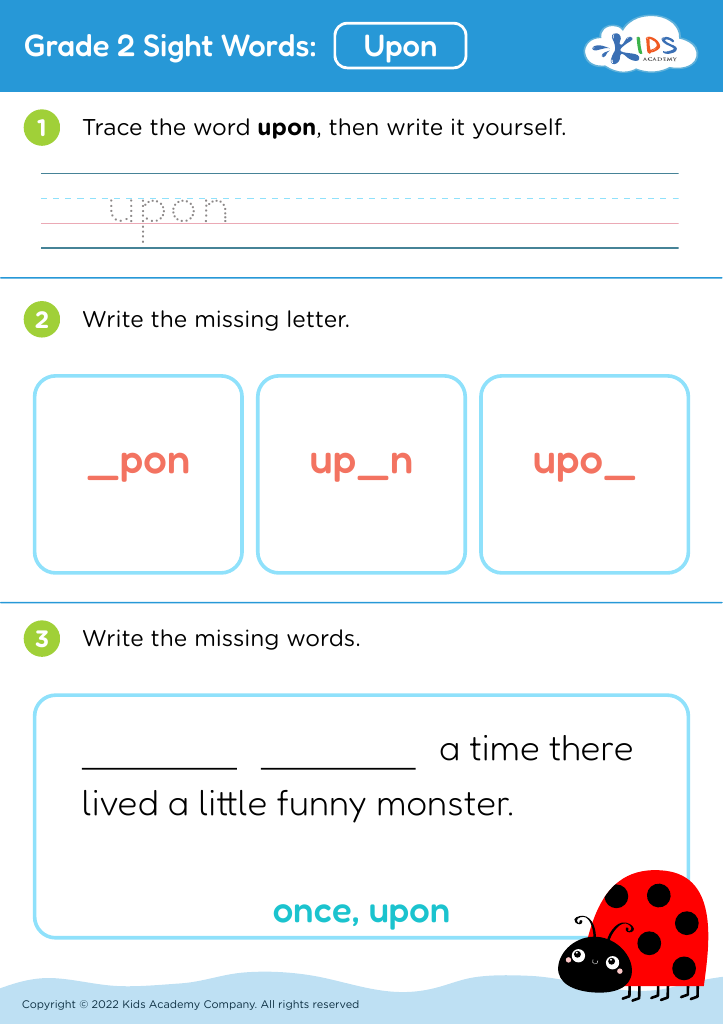
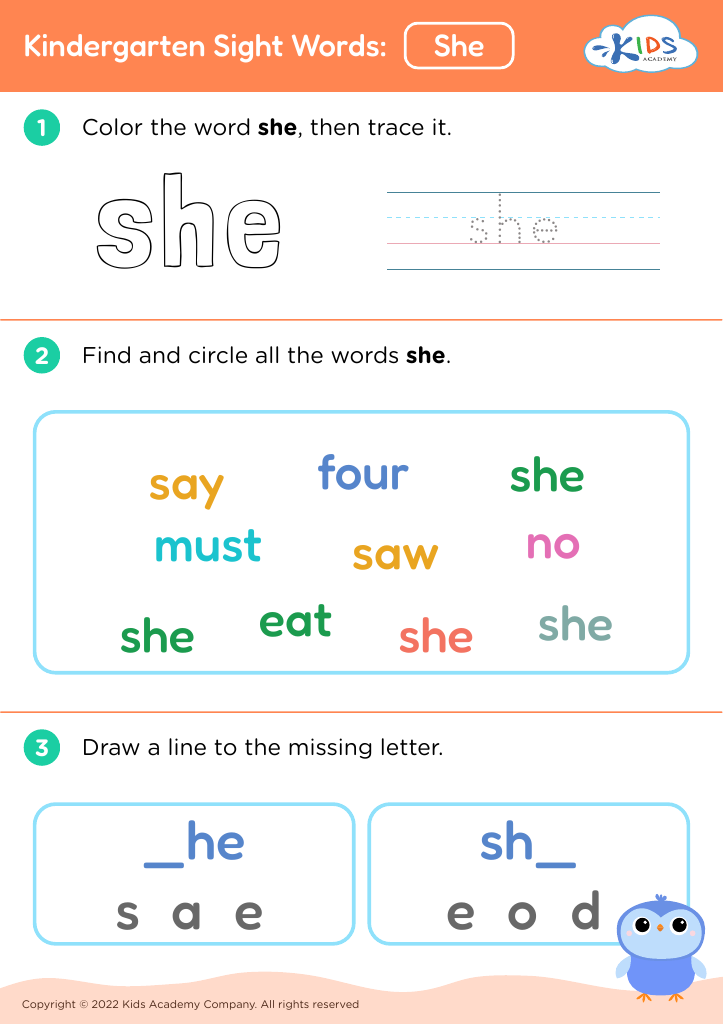







Drawing skills are increasingly recognized as an essential component of a child's overall development, particularly in the age group of 5-9 years. Parents and teachers should prioritize fostering these skills because they lay the groundwork for reading and writing proficiency. Drawing encourages creativity, self-expression, and critical thinking, helping children visualize concepts and ideas they encounter in narratives and texts.
As children draw, they develop fine motor skills, which are crucial for grasping writing tools and eventually forming letters and words. Moreover, engaging in drawing helps them understand storytelling elements like sequence, perspective, and emotion, enriching their comprehension and connection to reading materials.
Moreover, the act of drawing can serve as a bridge between verbal and visual communication. It provides children with a platform to express thoughts and feelings when words might fail them, creating a more inclusive learning environment. This is especially beneficial for children who may struggle with traditional literacy skills, as drawing can empower them to narrate their stories uniquely.
In summary, nurturing drawing skills in children can significantly contribute to enhancing their reading abilities, instilling a lifelong love for learning and literacy. Parents and teachers play a vital role in supporting this multifaceted development.








