Fine Motor Skills Reading Worksheets for Ages 5-9 - Page 3
52 filtered results
-
From - To
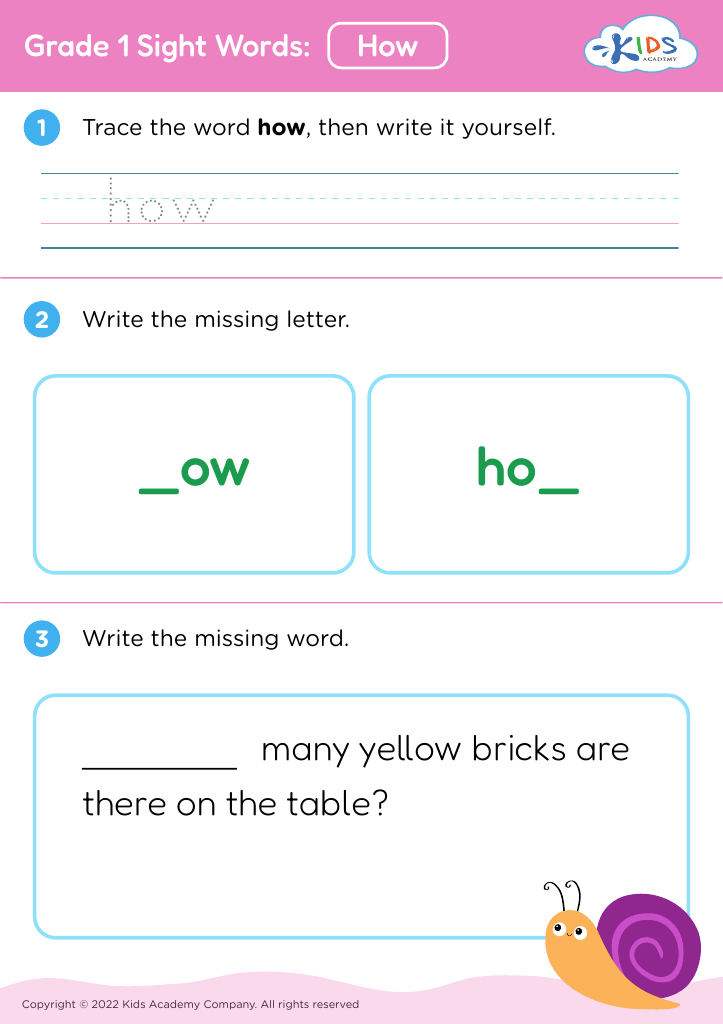
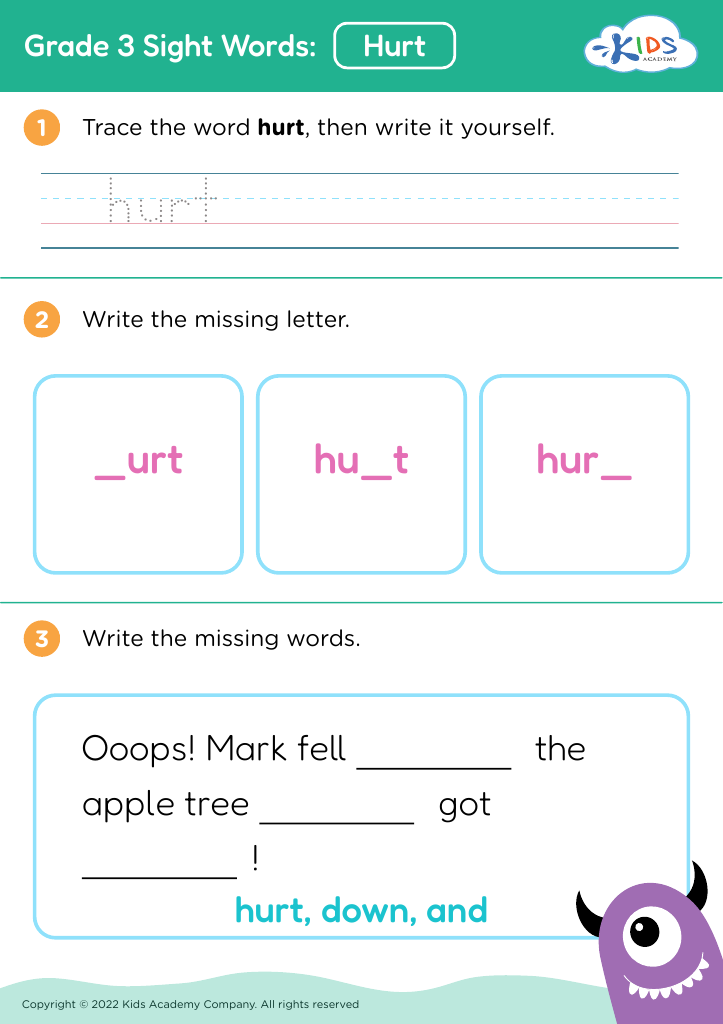
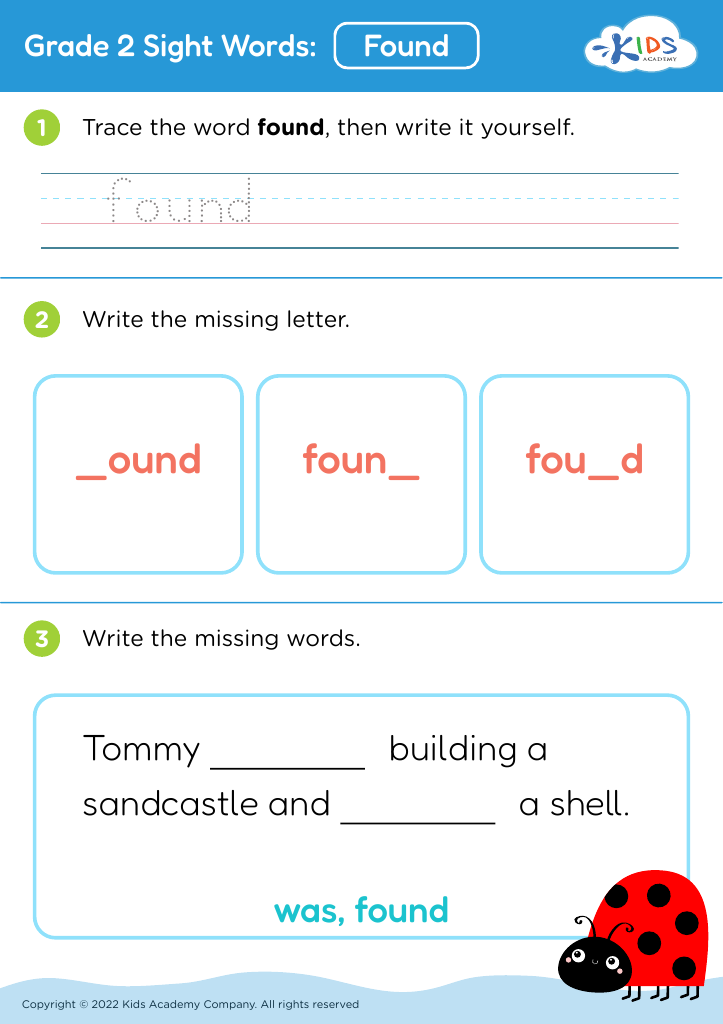
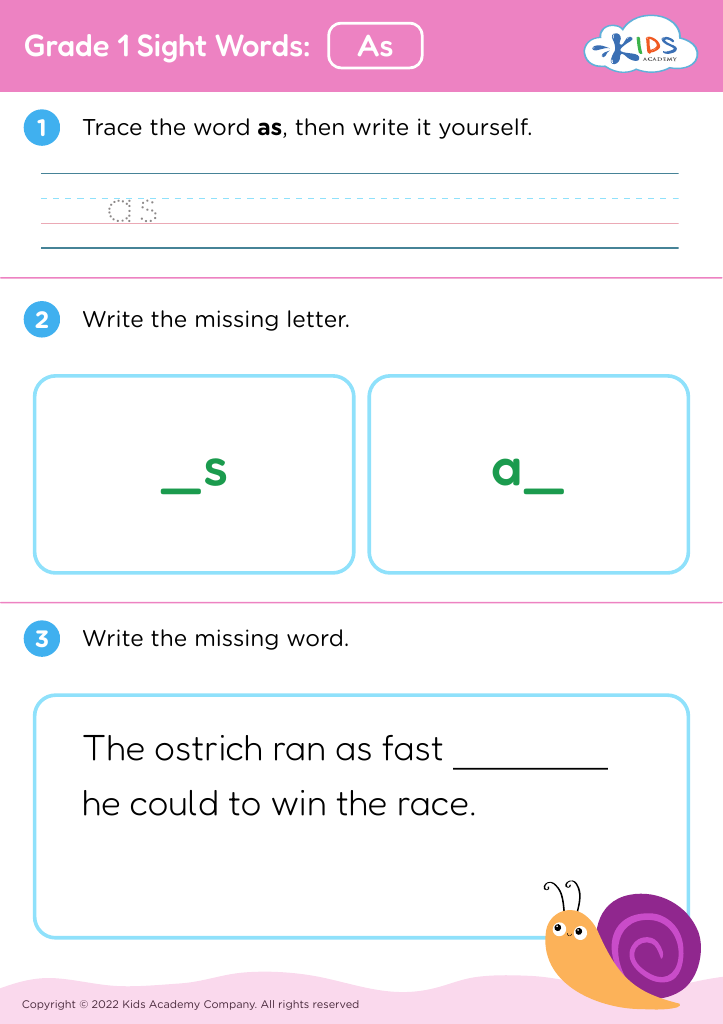








Fine motor skills are crucial for children aged 5-9 as they play a significant role in academic and everyday functionalities. For parents and teachers, understanding the importance of fine motor skills in reading development is essential for several reasons.
Firstly, fine motor skills contribute to the physical aspects of reading, such as holding a book, turning pages, and manipulating writing tools. Children with strong fine motor skills can better control a pencil or crayon, aiding in effective handwriting and the ability to take notes or underline important text.
Additionally, developing fine motor skills supports foundational literacy activities, such as cutting out letters, sculpting shapes, or using manipulative letters, which reinforces engagement with reading materials. Children with advanced fine motor skills often exhibit higher confidence and enthusiasm, impacting their willingness to participate in reading activities.
Finally, fine motor abilities foster problem-solving skills and creativity, important aspects of comprehension and critical thinking; both are essential for successful reading. By supporting the development of these skills through engaging and varied activities, parents and teachers can provide a well-rounded approach to literacy that enhances a child’s overall educational experience. Their early investment in fine motor skills will reflect in their child's cognitive and social-emotional growth.








