Historical Knowledge Reading Worksheets for Ages 5-9
6 filtered results
-
From - To
Enhance your child's understanding of the past with our "Historical Knowledge Reading Worksheets for Ages 5-9." These engaging activities are crafted to make history come alive for young learners, seamlessly blending fun and education. Each worksheet is designed to promote comprehension skills while introducing pivotal events and figures in history. Through gripping stories and interactive tasks, children explore various historical periods, boosting their curiosity and fostering a lifelong interest in learning. Perfect for classroom and at-home practice, our worksheets help solidify foundational historical knowledge, encouraging critical thinking and a deeper appreciation of our world’s heritage.
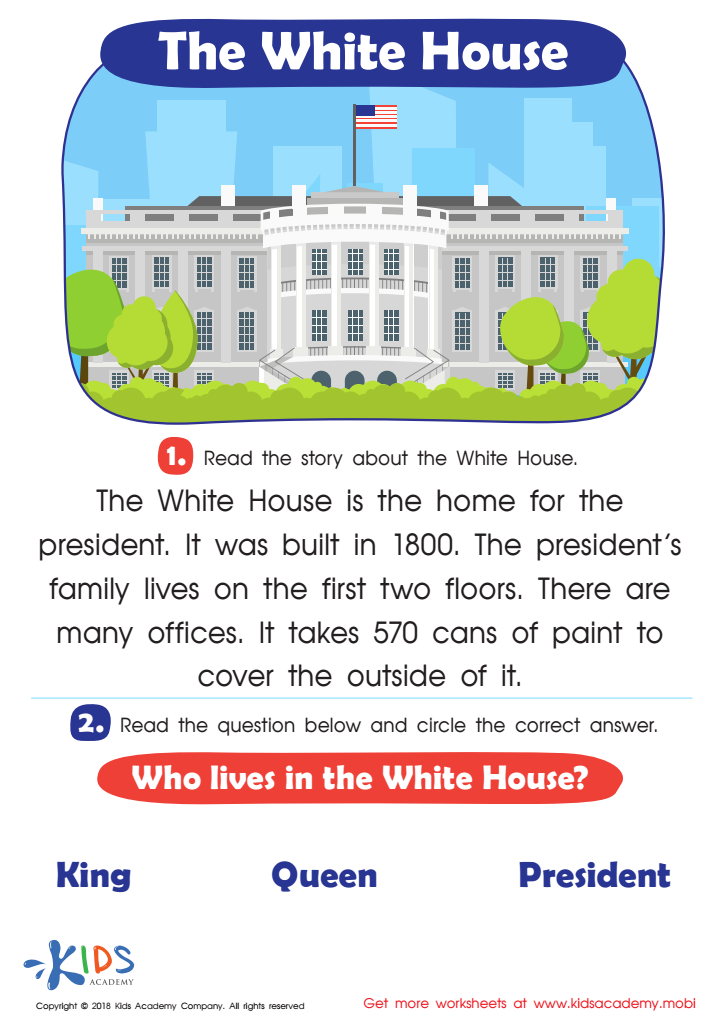
White House Worksheet
 Assign to My Students
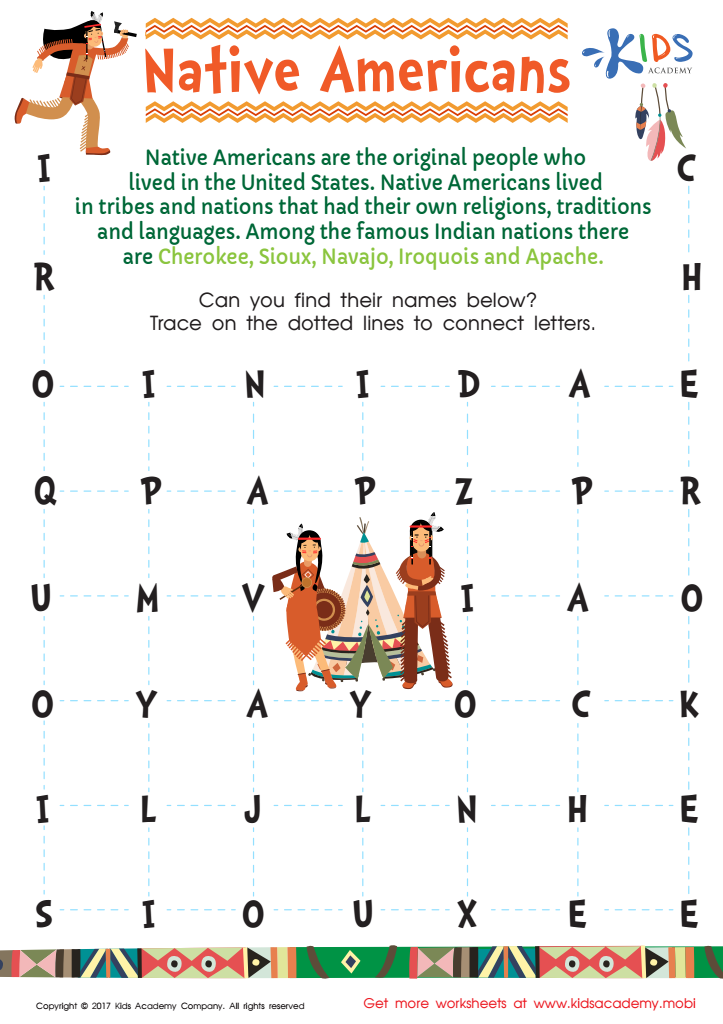
Native American Word Search Printable
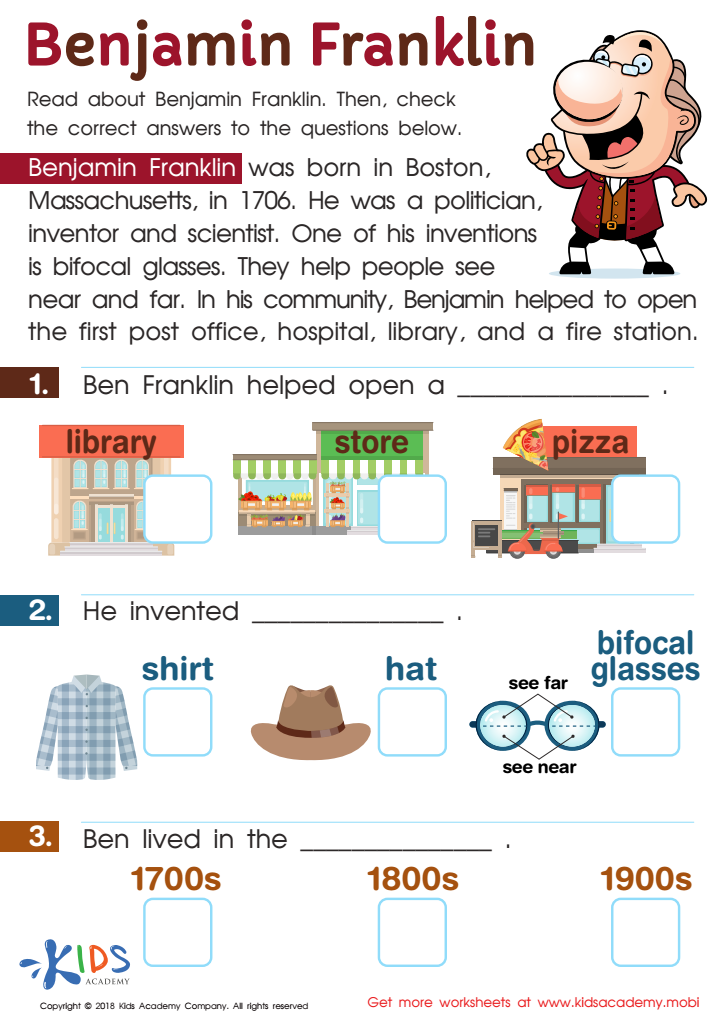
Benjamin Franklin Worksheet
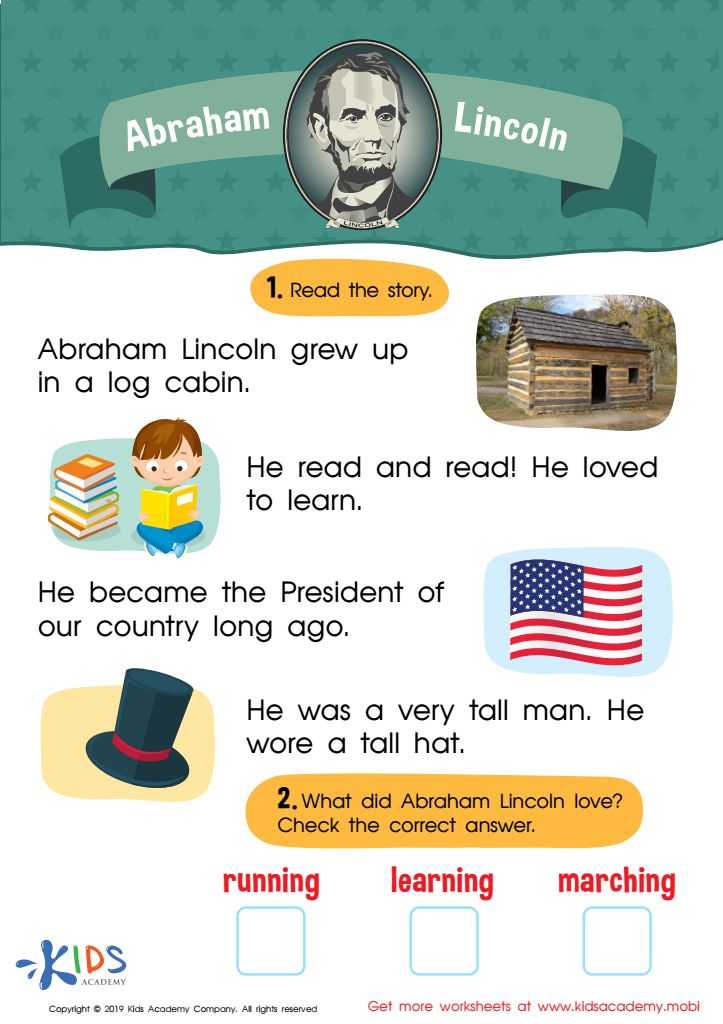
Abraham Lincoln Worksheet
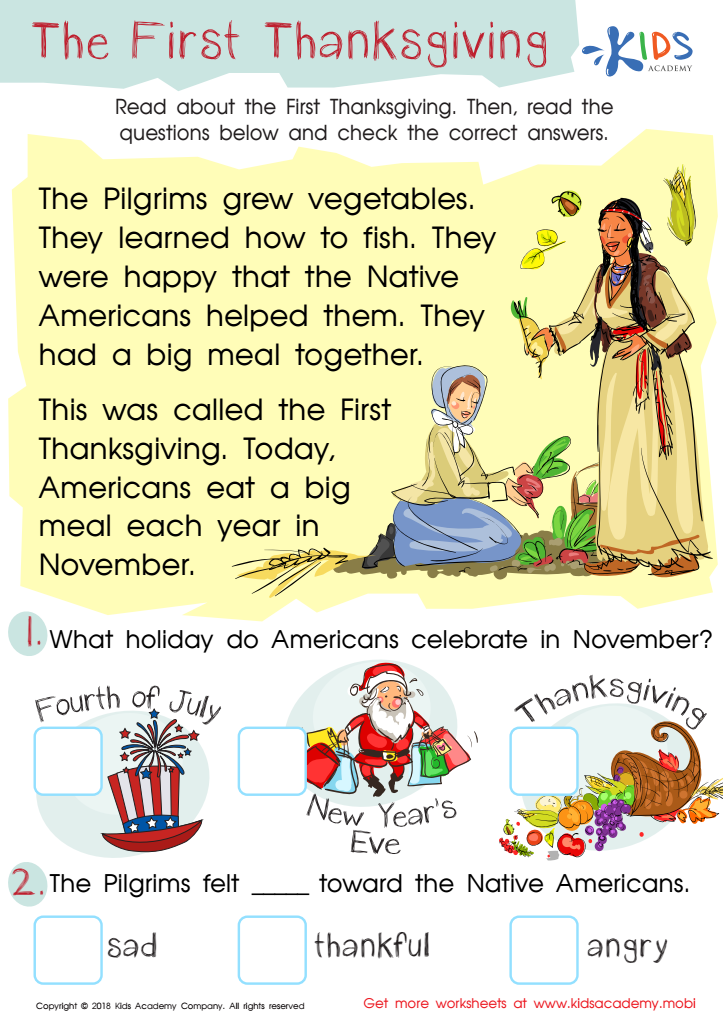
Assessment: First Thanksgiving Worksheet
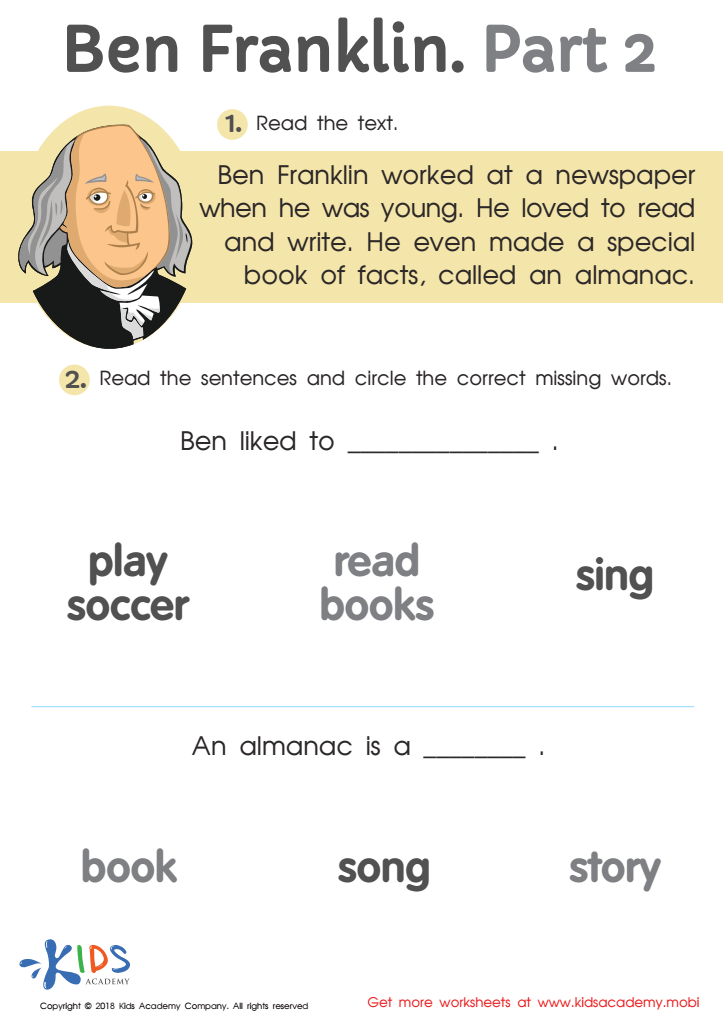
Ben Franklin Part 2 Worksheet



.jpg)

.jpg)

Parents and teachers should deeply care about instilling historical knowledge in children ages 5-9, as it lays the foundation for a well-rounded education. Introducing young minds to history fosters critical thinking by helping them understand cause and effect, develop empathy, and grasp the gradual evolution of society. Historical stories, when simplified and engaging, ignite curiosity and imagination, transporting children to different times and cultures, thus enhancing their cognitive and emotional development.
Moreover, knowledge of history anchors a child’s identity and helps them understand their roots and cultural background. For example, learning about national holidays, significant historical figures, and key events aids in building a sense of pride and belonging. It teaches children the importance of values such as courage, perseverance, and innovation evident in historical narratives.
Teachers and parents also benefit from integrating history into early reading because it supports literacy skills. Historical stories naturally enrich vocabulary, reinforce reading comprehension, and make abstract concepts tangible. This encourages a love for reading and lifelong learning. Lastly, understanding diverse histories breeds open-mindedness and tolerance towards different cultures and perspectives, crucial for nurturing global citizens in an interconnected world. In essence, reading historical content at an early age equips children with intellectual tools and moral compasses essential for their future success.








