Math problem-solving Reading Worksheets for Ages 5-9
7 filtered results
-
From - To
Enhance your child's critical thinking and reading skills with our Math Problem-Solving Reading Worksheets for Ages 5-9. These engaging worksheets are designed to merge reading comprehension with essential math problem-solving practice. Perfect for young learners, they offer a variety of fun, interactive activities that build foundational skills in both subjects. Each worksheet encourages kids to read carefully, understand the context, and solve math problems using logical reasoning. Ideal for classroom or home use, our printable resources help develop confident readers and thinkers ready to tackle more complex challenges. Unlock the joy of learning today!
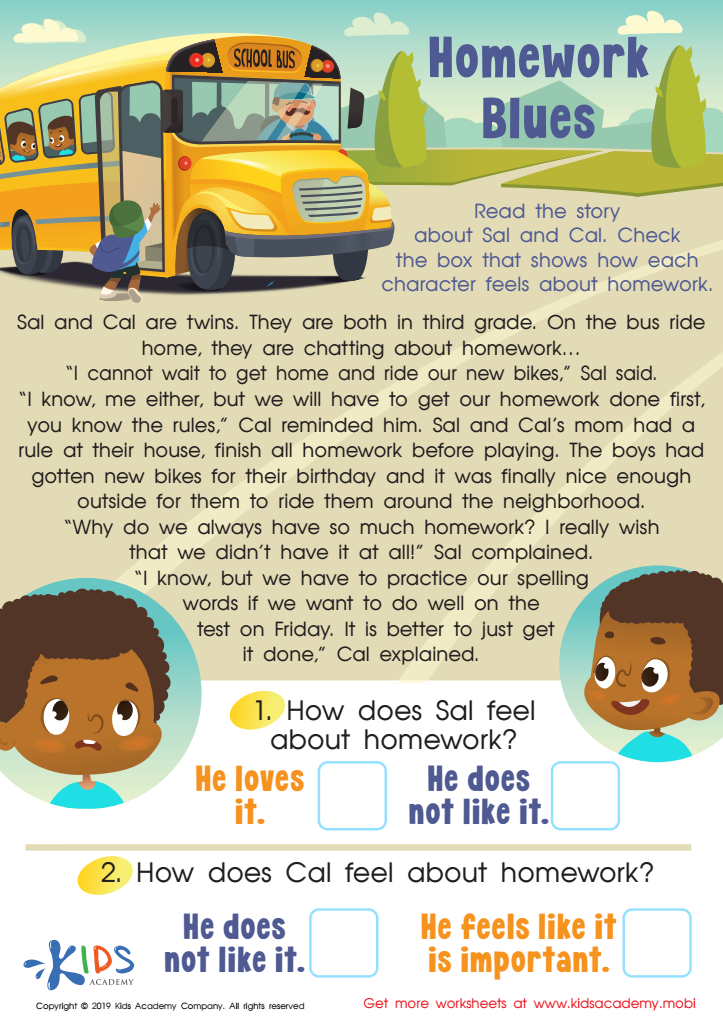
Homework Blues Worksheet
 Assign to My Students
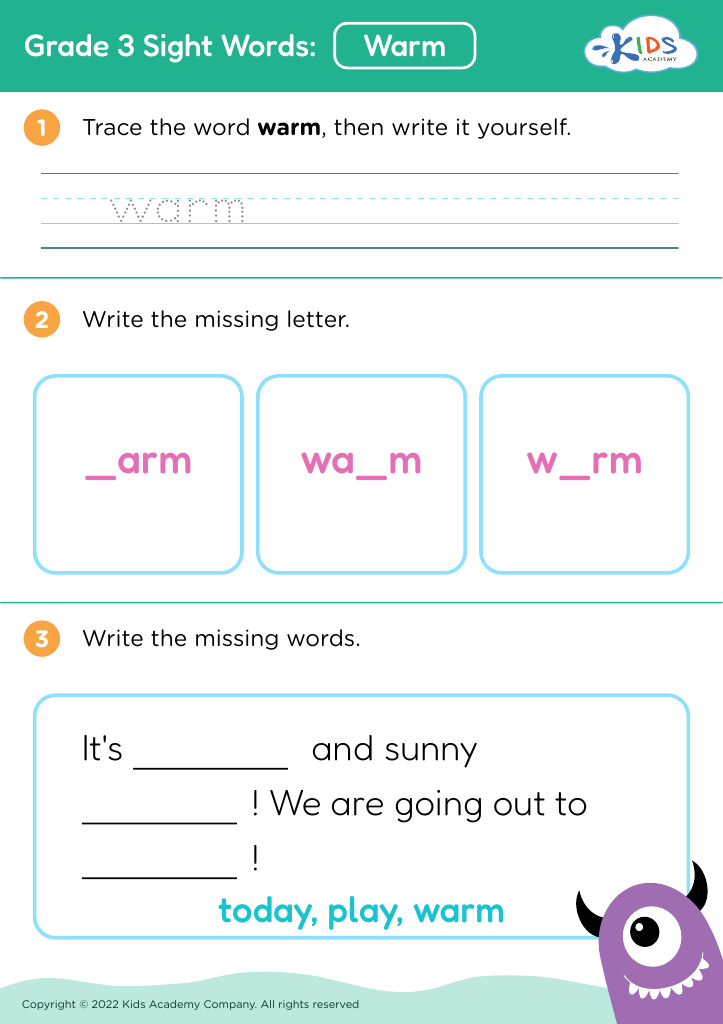
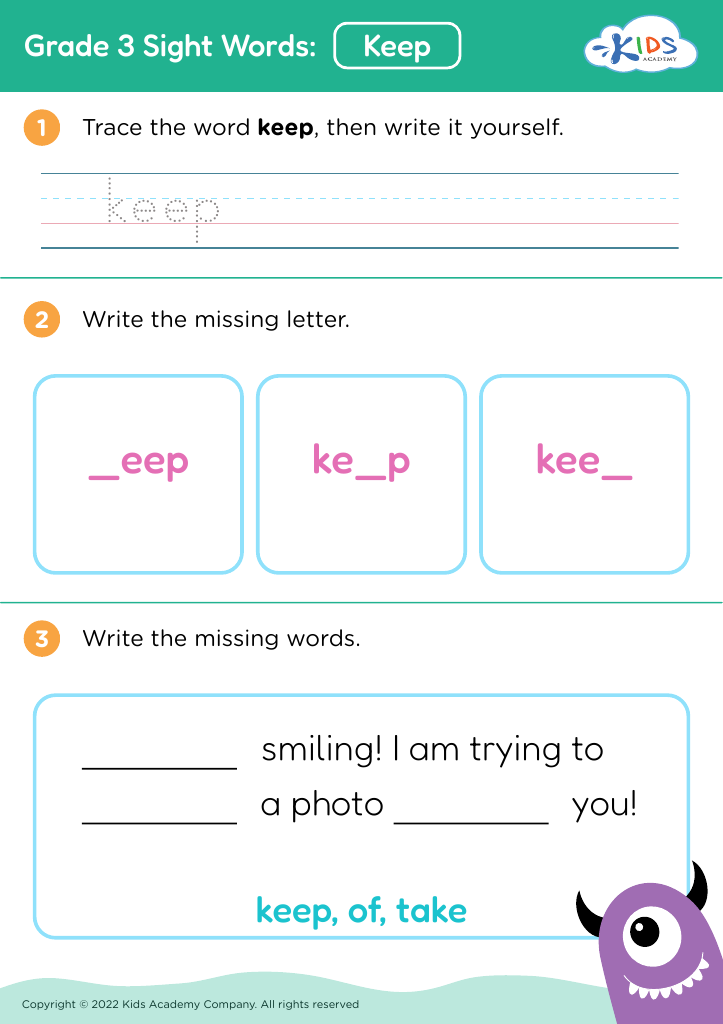
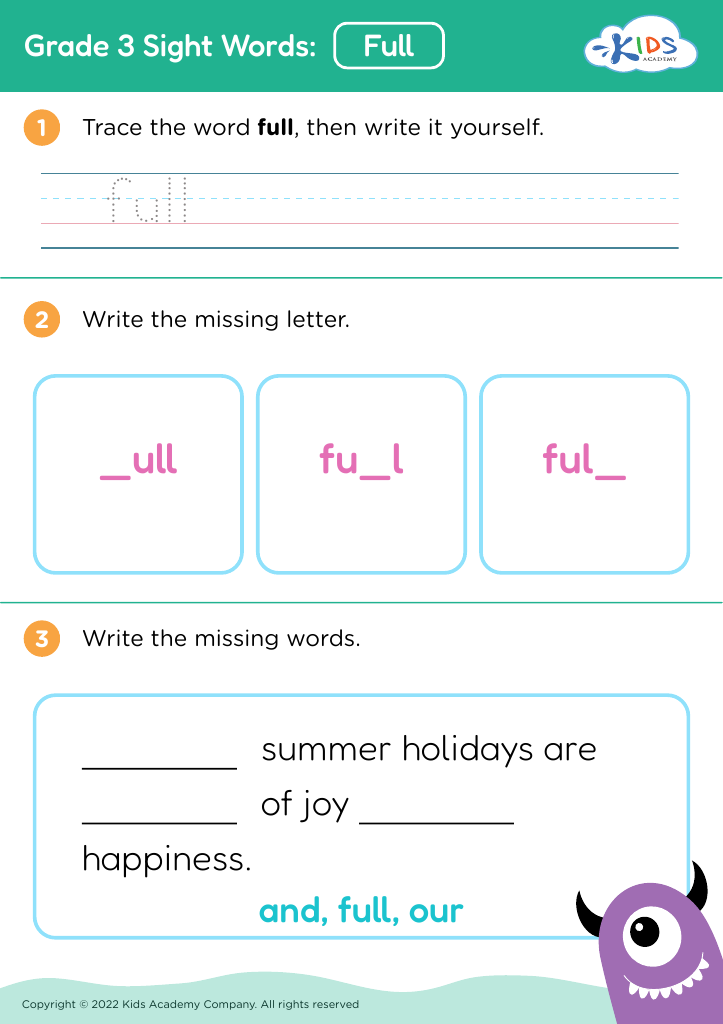
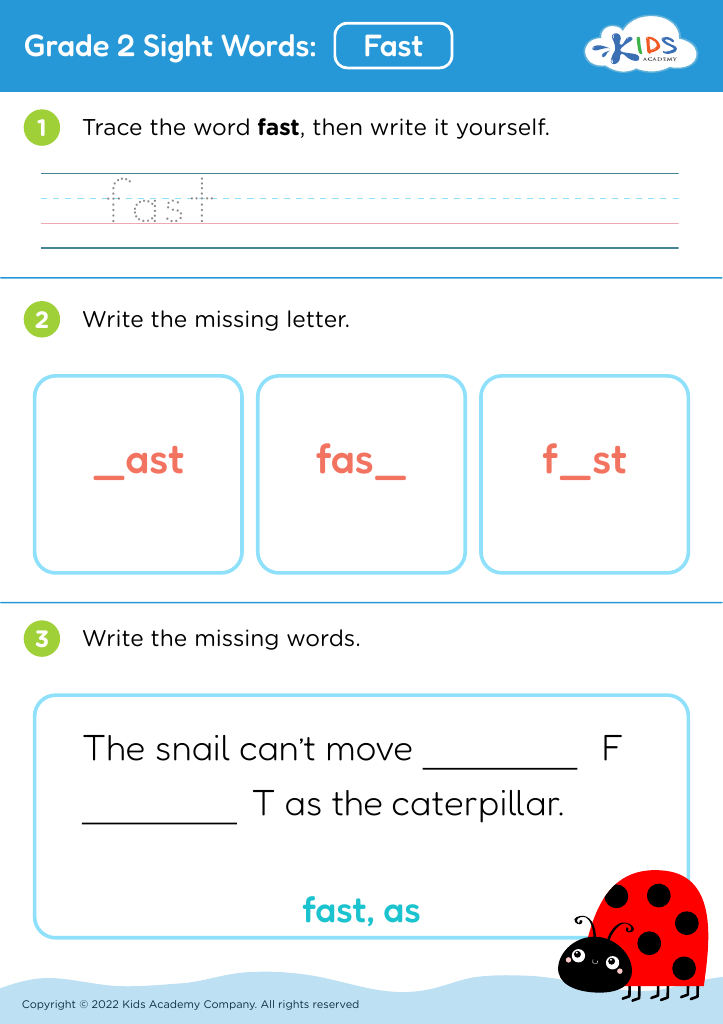
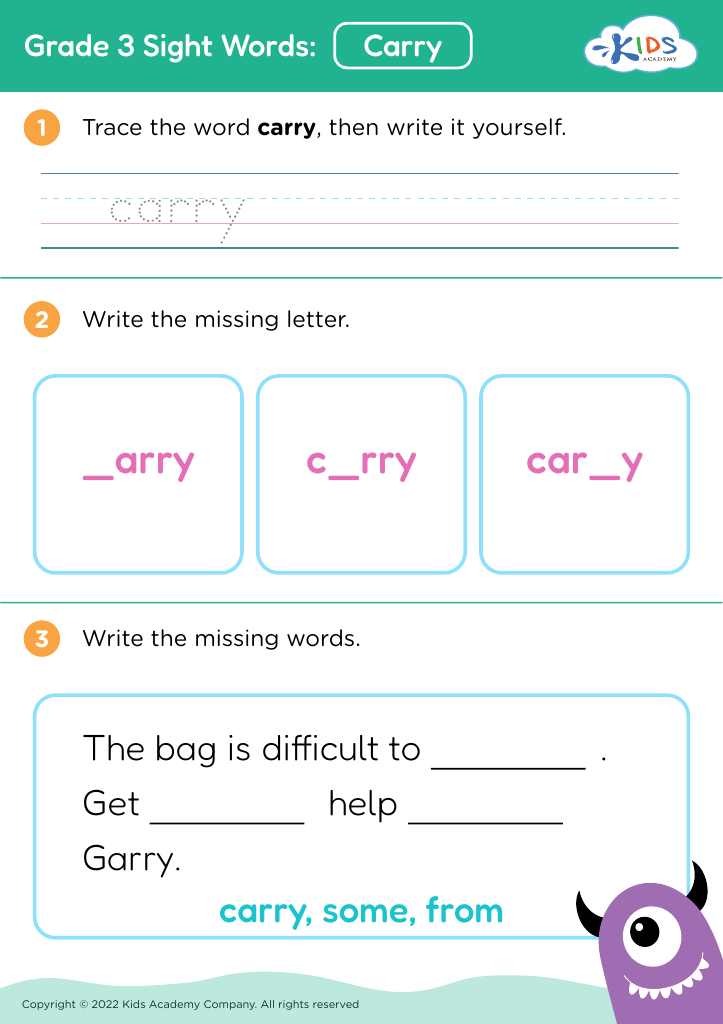
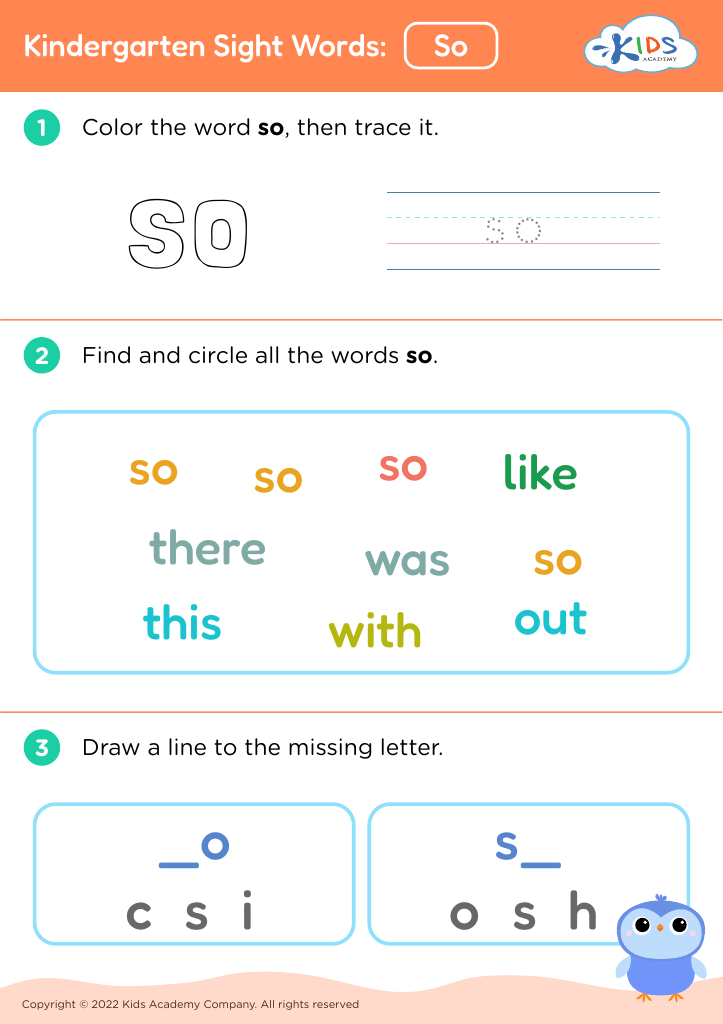








Math problem-solving skills are crucial for children aged 5-9 because they lay the foundation for logical thinking and understanding the world around them. At this developmental stage, children's brains are particularly receptive to learning new concepts, and integrating math problem-solving into their daily routine helps nurture critical thinking and analytical skills. Additionally, early mastery of basic math concepts prepares children for more complex mathematics they will encounter in later grades, boosting their confidence and academic performance.
Reading while solving math problems enhances literacy skills concurrently with mathematical abilities. It helps children develop comprehension skills, learn new vocabulary, and understand instructions, which are key for following multi-step problems. By reading math-related texts, children also get exposed to practical examples of how math is used in real-life situations, fostering an appreciation for the subject.
Moreover, parents and teachers can use math problem-solving readings to create a stimulating learning environment that is both fun and educational. Using stories and real-world problems can make math engaging for young learners, encouraging a positive attitude towards the subject. Ultimately, caring about math problem-solving and reading for young children sets the stage for lifelong learning and equips them with the tools necessary to succeed in various aspects of life.








