Check out this FREE Trial Lesson on Reading for age 5-9!

P

Favorites
With answer key
Interactive
  • 5-9
  • Understanding fractions
  • Reading
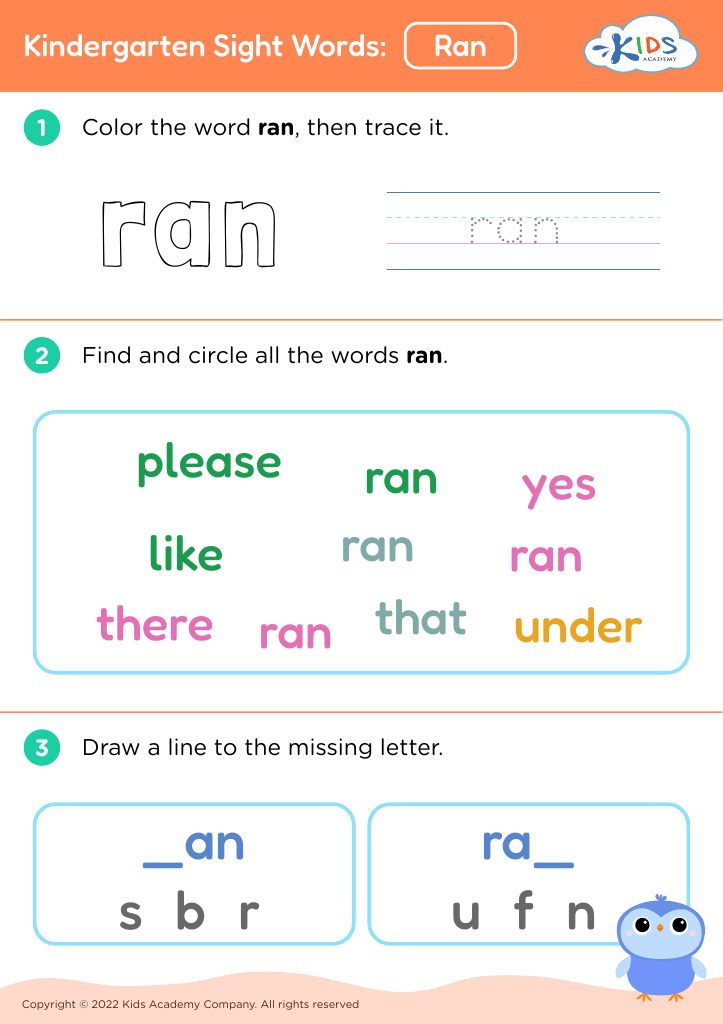
Kindergarten Sight Words: Ran

Kindergarten Sight Words: Ran

Kindergarten Sight Words: Ran
Worksheet
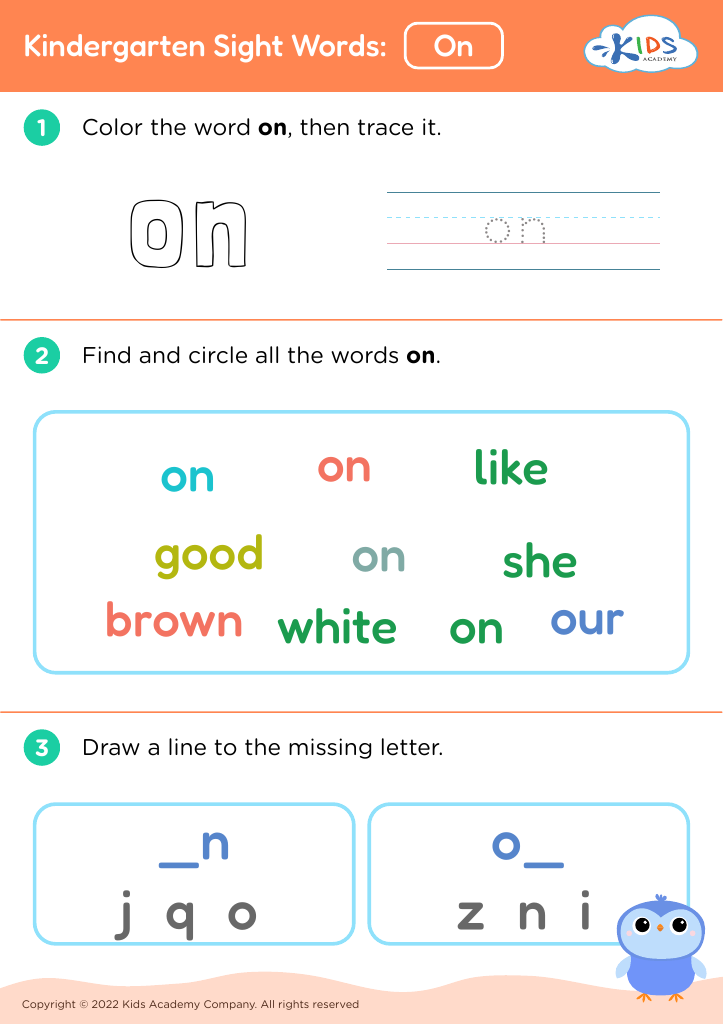
Kindergarten Sight Words: On

Kindergarten Sight Words: On

Kindergarten Sight Words: On
Worksheet
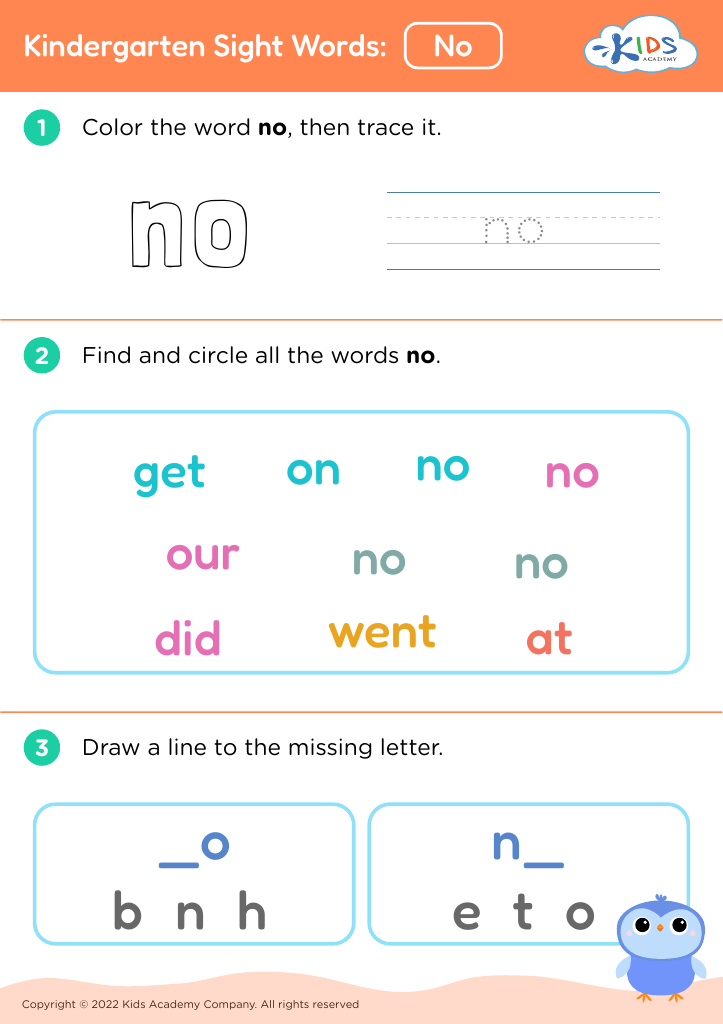
Kindergarten Sight Words: No

Kindergarten Sight Words: No

Kindergarten Sight Words: No
Worksheet
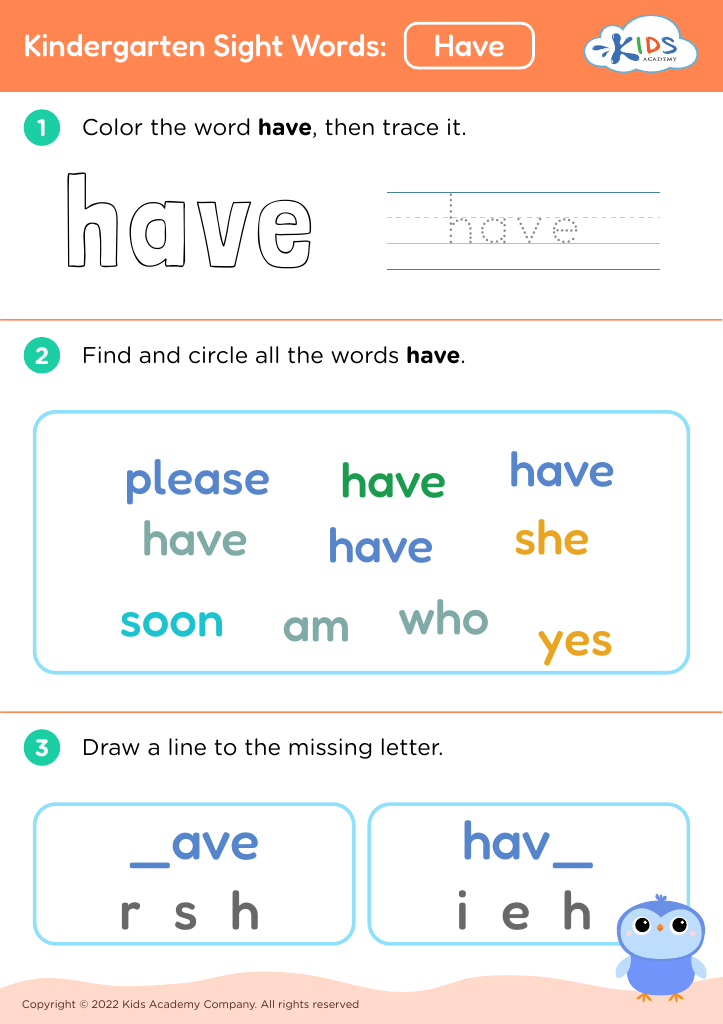
Kindergarten Sight Words: Have

Kindergarten Sight Words: Have

Kindergarten Sight Words: Have
Worksheet
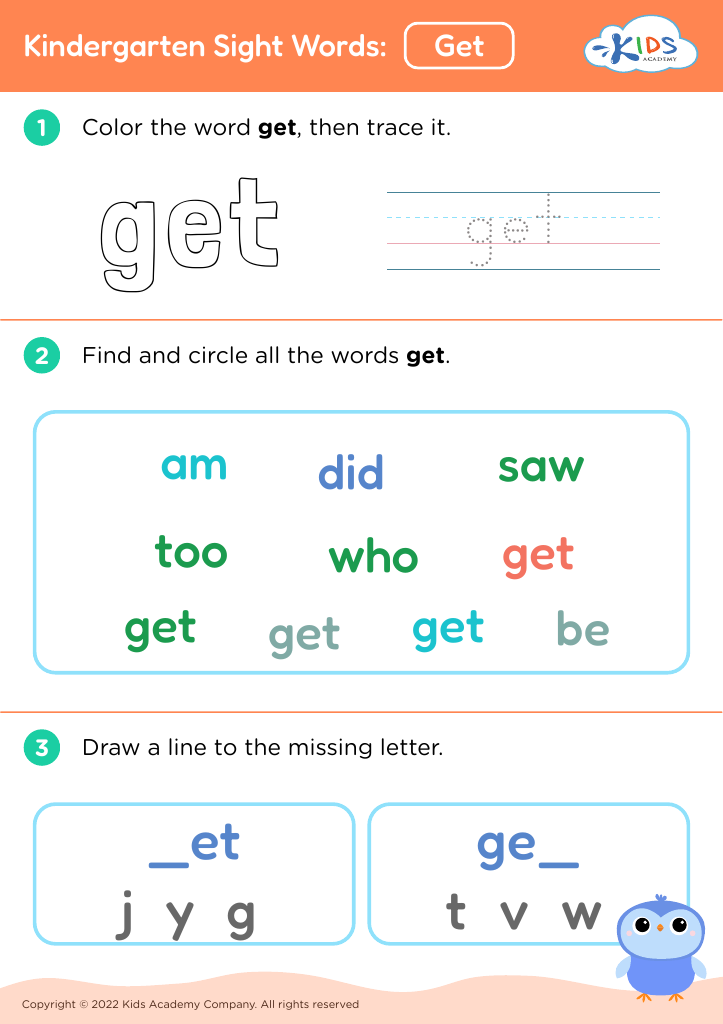
Kindergarten Sight Words: Get

Kindergarten Sight Words: Get

Kindergarten Sight Words: Get
Worksheet
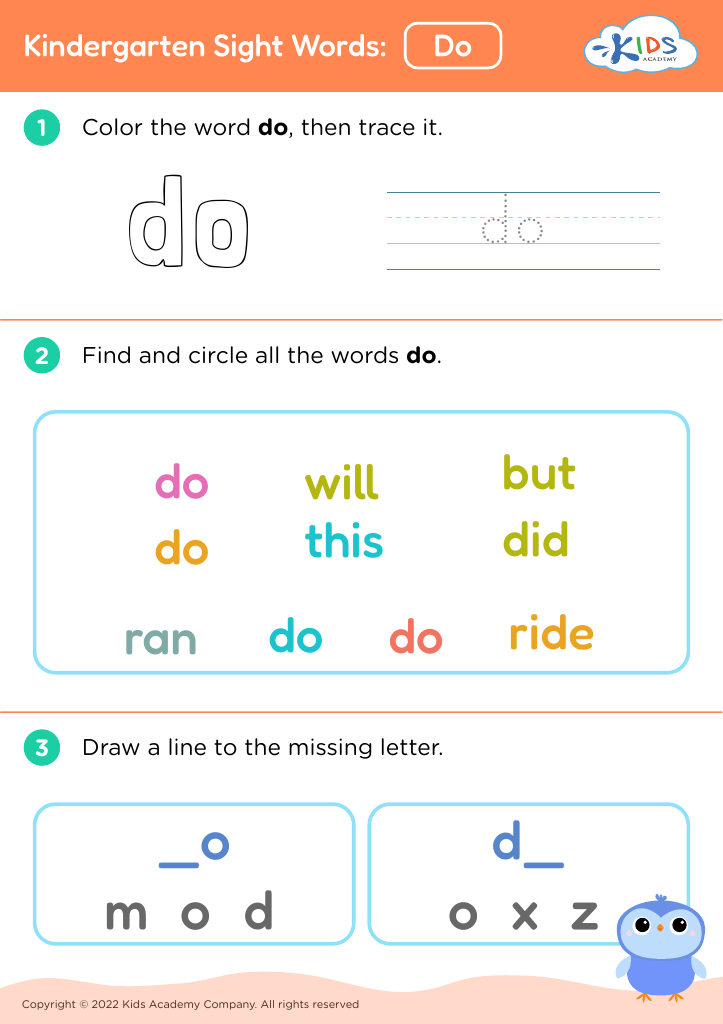
Kindergarten Sight Words: Do

Kindergarten Sight Words: Do

Kindergarten Sight Words: Do
Worksheet
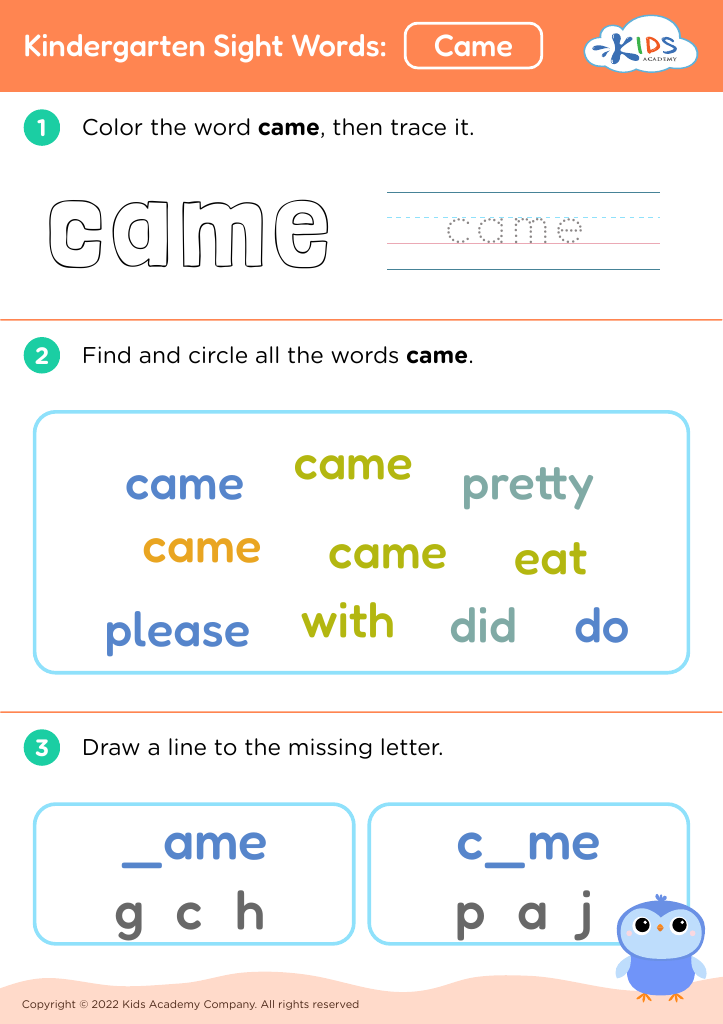
Kindergarten Sight Words: Came

Kindergarten Sight Words: Came

Kindergarten Sight Words: Came
Worksheet
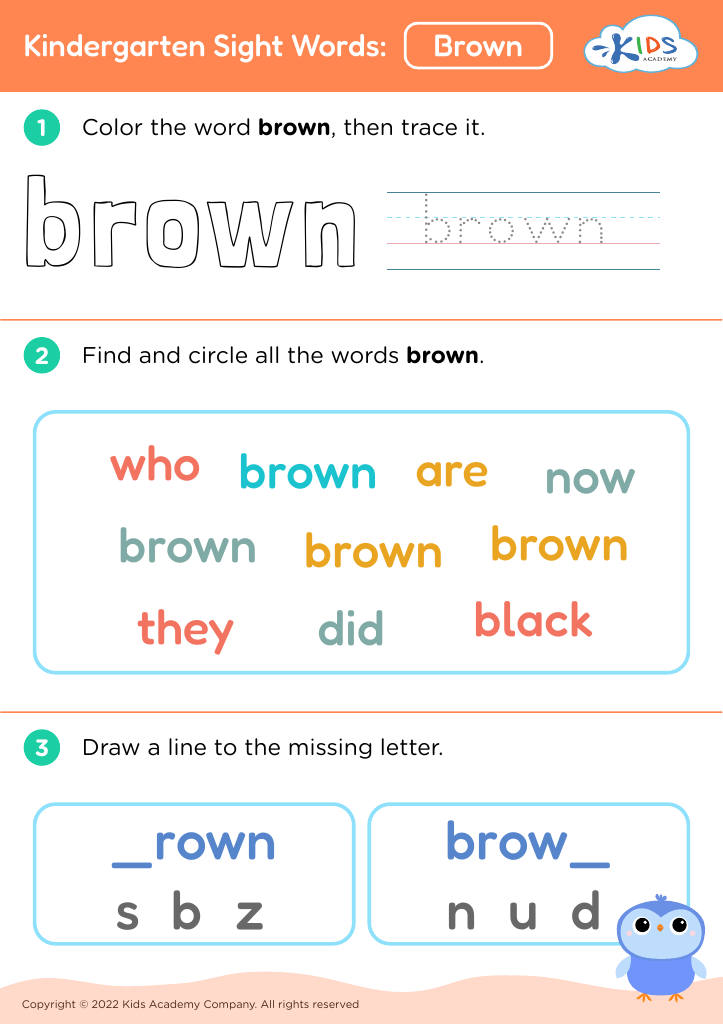
Kindergarten Sight Words: Brown

Kindergarten Sight Words: Brown

Kindergarten Sight Words: Brown
Worksheet
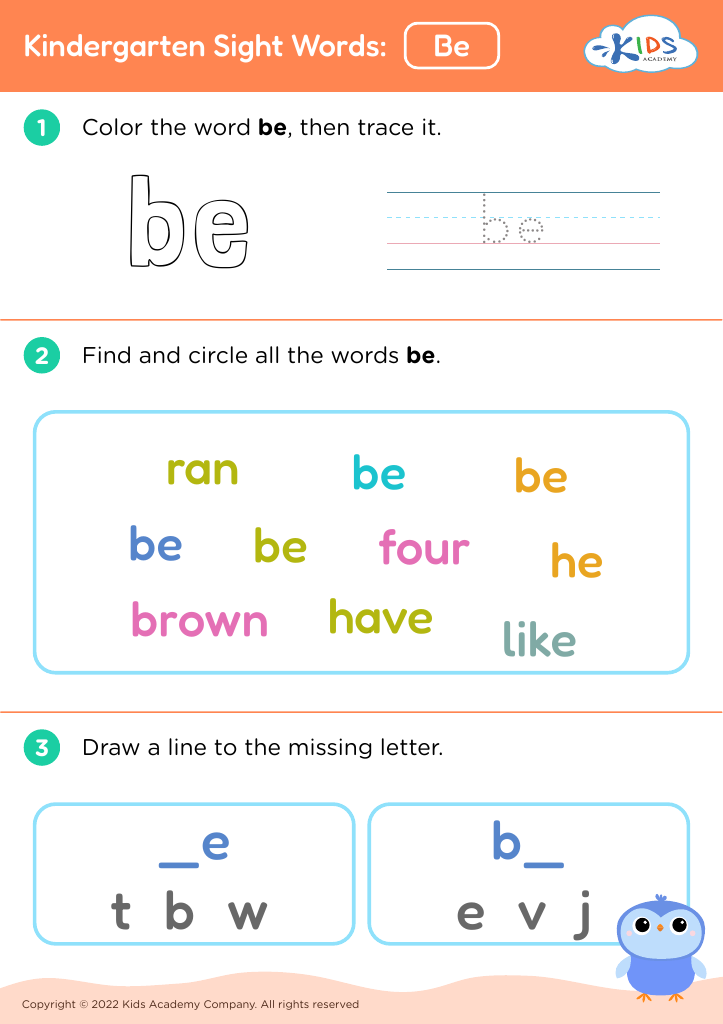
Kindergarten Sight Words: Be

Kindergarten Sight Words: Be

Kindergarten Sight Words: Be
Worksheet
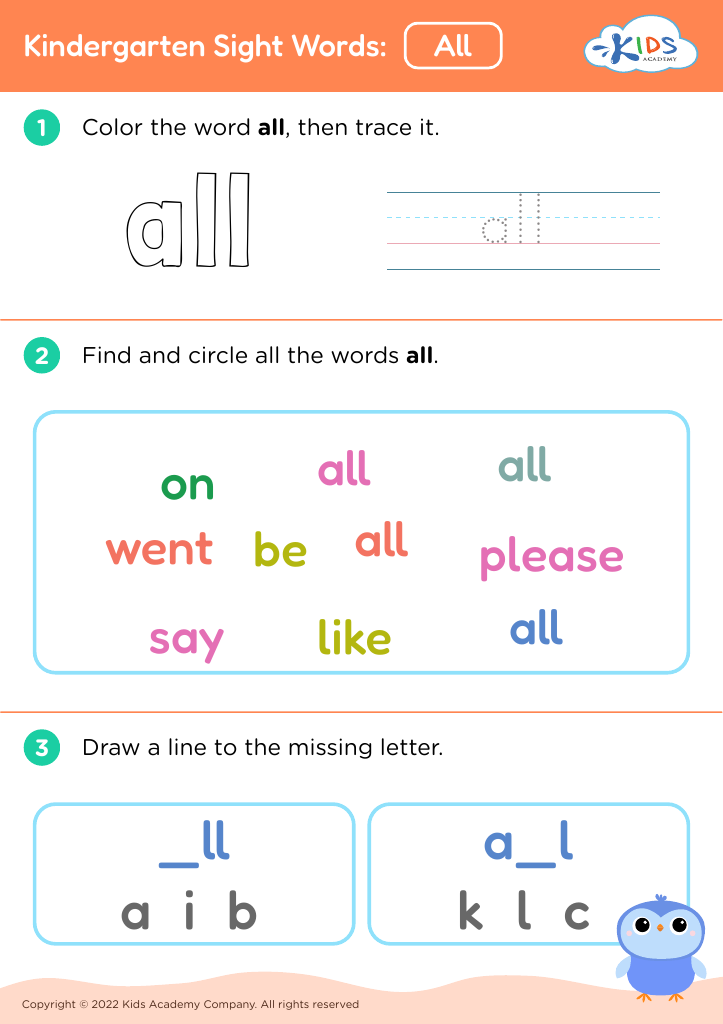
Kindergarten Sight Words: All

Kindergarten Sight Words: All

Kindergarten Sight Words: All
Worksheet
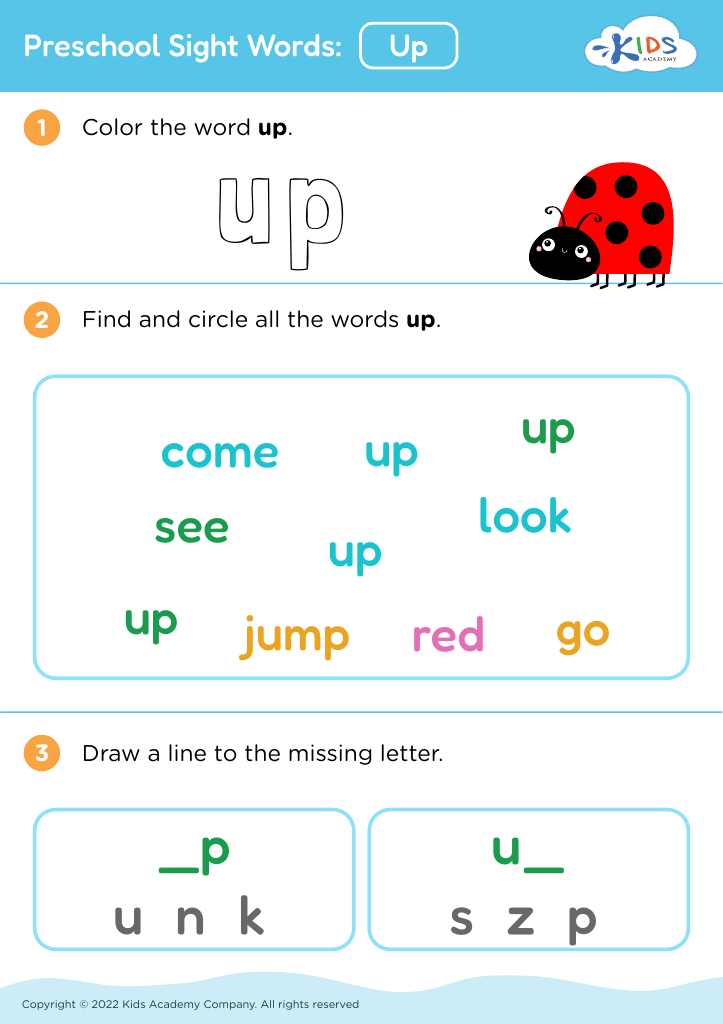
Preschool Sight Words: Up

Preschool Sight Words: Up

Preschool Sight Words: Up
Worksheet
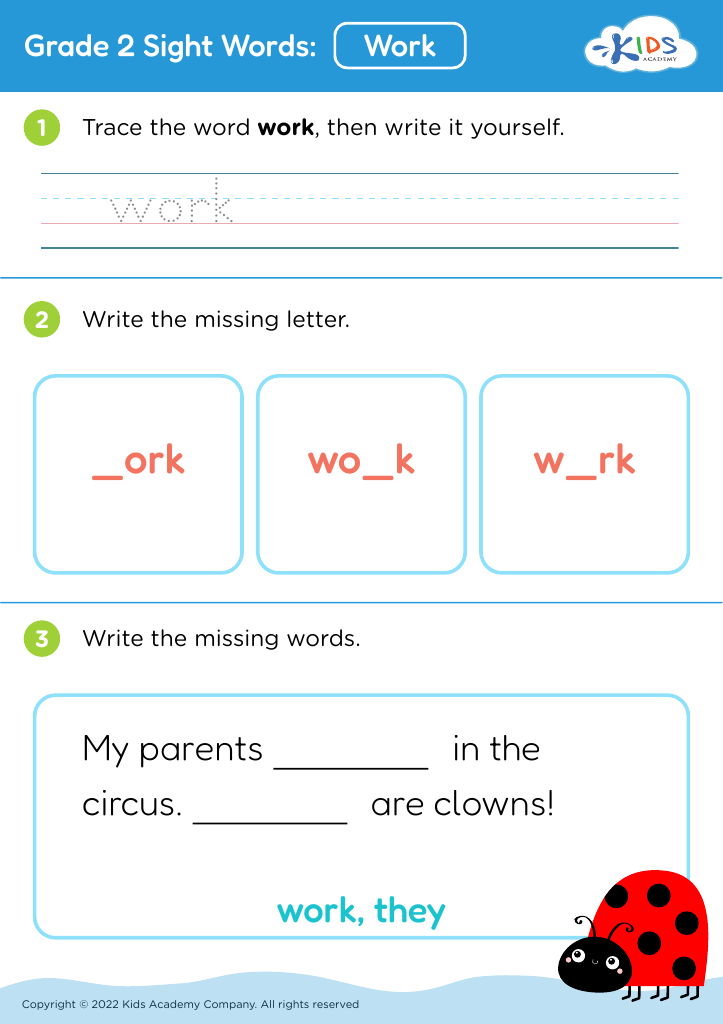
Grade 2 Sight Words: Work

Grade 2 Sight Words: Work

Grade 2 Sight Words: Work
Worksheet


... 2 3

Understanding fractions is an essential skill for children ages 5-9 and provides a solid foundation for their future learning in mathematics and other subjects. For one, fractions are integral to understanding concepts in daily life, such as dividing a pizza into equal parts or sharing a toy among siblings. When children grasp these concepts early, they develop critical thinking and problem-solving skills, which will benefit them academically and personally.

Moreover, fractions serve as a building block for more complex mathematical topics, including algebra and geometry. If children can understand fractions early, they'll find it easier to tackle more advanced subjects with confidence later on. Additionally, working with fractions improves numeracy and can positively affect children's ability to understand ratios, proportions, and rates.

Furthermore, incorporating fractions into reading exercises can enhance comprehension and retention. Story problems and real-world scenarios that involve fractions make learning more engaging and meaningful, fostering a love for both reading and math.

Ultimately, when parents and teachers focus on mastering fractions, they nurture a child's analytical abilities. This strengthens their belief in their capability to conquer challenging subjects, thereby promoting a lifelong love for learning.