
Understanding patterns Reading Worksheets for Ages 5-9
8 filtered results
Difficulty Level
Grade
Age
-
From - To
Subject
Activity
Standards
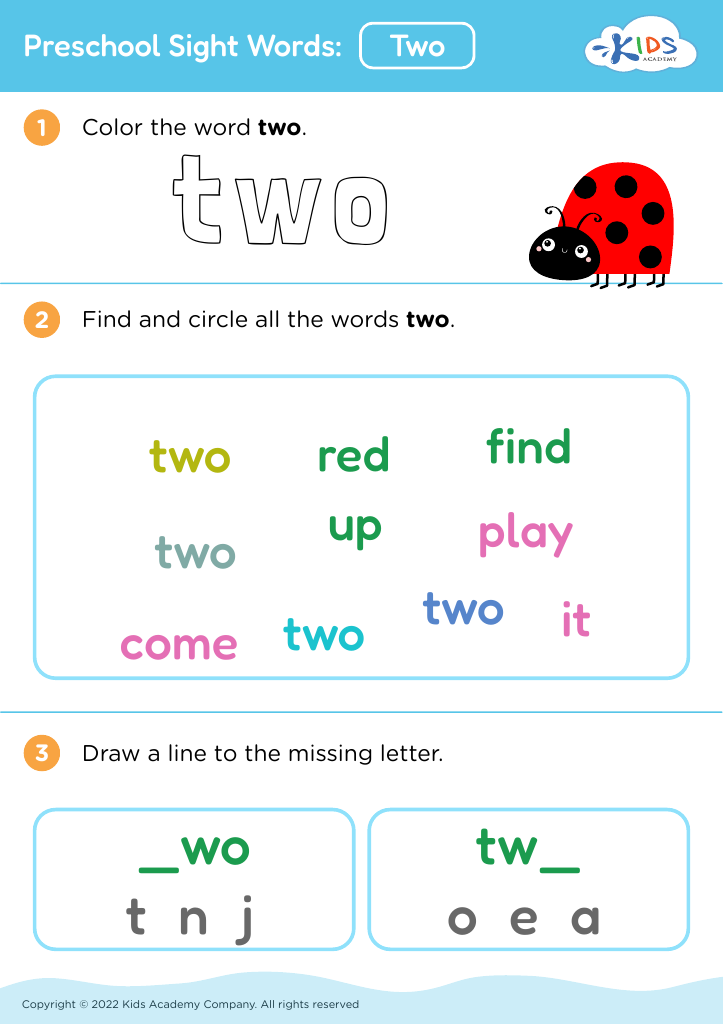
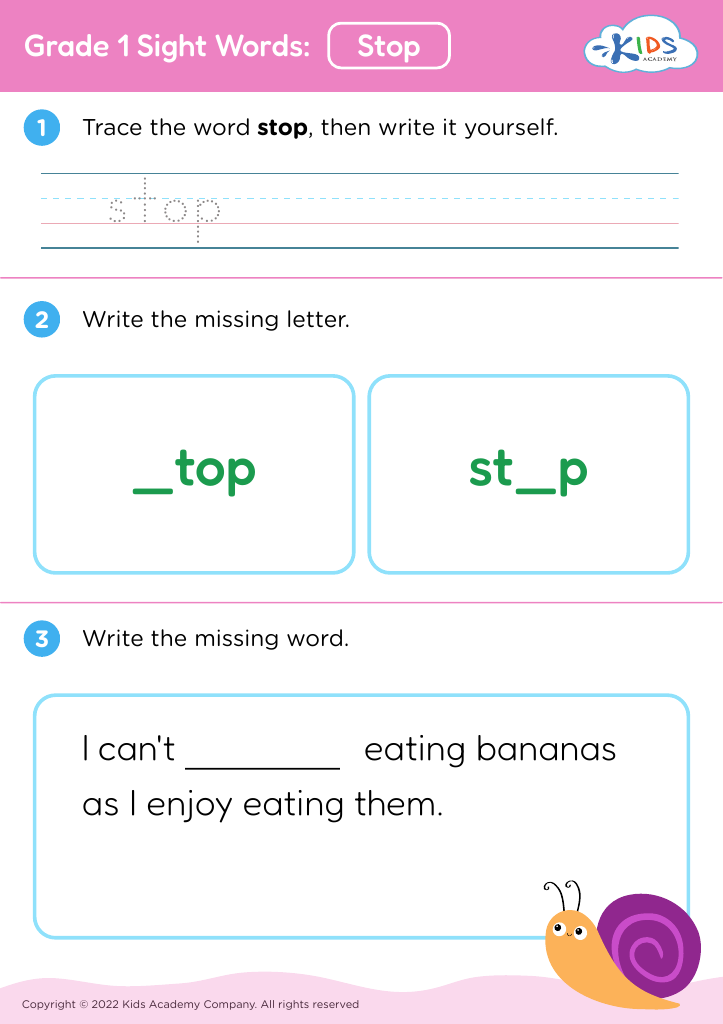
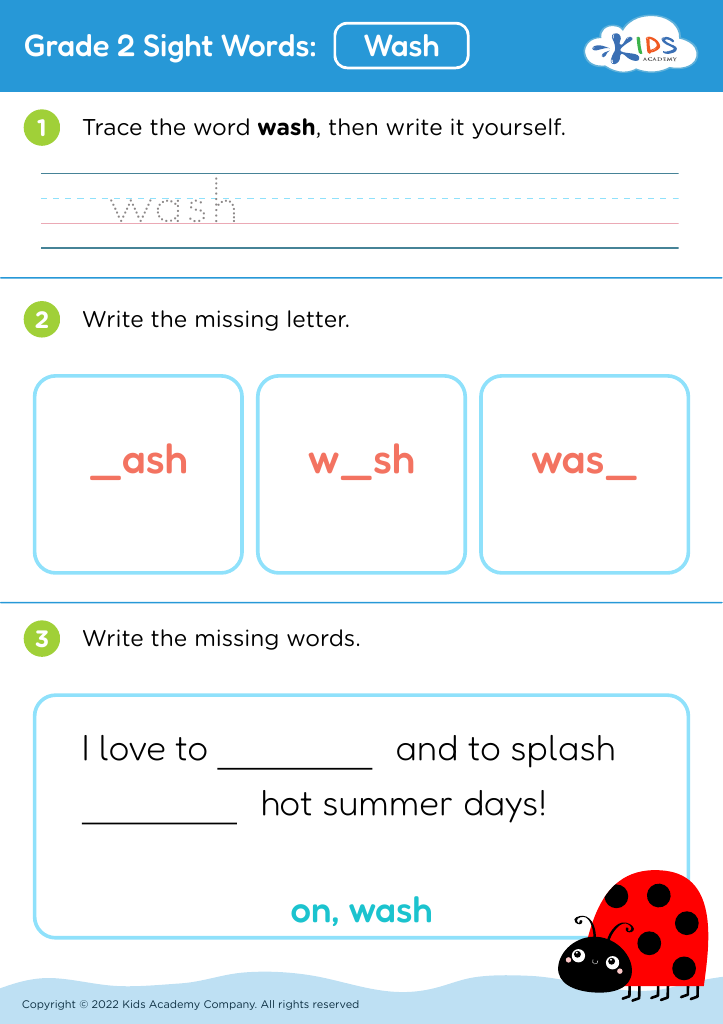
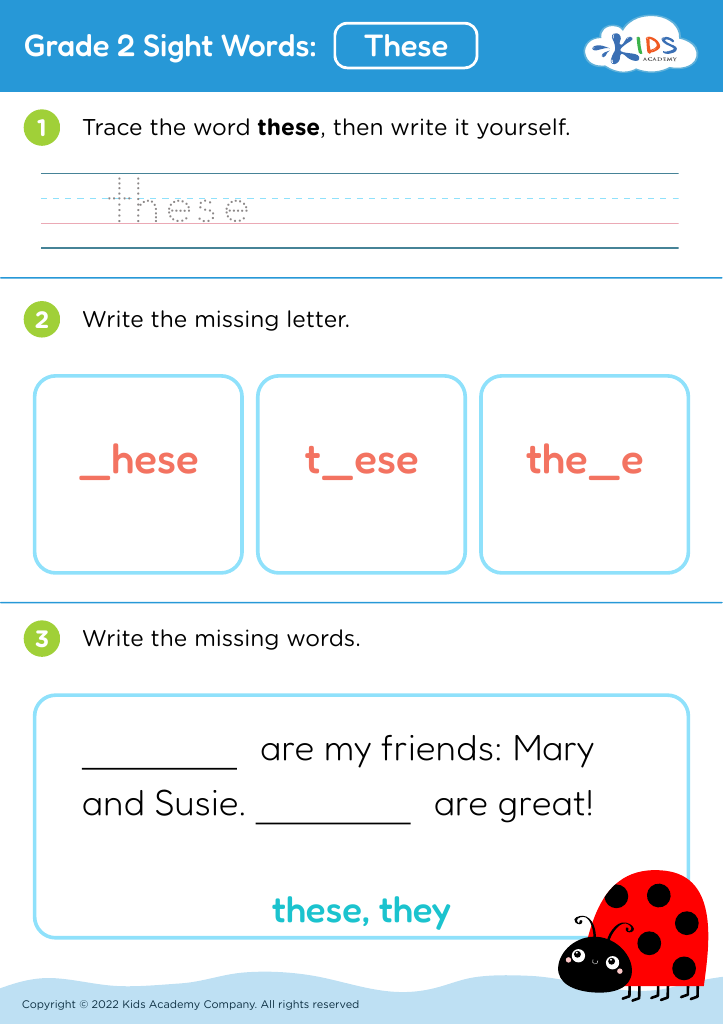
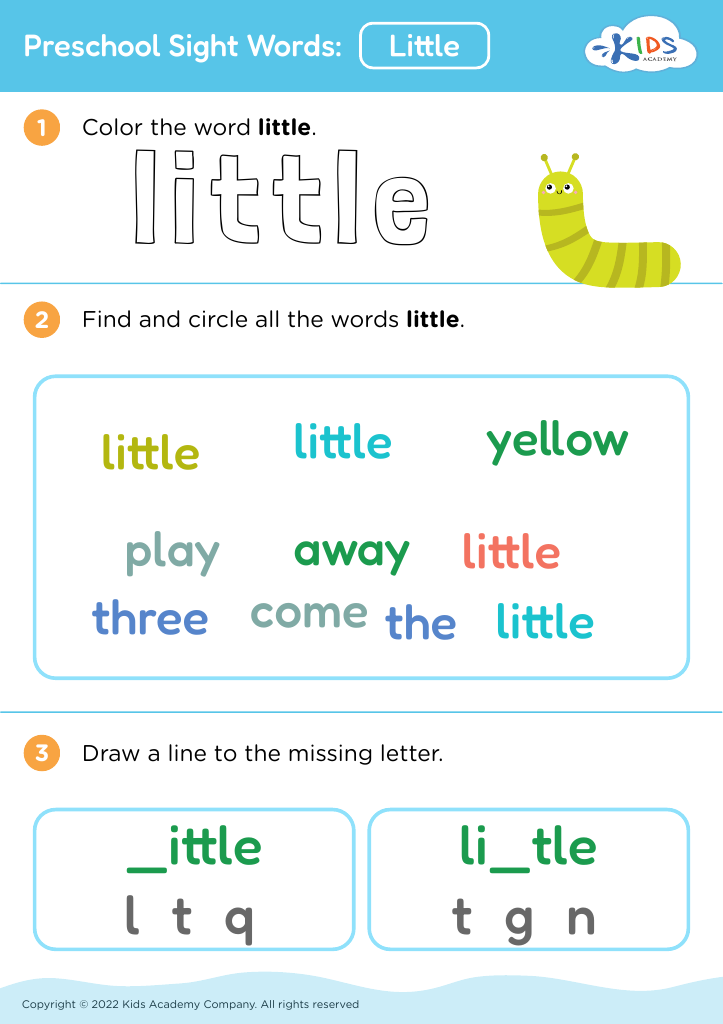
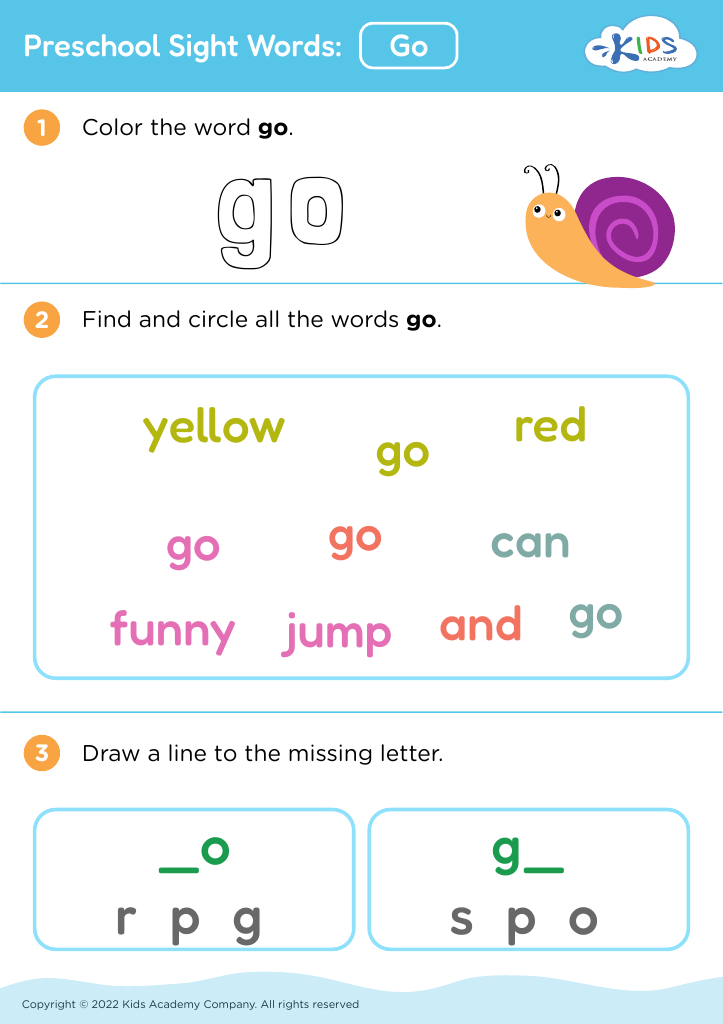
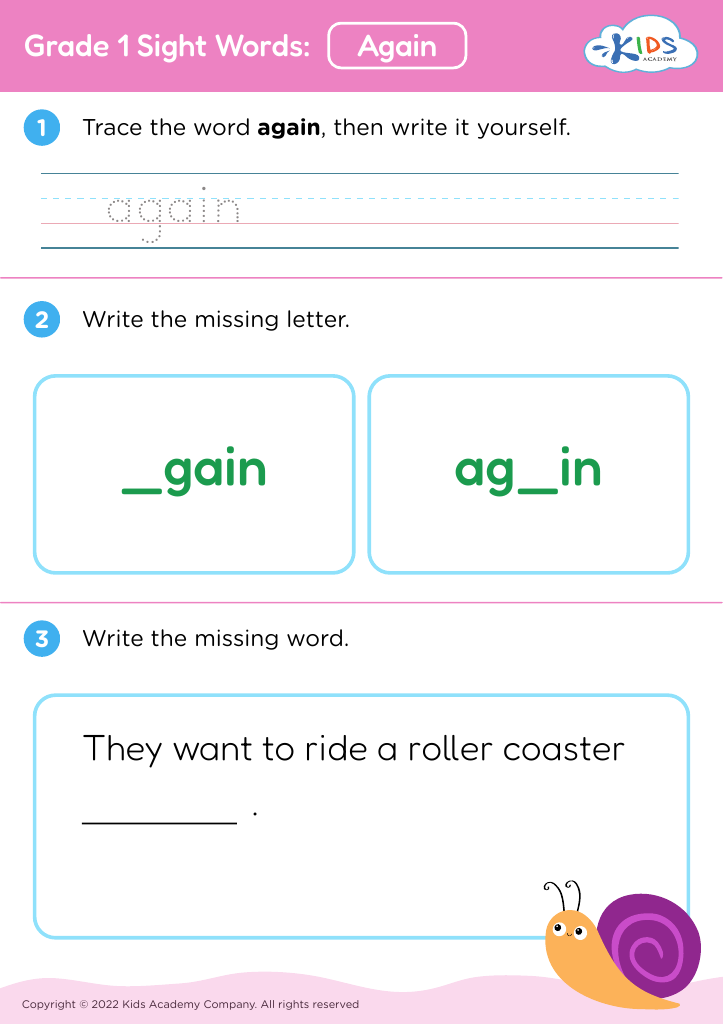
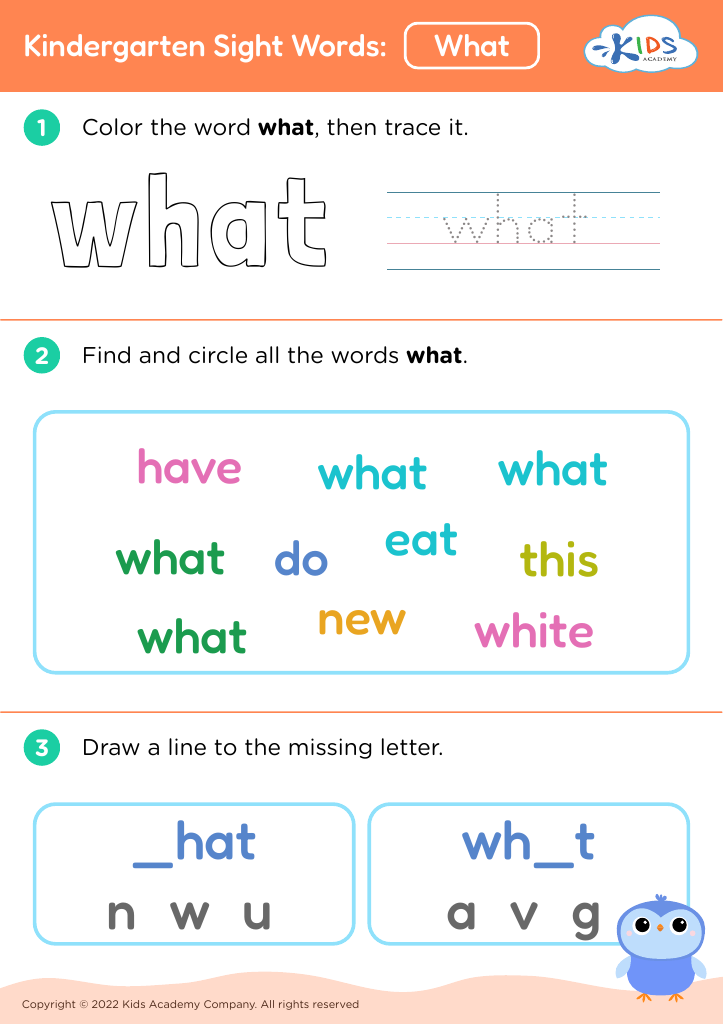
Discover the exciting world of "Understanding Patterns" reading worksheets designed for kids ages 5-9! These engaging activities help young learners develop critical reading skills by recognizing and interpreting various patterns in texts. Our worksheets encourage children to make connections, enhance comprehension, and improve cognitive skills through fun exercises. Each resource is carefully crafted to suit different learning styles, making it easy for educators and parents to foster a love for reading. Whether in the classroom or at home, these worksheets provide an effective way to help young readers grasp the essential concept of patterns in literature. Start enhancing your child's reading journey today!
Favorites
With answer key
Interactive
Join Kids Academy for Free
Who is primarily going to use this learning content?







Understanding patterns is a critical foundational skill for reading, especially for children ages 5-9. During these formative years, children develop essential literacy skills that not only play a pivotal role in their reading proficiency but also foster overall cognitive development. Patterns, whether in sound, word structure, or narrative flow, help young learners recognize familiar sequences, making it easier for them to decode new words and understand text structure.
When children grasp the idea of patterns, they become more confident in their reading capabilities, as they learn to predict what comes next in stories or recognize rhyming words. This predictive skill enhances comprehension, allowing them to build connections between their reading materials and real-world experiences. Furthermore, understanding patterns supports critical thinking and problem-solving skills, as children learn to identify relationships and make inferences.
For parents and teachers, encouraging the exploration of patterns through reading can significantly boost a child’s enthusiasm for literature. This engagement thus plays a crucial role in nurturing a lifelong love for reading and learning. Effectively, recognizing patterns early on not only prepares children for academic success but also equips them with essential life skills. Engaging in pattern recognition ultimately enriches their overall educational journey.








