
Understanding symmetry Reading Worksheets for Ages 5-9
5 filtered results
Difficulty Level
Grade
Age
-
From - To
Subject
Activity
Standards
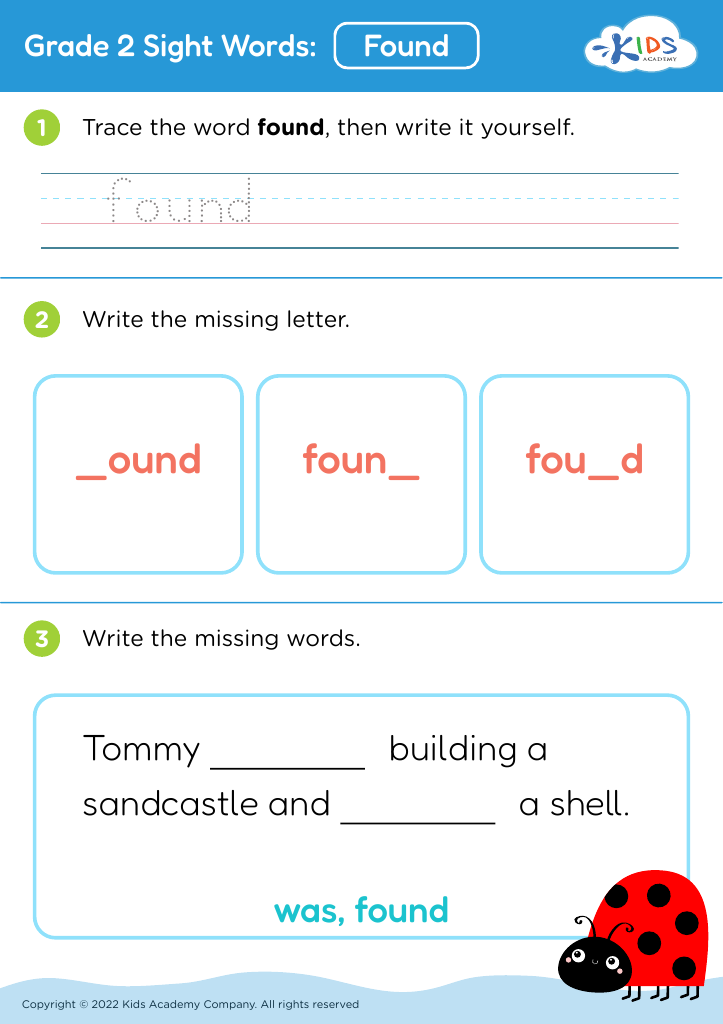
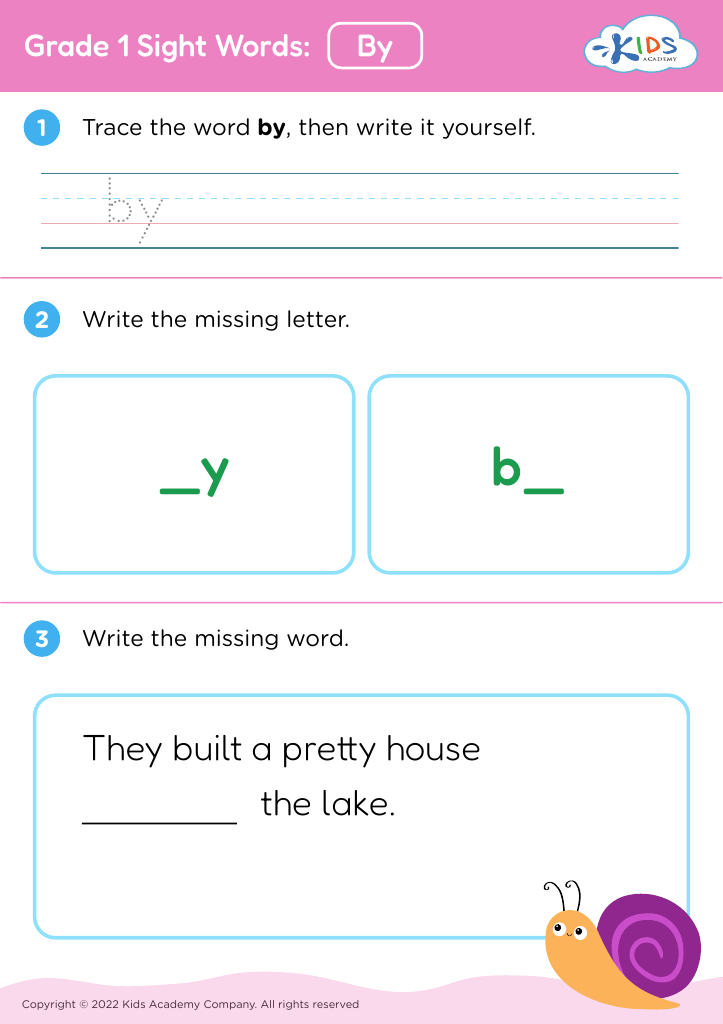
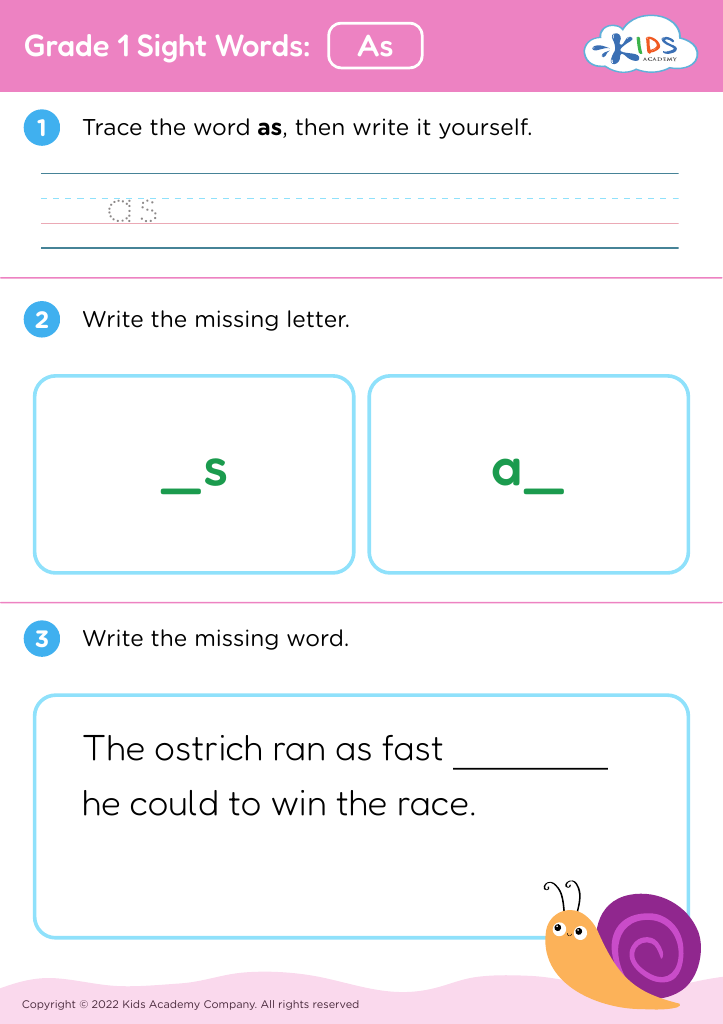
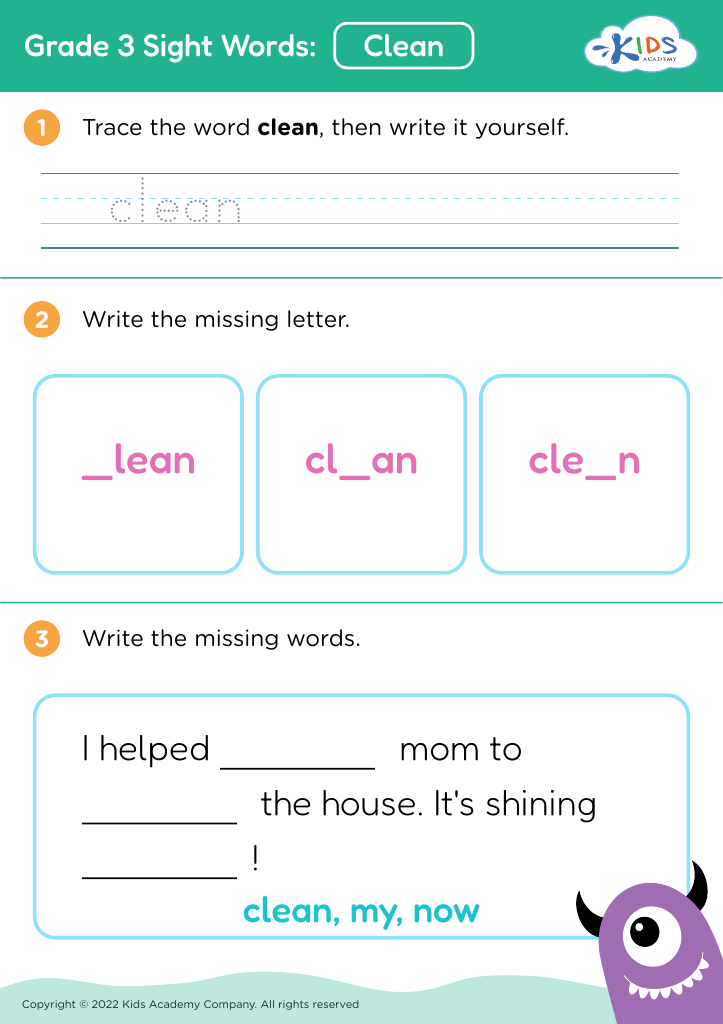
Explore our "Understanding Symmetry Reading Worksheets for Ages 5-9," designed to help young learners grasp the concept of symmetry while enhancing their reading skills! These engaging worksheets introduce kids to patterns, reflections, and balanced designs in a fun and interactive way. Each exercise combines reading comprehension with visual activities, helping students identify symmetrical shapes and objects in everyday life. Perfect for both classroom and home learning, these worksheets foster critical thinking and creativity. Help your child gain confidence in their reading abilities while exploring the fascinating world of symmetry! Dive into our collection and watch your child shine!
Favorites
With answer key
Interactive
Join Kids Academy for Free
Who is primarily going to use this learning content?







Understanding symmetry is essential for children aged 5-9 as it forms a foundational aspect of mathematical thinking and visual perception. Symmetry promotes an understanding of shapes, patterns, and spatial relationships, which are crucial skills in early math learning. When children grasp the concept of symmetry, they can categorize and analyze shapes more effectively, enhancing their problem-solving abilities.
Additionally, incorporating symmetry in reading and comprehension promotes cognitive development. Books that emphasize symmetry can capture children's imaginations and improve their attention to detail. For instance, stories with mirrored illustrations or repetitive structures help reinforce the concept of balance and order, making learning engaging and interactive.
Furthermore, symmetry can also serve as a bridge to foster creativity. As children experiment with symmetric designs in art or crafts, they develop fine motor skills while expressing themselves artistically. This engagement with symmetry transcends math, contributing positively to their overall learning experience.
By prioritizing the understanding of symmetry, parents and teachers can equip children with critical skills that will benefit them across various subjects, ensuring a well-rounded education that develops analytical thinking, creativity, and curiosity about the world around them.








