
Visual perception Reading Worksheets for Ages 5-9
3 filtered results
Difficulty Level
Grade
Age
-
From - To
Subject
Activity
Standards
Enhance your child's reading skills with our engaging Visual Perception Reading Worksheets for ages 5-9. These expertly designed worksheets help young readers develop crucial visual discrimination, letter recognition, and pattern identification skills. With fun, interactive activities, children will improve their ability to notice differences and similarities among letters and words, enhancing their reading fluency and comprehension. Perfect for both home and classroom use, our worksheets make learning enjoyable and effective. Boost your child's confidence and lay a strong foundation for their reading journey with our comprehensive collection tailored to young learners. Explore now and watch their skills soar!
Favorites
With answer key
Interactive
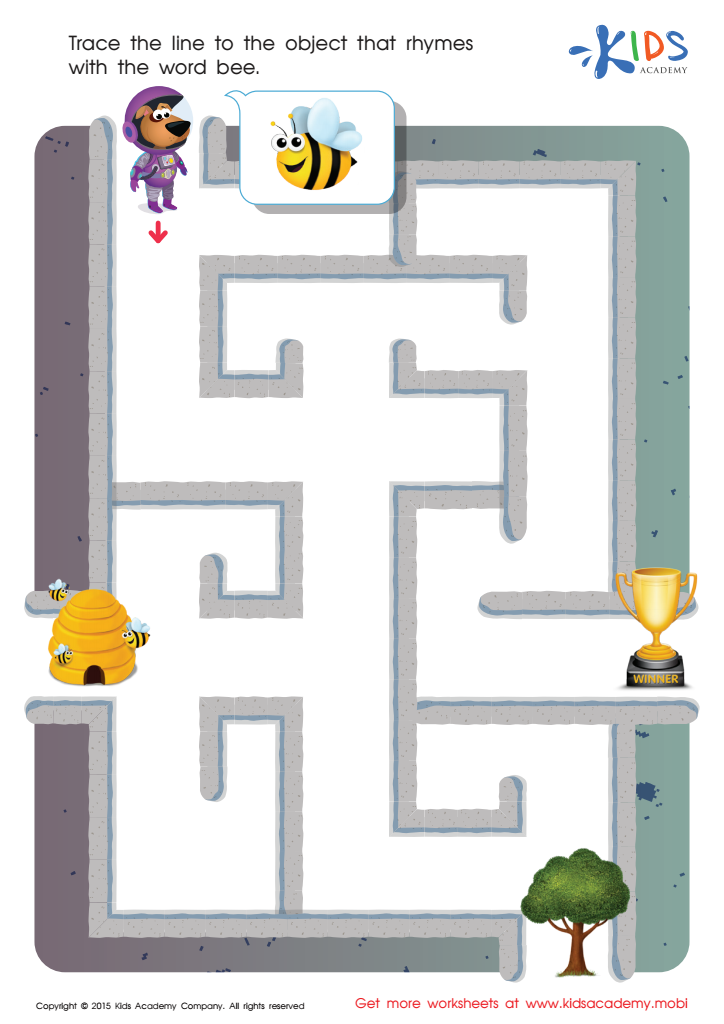
Bee Rhyming Words Worksheet
Download our new vocab builder worksheet and help our pup find rhymes. See how easy it is to trace the root between words! Make learning fun with our collection of English materials and worksheets. Get them now on our web site.
 Assign to My Students
Bee Rhyming Words Worksheet
Worksheet
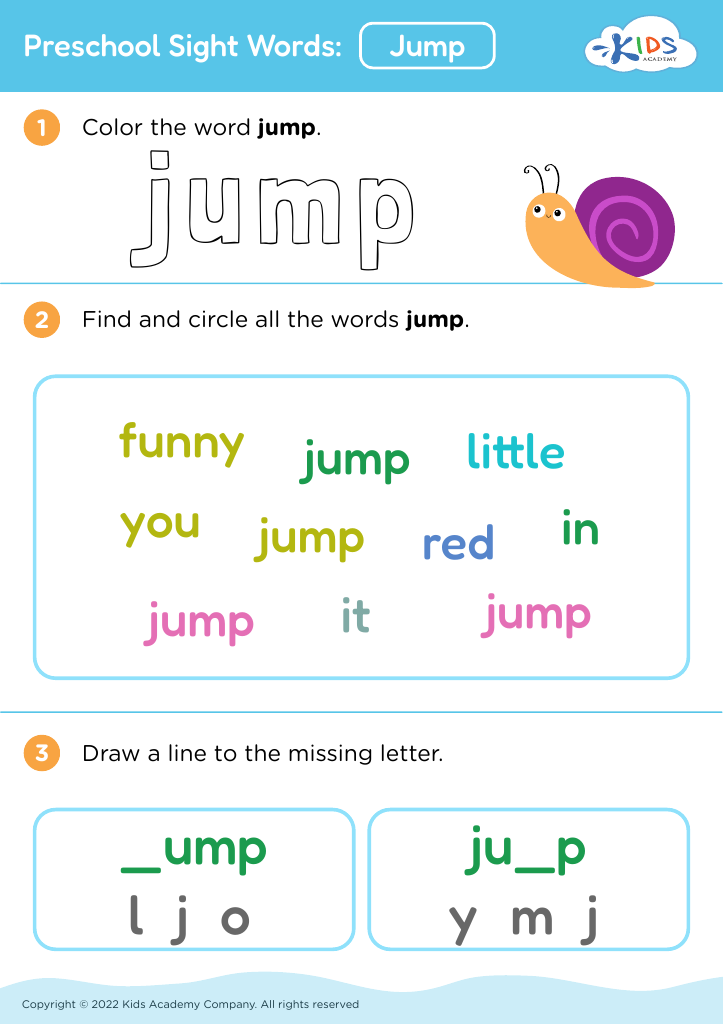
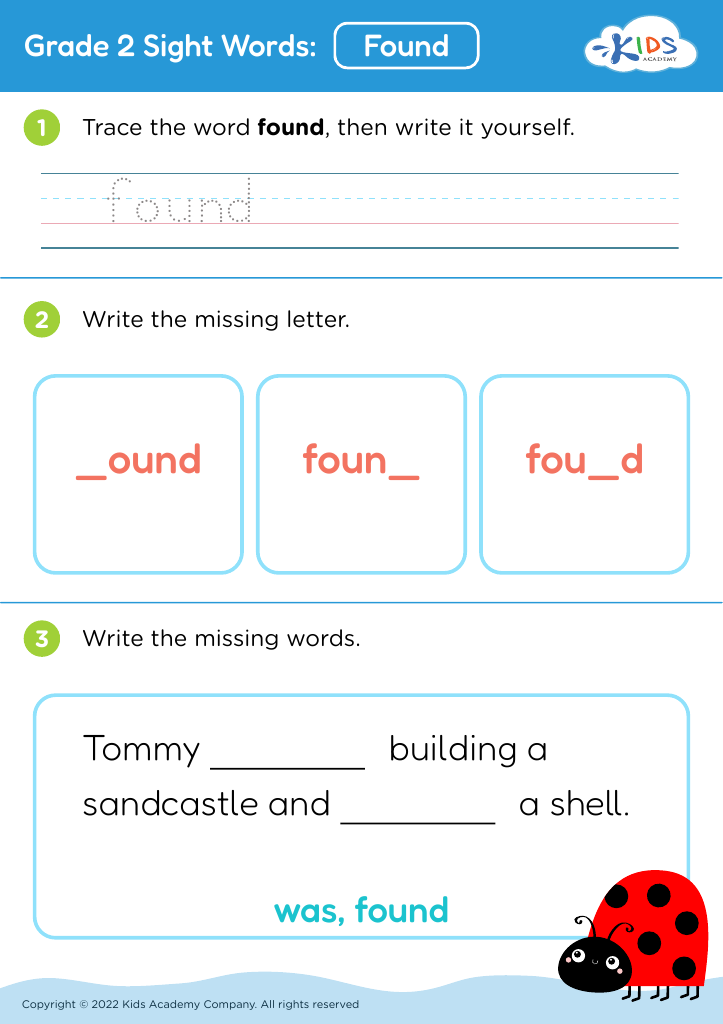
Join Kids Academy for Free
Who is primarily going to use this learning content?







Visual perception reading is crucial for children aged 5-9 as it lays the foundation for their educational development and overall learning experience. Visual perception involves the brain's ability to interpret and understand visual stimuli from the environment, which is essential for reading, writing, and arithmetic. At this age, children transition from recognizing letters and sounds to fluent reading and comprehension. Strong visual perception skills enable them to differentiate between similar letters, recognize words quickly, and understand the text’s meaning.
Furthermore, visual perception skills aid in the development of eye-hand coordination, necessary for writing legibly. Children who struggle with visual perception may find it challenging to decipher words, follow text across a page, or comprehend what they read, leading to frustration and a lack of confidence. Early identification and intervention can help address these challenges, ensuring that children do not fall behind academically.
Engaging children in activities that strengthen their visual perception, such as puzzles, matching games, and interactive reading activities, can make a significant difference. By paying attention to visual perception skills, parents and teachers can support children in becoming proficient readers and learners, thereby fostering a positive attitude towards education and a lifelong love of reading.








