Critical Thinking Reading Comprehension Worksheets for Ages 5-9 - Page 3
53 filtered results
-
From - To
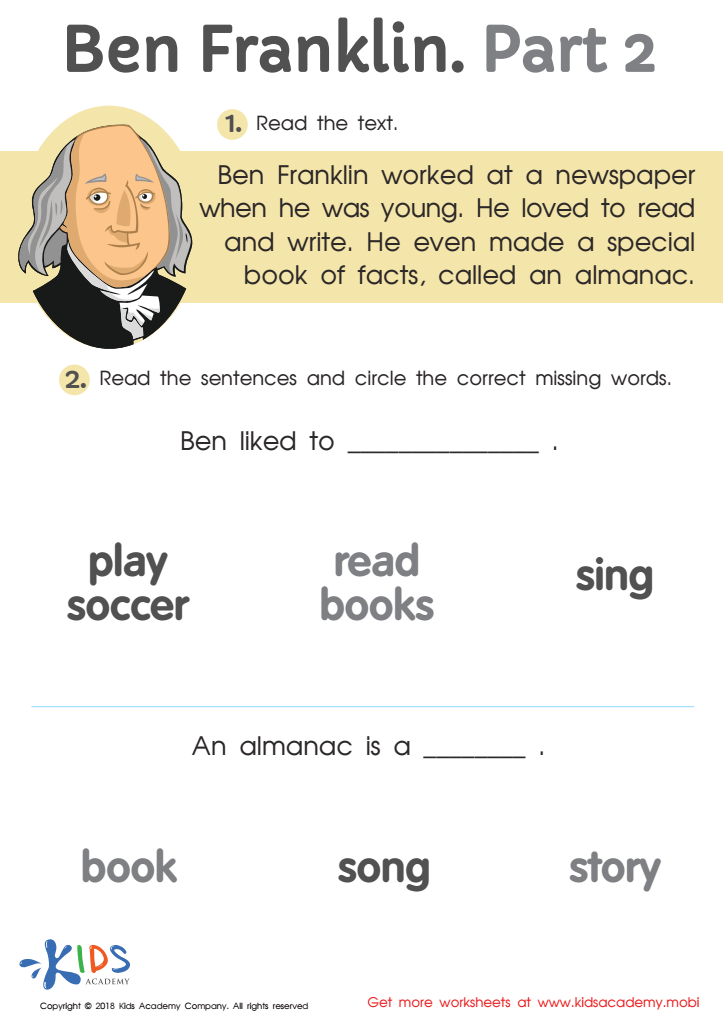
Ben Franklin Part 2 Worksheet
 Assign to My Students
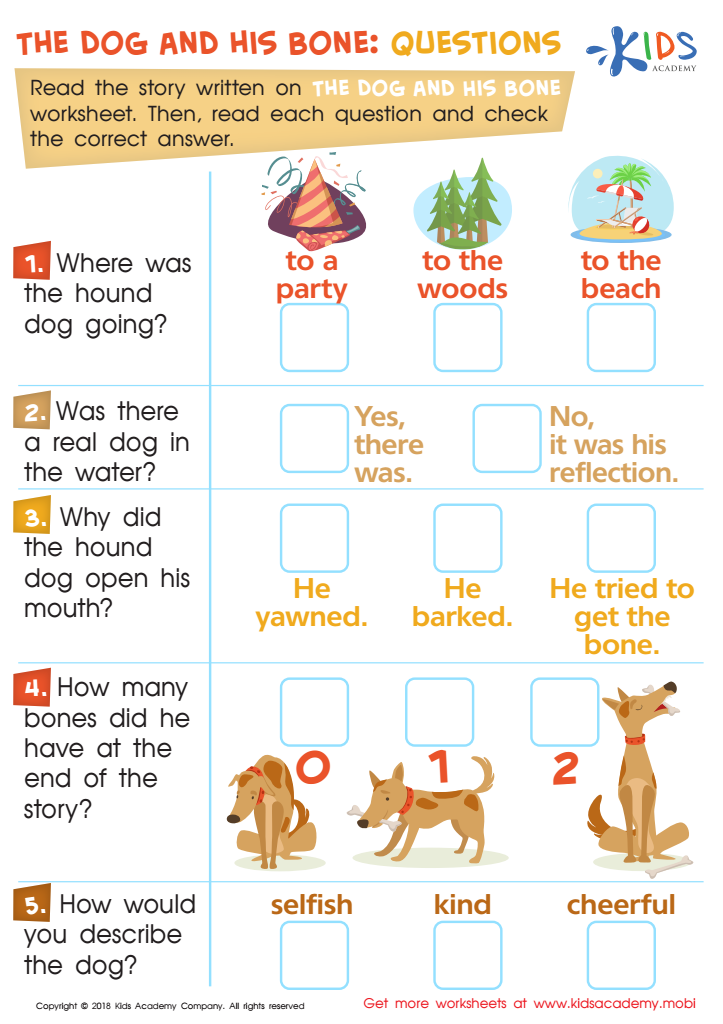
The Dog and His Bone: Questions Worksheet
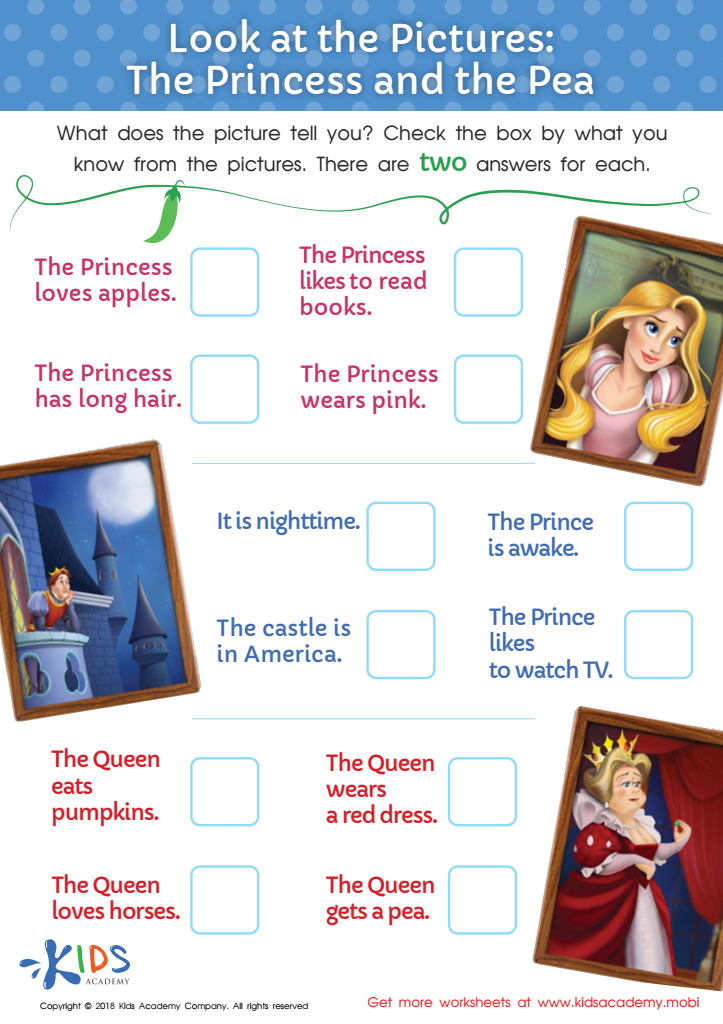
Look at the Pictures: The Princess and the Pea Worksheet
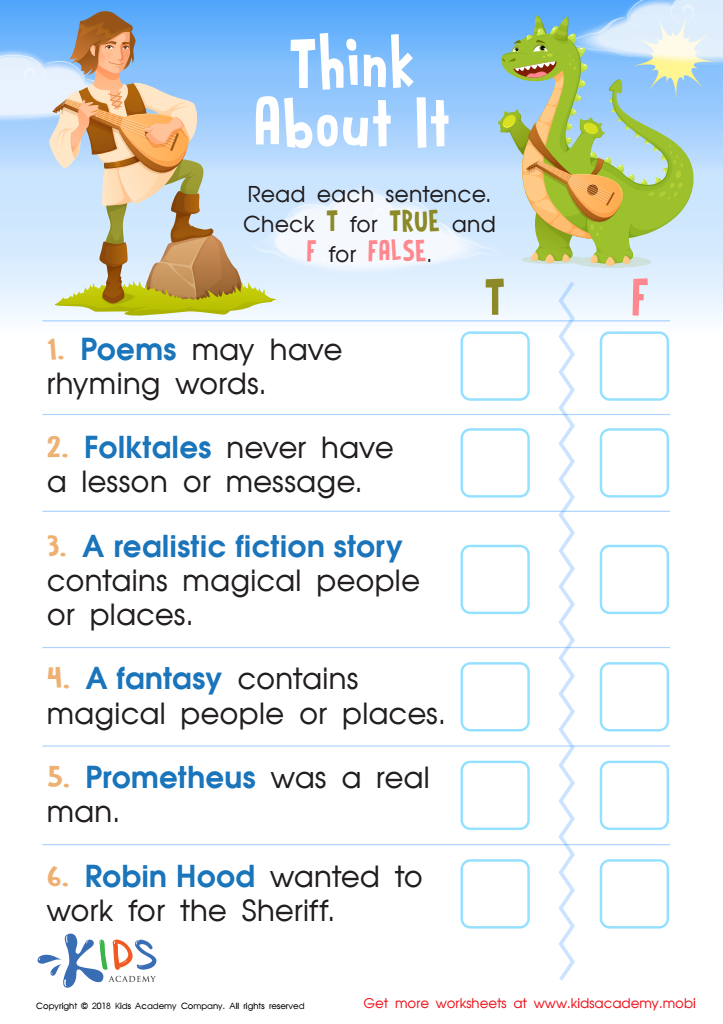
Think About It: Assessment Worksheet
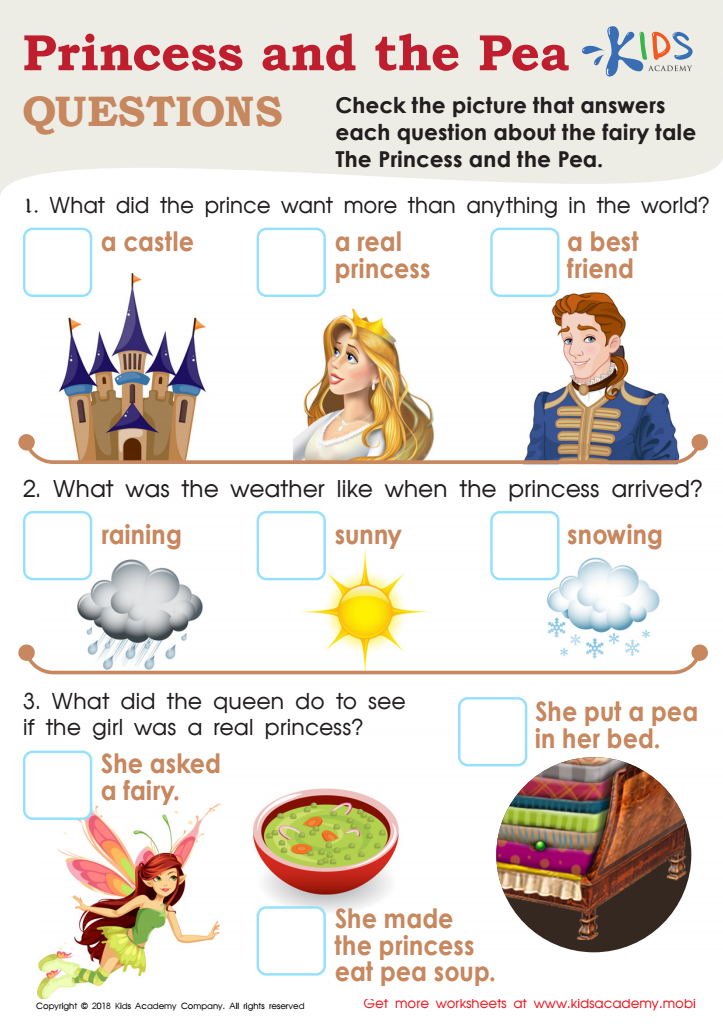
Princess and the Pea Questions Worksheet



.jpg)



Critical thinking reading comprehension is essential for children aged 5-9 because it lays the foundational skills necessary for lifelong learning and problem-solving. During these formative years, children develop crucial cognitive abilities that influence their academic and personal growth. By encouraging critical thinking within reading comprehension, parents and teachers can help children become more engaged and thoughtful readers.
When children analyze stories deeply, asking questions like "Why did the character do that?" or "What might happen next?", they learn to connect ideas, infer meanings, and understand different perspectives. These skills not only improve their ability to grasp complex texts but also enhance their creativity and empathy. Critical thinking fosters curiosity and a love for learning by transforming reading from a passive activity into an interactive and stimulating process.
Such cognitive engagement also promotes better performance across subjects. For example, understanding cause and effect or comparing and contrasting helps in math, science, and social studies. Additionally, children who master these skills tend to become more confident and independent learners, traits that benefit them vastly in all areas of life.
Therefore, instilling critical thinking reading comprehension in early grades serves as a fundamental asset, equipping children with tools to navigate academic challenges and everyday situations more effectively.








