
Improving reading comprehension Science Worksheets for Ages 5-9
4 filtered results
Difficulty Level
Grade
Age
-
From - To
Subject
Activity
Standards
Unlock your child's potential with our "Improving Reading Comprehension Science Worksheets" for ages 5-9! Designed to enhance literacy and science skills simultaneously, these engaging worksheets provide fun activities that promote critical thinking and comprehension strategies. Our diverse range of topics includes fascinating scientific concepts that capture children's imaginations while encouraging them to read carefully and analyze information. With interactive exercises that are age-appropriate and aligned with educational standards, your child will build confidence in their reading abilities. Explore our collection today to make learning an enjoyable adventure and nurture a lifelong love for reading and science!
Favorites
With answer key
Interactive
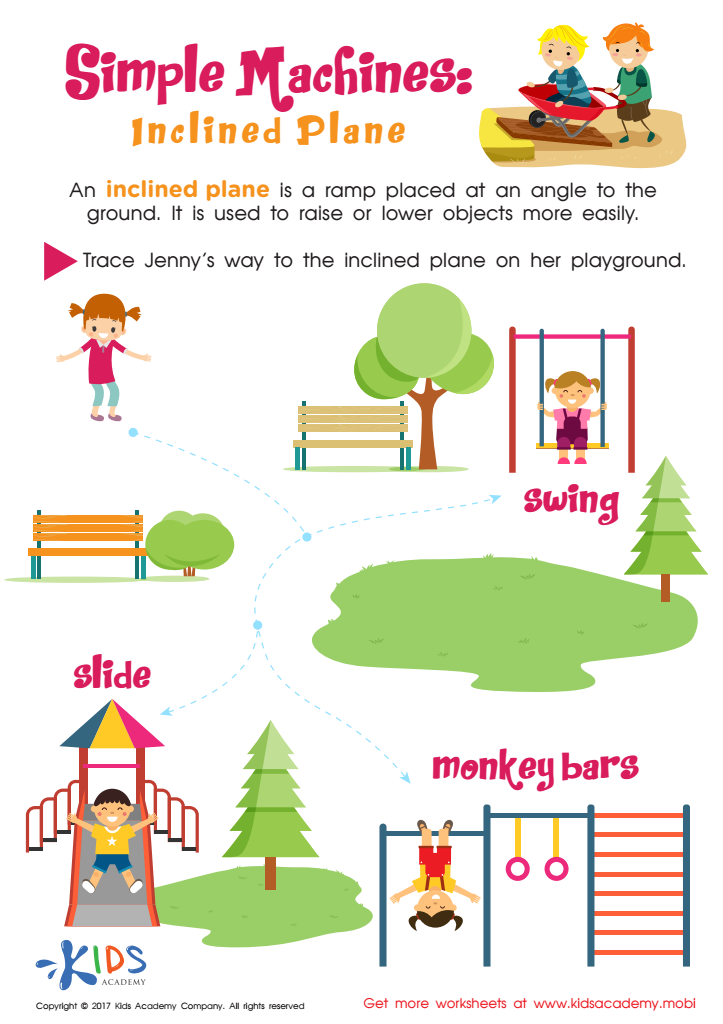
Simple Machines Inclined Plane Worksheet
This fun worksheet will help them increase their science skills while they have fun.
 Assign to My Students
Simple Machines Inclined Plane Worksheet
Worksheet
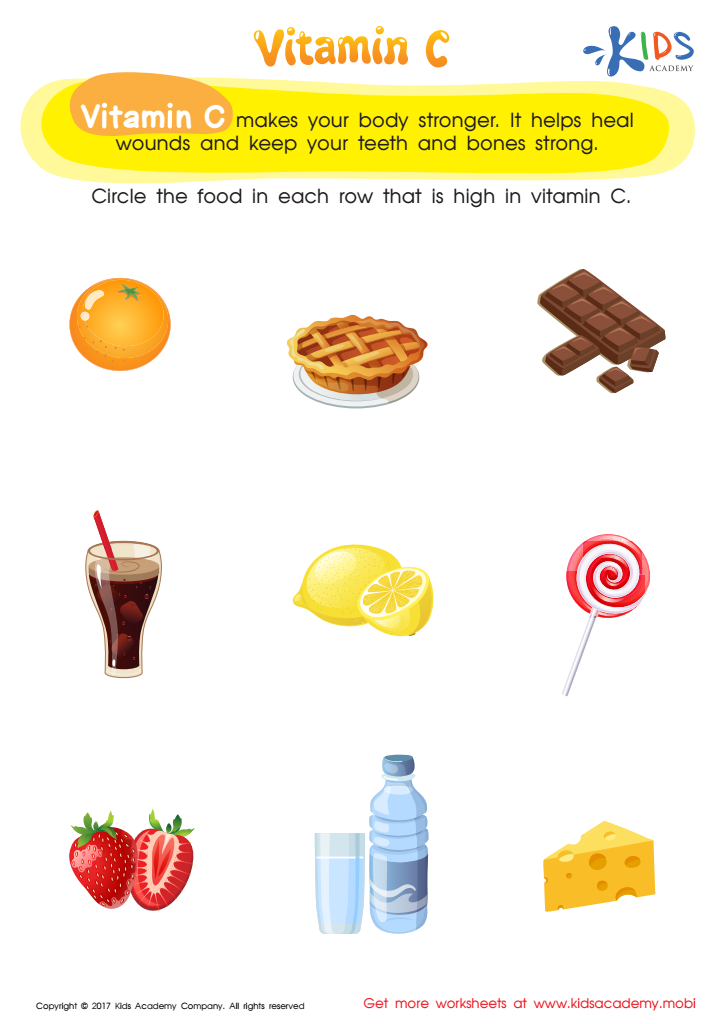
Vitamin C Worksheet
Kids need vitamins to stay strong and healthy. This worksheet will help them identify foods high in vitamin C and make them crave healthy options.
Vitamin C Worksheet
Worksheet
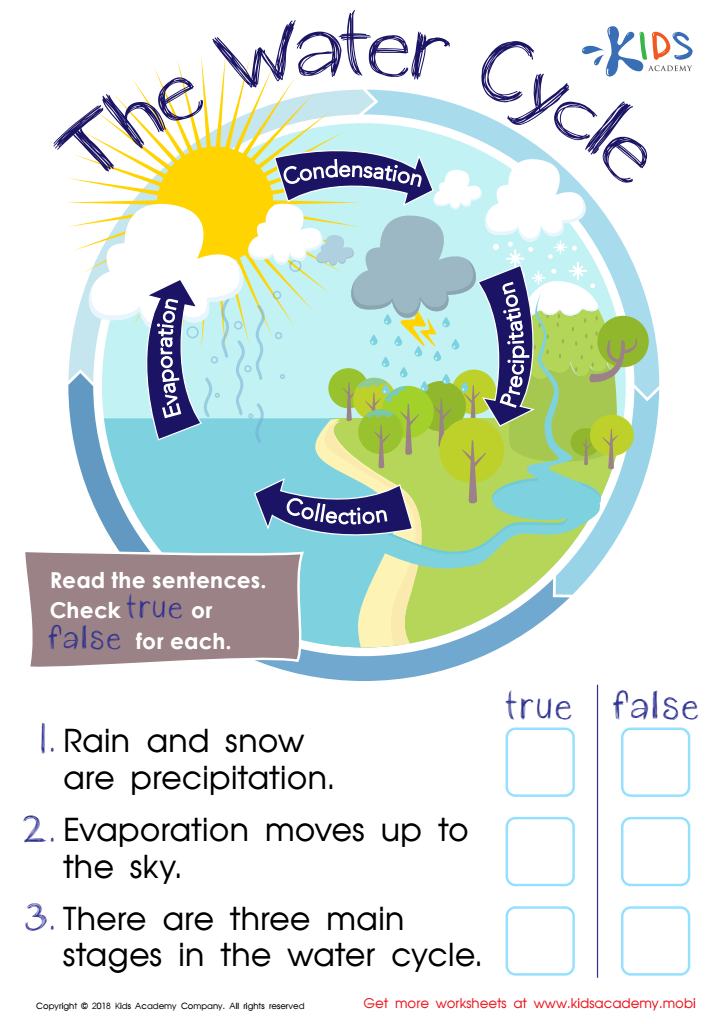
The Water Cycle Worksheet
Do your students know about the water cycle? Show them the picture in this worksheet. Explain the stages: collection, evaporation, condensation and precipitation. Read the sentences and have them check the true or false questions. After this, they will understand the cycle water goes through.
The Water Cycle Worksheet
Worksheet
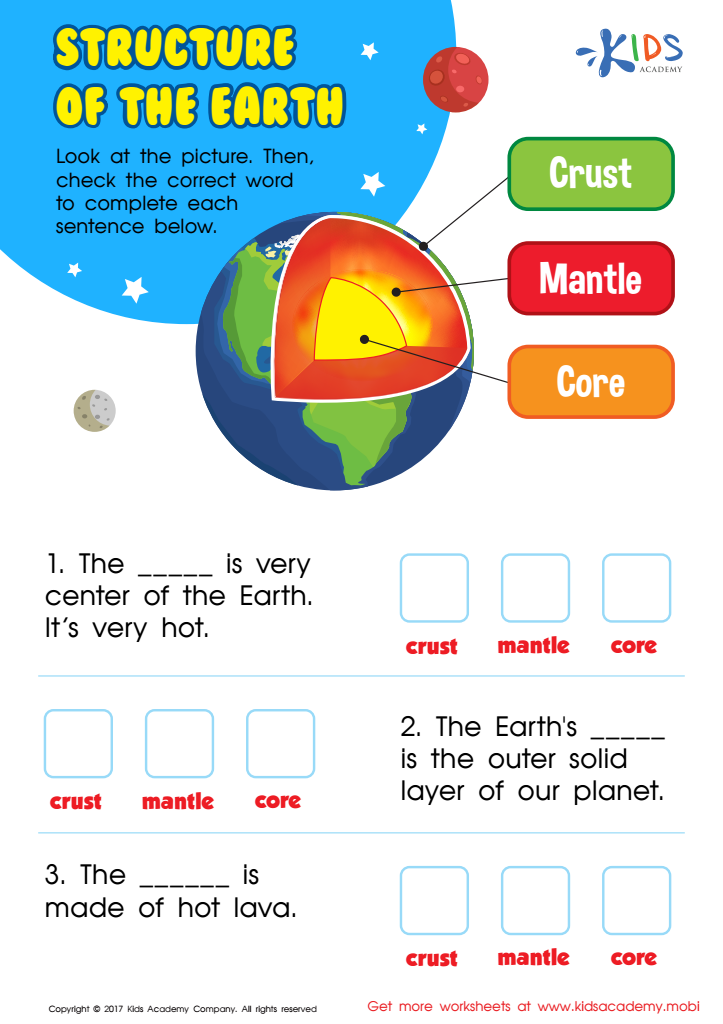
Structure of the Earth Worksheet
Discover the hidden structure of the Earth with this worksheet! Learn about the three main parts: crust, mantle and core. Help your little scientist increase their geological vocabulary and knowledge.
Structure of the Earth Worksheet
Worksheet
Join Kids Academy for Free
Who is primarily going to use this learning content?






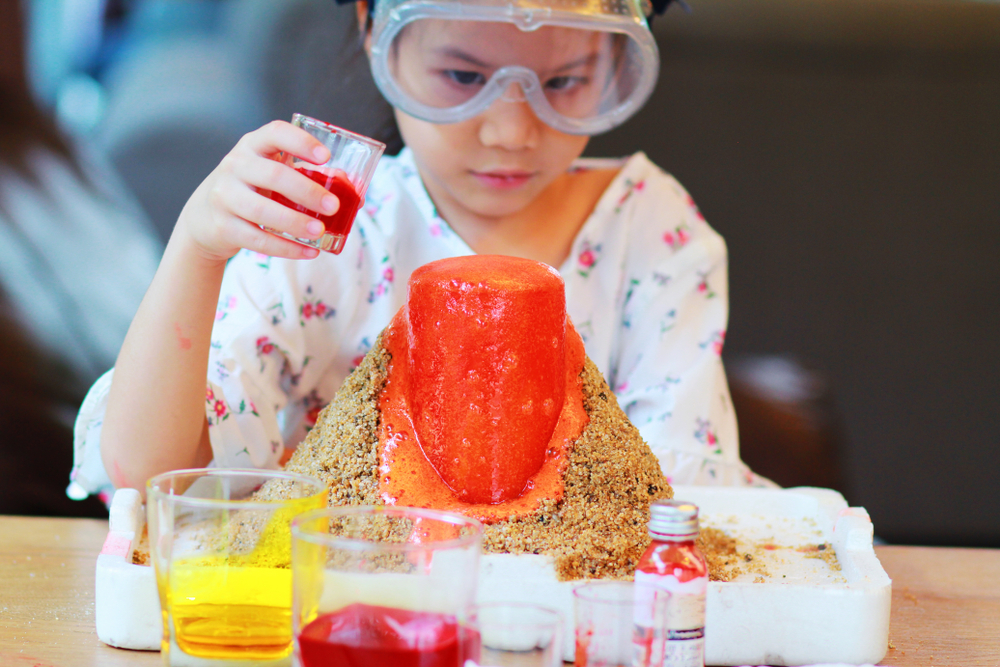

Improving reading comprehension in science for children ages 5-9 is crucial for several reasons. First, this age group forms the foundation for lifelong learning; strong reading comprehension skills enable children to grasp essential scientific concepts that they will build upon throughout their educational journey. When young learners can integrate reading with scientific inquiry, they develop critical thinking and analytical skills, which are vital for problem-solving.
Furthermore, children are naturally curious about the world around them, and science provides them with the tools to explore that curiosity. When parents and teachers focus on reading comprehension in science, they foster a sense of wonder and excitement about learning, encouraging children to ask questions and seek answers. Engaging with scientifically-themed texts also helps children develop specialized vocabulary and comprehension strategies tied to the subject matter, making them more articulate and informed individuals.
Moreover, strong reading comprehension leads to improved performance in standardized assessments, which can influence a child’s educational trajectory. Therefore, prioritizing reading comprehension in science not only benefits students academically but also instills a love of discovery, empowering them to become informed citizens capable of contributing to discussions and decisions about scientific issues in our increasingly complex world.







