Sequencing Skills Science Worksheets for Ages 5-9
4 filtered results
-
From - To
Enhance your child's understanding of sequencing skills with our engaging Science Worksheets, tailored for ages 5-9. These beautifully designed, printable worksheets guide young learners through essential concepts using fun illustrations and interactive activities. Children will explore sequencing through a variety of science topics, including the life cycles of plants and animals, simple experiments, and natural processes. By practicing their sequencing skills, kids will enhance their critical thinking and comprehension abilities, making science both enjoyable and educational. Our resources are perfect for both classroom settings and home learning, ensuring that your child builds a strong foundation in science and reasoning. Download now to start learning!
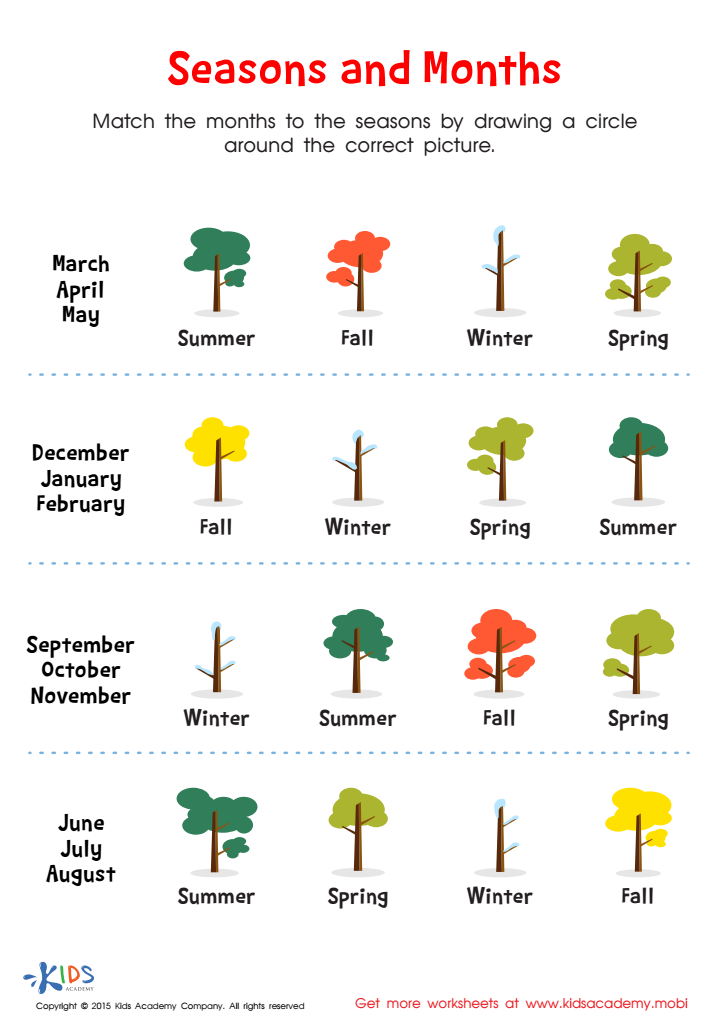
Seasons and Months Worksheet
 Assign to My Students
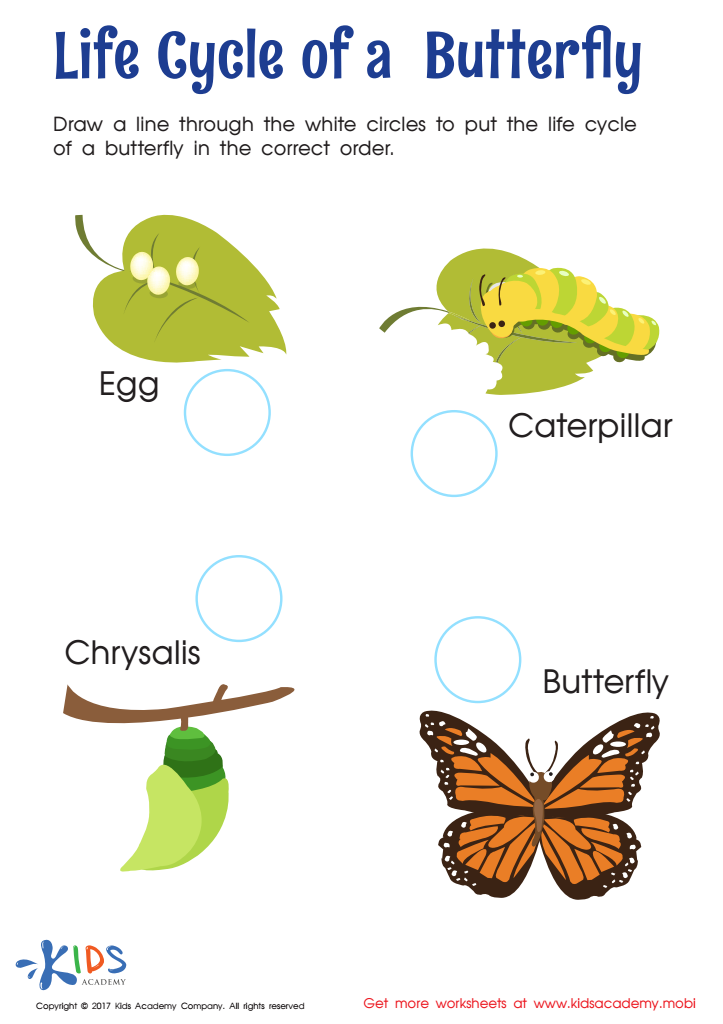
Life Cycle of Butterfly Worksheet
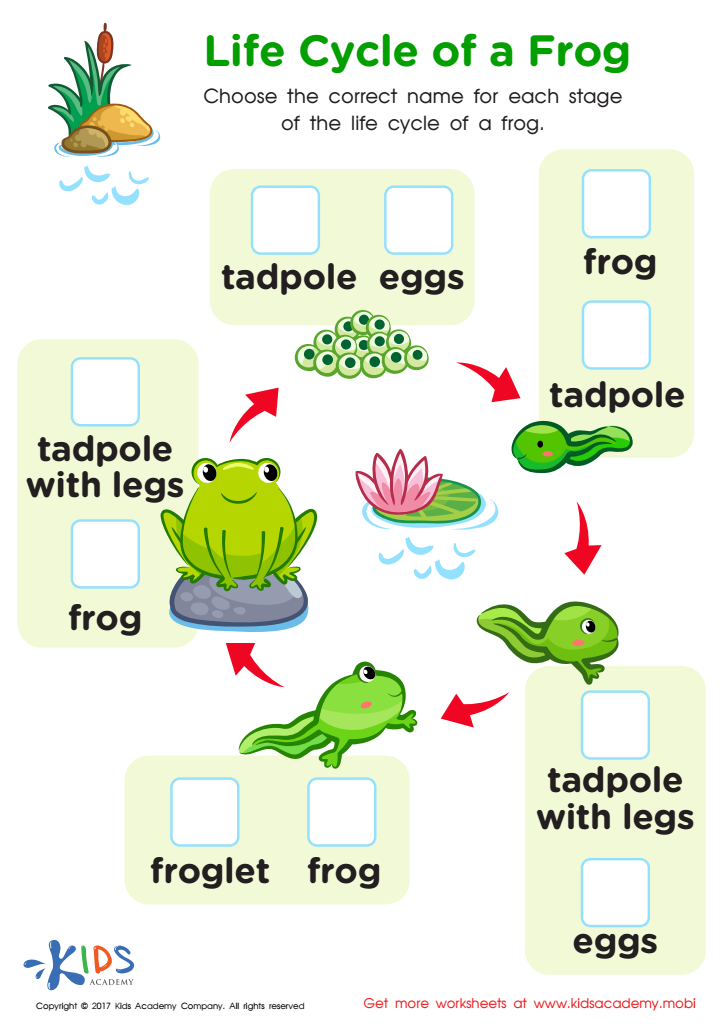
Life Cycle Frog Printable
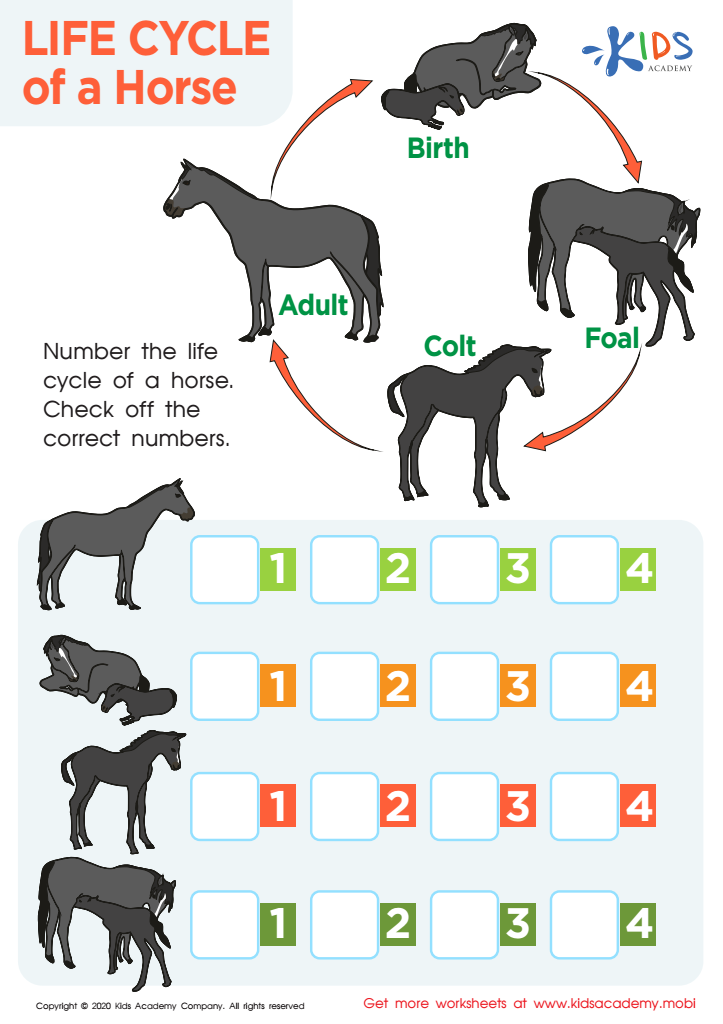
Life Cycle of a Horse Worksheet








Sequencing skills are foundational for young learners, particularly in the context of science education for children aged 5-9. These skills involve arranging events, ideas, or processes in the correct order, which is crucial not only in science but across all domains of learning. When parents or teachers promote sequencing skills, they help children understand cause and effect, which is vital in scientific inquiry. For example, understanding the sequence of reactions in a simple experiment fosters critical thinking and enhances comprehension.
Moreover, sequencing skills support literacy development. When kids learn to outline the steps in a science experiment, they also practice organizing their thoughts and improving their descriptive language, leading to better writing skills. Developing these skills at an early age boosts their overall cognitive capabilities, contributing to problem-solving abilities that are critical in both academic settings and daily life.
Furthermore, sequencing activities can be engaging and hands-on, making science fun. Activities like sorting data, narrating story sequences in experiments, or visualizing life cycles captivate young minds and make learning interactive. In essence, fostering sequencing skills not only enriches children’s understanding of science but also equips them with essential life skills for future learning.







