
Vocabulary development Life Science Worksheets for Ages 5-9
5 filtered results
Difficulty Level
Grade
Age
-
From - To
Subject
Activity
Standards
Introduce young learners, aged 5-9, to the exciting world of life science with our engaging Vocabulary Development Life Science Worksheets! Designed to enhance kids' understanding of key concepts, these interactive worksheets help children build a strong scientific vocabulary while exploring fascinating topics like plants, animals, and ecosystems. Through vibrant illustrations, fun activities, and age-appropriate content, our worksheets make learning both enjoyable and effective. Perfect for classroom use or at-home enrichment, these resources support early science education by fostering curiosity, critical thinking, and a lifelong love of learning. Spark your child's interest in life science today!
Link to the actual landing page
Favorites
With answer key
Interactive
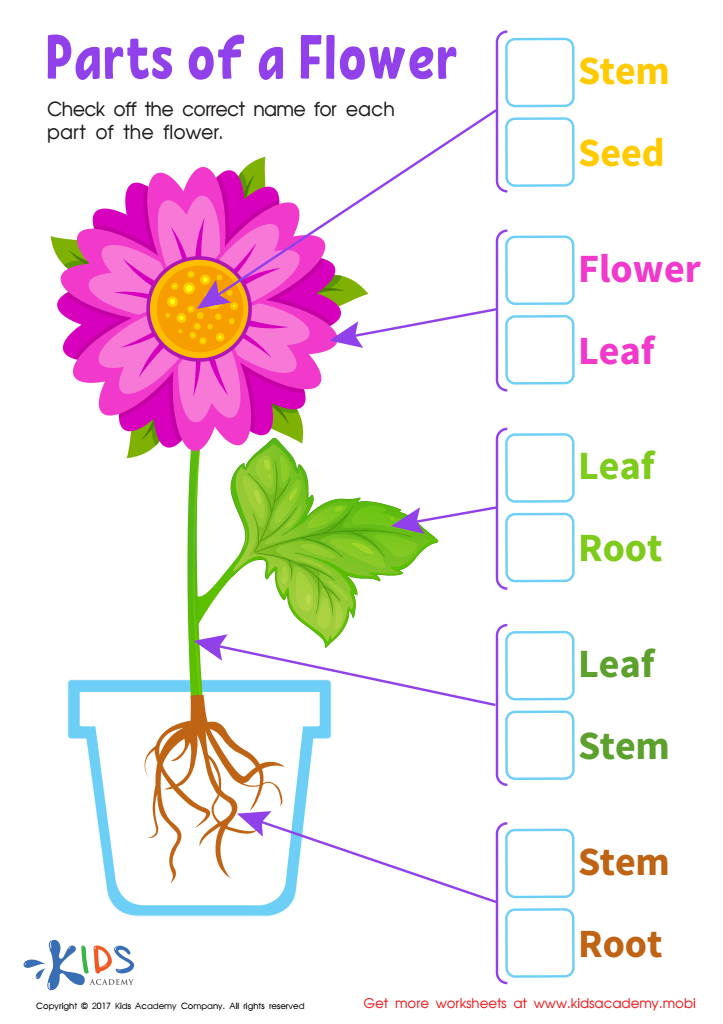
Parts Flower Printable
Introduce your child to life science with this vivid parts of a flower worksheet! They'll learn basic flower structures while building biology vocabulary and discovering plants are living creatures too! Perfect for budding little scientists!
 Assign to My Students
Parts Flower Printable
Worksheet
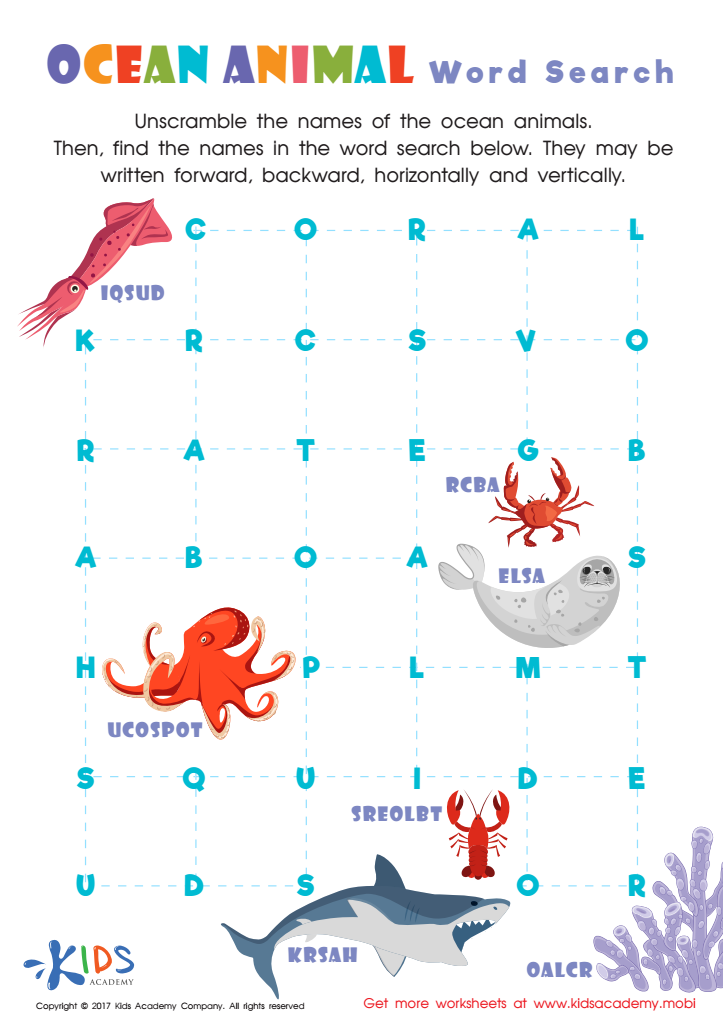
Ocean Animals Word Search Printable
Challenge your child to unscramble the names of ocean animals and find them in the word search. This ocean animals printable is a fun way to teach kids more about these fascinating creatures!
Ocean Animals Word Search Printable
Worksheet
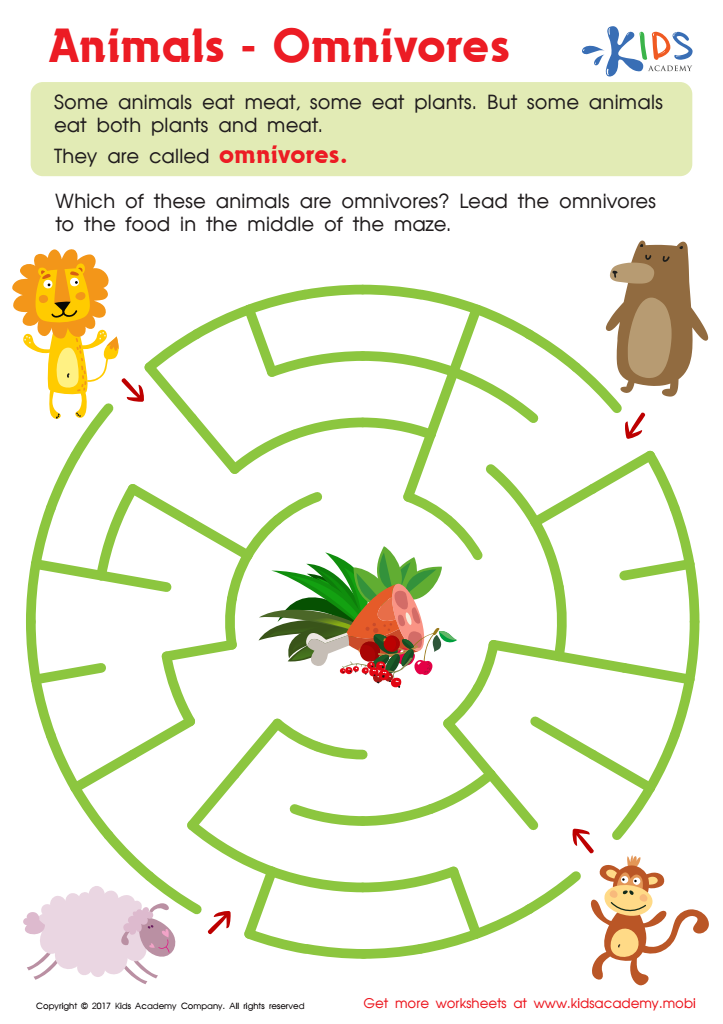
Omnivores Animals Worksheet
Kids can explore omnivores animals with this worksheet! It presents herbivores, carnivores and omnivores, with the main activity being a maze. Kids must guide a bear through it to get to its food. See how much they know about omnivores!
Omnivores Animals Worksheet
Worksheet
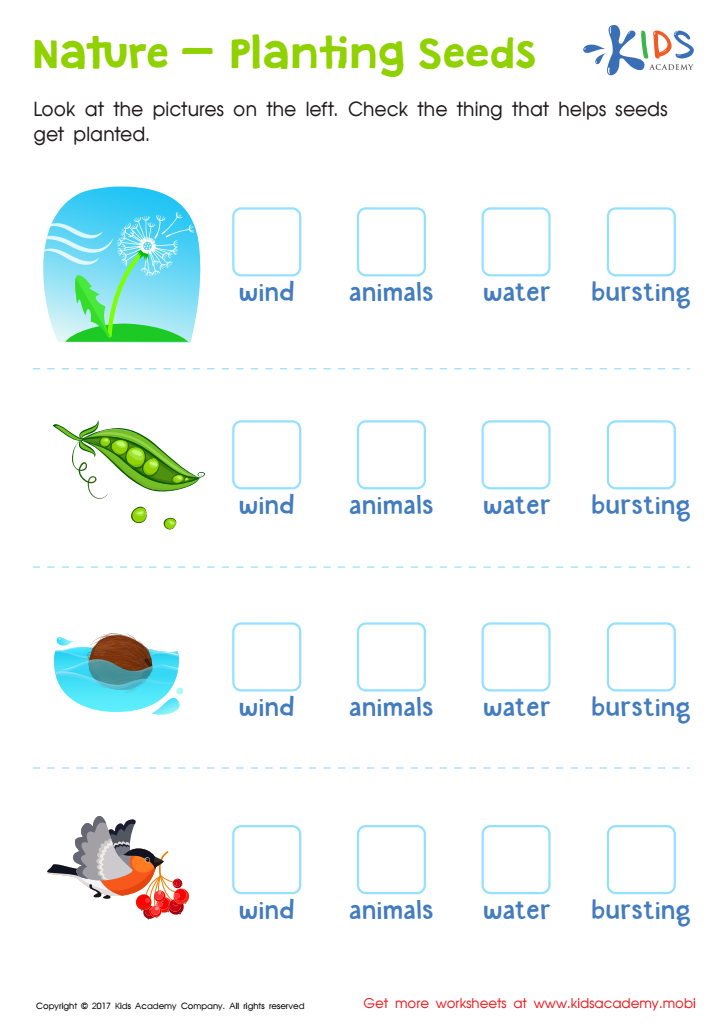
Nature Planting Seeds Worksheet
Help your child explore the fascinating cycle of plants and seeds with this worksheet. They'll learn how plants grow and how seeds travel to the ground. Challenge them to identify the right way each seed gets planted!
Nature Planting Seeds Worksheet
Worksheet
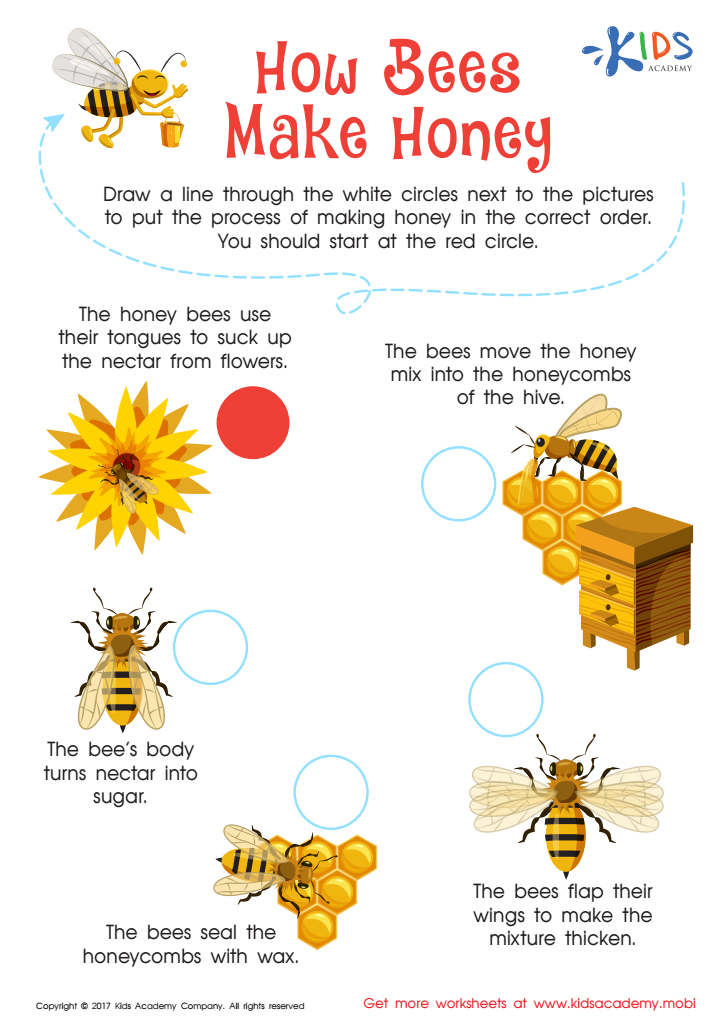
Honey Bee Worksheet
Kids learn about life science and the process of making honey with this sweet honeybee worksheet for 3rd grade. They identify the steps bees take and put the cycle in order, developing knowledge and appreciation for honeybees!
Honey Bee Worksheet
Worksheet
Join Kids Academy for Free
Who is primarily going to use this learning content?








Vocabulary development in Life Science for children ages 5-9 is fundamental for several reasons. Firstly, vocabulary forms the bedrock of literacy and communication skills, both of which are essential for academic success and everyday life. When children learn the specific terms used in Life Science, they are better equipped to understand and engage with the subject matter. This comprehension fosters curiosity and enthusiasm for learning about the natural world, promoting a lifelong interest in science.
Secondly, a robust vocabulary supports cognitive development. By learning scientific terms, children enhance their ability to categorize and relate concepts, improving critical thinking skills. For example, understanding words like “photosynthesis” or “habitat” allows children to grasp complex biological processes and ecosystems.
Furthermore, early exposure to Life Science vocabulary aids in developing analytical and reasoning skills. Children start asking questions, making observations, and forming explanations about the living world around them. This active engagement promotes problem-solving abilities and encourages scientific inquiry.
Lastly, having a strong Life Science vocabulary can bridge gaps in learning equity. All children, regardless of background, should have access to scientific literacy to empower them academically and in making informed decisions about health and the environment. In summary, investing in vocabulary development in Life Science sets a foundation for future educational and personal growth.








