Analyzing data Our Planet and Environment Worksheets for Ages 5-9
5 filtered results
-
From - To
Discover vibrant and educational "Analyzing Data: Our Planet and Environment Worksheets" tailored for ages 5-9. Each worksheet is designed to capture children’s curiosity about the natural world while enhancing their analytical skills. Kids will explore topics like weather patterns, plant growth, recycling, and more. Through hands-on activities and engaging graphics, young learners can practice interpreting charts, graphs, and data sets. Boost your child's love for science and critical thinking with these exciting, curriculum-aligned, and easy-to-follow worksheets. Perfect for classroom use or homeschooling, set your child on a path to environmental awareness and data literacy today!
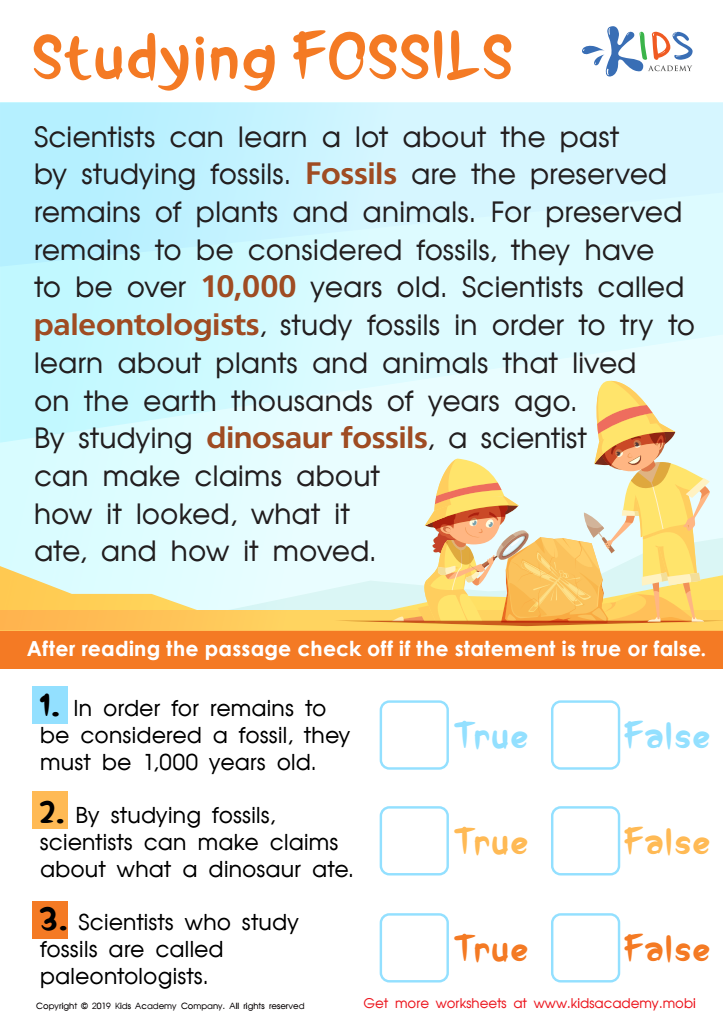
Studying Fossils Worksheet
 Assign to My Students
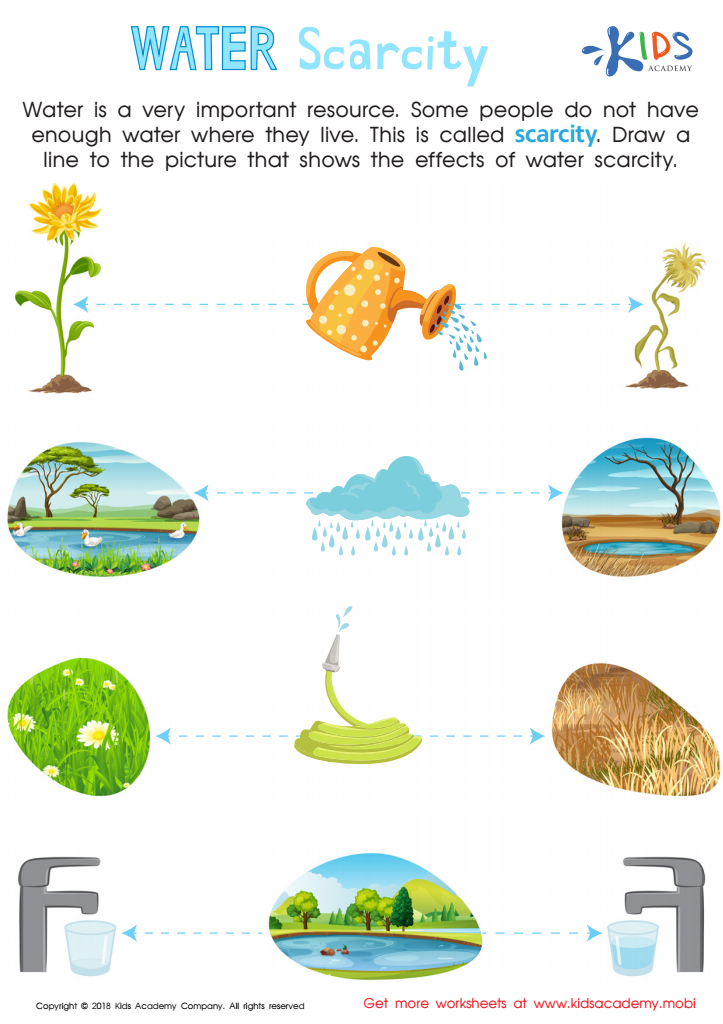
Water Scarcity Worksheet
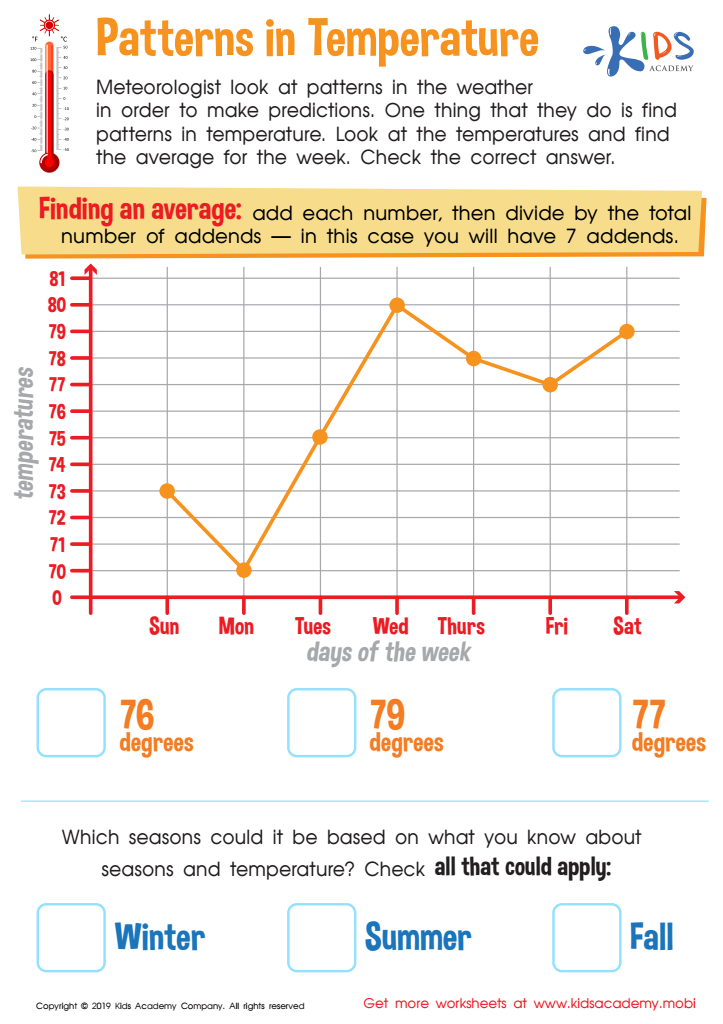
Patterns in Temperature Worksheet
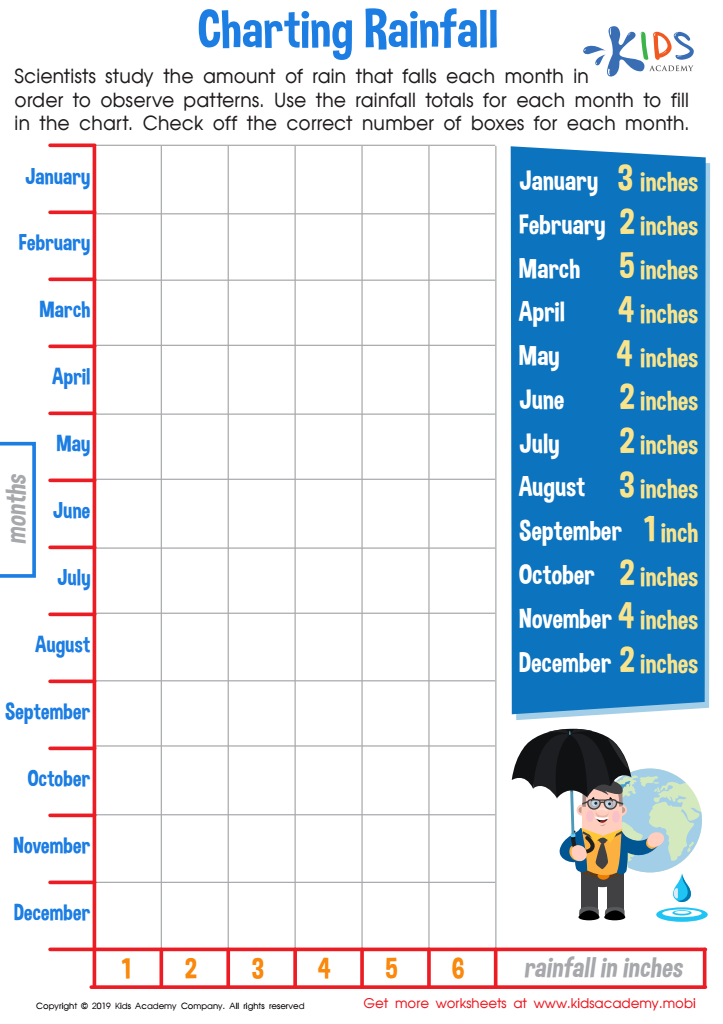
Charting Rainfall Worksheet
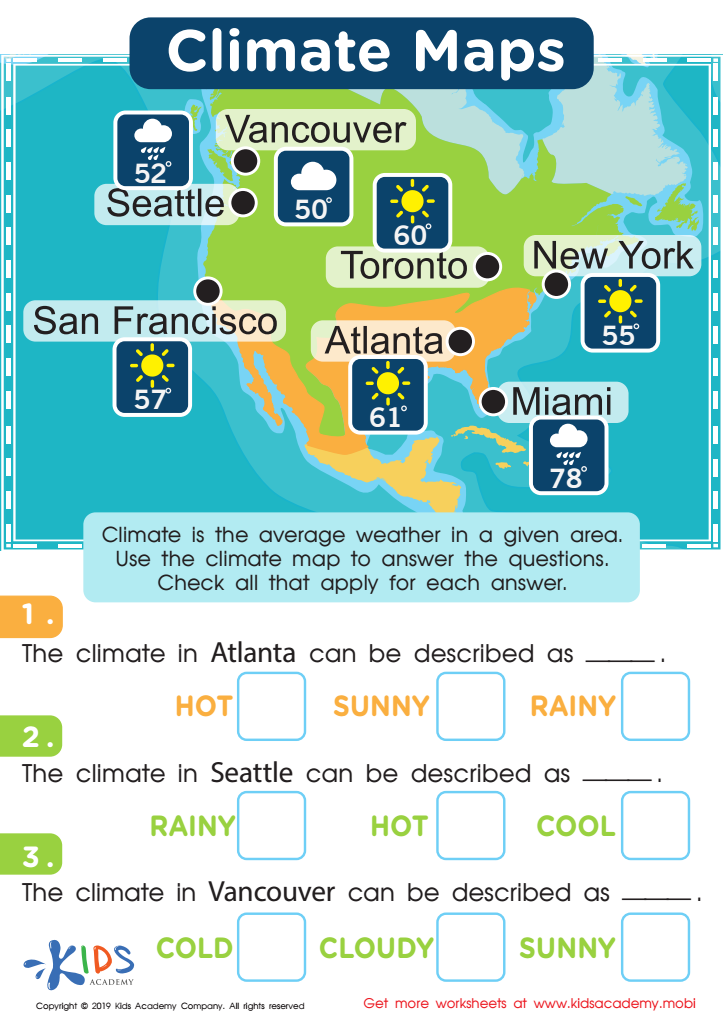
Climate Maps Worksheet



Exploring data about our planet and environment with young children is crucial for several reasons. First, it lays the foundation for environmental stewardship. When children learn early about their natural world, they develop a sense of responsibility and empathy towards it. This can lead to lifelong habits of sustainability and conservation.
Secondly, analyzing data hones critical thinking skills. By engaging in age-appropriate activities that involve observing, measuring, and interpreting information, kids enhance their analytical abilities. Skills such as categorizing, comparing, and identifying patterns are transferable to all areas of learning, from math to reading comprehension.
Moreover, environment-focused data analysis encourages inquiry-based learning. Children naturally ask questions about the world around them. Guiding them to seek answers through data fosters curiosity, scientific literacy, and problem-solving abilities. Hands-on lessons about weather patterns, recycling habits, or energy use also make abstract concepts tangible and relatable.
Finally, by understanding the current state of our planet, young learners are better prepared to face future challenges. Teaching them these skills ensures they are equipped to participate in creating innovative solutions for environmental issues as they grow.
Guiding children through analyzing our planet's data at an early age creates informed, empathetic, and proactive future citizens.







