Observation skills Plants and Animals Worksheets for Ages 5-9
3 filtered results
-
From - To
Enhance your child's learning experience with our engaging "Observation Skills Plants and Animals Worksheets" designed for ages 5-9. These printable worksheets encourage young learners to explore the fascinating world of flora and fauna by honing their observation skills. Through interactive activities, children will enhance their ability to notice details, identify patterns, and make comparisons between different plants and animals. Our carefully crafted worksheets not only support science education but also foster critical thinking and curiosity about nature. Perfect for home or classroom settings, these resources provide an excellent opportunity for children to develop essential observational skills while having fun!
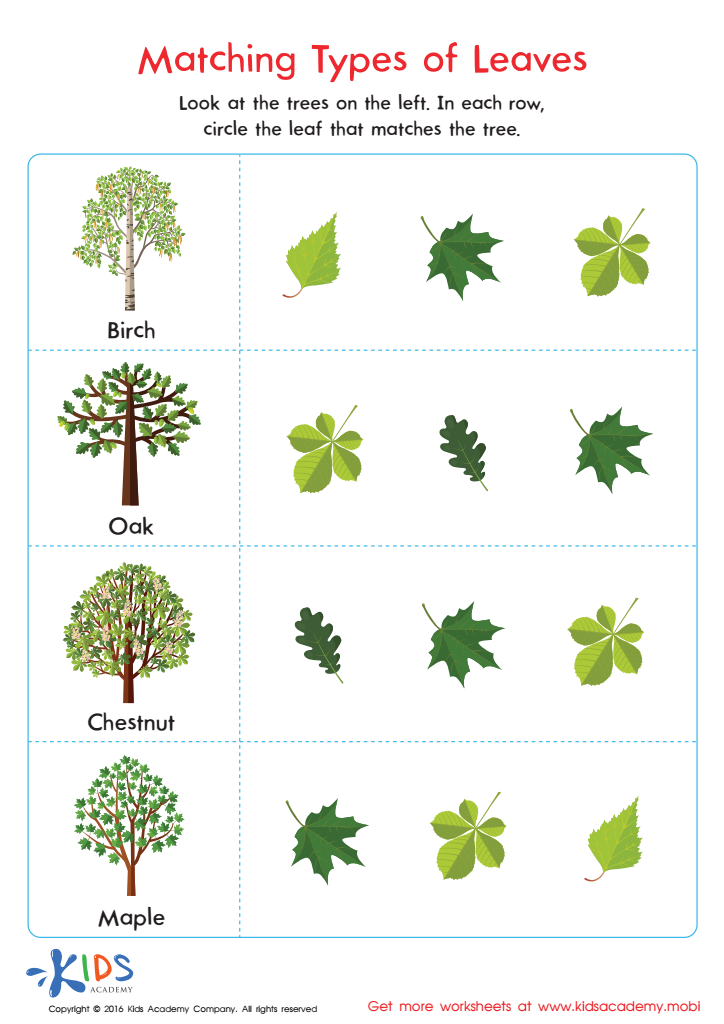
Matching Types of Leaves Printable
 Assign to My Students
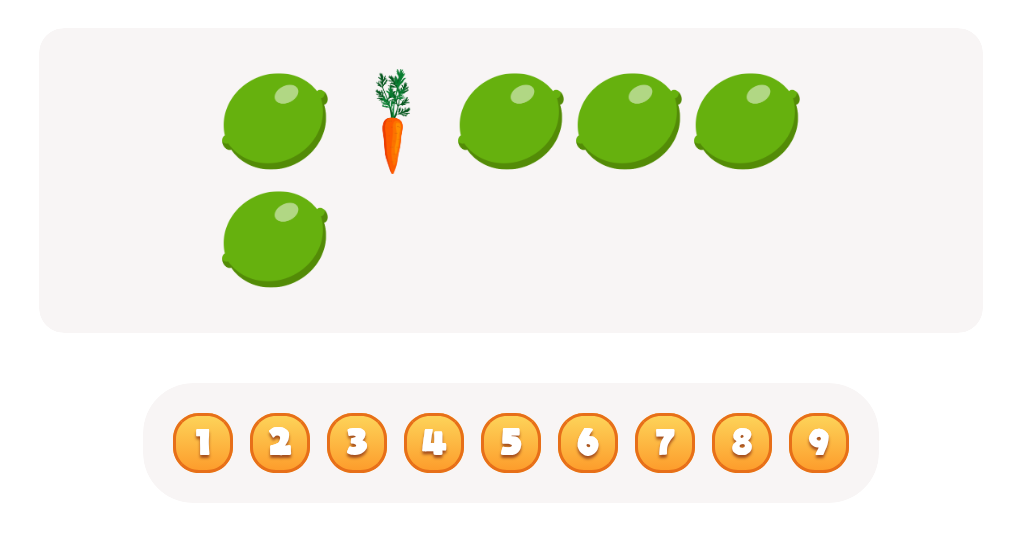

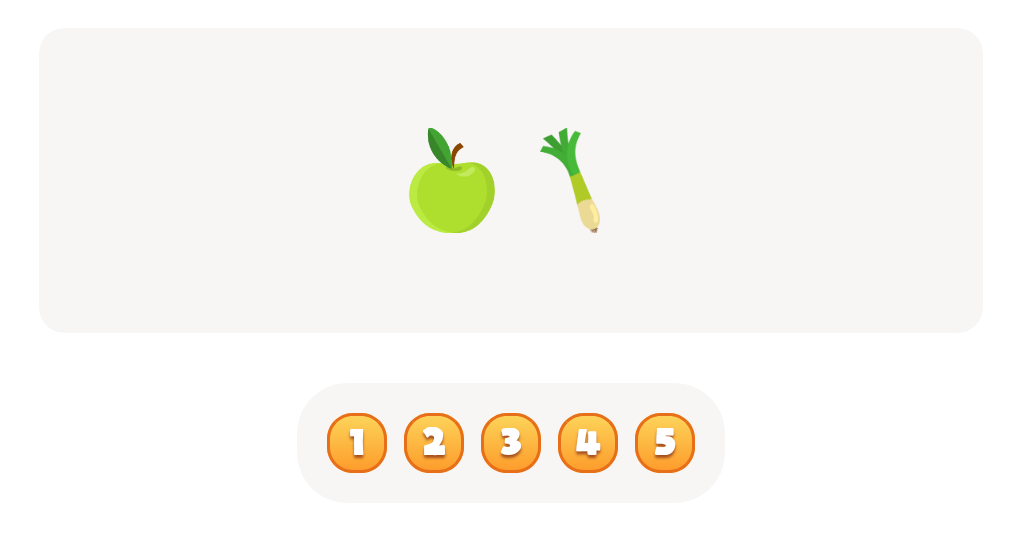
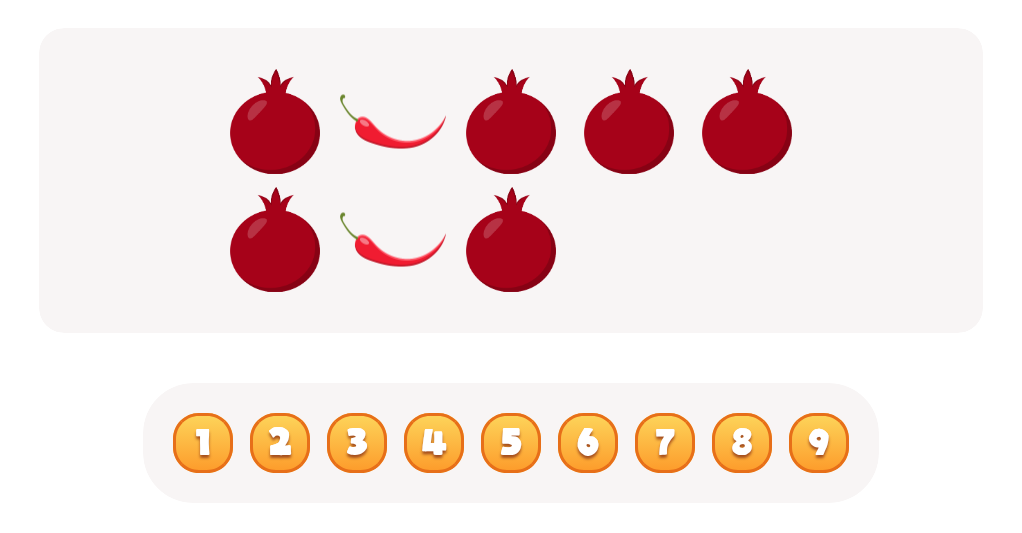
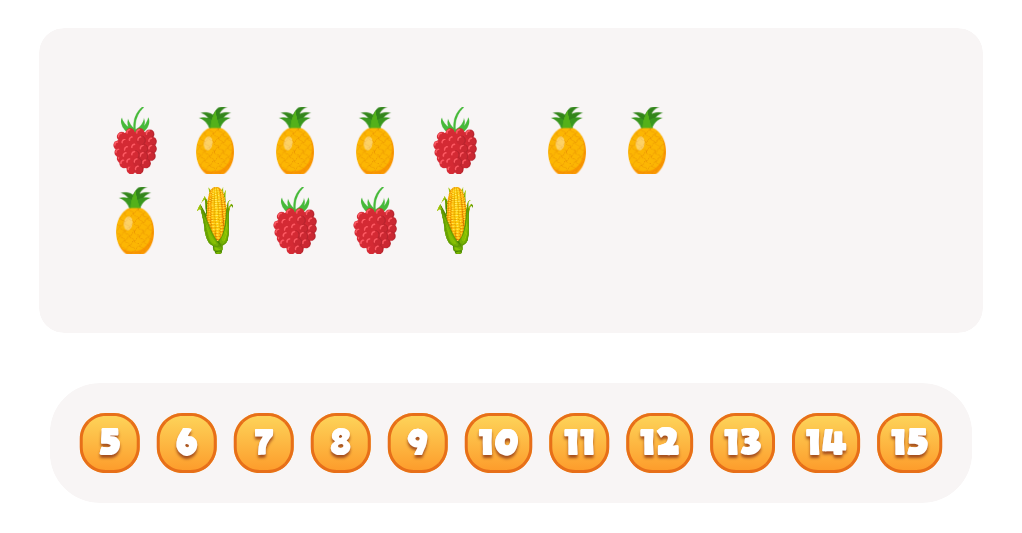
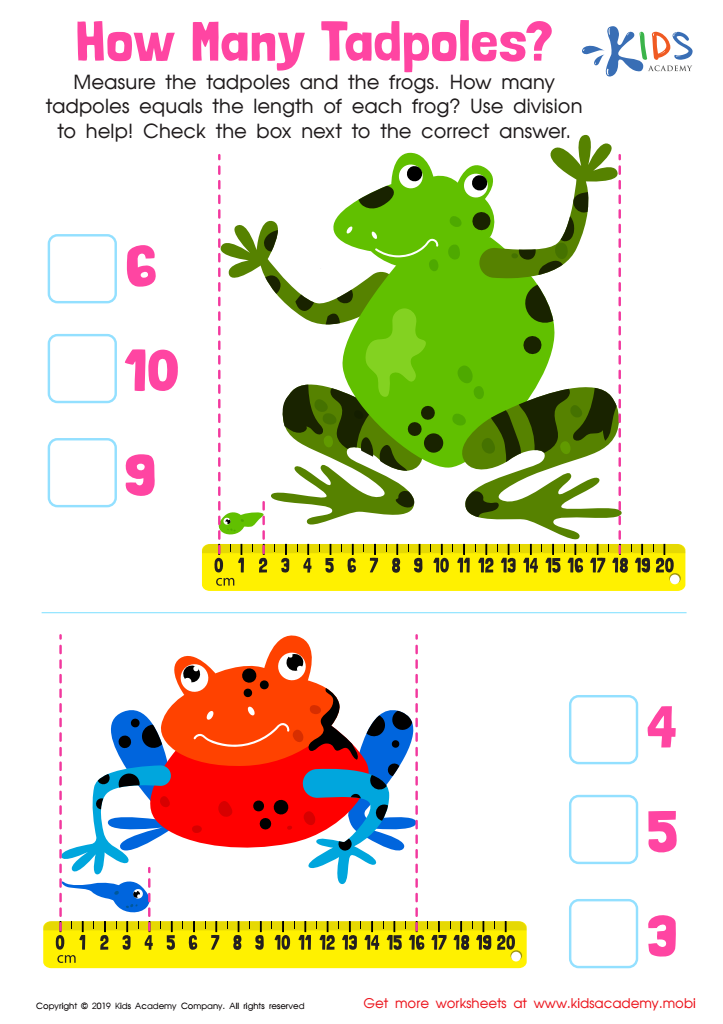
How Many Tadpoles Worksheet
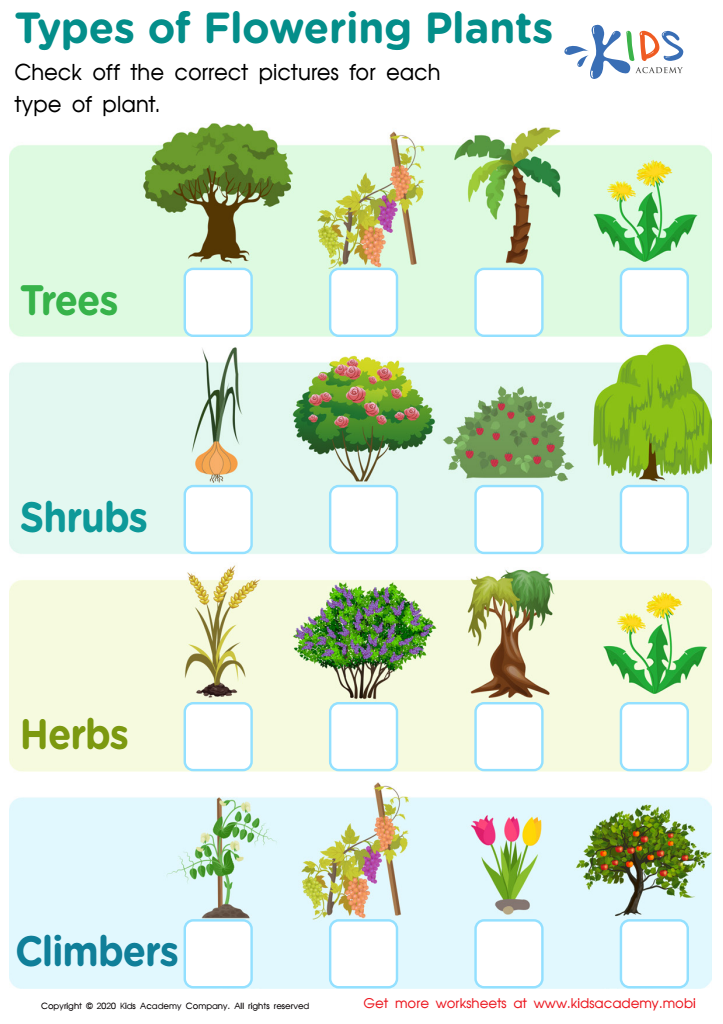
Types of Flowering Plants Worksheet








Observation skills are crucial for children aged 5-9, particularly when studying plants and animals, as they are foundational for scientific inquiry and critical thinking. Encouraging young learners to observe their natural surroundings fosters curiosity and a deeper understanding of ecosystems. By developing skills to notice details such as changes in color, patterns, and behaviors of plants and animals, children become more engaged with the environment around them.
Teachers and parents who nurture these skills help cultivate a sense of wonder and responsibility towards nature. Observation encourages children to ask questions, leading to explorations and research, which enhances their ability to think critically and solve problems. Such engagement can result in improved literacy and communication skills as children learn to articulate their observations.
Moreover, multidimensional observation activities often promote collaboration among peers, teaching teamwork and enhancing social skills. The positive experiences garnered from interacting with nature can also support emotional well-being and a sense of belonging. In a world increasingly dominated by technology, fostering observation skills in young children connects them with the natural world, promoting appreciation, respect, and stewardship for the environment—fundamental attributes that will benefit society as a whole in the future.








