Vocabulary Building Plants and Animals Worksheets for Ages 5-9
5 filtered results
-
From - To
Explore our engaging Vocabulary Building Worksheets designed for children aged 5-9, featuring a vibrant collection of plants and animals. Perfect for enhancing language skills, these worksheets introduce young learners to essential vocabulary in a fun and interactive way. With colorful illustrations and stimulating activities, kids will enjoy practicing key terms related to nature and the environment. Each worksheet promotes not only vocabulary development but also critical thinking and observation skills. Ideal for classroom settings or home learning, our resources provide a hands-on approach to learning about the fascinating world of plants and animals. Encourage your child’s love for science and language today!
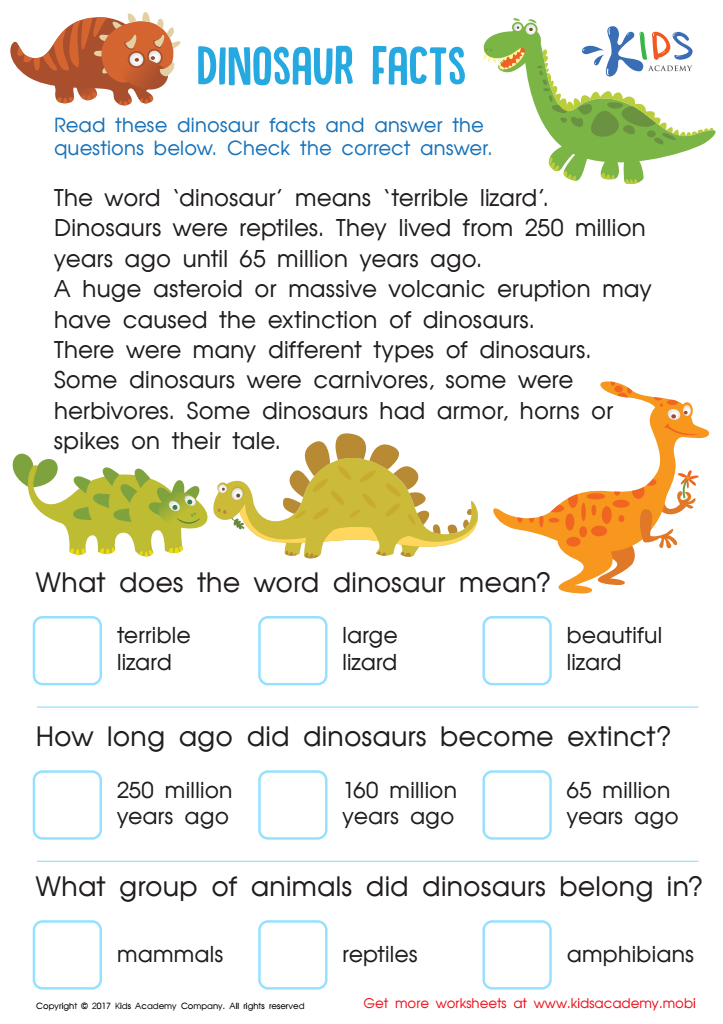
Dinosaur Facts Worksheet
 Assign to My Students
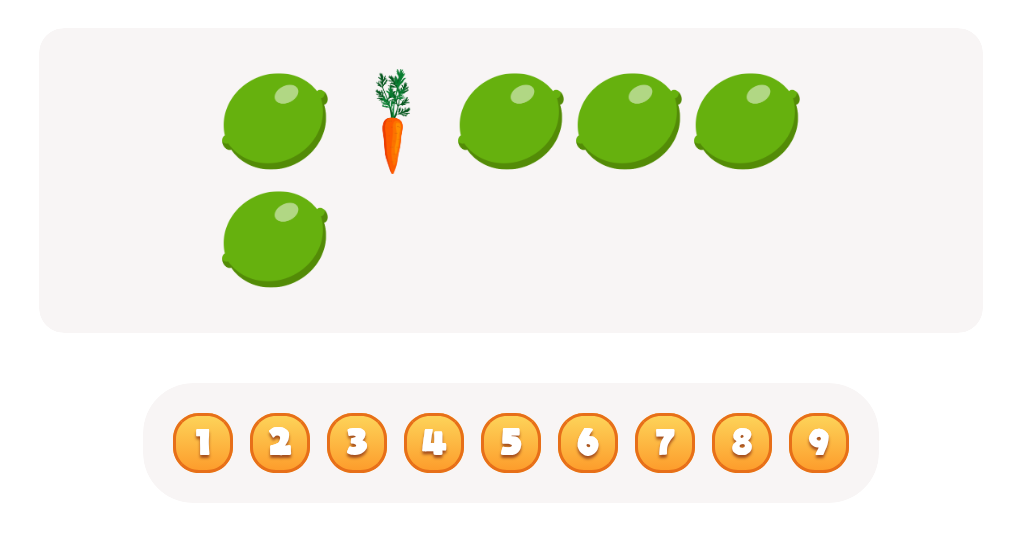

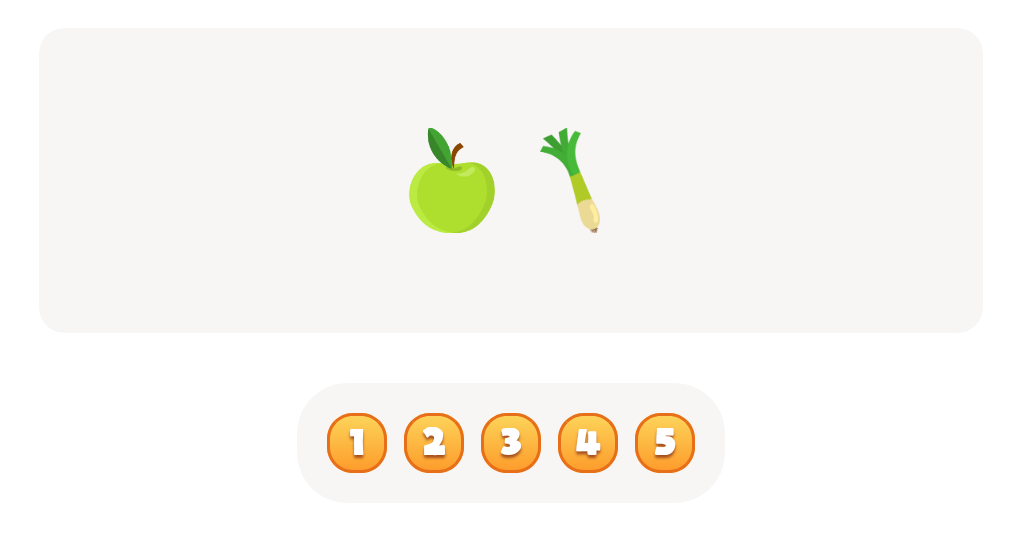
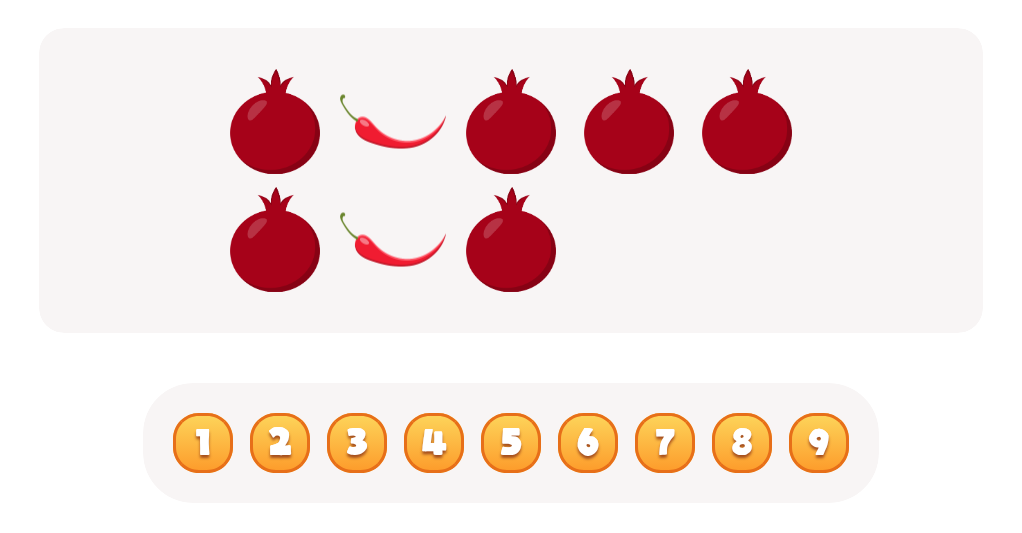
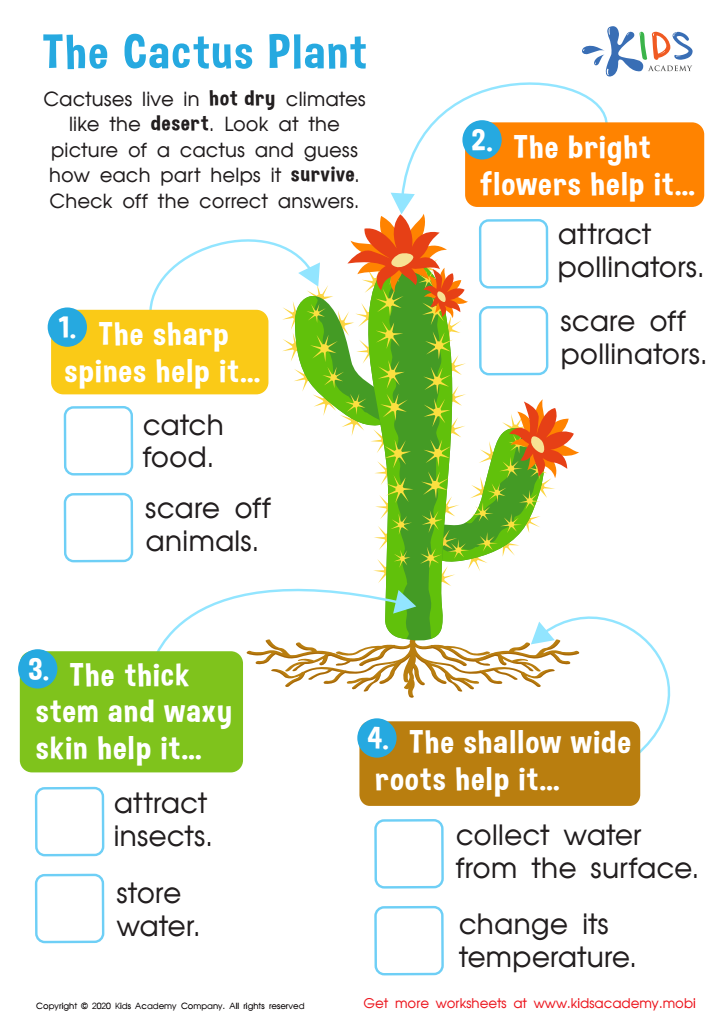
The Cactus Plant Worksheet
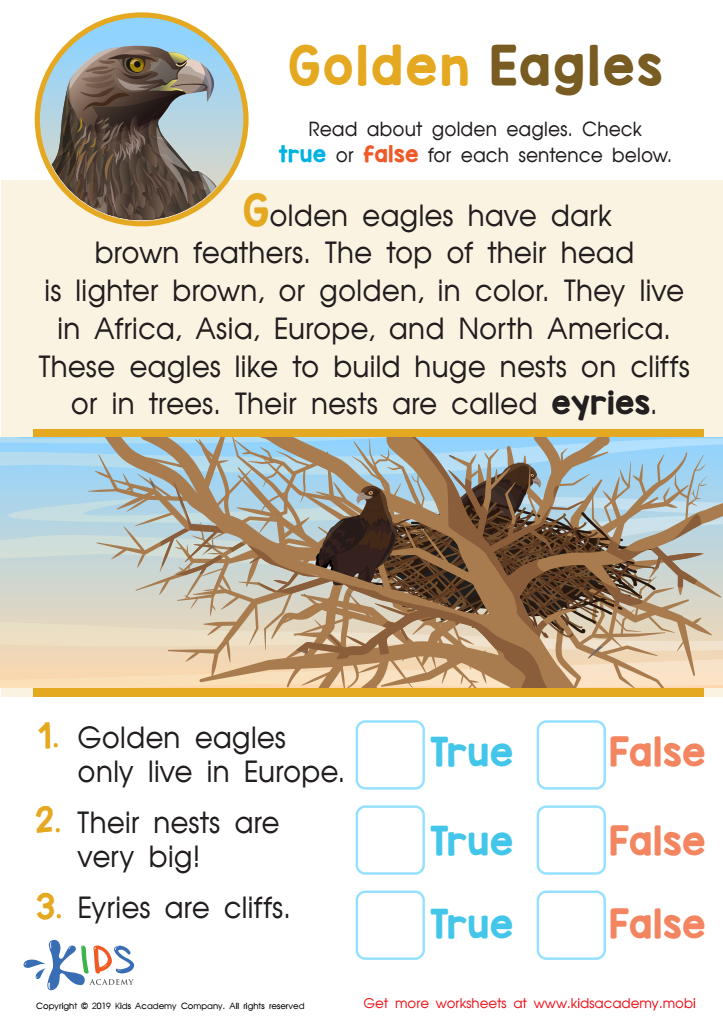
Golden Eagles Worksheet
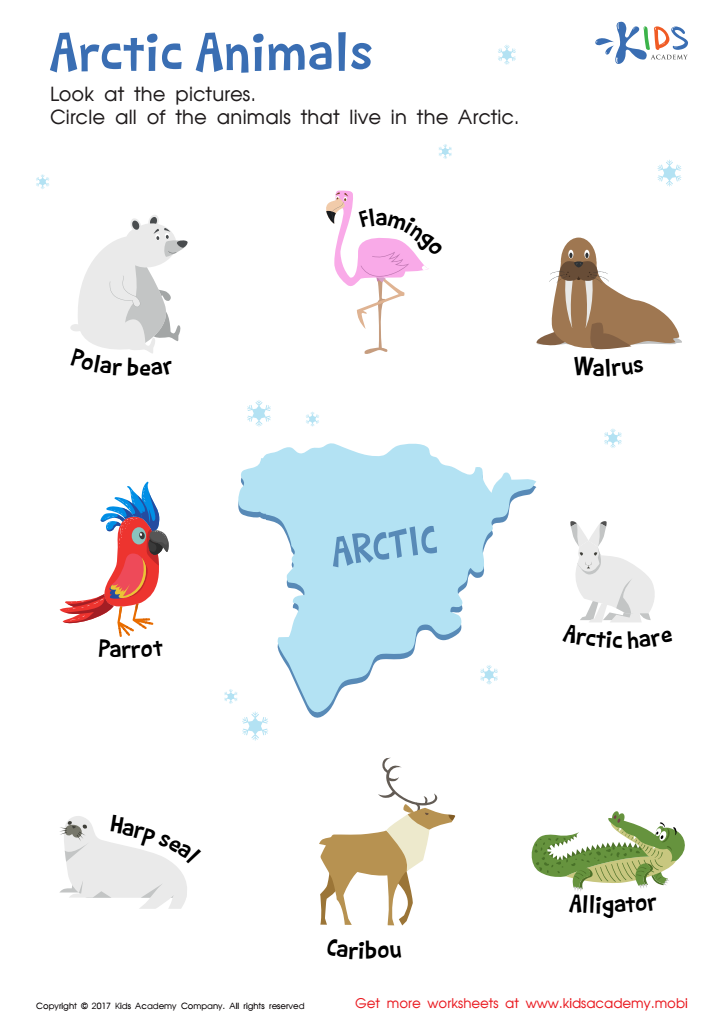
Arctic Animals Worksheet
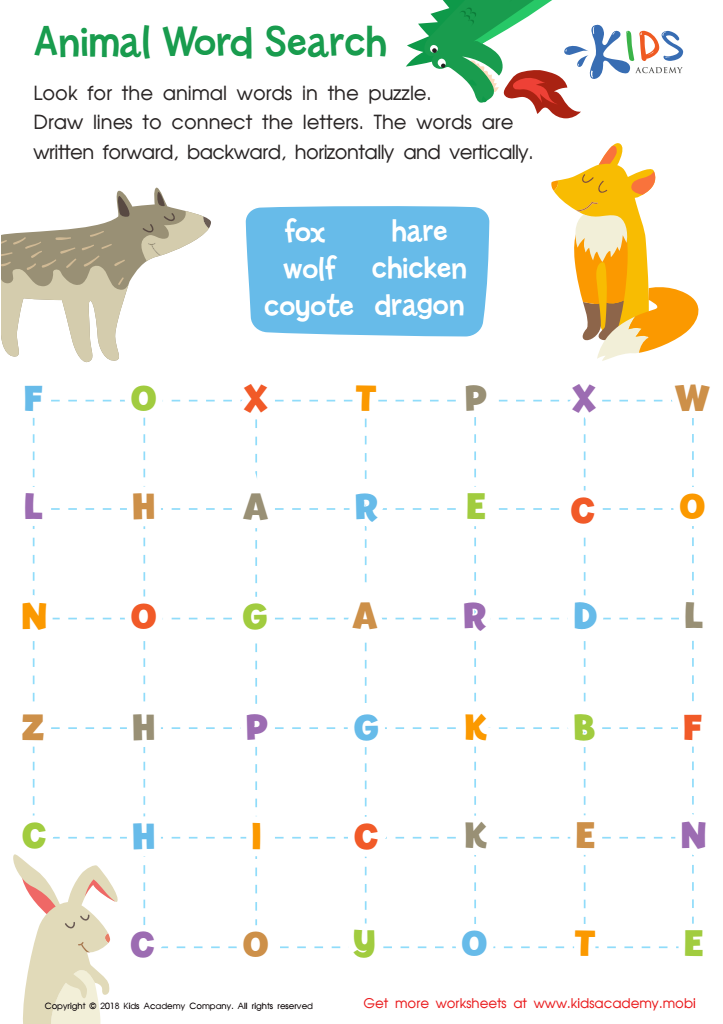
Animal Word Search Worksheet







Vocabulary building is crucial for children ages 5-9, particularly when it comes to plants and animals, as it enhances their understanding of the world around them. This period is pivotal for language acquisition, and exposing children to specific vocabulary related to nature fosters their curiosity and learning. It helps them articulate their observations and experiences, making connections to their environment.
By introducing terms related to plants and animals, children not only expand their vocabulary but also develop critical thinking and observation skills. For instance, knowing the difference between a "tree" and a "bush" or recognizing various animal species widens their perspective and encourages appreciation for biodiversity. Furthermore, discussions surrounding these topics can facilitate early literacy skills and comprehension as they learn to express themselves effectively.
Parents and teachers play a vital role in this journey. Engaging children in activities such as nature walks, gardening, or visiting zoos can create exciting contexts for learning. It reinforces vocabulary retention through experiential learning while nurturing a sense of responsibility and partnership with the environment. Overall, vocabulary building in plants and animals creates a strong foundation for lifelong learning and a respect for nature, benefiting children's cognitive and emotional development.








