Building vocabulary Social Studies Worksheets for Ages 5-9
3 filtered results
-
From - To
Discover our engaging "Building Vocabulary Social Studies Worksheets" designed for children ages 5-9. These worksheets offer a dynamic approach to learning essential social studies concepts while enhancing vocabulary skills. Each activity encourages young learners to explore themes such as community, geography, culture, and history, promoting both academic growth and curiosity about the world around them. With colorful visuals and interactive exercises, our worksheets provide an enjoyable learning experience that fosters language development and critical thinking. Perfect for home or classroom use, these resources empower educators and parents to support kids in building a solid vocabulary foundation in social studies.
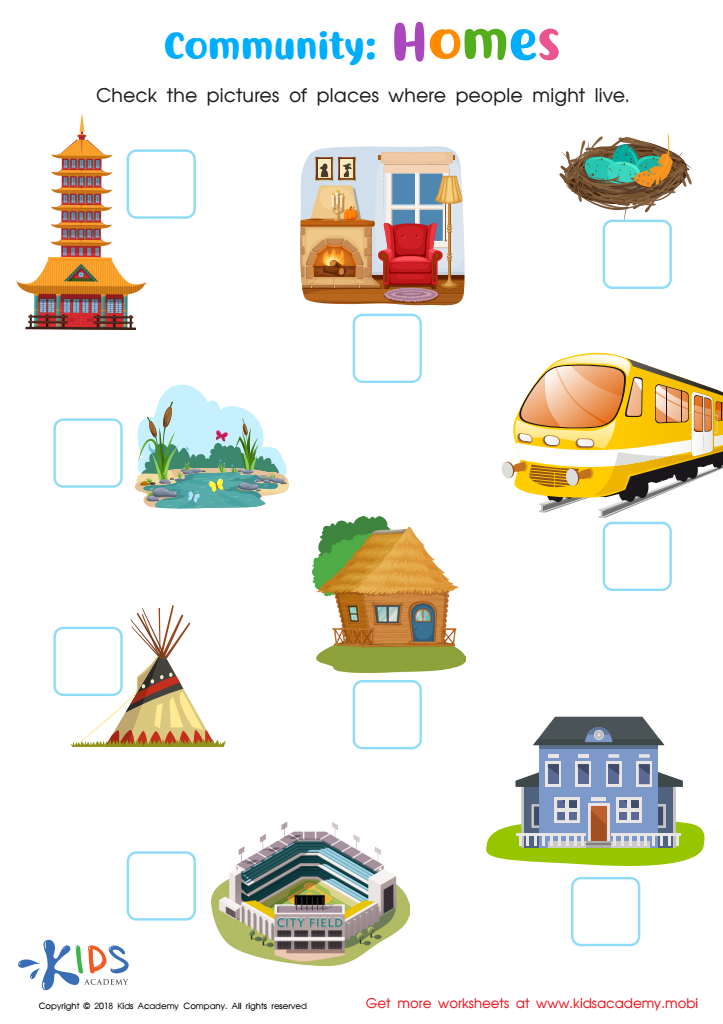
Community: Homes Worksheet
 Assign to My Students
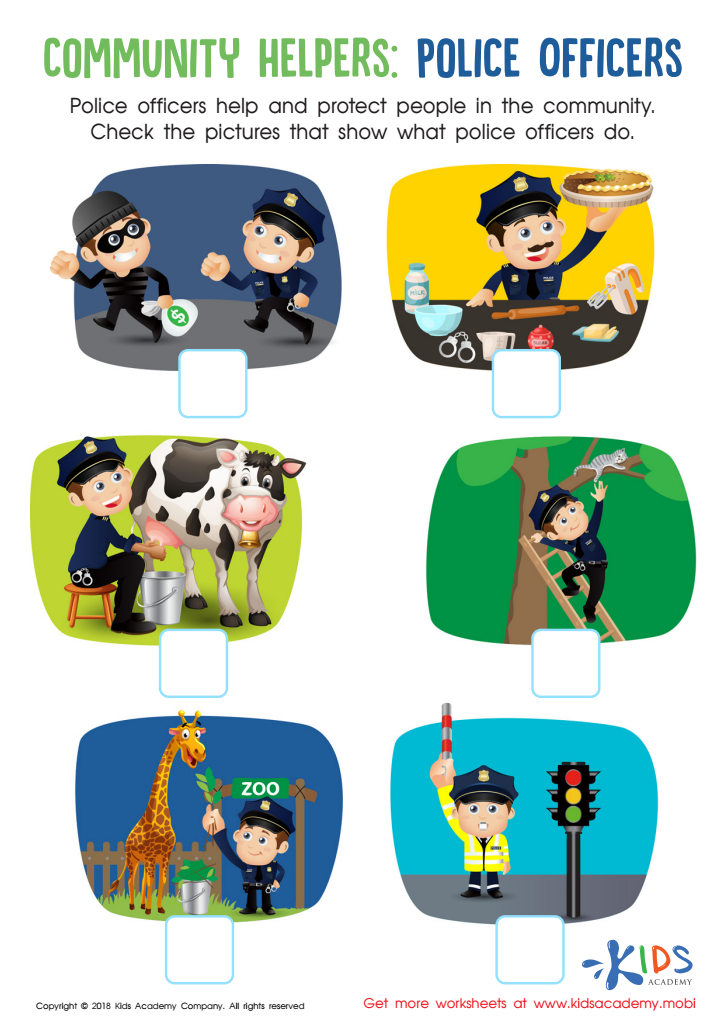
Police Officers Community Helpers Worksheet
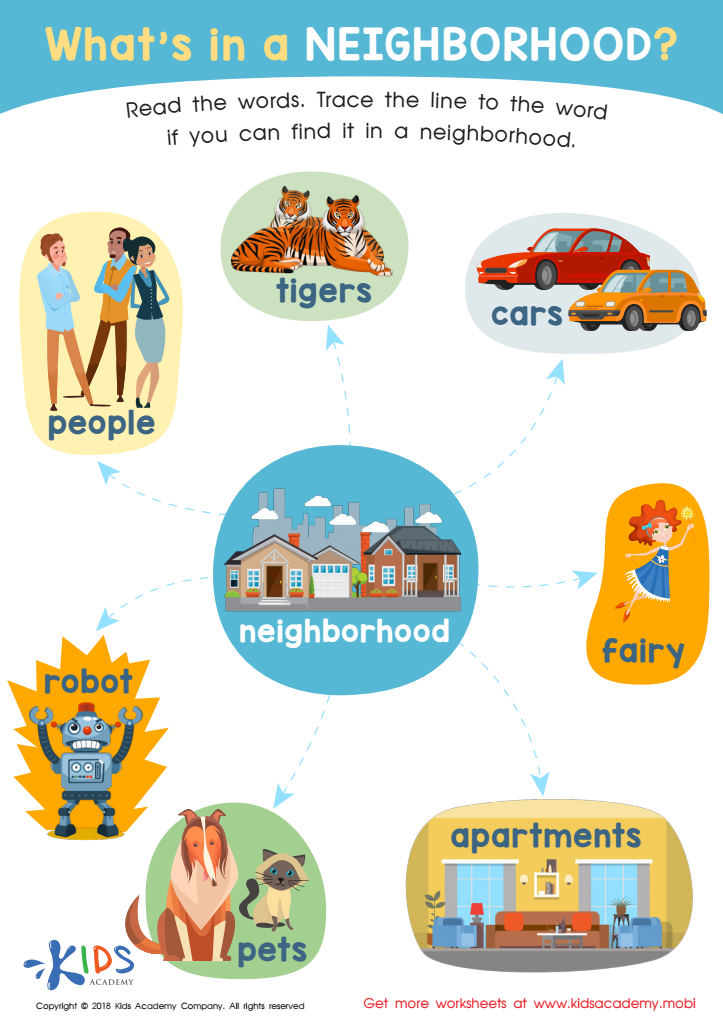
What's in a Neighborhood? Worksheet








Building vocabulary in social studies for children aged 5-9 is crucial for several reasons. First, a robust vocabulary enhances comprehension, enabling young learners to understand and engage with various concepts such as community, history, geography, and culture. By familiarizing students with specific terminology, they can better grasp the context of their lessons, fostering critical thinking and analytical skills.
Moreover, social studies vocabulary often introduces children to diverse perspectives and ideas. This exposure helps cultivate empathy and a broader worldview, essential for developing informed and responsible citizens. When parents and teachers prioritize vocabulary development, they are effectively laying the groundwork for meaningful discussions about society, governance, and interpersonal relationships.
Encouraging vocabulary growth in this subject area also supports literacy across the curriculum. Strong social studies vocabulary correlates with improved reading and writing skills, allowing students to express their understanding more clearly and accurately.
In essence, nurturing vocabulary in social studies equips children with the tools they need for academic success and social awareness. It empowers them to articulate their thoughts and feelings about the world around them, leading to confident learners and engaged future citizens. Therefore, it is vital for parents and teachers to prioritize this aspect of education.








