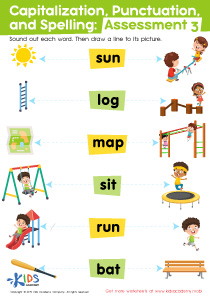
Spelling practice Writing Worksheets for Ages 5-9 - Page 3
51 filtered results
-
From - To
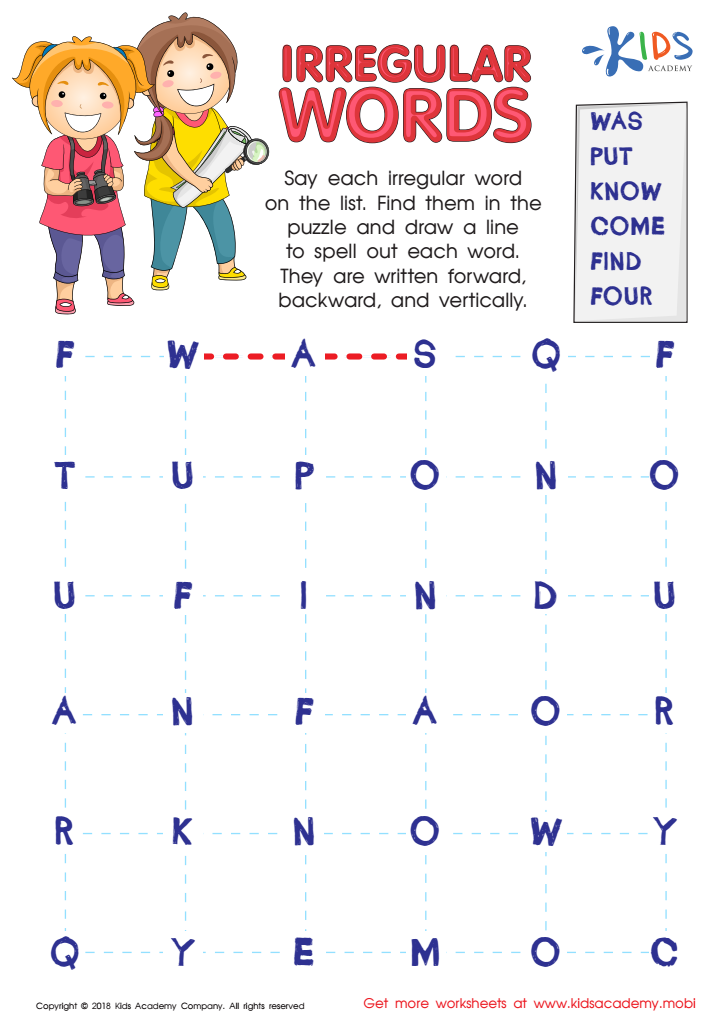
Irregular Words Worksheet
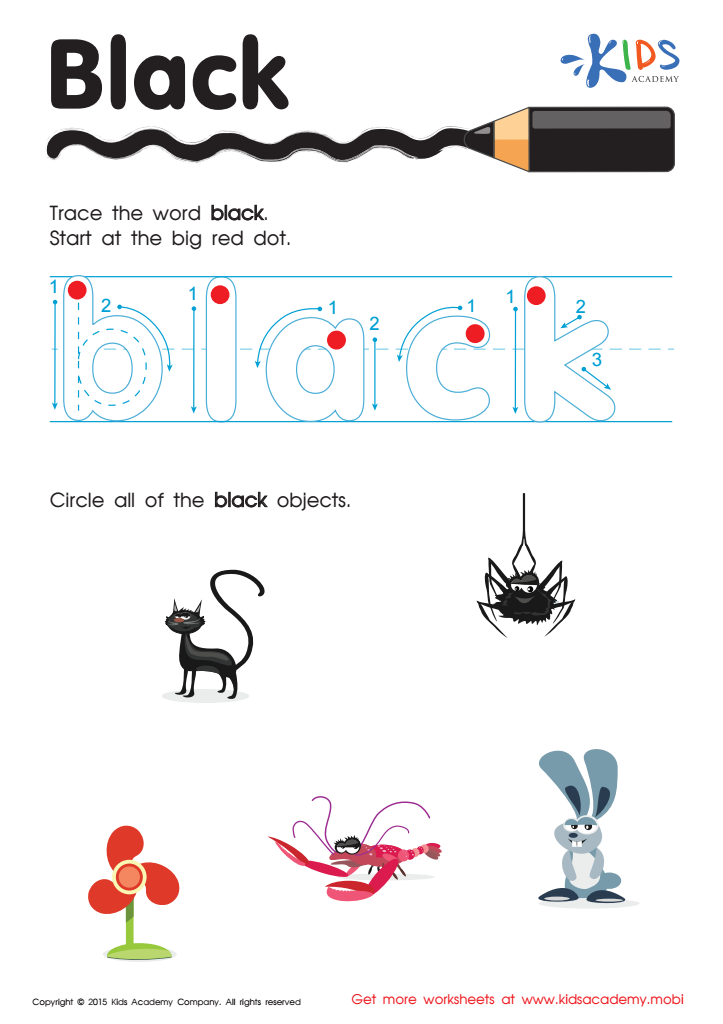
Black Tracing Color Words Printable
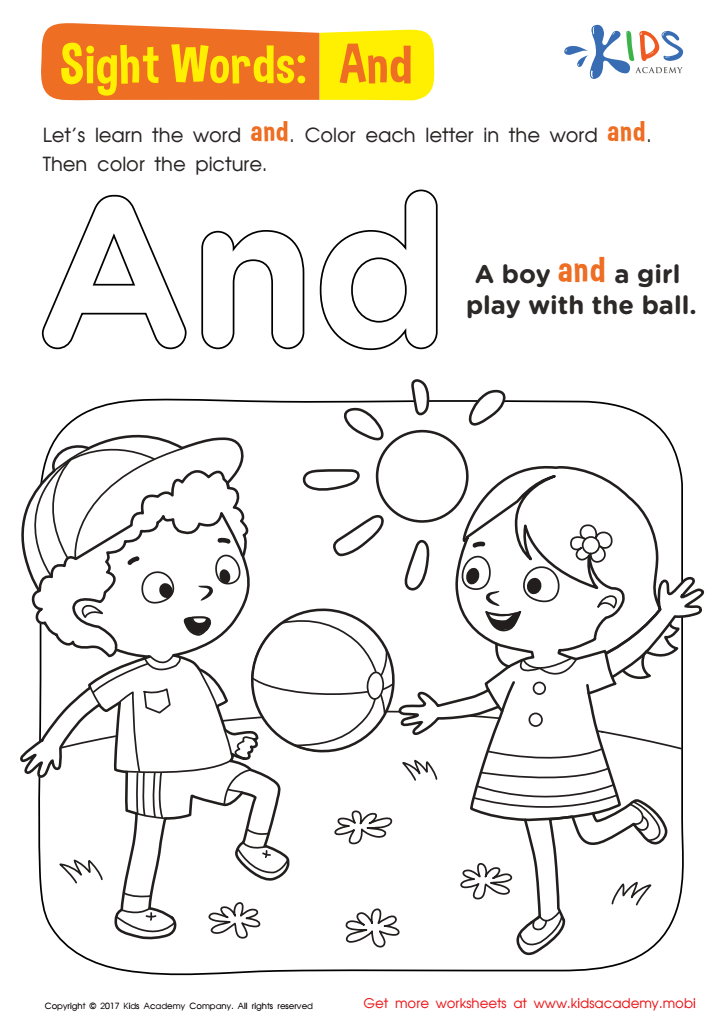
And Worksheet Sight Words Worksheet
 Assign to My Students






.jpg)

Spelling practice in writing for ages 5-9 is crucial for several reasons. First, it forms the foundation of literacy skills, helping children become confident readers and writers. Early mastery of spelling aids in vocabulary development, enhancing their ability to communicate effectively. As kids learn the connection between letters and sounds, they build phonemic awareness, which is vital for reading fluency.
Moreover, regular spelling practice engages cognitive skills such as memory and problem-solving. Children learn to identify patterns and rules in words, fostering critical thinking abilities. This process also promotes fine motor skills as they practice writing letters and words.
For teachers and parents, emphasizing spelling in writing creates a positive feedback loop—improving children's awareness and understanding of the language, which builds their self-esteem. When children see their written work accurately represent their thoughts, it boosts their motivation.
Finally, spelling has a direct impact on academic success. Proficiency in spelling is often predictive of overall writing capabilities, influencing performance across subjects. Therefore, dedicated spelling practice is not just an academic requirement but a vital component of nurturing lifelong learners with strong communication skills.