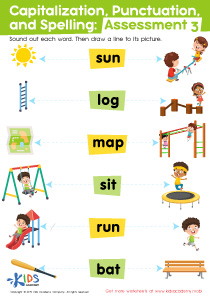
Vocabulary enhancement Tracing Words Worksheets for Ages 5-9
8 filtered results
-
From - To
Boost your child's vocabulary skills with our Vocabulary Enhancement Tracing Words Worksheets, designed for ages 5-9! These engaging worksheets combine tracing practice with fun educational activities, helping young learners to recognize and write new words effortlessly. Each worksheet focuses on spelling, handwriting, and comprehension, aimed at enriching your child's language abilities. Simple and interactive, our worksheets build a strong vocabulary foundation, essential for early reading and writing. Perfect for at-home learning or classroom use, these tailored exercises support growth and make vocabulary enhancement an enjoyable journey for your child. Explore and enhance your child's linguistic skills today!
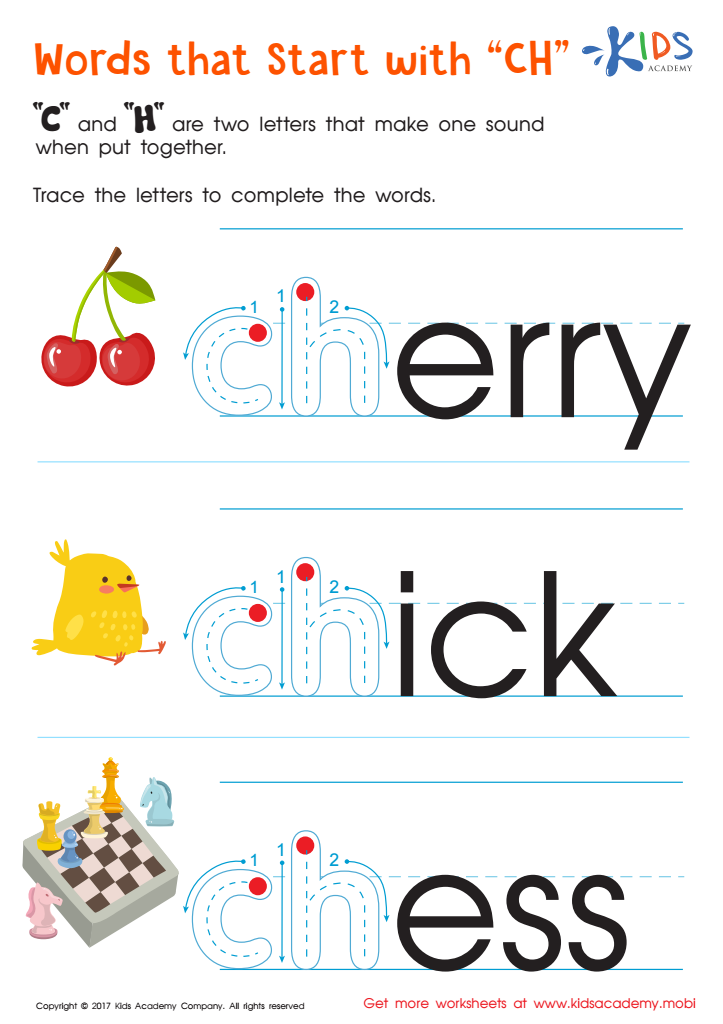
Words That Start with "ch" Spelling Worksheet
 Assign to My Students
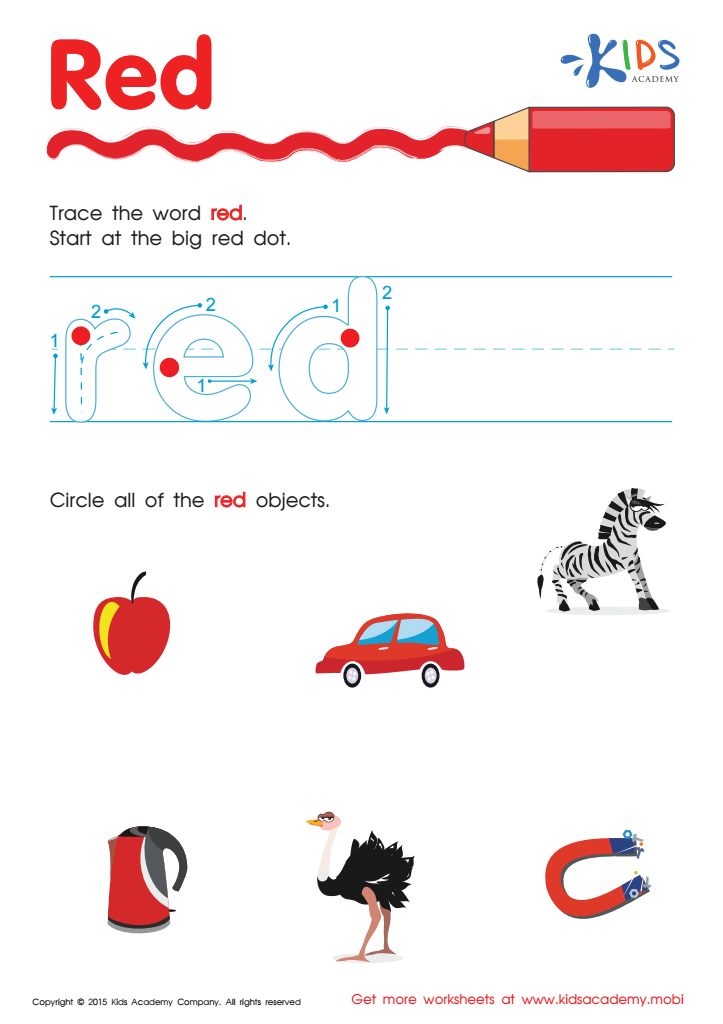
Red Tracing Color Words Printable
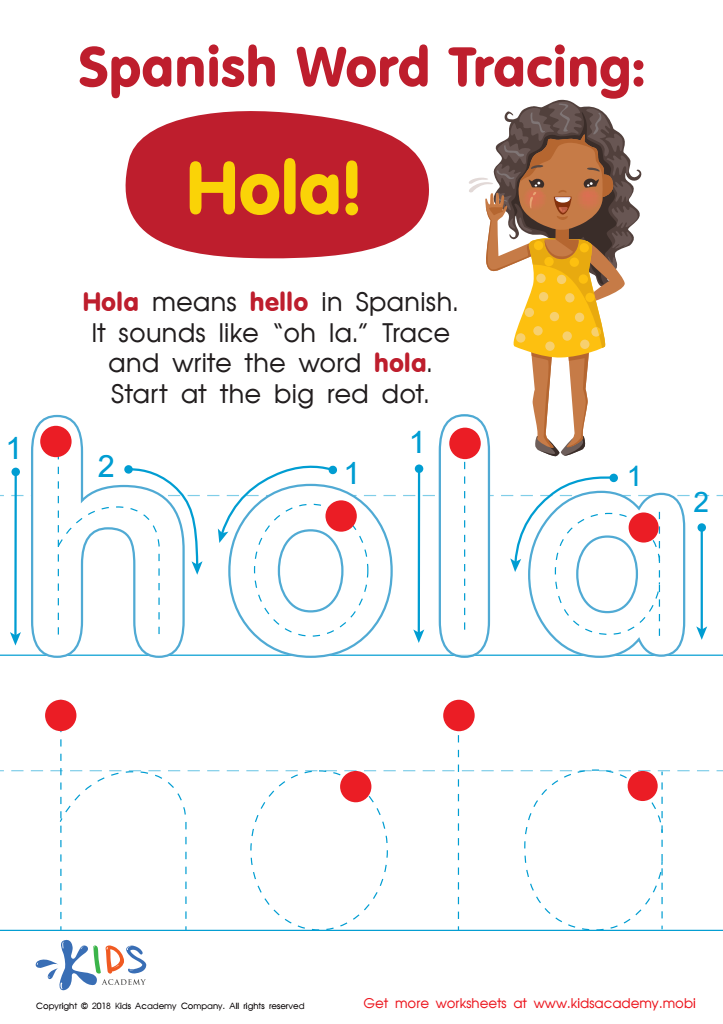
Spanish Word Tracing: Hola Worksheet
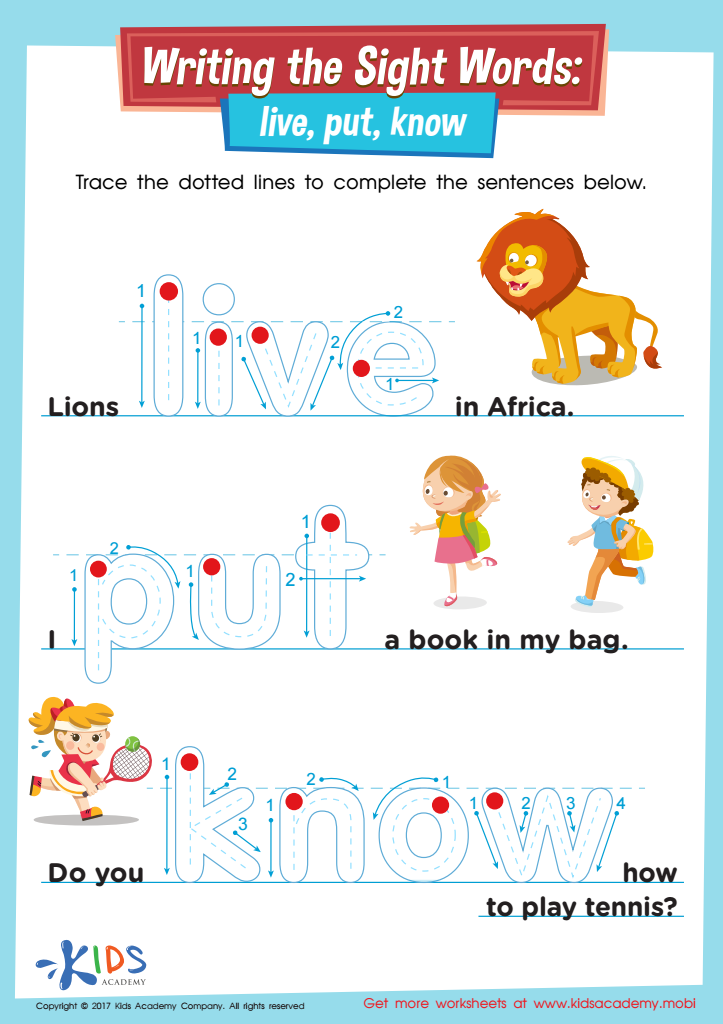
Live, Put, Know Printable Sight Words Worksheet
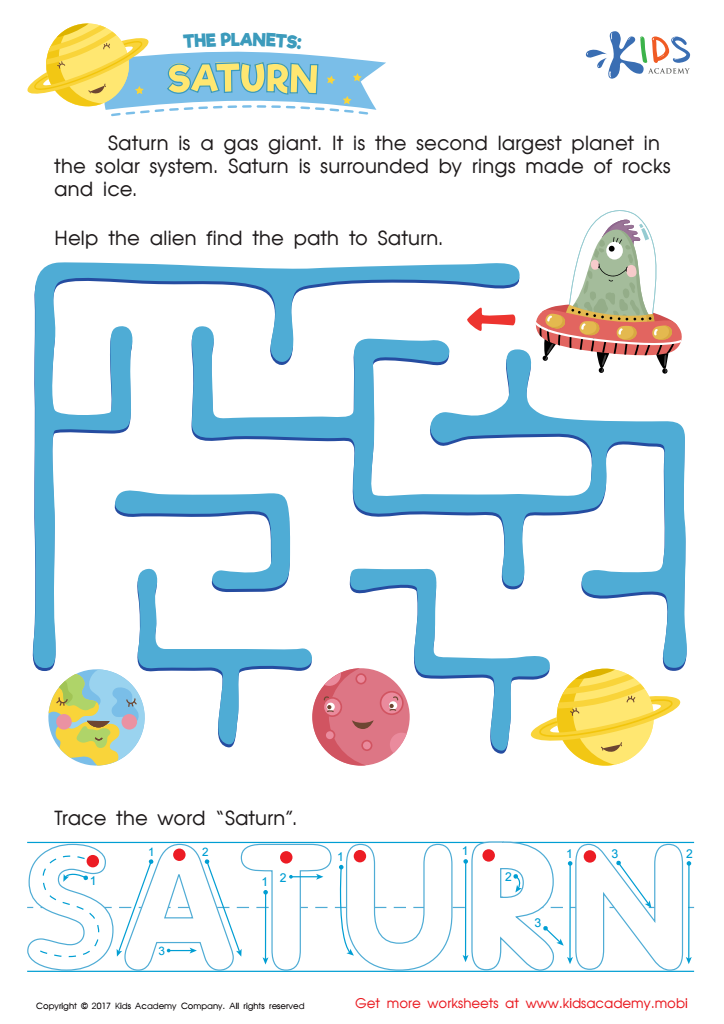
The Planets: Saturn Printable
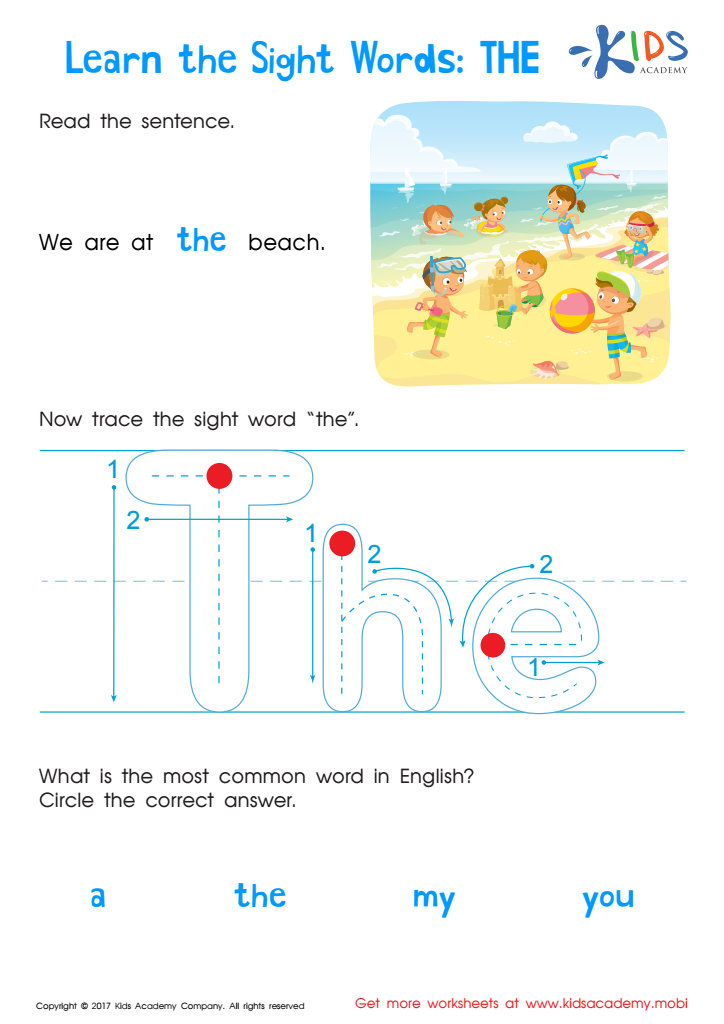
Sight Words: The Worksheet
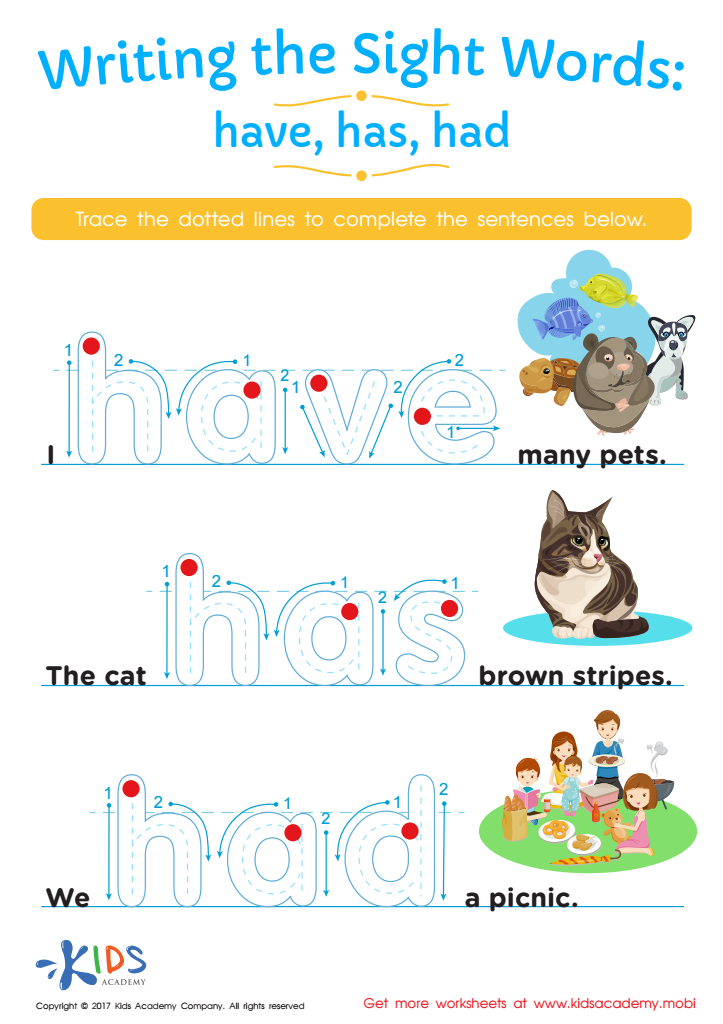
Have, Has, Had Worksheet Sight Words Worksheet








Vocabulary enhancement during early childhood, particularly through activities like tracing words, holds an undeniable importance that parents and teachers should consciously prioritize. This crucial period, ages 5-9, marks the foundation of a child’s linguistic and cognitive development. Enhancing vocabulary at this stage not only aids in effective communication but also significantly fosters academic success. Through tracing words, a child actively engages in an interactive learning process, blending the kinesthetic activity of tracing with the cognitive process of recognizing and understanding new words.
Tracing is a tactile activity that significantly aids memory retention; when children physically trace words, they are more likely to remember them. Additionally, the repetition involved in tracing improves fine motor skills and reinforces letter formation, prepping children for writing proficiency. It's also more engaging than passive reading alone, often helping to maintain a child's interest and motivation to learn. An expanded vocabulary enables children to articulate thoughts and understand information more readily, directly impacting their reading comprehension and overall learning capacity.
By prioritizing vocabulary enhancement through engaging methods like tracing, parents, and teachers set children on a path toward improved language skills, boost their confidence in academic settings, and lay a robust foundation for lifelong learning success.