Fine Motor Skills Alphabet Worksheets for 5-Year-Olds - Page 4
79 filtered results
-
From - To
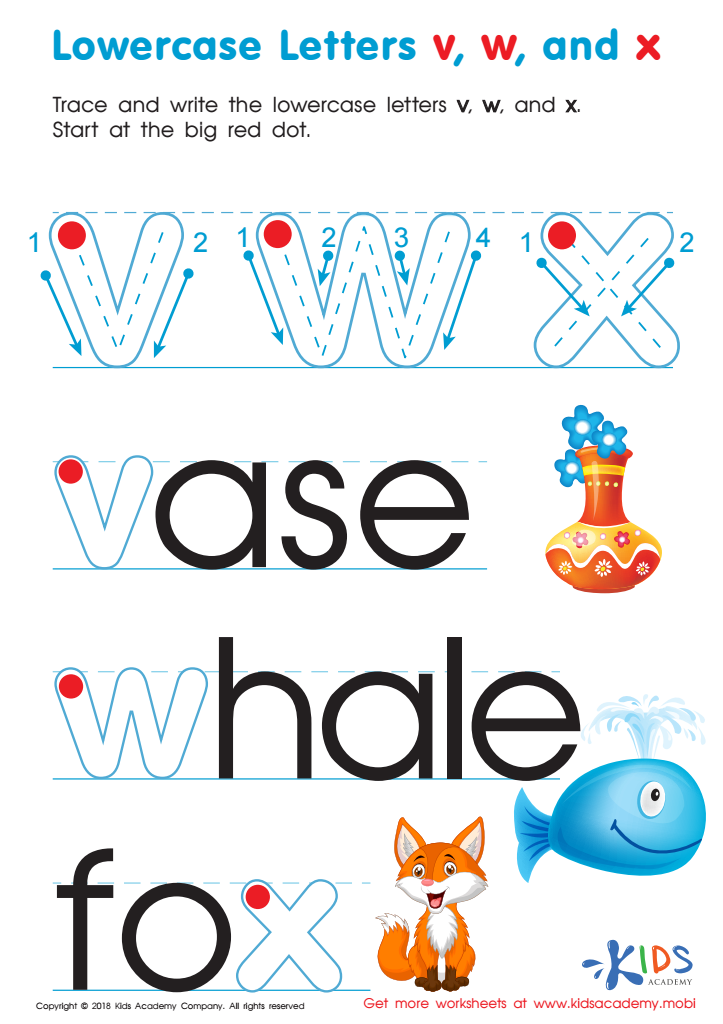
Lowercase Letters v w x Worksheet
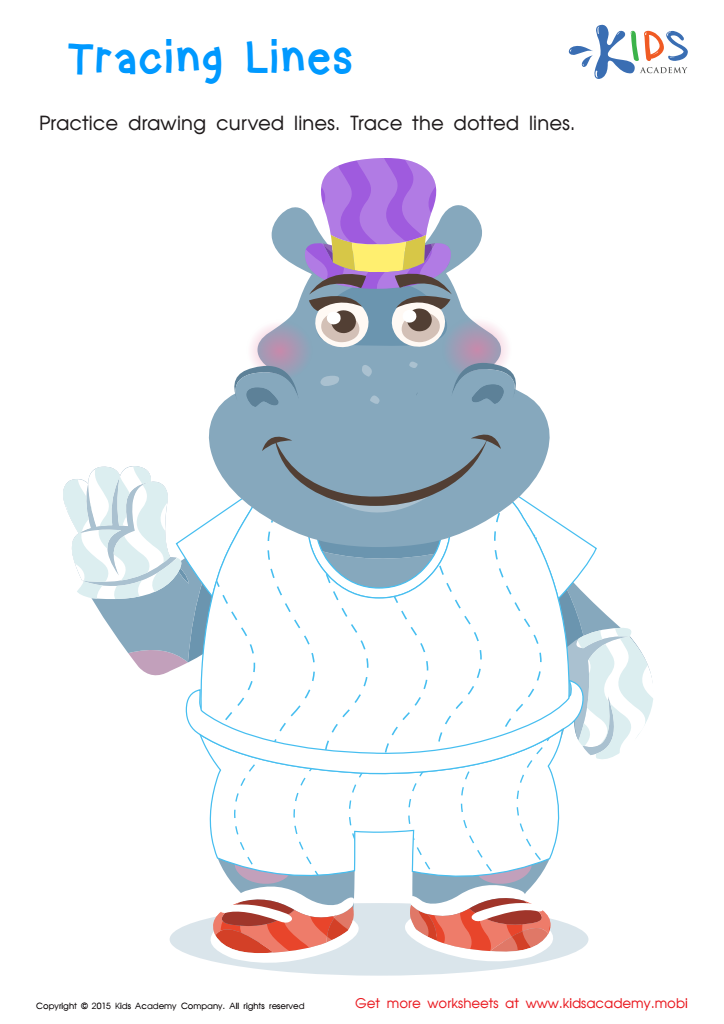
Tracing Lines Worksheet
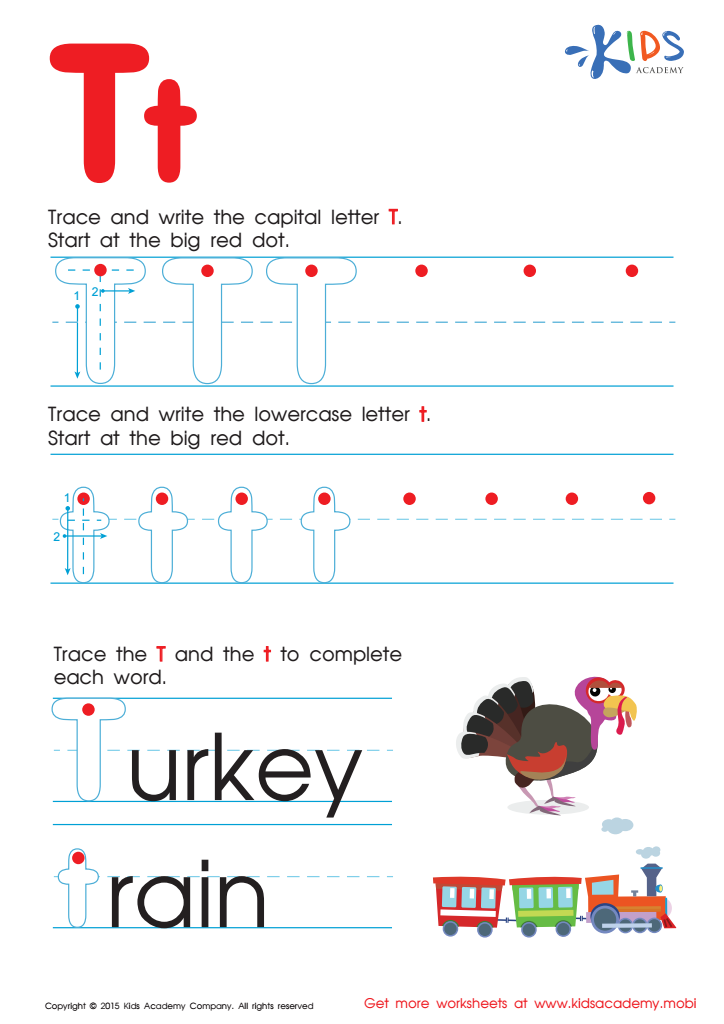
Letter T Tracing Page
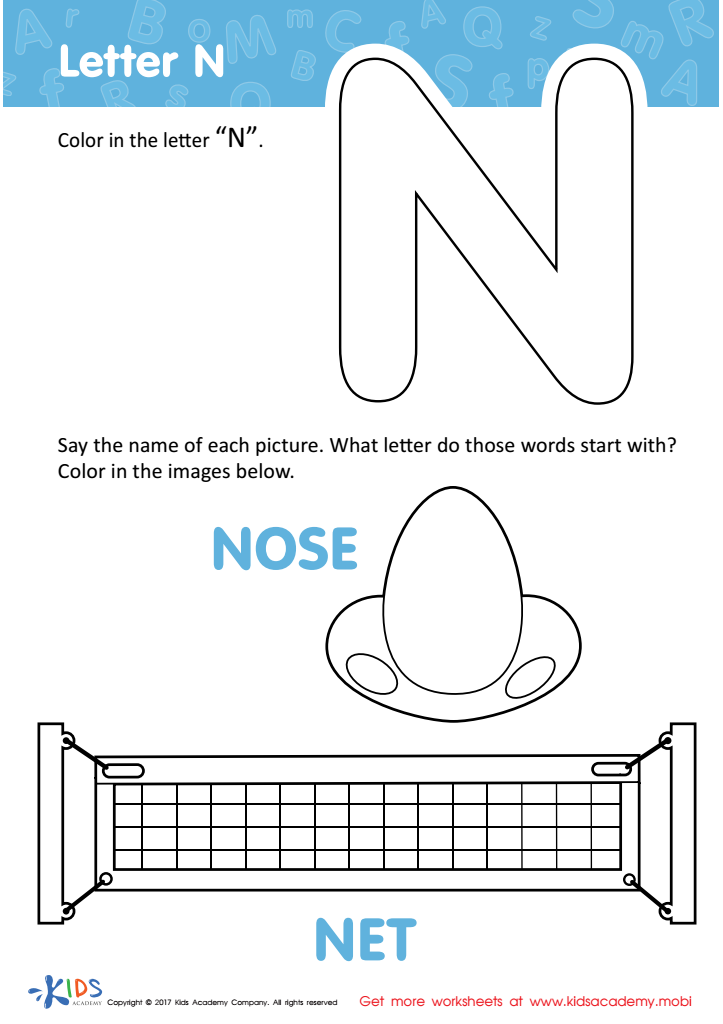
Letter N Coloring Sheet
 Assign to My Students

Letter D Tracing Page
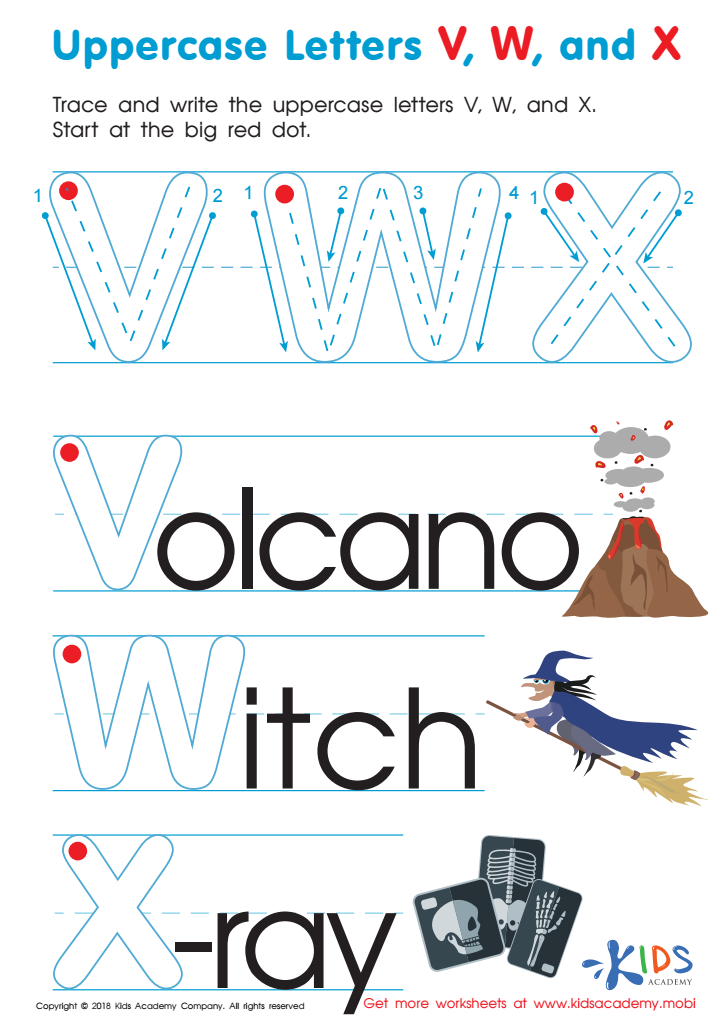
Uppercase Letters V, W, and X Worksheet
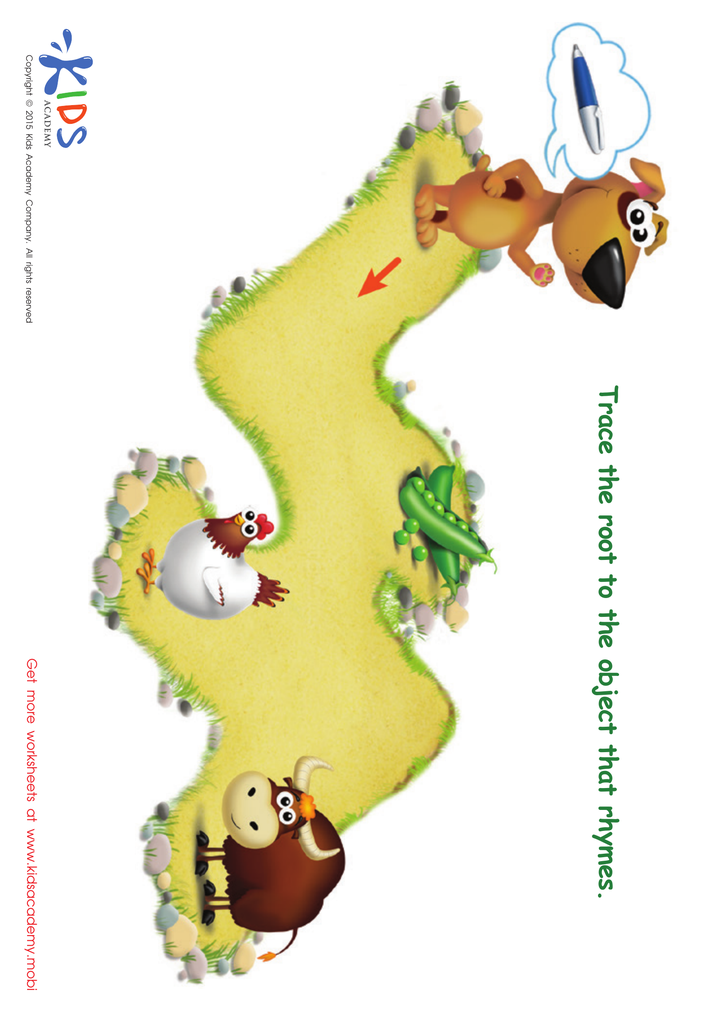
Pen Rhyming Words Worksheet







Fine motor skills are crucial for a child’s overall development, especially at the age of 5. These skills enable small muscle coordination, which is essential for tasks such as writing, drawing, and manipulating objects. When parents and teachers focus on fine motor skills related to the alphabet, they are laying a strong foundation for literacy. Mastering the ability to form letters accurately helps children not only in writing but also boosts their confidence in reading and comprehension later on.
Engaging in activities that enhance fine motor skills—such as tracing letters, cutting shapes, or playing with small building blocks—stimulates cognitive growth and encourages creative expression. Additionally, strong fine motor skills lead to greater independence, allowing children to complete tasks such as buttoning shirts or using utensils effectively.
Furthermore, supporting fine motor development can be beneficial in identifying any potential learning difficulties early on. By recognizing and addressing these challenges, parents and teachers can provide appropriate interventions, aiding the child's educational journey. Ultimately, focusing on fine motor skills during this critical stage promotes not just academic success but also holistic development, making it an essential area of interest for both parents and educators.







