Fine Motor Skills Letter Recognition Worksheets for 5-Year-Olds
63 filtered results
-
From - To
Enhance your 5-year-old's learning experience with our engaging Fine Motor Skills Letter Recognition Worksheets! These specially designed activities promote both letter recognition and the development of fine motor skills, essential for early childhood education. Each worksheet features fun and interactive tasks that encourage young learners to trace, color, and write letters, aiding in their understanding of the alphabet. Perfect for at-home practice or classroom settings, our worksheets ensure that learning is both effective and enjoyable. Dive into a world of creativity and exploration, helping your child build confidence as they master the foundational skills needed for future success. Download your worksheets today!

Letter A Tracing Page
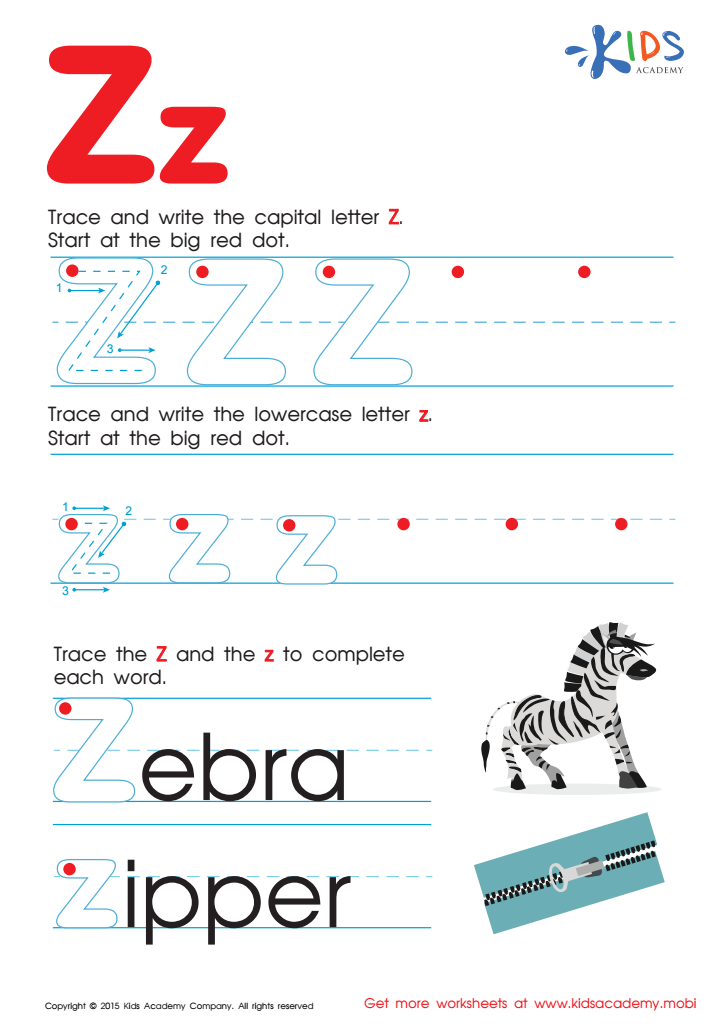
Letter Z Tracing Page
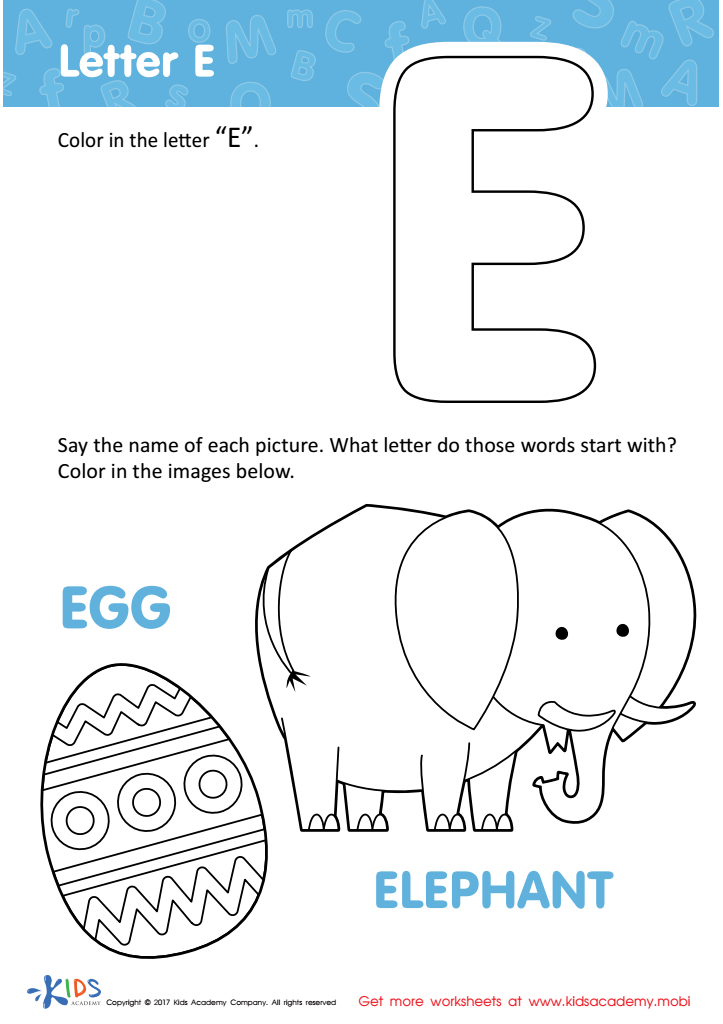
Letter E Coloring Sheet
 Assign to My Students
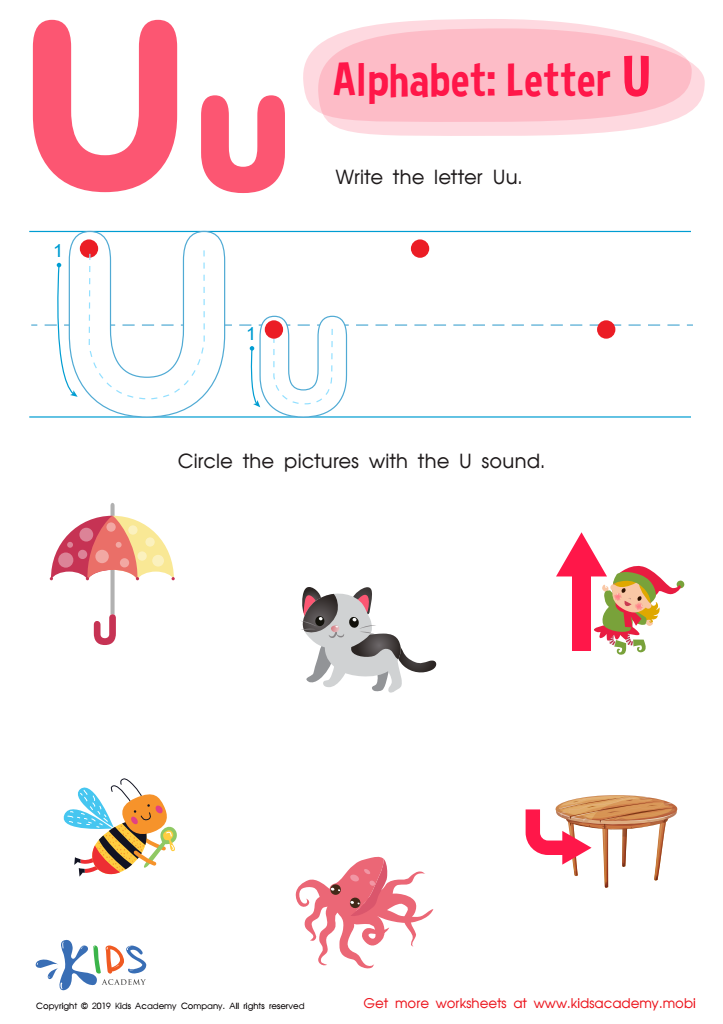
Letter U Tracing Worksheet
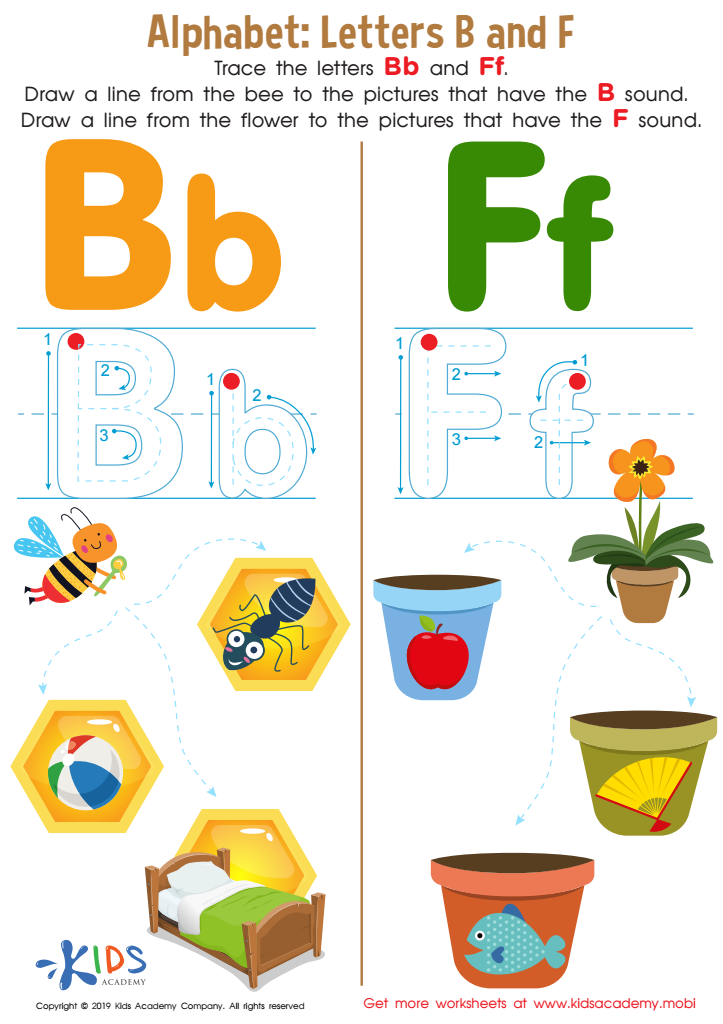
Letters B and F Tracing Worksheet
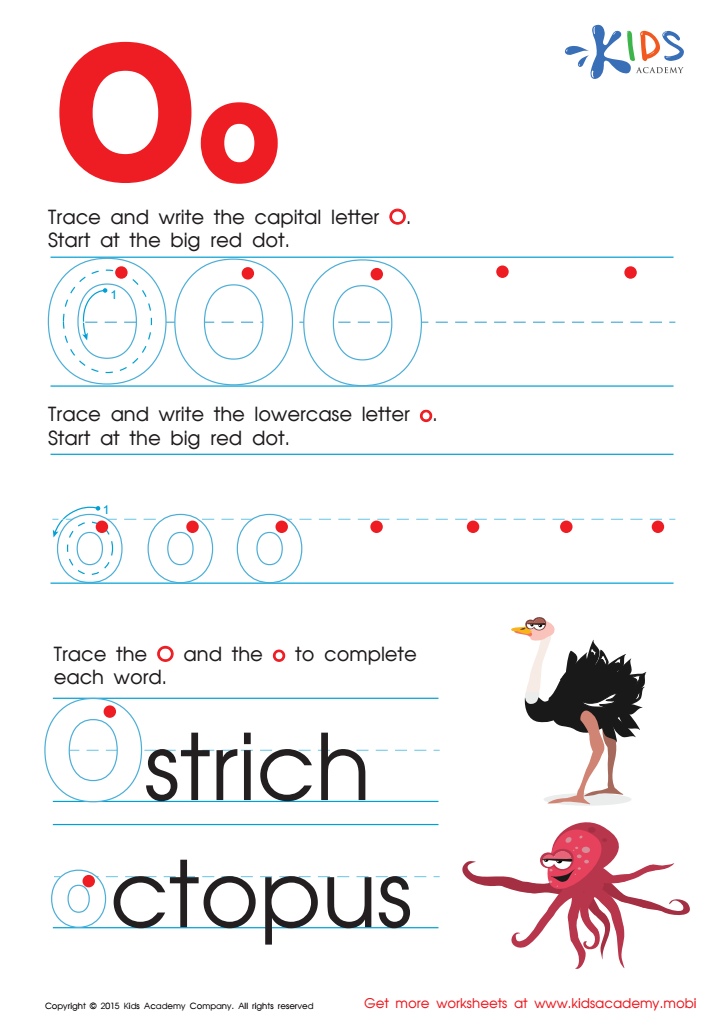
Letter O Tracing Page
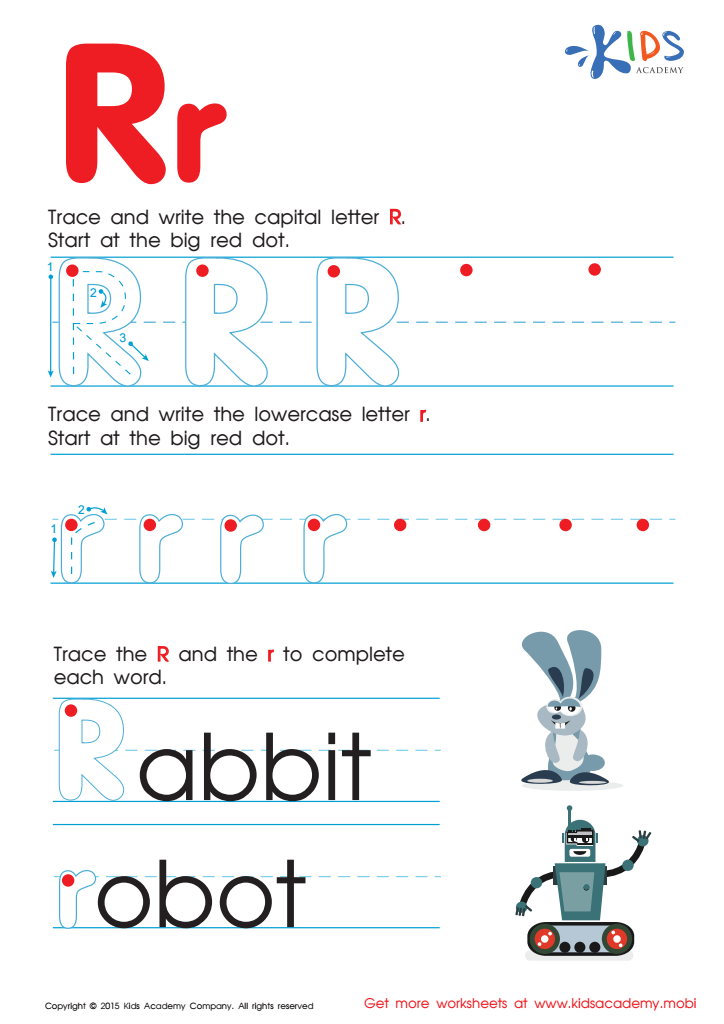
Letter R Tracing Page
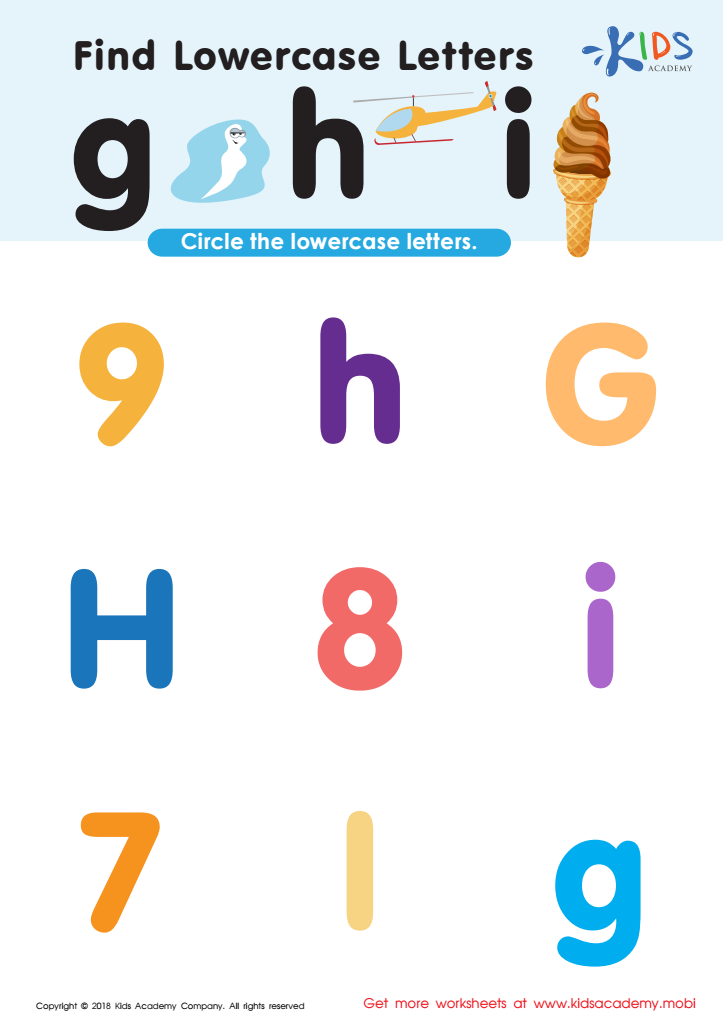
Find Lowercase Letters g h i Worksheet
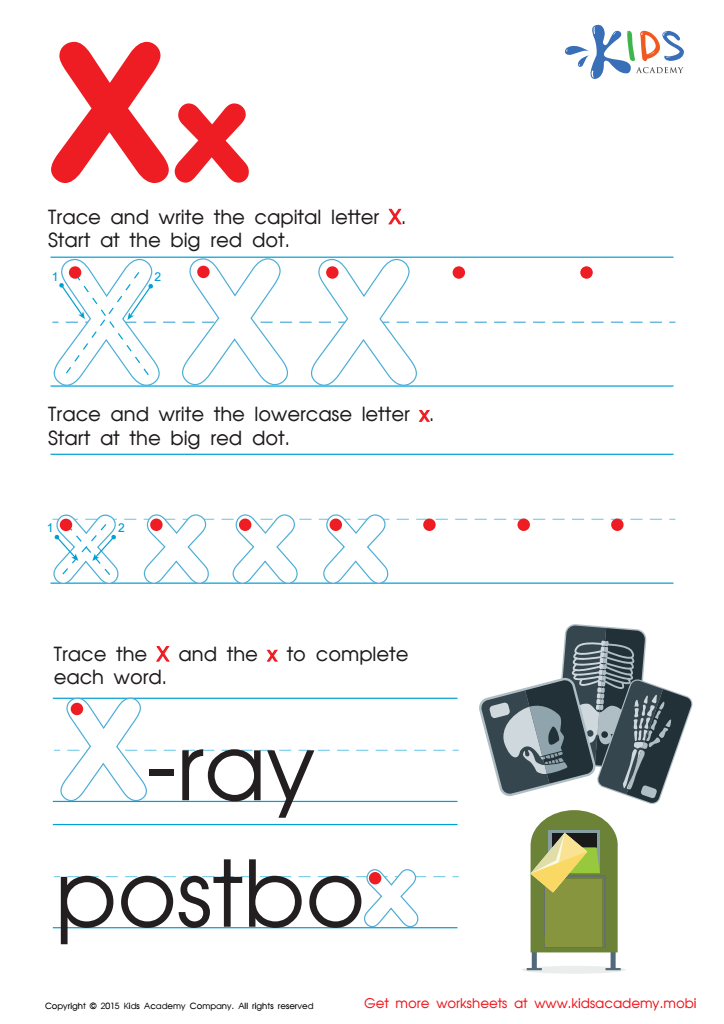
Letter X Tracing Page
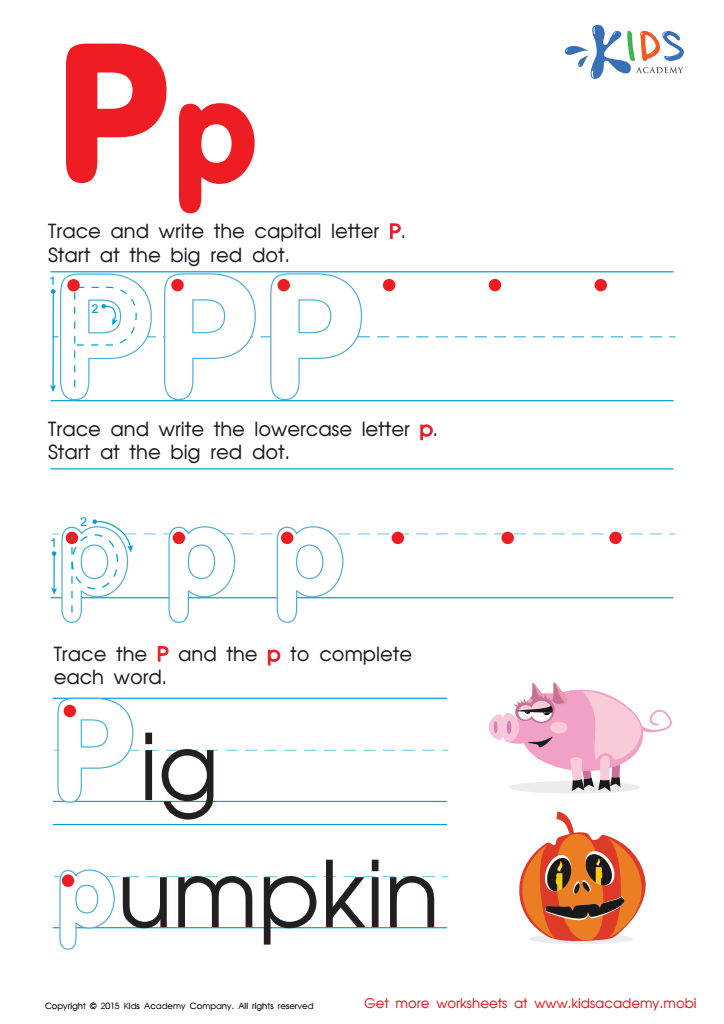
Letter P Tracing Page
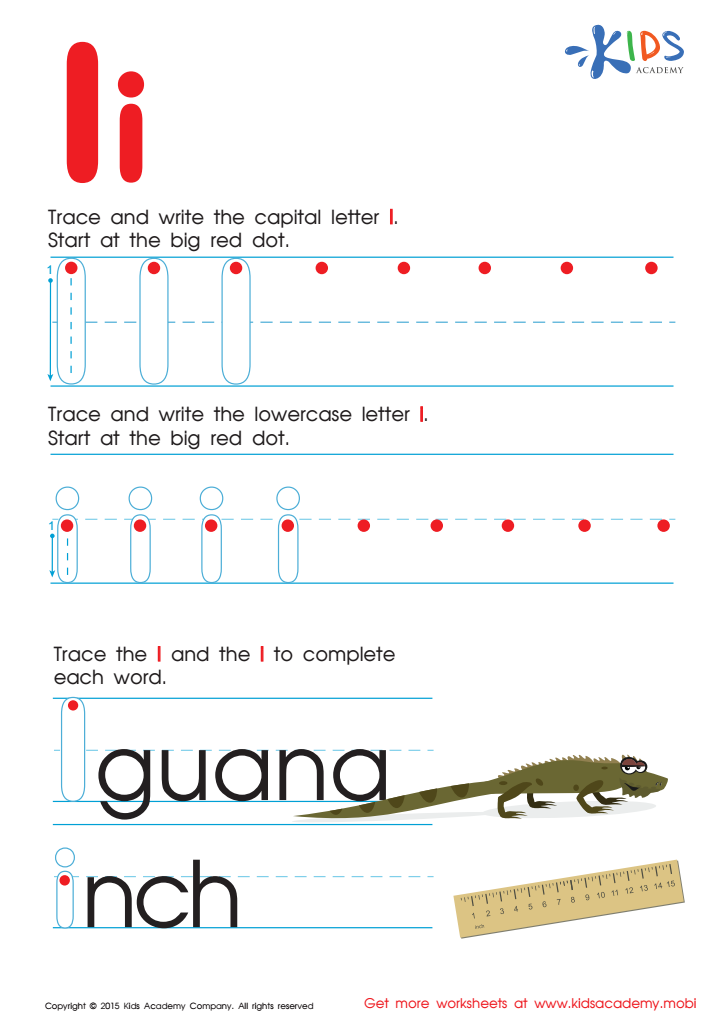
Letter I Tracing Page
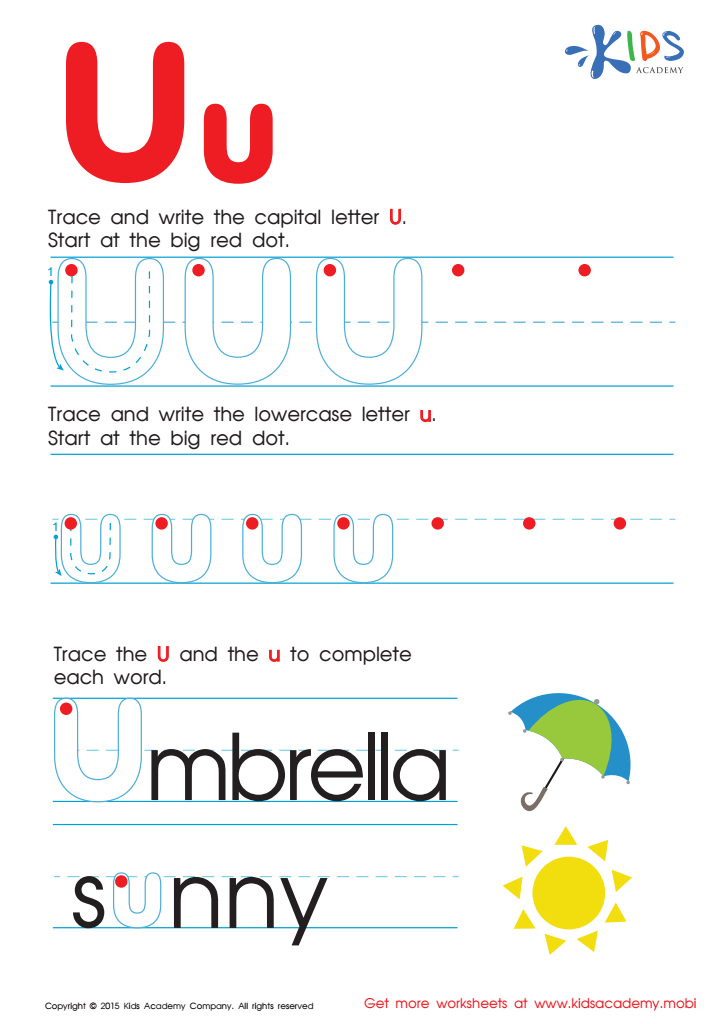
Letter U Tracing Page
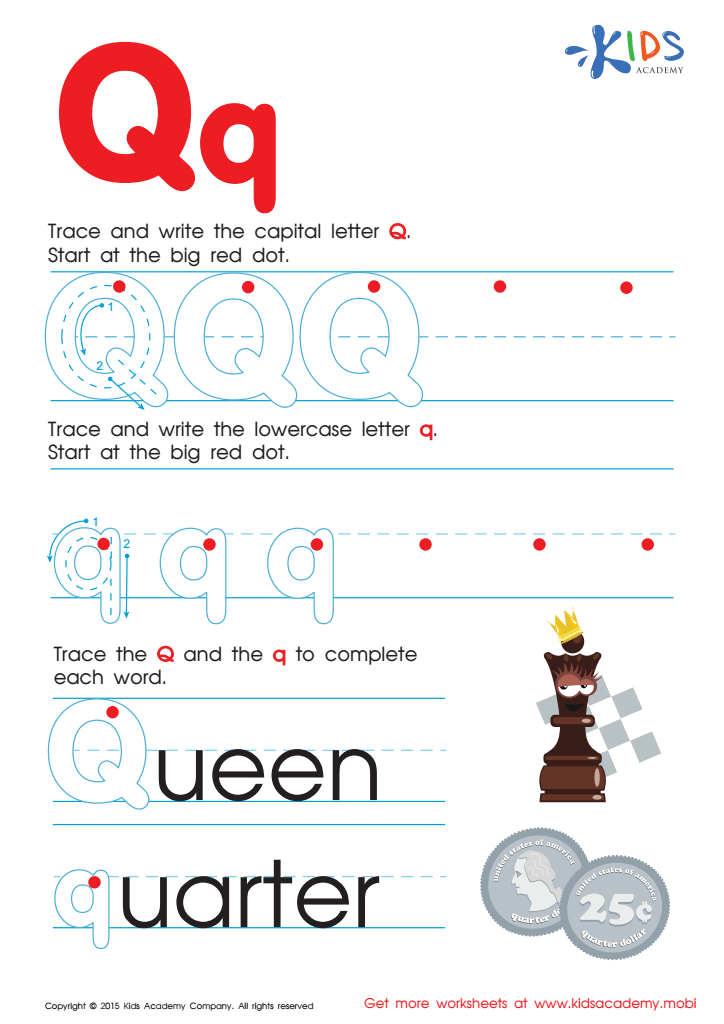
Letter Q Tracing Page
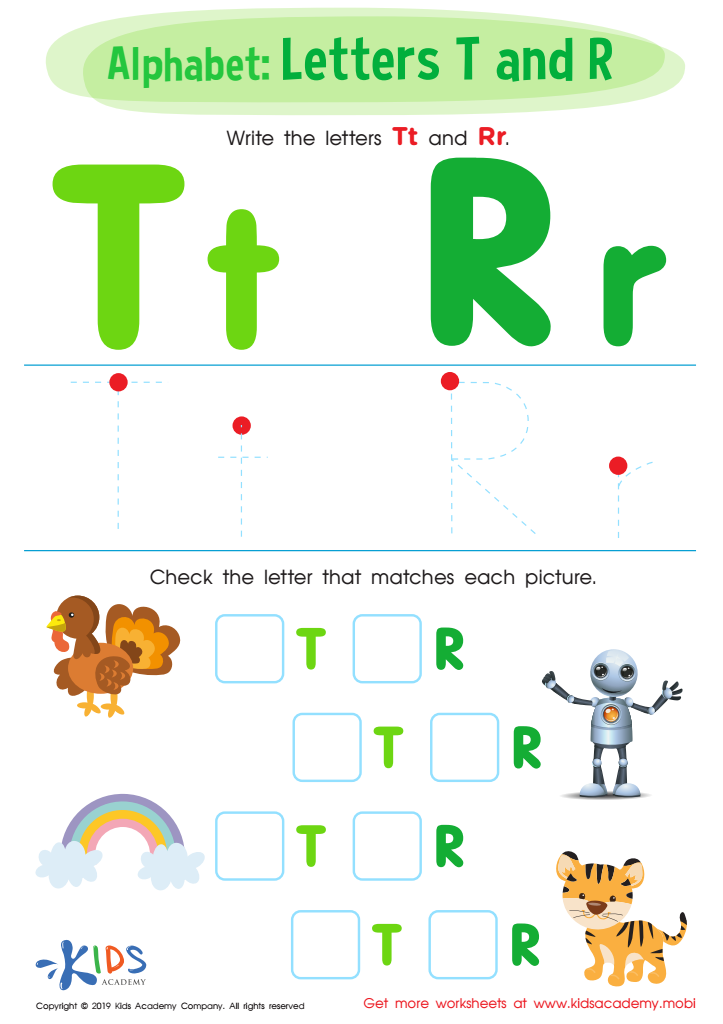
Letters T and R Worksheet
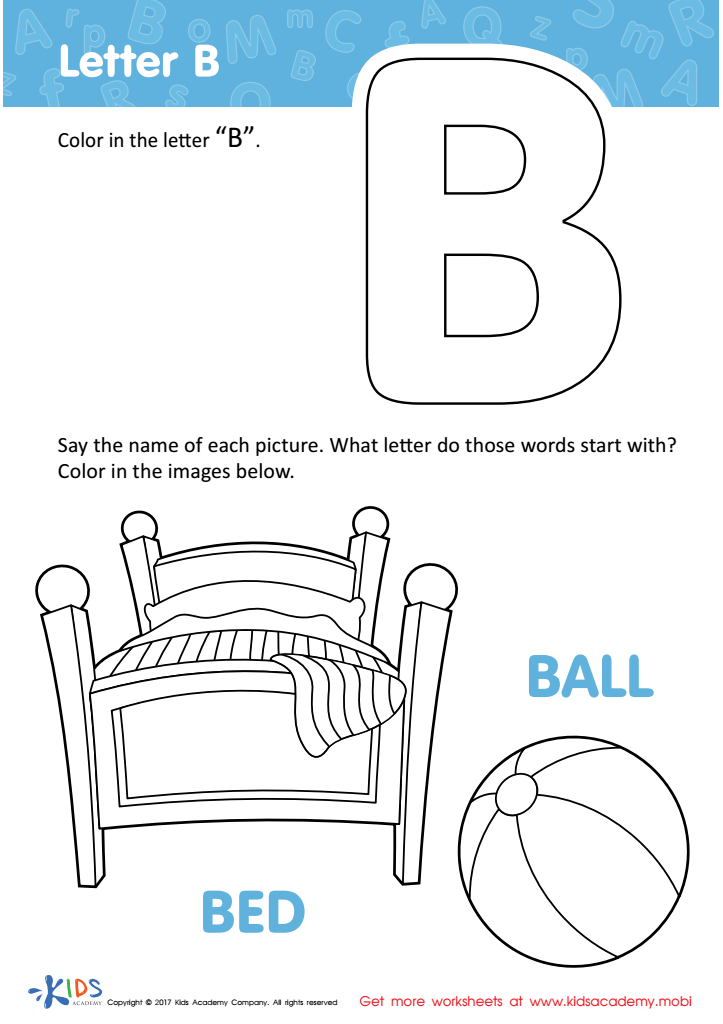
Letter B Coloring Sheet
Assign to My Students
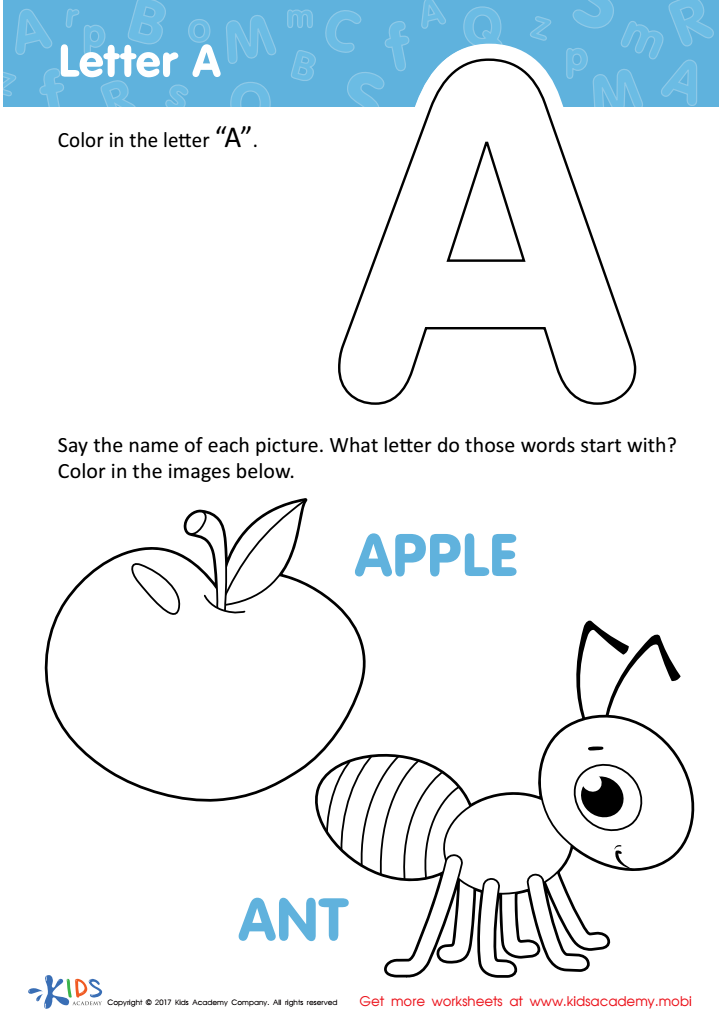
Letter A Coloring Sheet
Assign to My Students
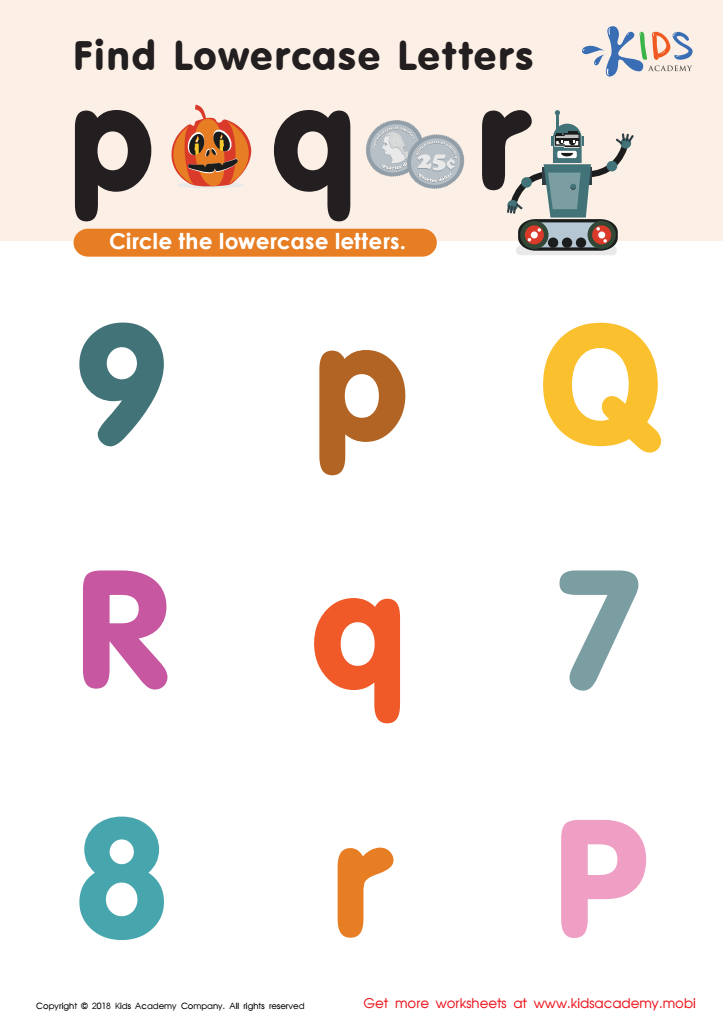
Find lowercase Letters p q r Worksheet
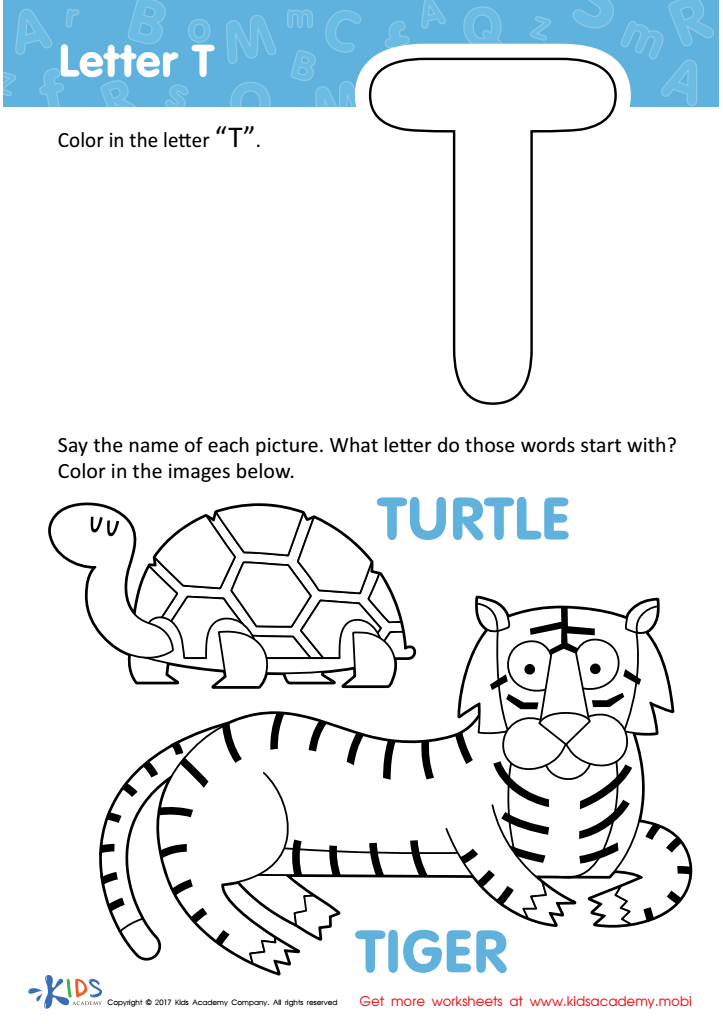
Letter T Coloring Sheet
Assign to My Students
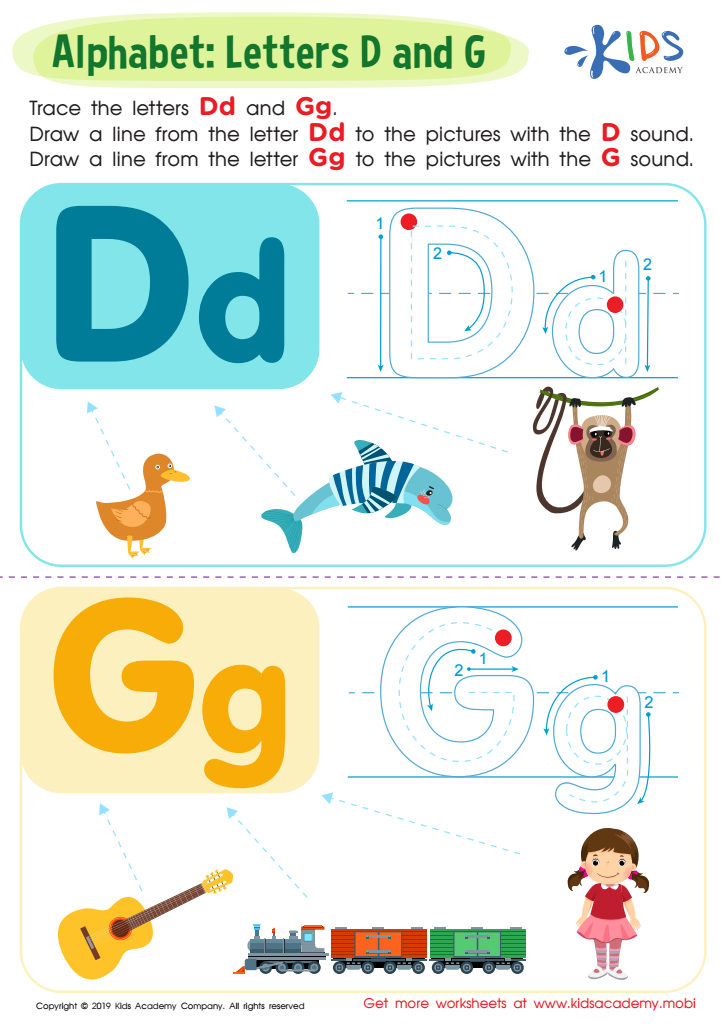
Letter D and G Tracing Worksheet
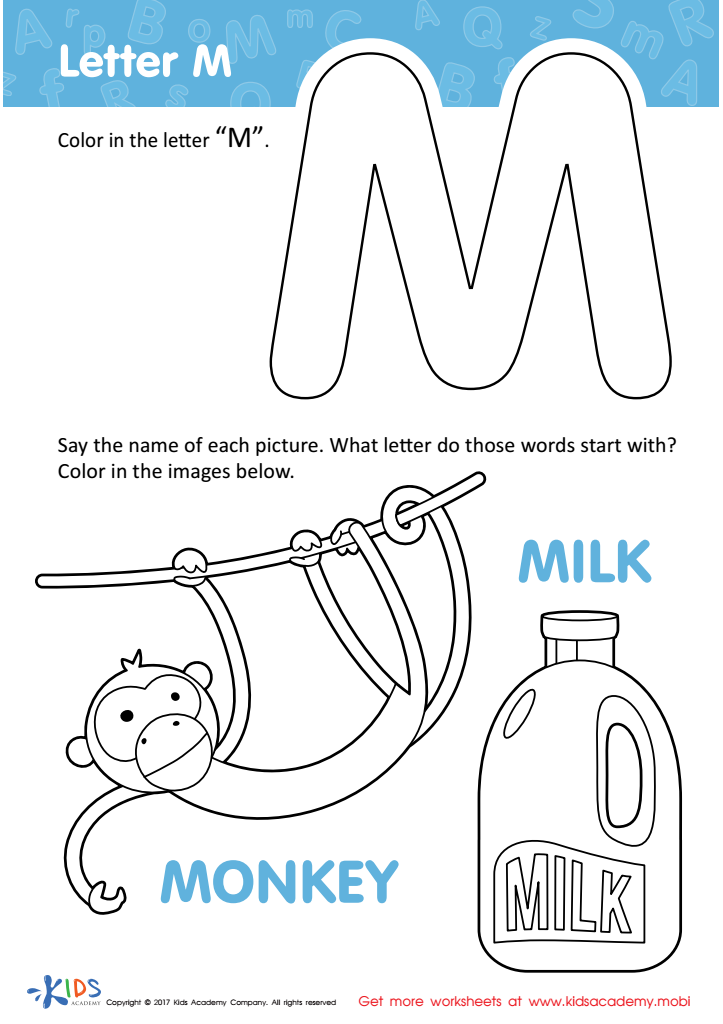
Letter M Coloring Sheet
Assign to My Students
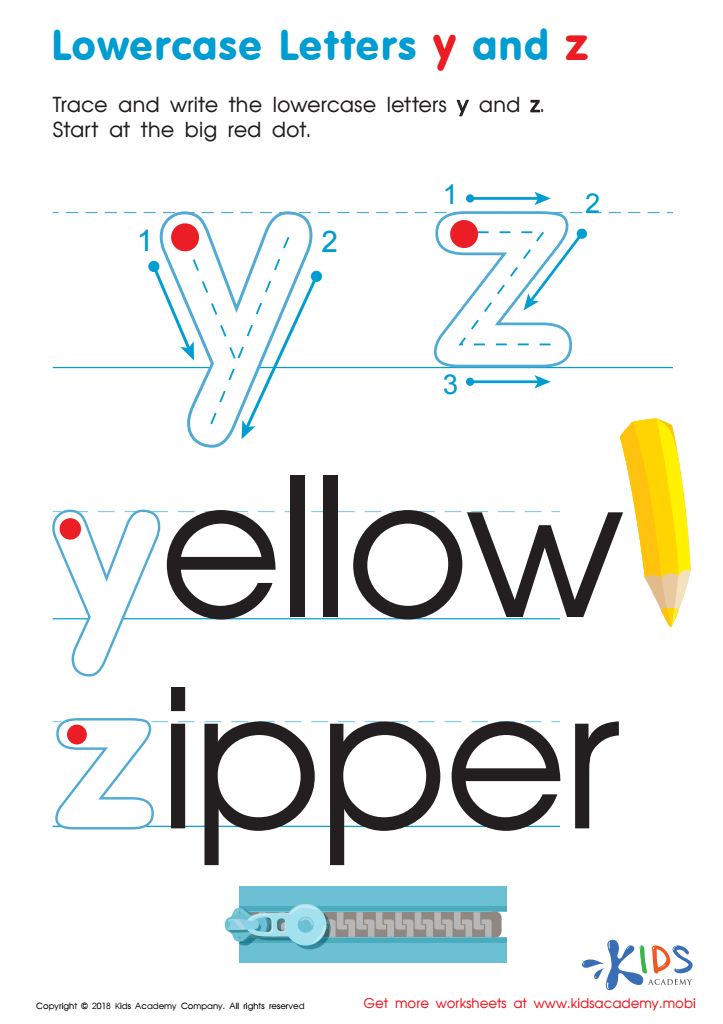
Lowercase Letters y z Worksheet
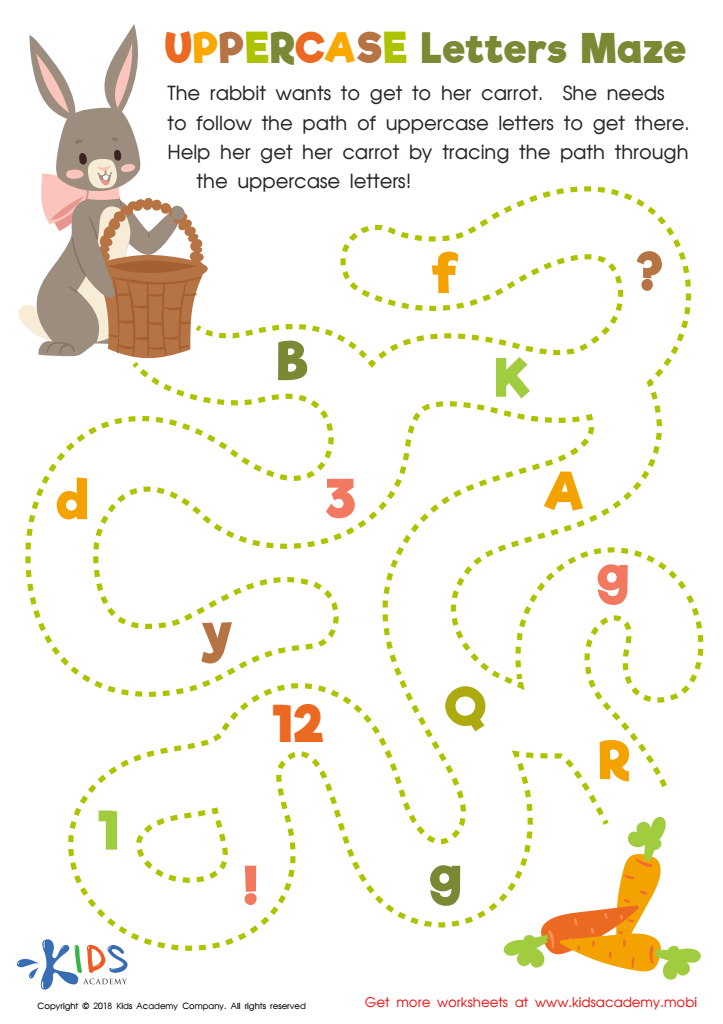
Uppercase Letters Maze Worksheet
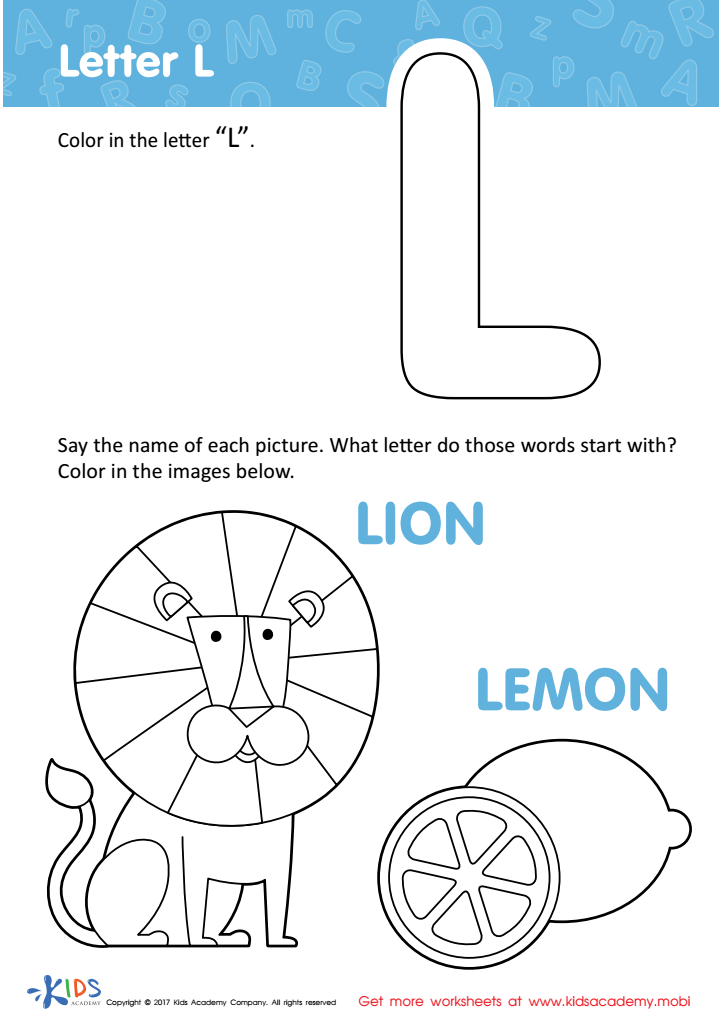
Letter L Coloring Sheet
Assign to My Students

Letter C Tracing Page








Fine motor skills and letter recognition are crucial for the development of 5-year-olds, shaping their academic, social, and personal growth. Parents and teachers should care about these aspects as they lay the groundwork for children's literacy and overall educational success. Fine motor skills, which involve the small muscles in a child's hands and fingers, are essential for tasks such as writing, cutting, and manipulating objects. When children develop these skills, they can better engage in classroom activities, which fosters a sense of accomplishment and boosts confidence.
Letter recognition is equally important; it serves as the foundation for reading and writing. By recognizing letters, children can understand their relationship to sounds, paving the way for early reading development. Strong letter recognition skills also help children identify their names and other familiar words, promoting independence and engagement in their learning environment.
Furthermore, a focus on fine motor skills and letter recognition during this critical developmental stage supports children's ability to learn through play and exploration, enriching their educational experiences. Involving parents in this process empowers them to contribute to their child’s growth, ensuring children are well-prepared for the challenges of elementary education and beyond. Ultimately, supporting these skills cultivates a love for learning, setting children on a successful academic path.







