Letter recognition Letter Sounds Worksheets for 5-Year-Olds
16 filtered results
-
From - To
Enhance your child's early literacy skills with our Letter Recognition Letter Sounds Worksheets designed for 5-year-olds! Our fun and engaging activities help children identify alphabet letters and associate them with their corresponding sounds, forming a strong foundation for reading and writing. Each worksheet offers colorful illustrations and entertaining exercises that keep young learners captivated while effectively reinforcing their letter recognition skills. Ideal for both classrooms and at-home practice, these resources ensure children develop confidence in their phonetic abilities. Start your child's educational journey today with our expertly crafted worksheets from Kids Academy!
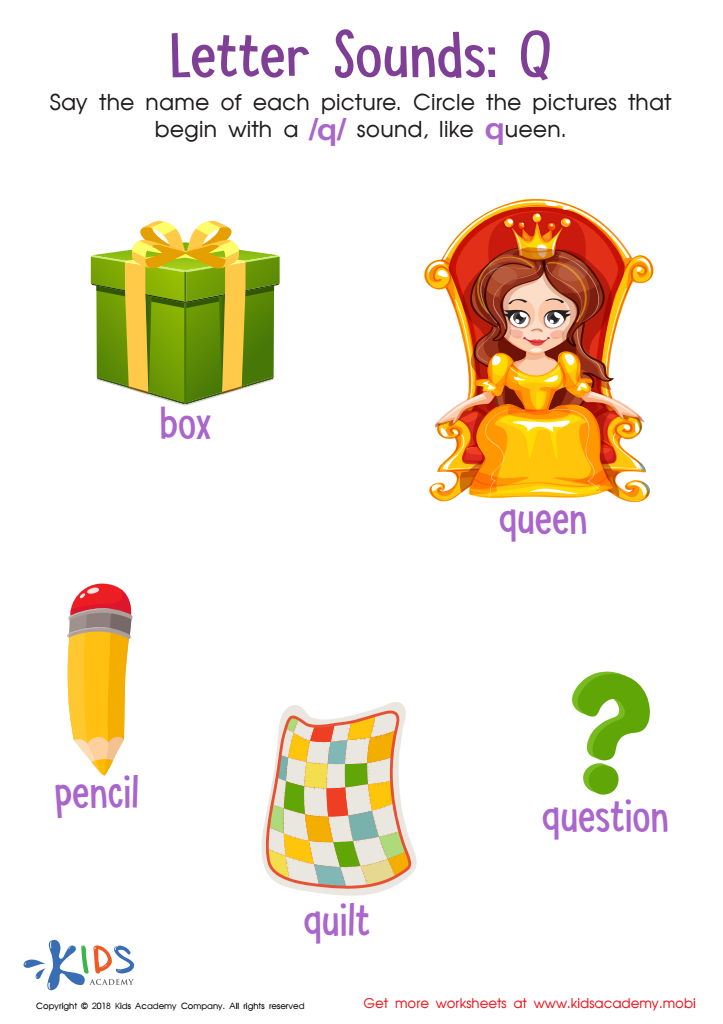
Letter Q Sounds Worksheet
 Assign to My Students
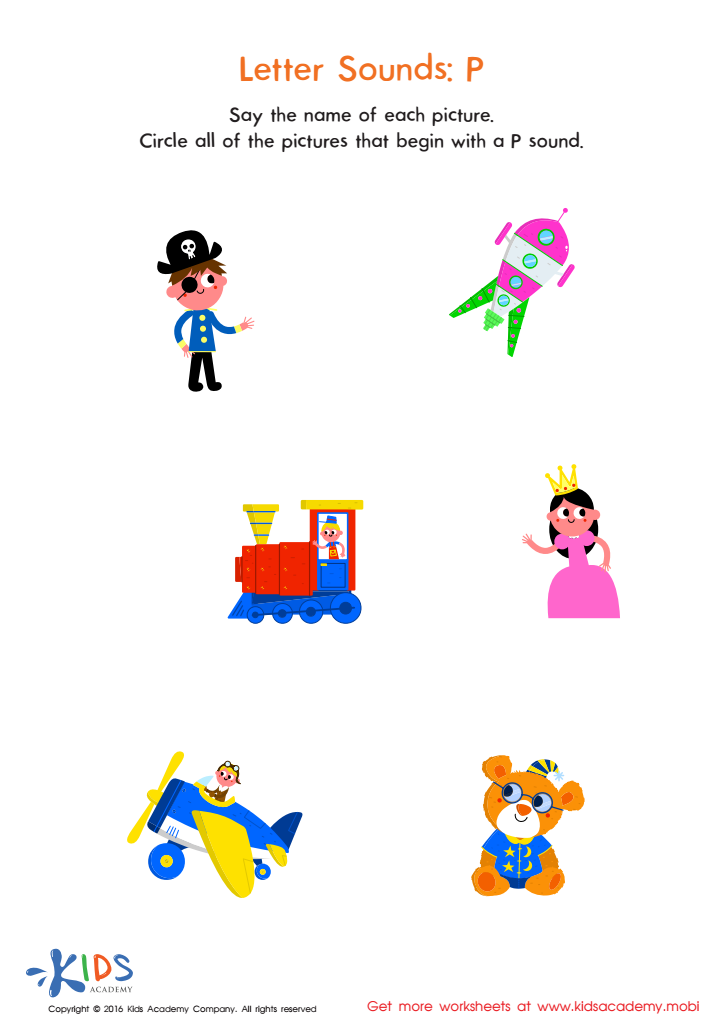
Letter P Sound Worksheet
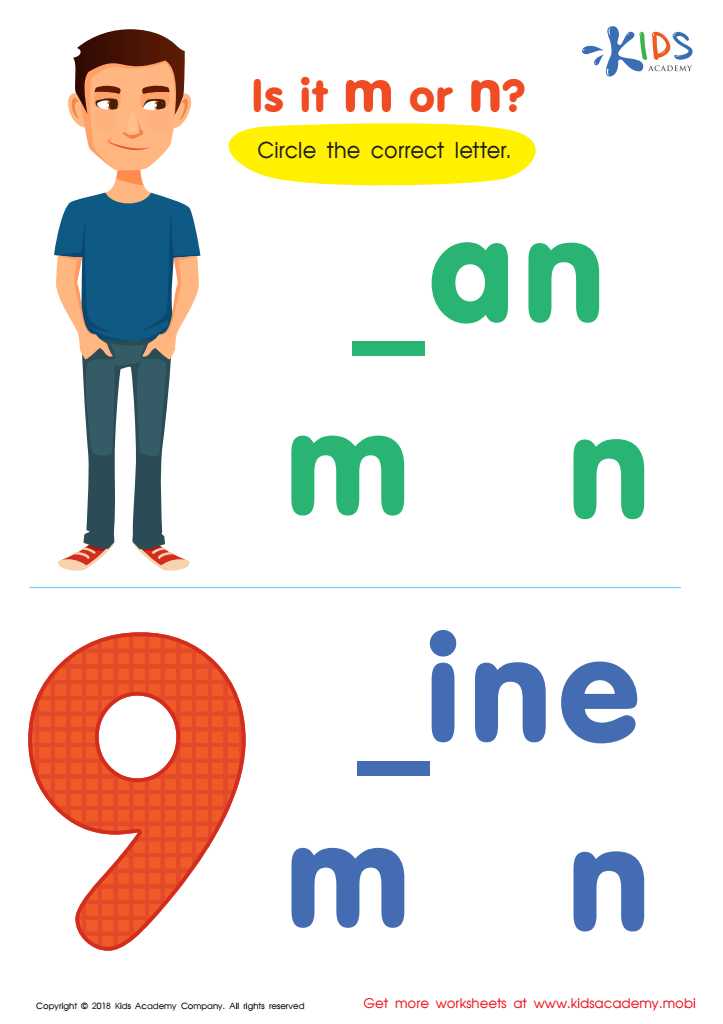
Is It m or n? Worksheet
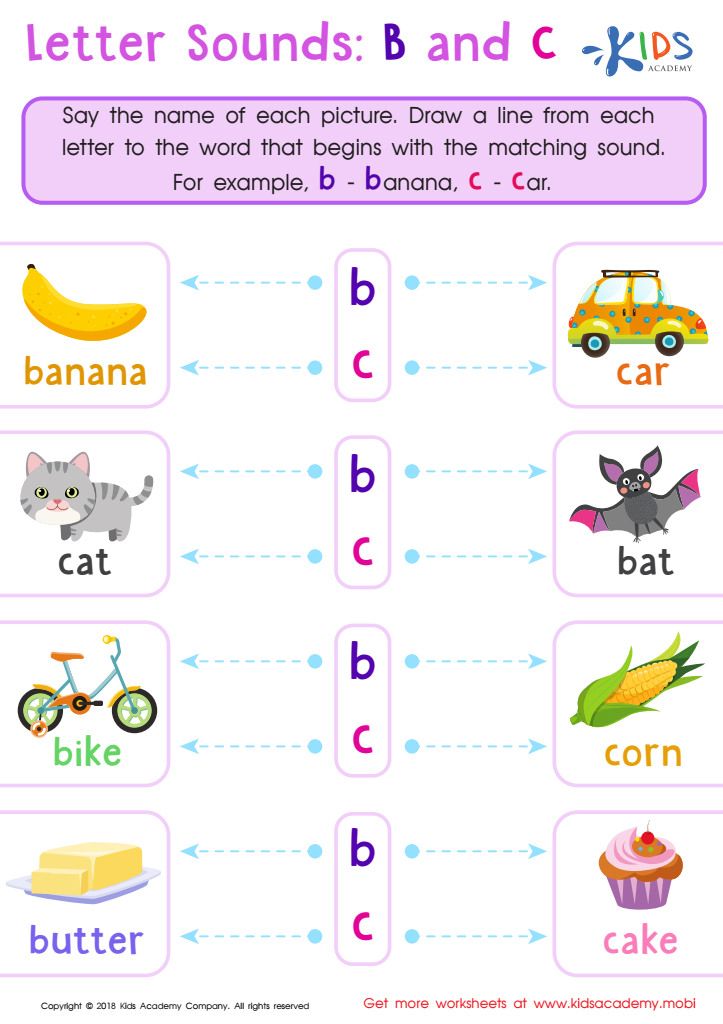
Letter B and C Sounds Worksheet
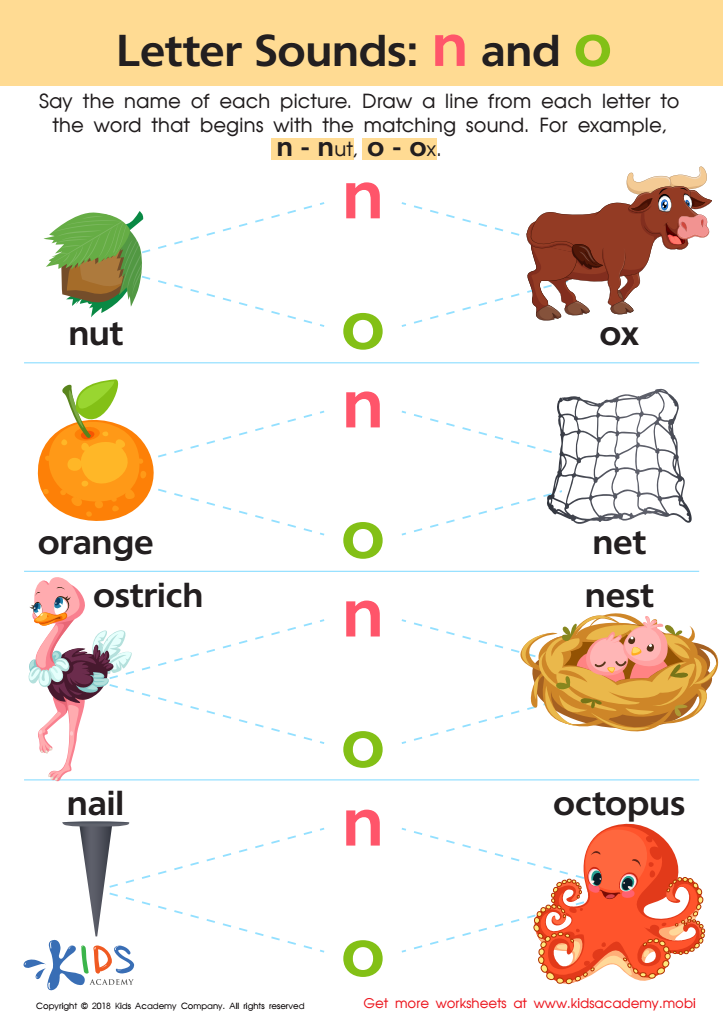
Letter N and O Sounds Worksheet
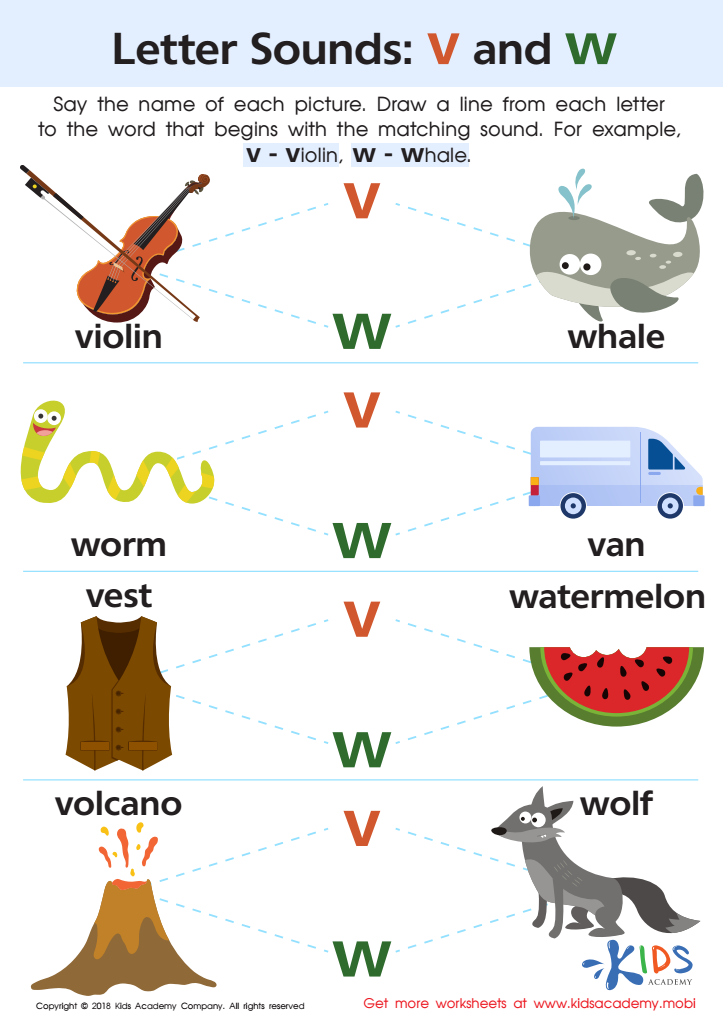
Letter V and W Sounds Worksheet
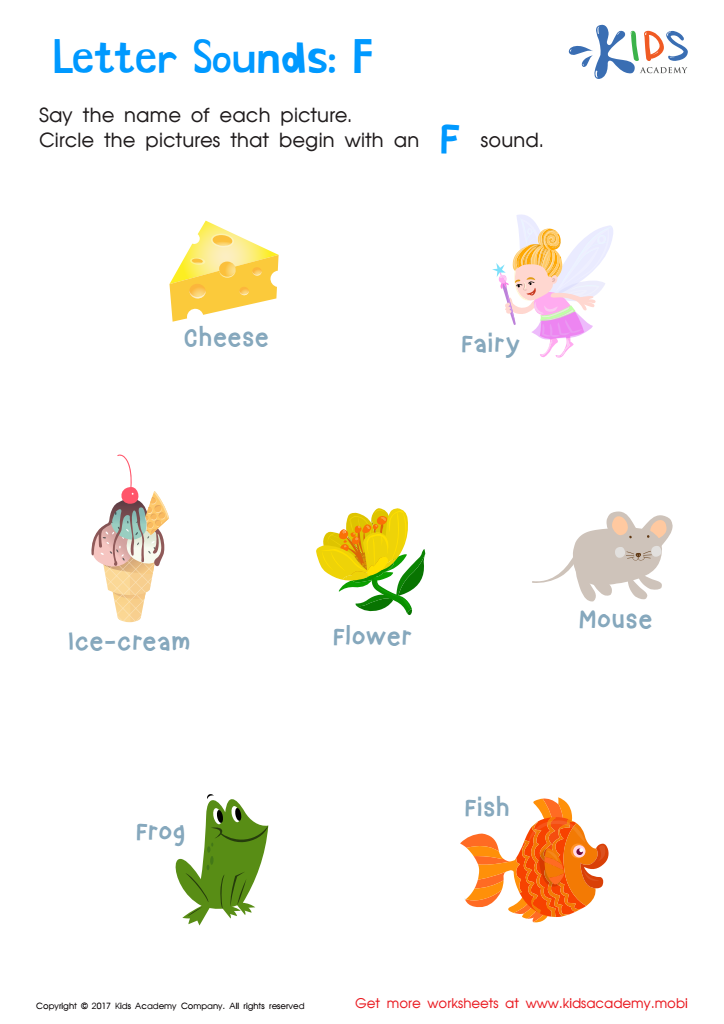
Letter F Sounds Worksheet
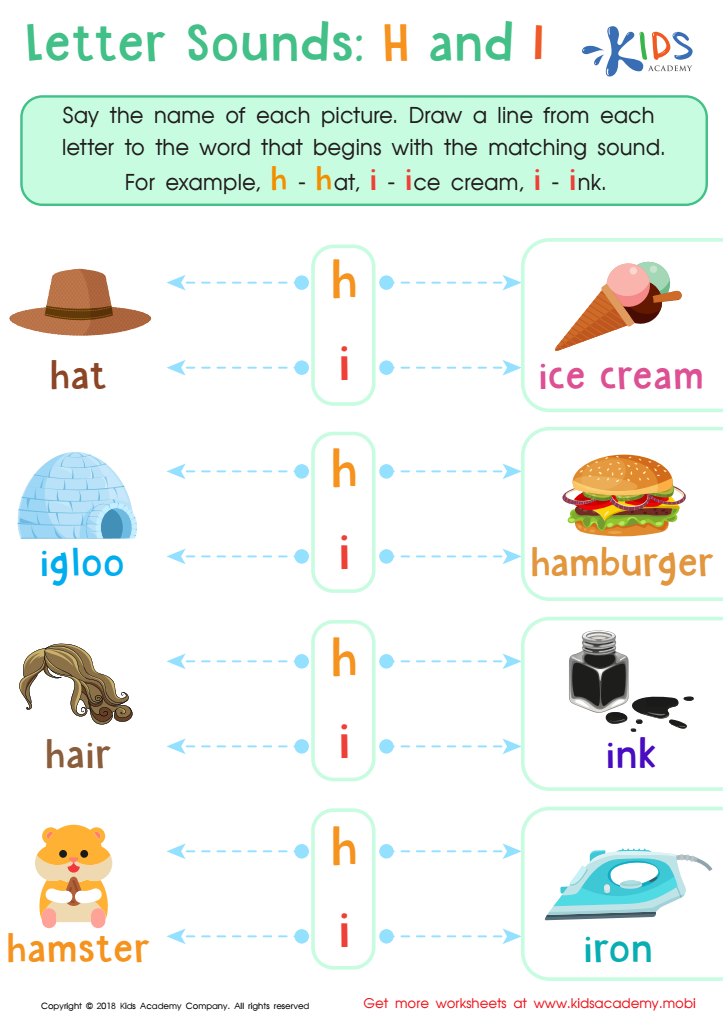
Letter H and I Sounds Worksheet
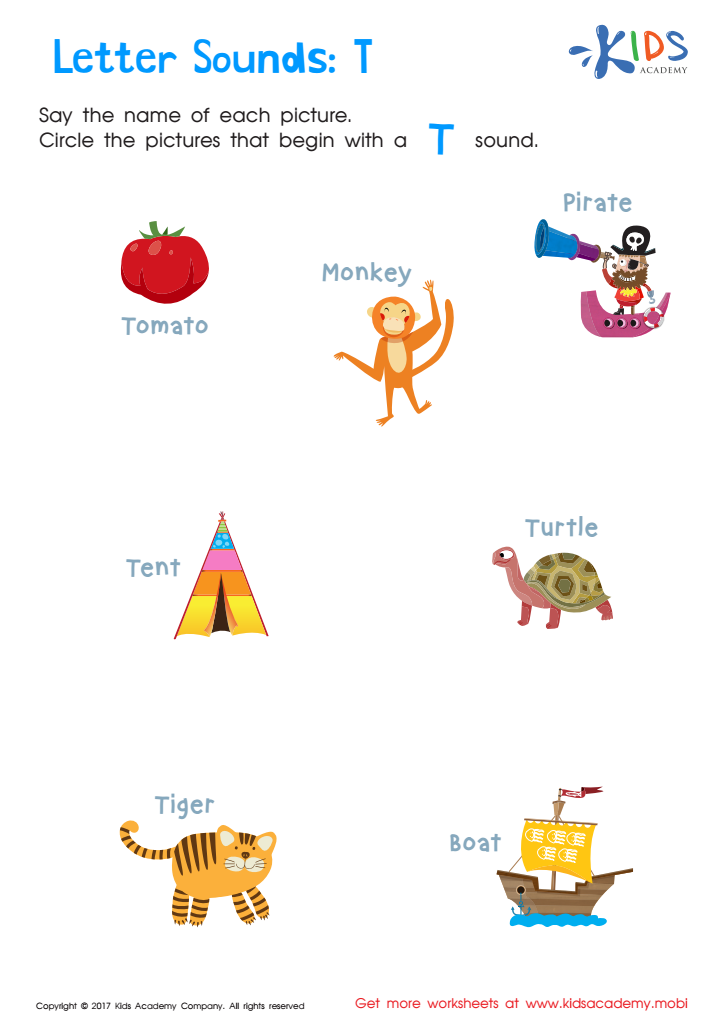
Letter T Sounds Worksheet
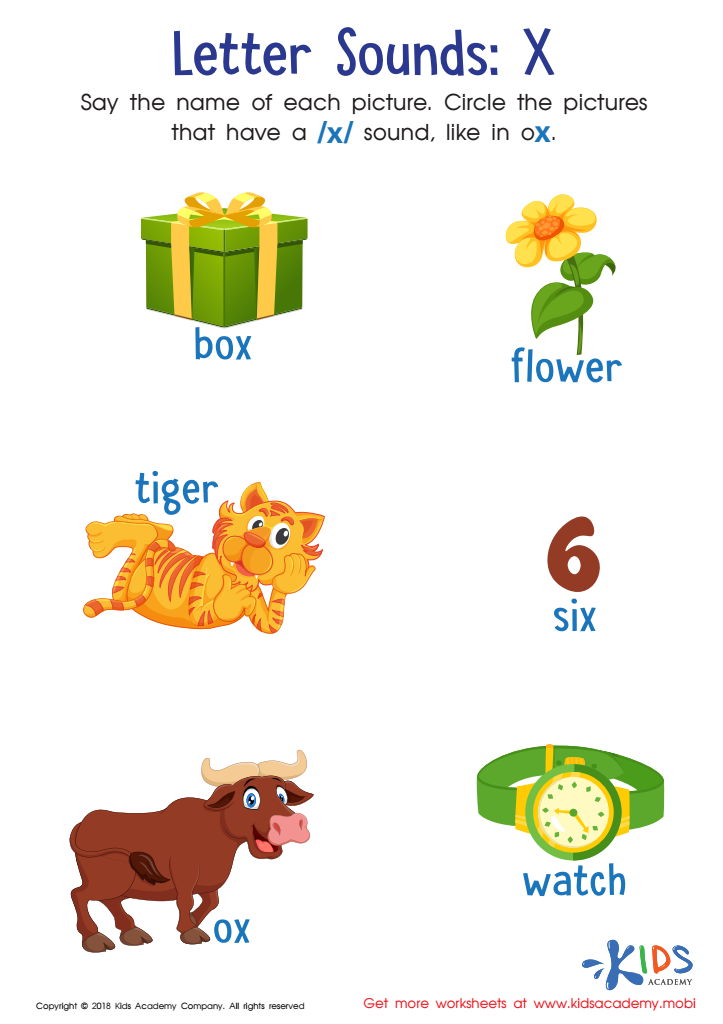
Letter X Sounds Worksheet
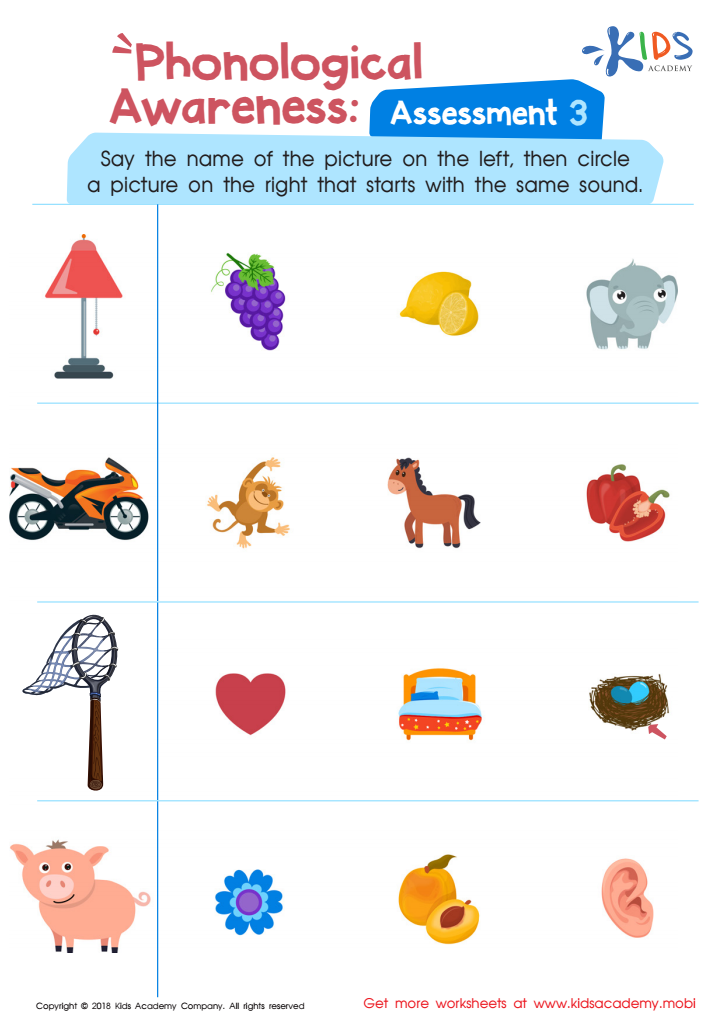
Phonological Awareness: Assessment 3 Worksheet
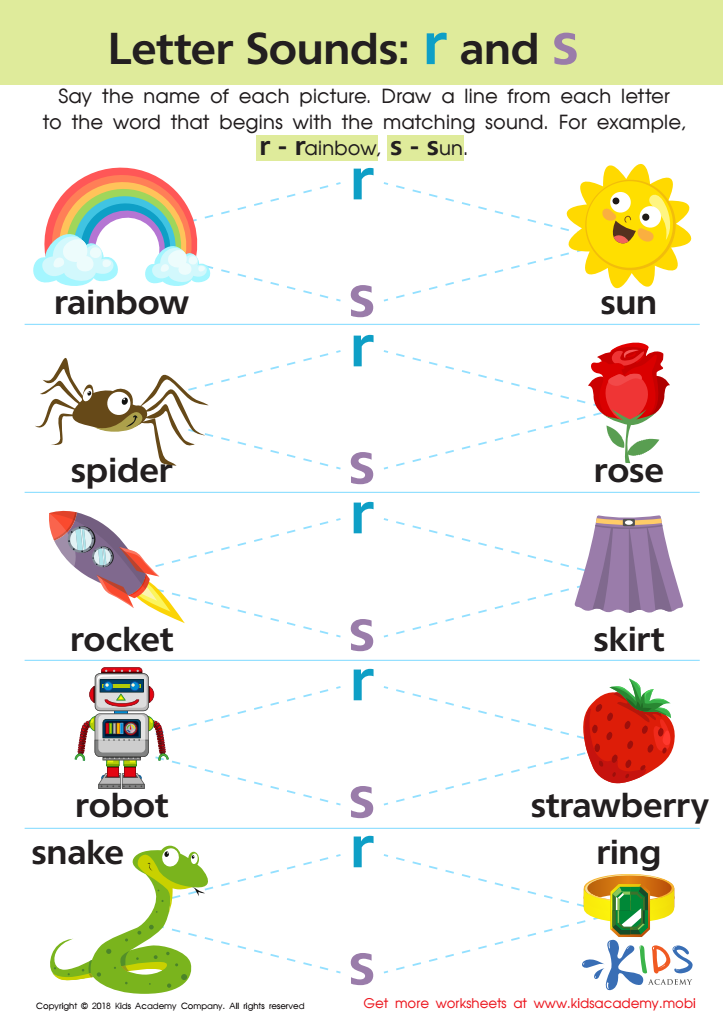
Letter R and S Sounds Worksheet
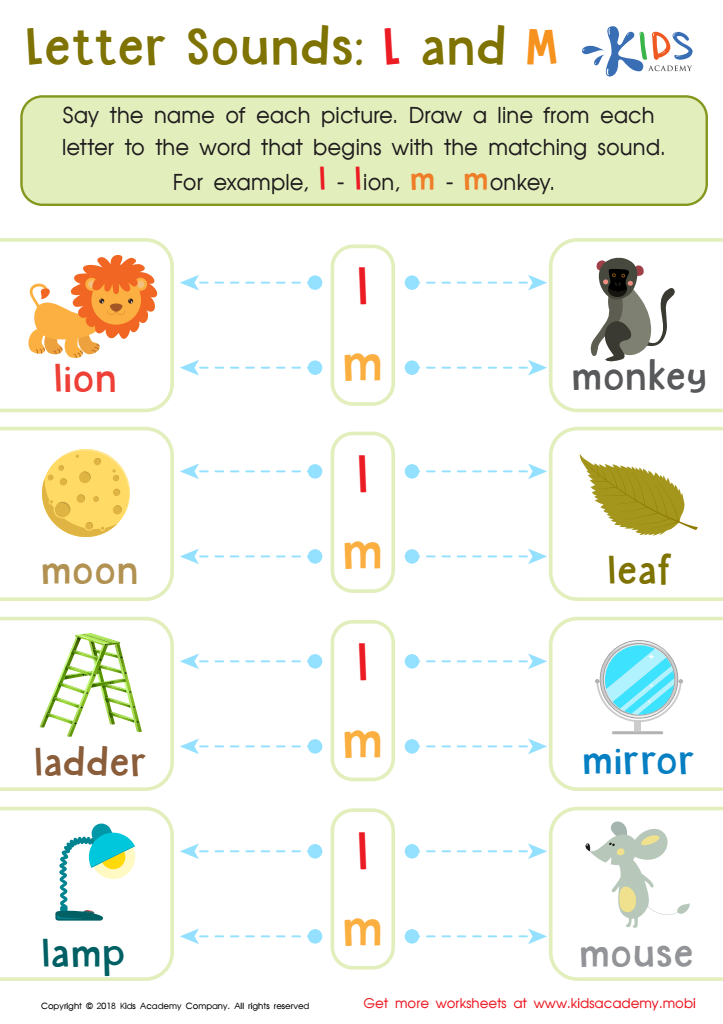
Letter l and M Sounds Worksheet
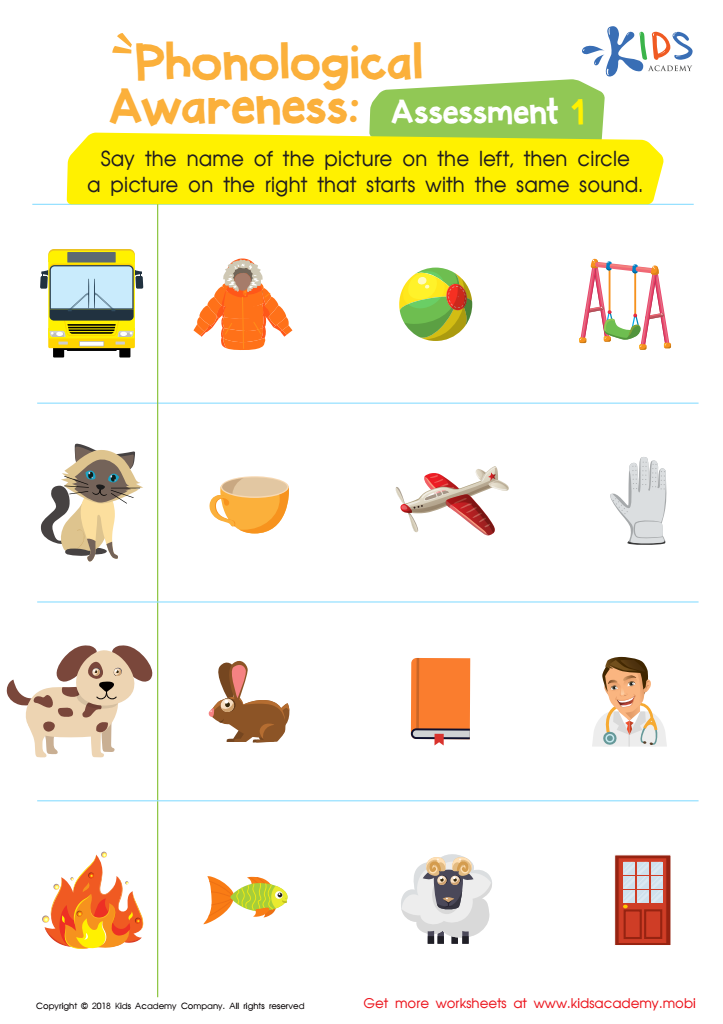
Phonological Awareness: Assessment 1 Worksheet
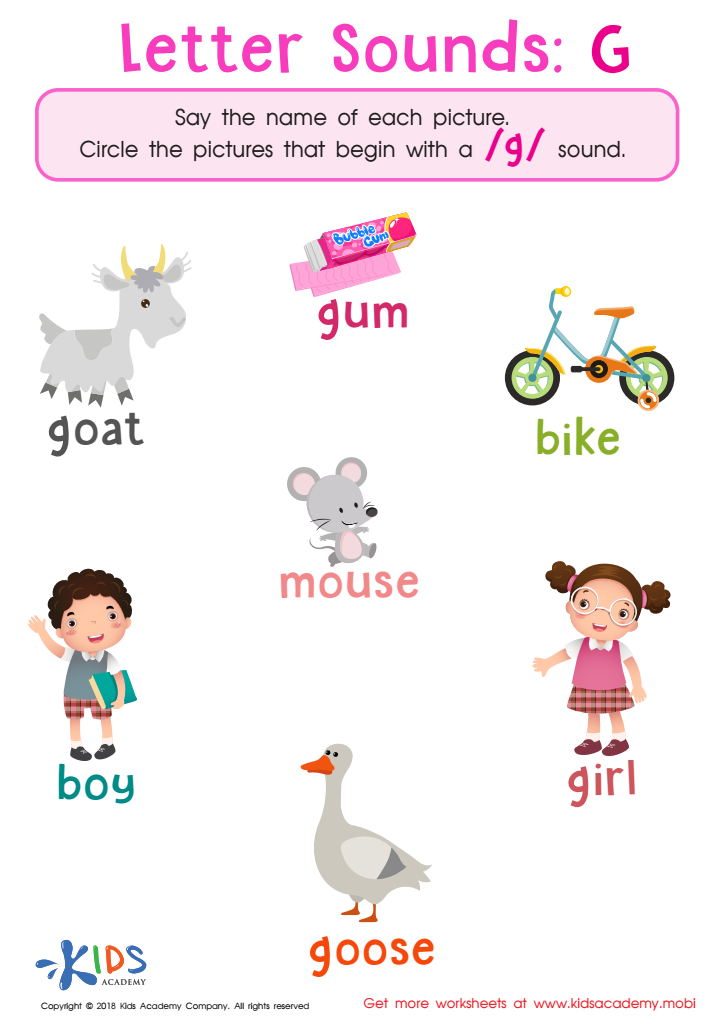
Letter G Sounds Worksheet
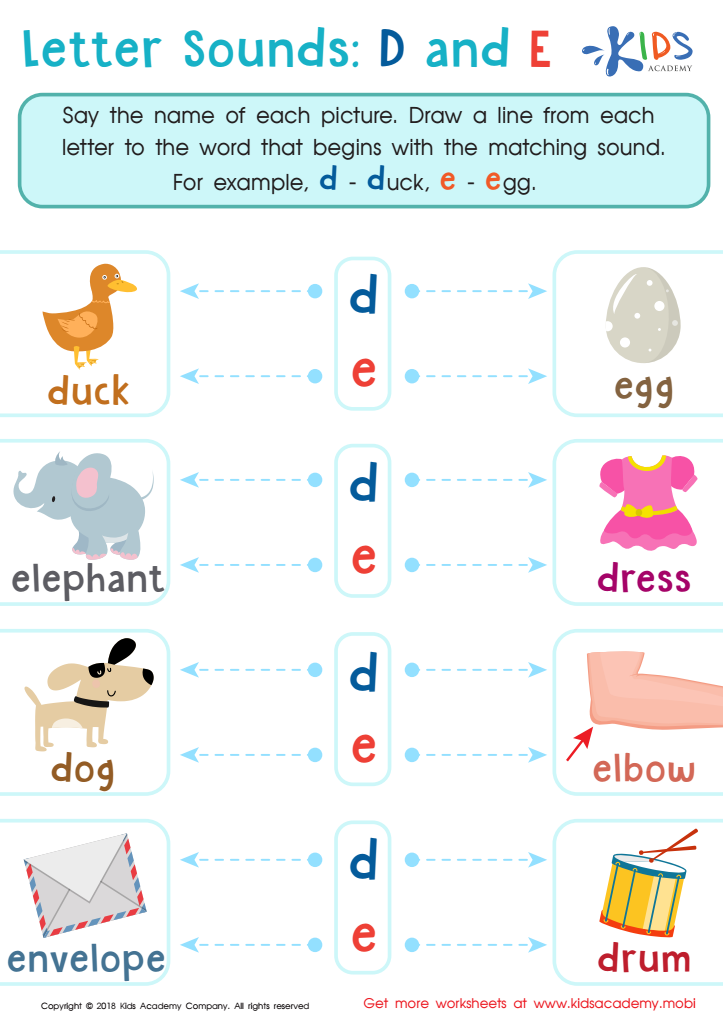
Letter D and E Sounds Worksheet








Parents and teachers should recognize the critical importance of letter recognition and letter sounds for 5-year-olds due to the foundational role these skills play in a child's literacy development. At this age, children are in a crucial developmental window where they can more easily absorb linguistic information and develop pre-reading skills that will be pivotal for their future academic success.
Letter recognition involves the ability to identify both the uppercase and lowercase letters, while phonemic awareness, or the understanding of letter sounds, enables children to connect each letter to its corresponding sound. Mastery of these skills is essential for decoding words—transforming written text into meaningful speech. Achieving fluency in these areas allows children to learn to read with greater ease, which subsequently builds their confidence and fosters a love for reading.
Moreover, letter recognition and phonemic awareness are strong predictors of subsequent reading and writing abilities. Early literacy skills are linked to more substantial academic performance across different subjects, not just language arts. They also meet critical educational milestones that prepare children for more structured schooling settings.
Investing time and effort to nurture these foundational literacy skills can also encourage healthy brain development, improved attention span, and enhance memory. Parents and teachers, therefore, play a crucial role in providing engaging and supportive environments laden with activities that promote early literacy, safeguarding educational trajectories and future learning outcomes.







