Handwriting practice Worksheets for 5-Year-Olds - Page 3
83 filtered results
-
From - To
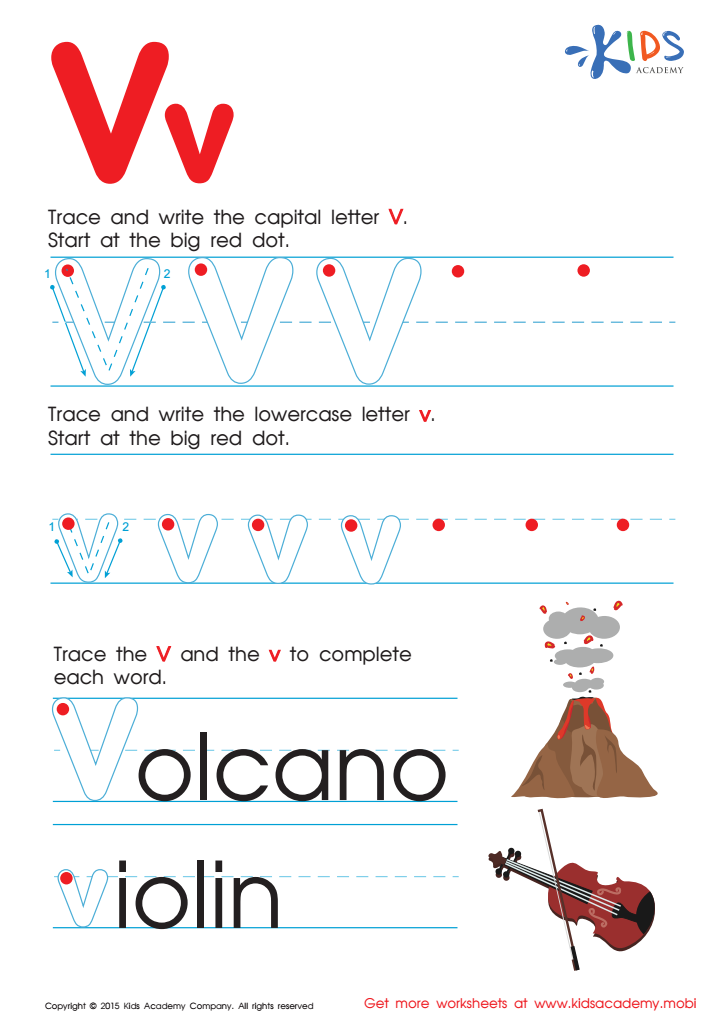
Letter V Tracing Page
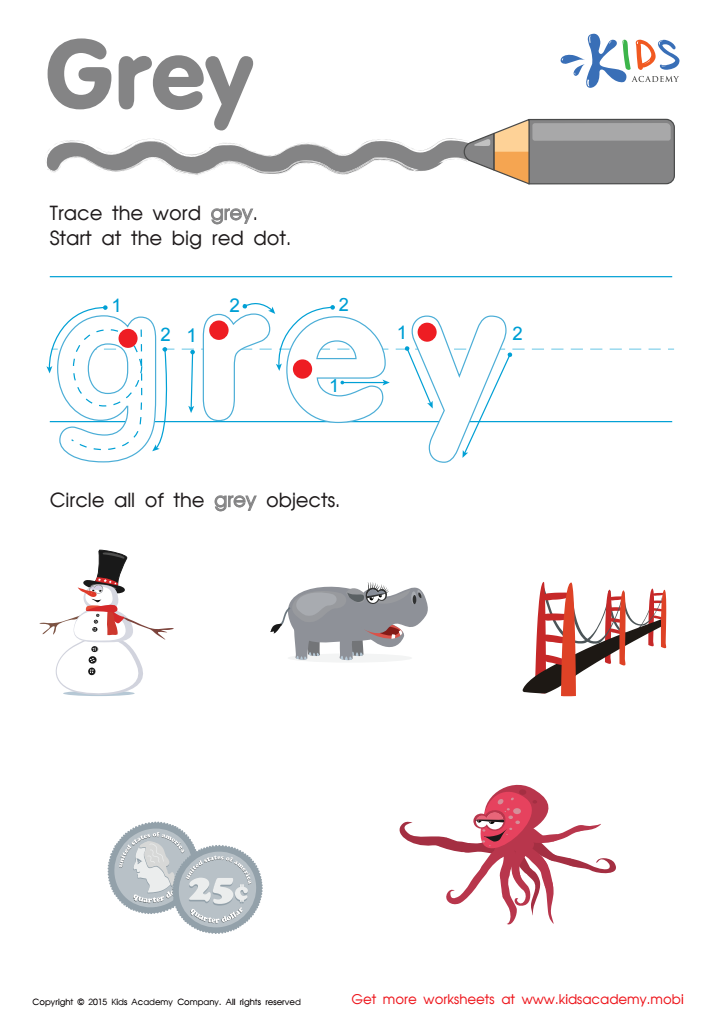
Grey Tracing Color Words Worksheet
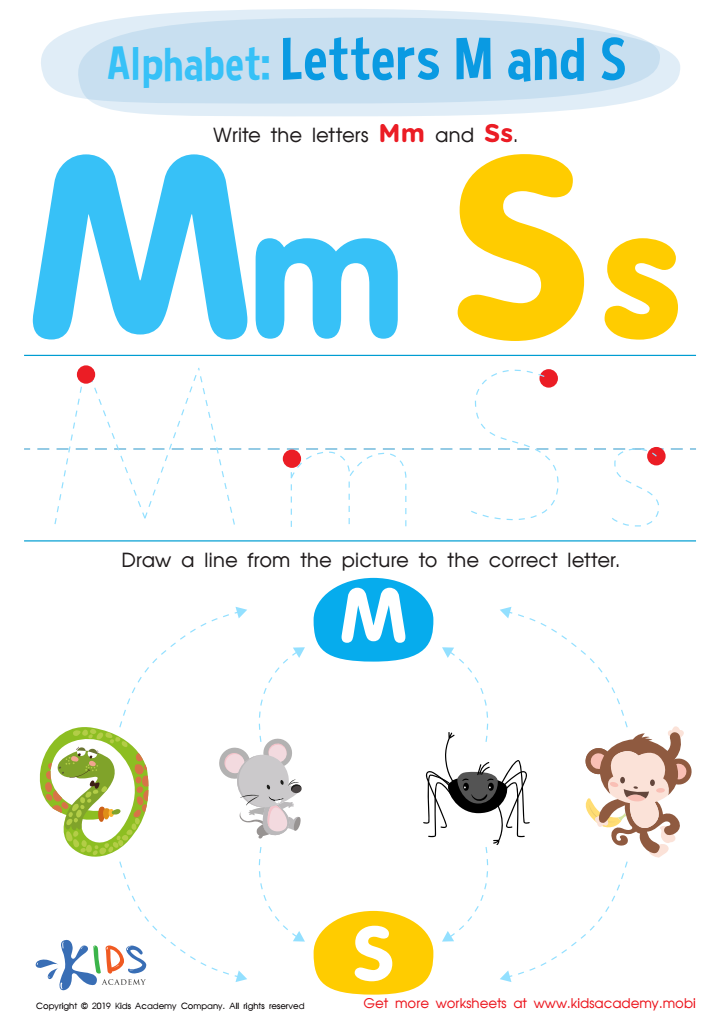
Letters M and S Tracing Worksheet
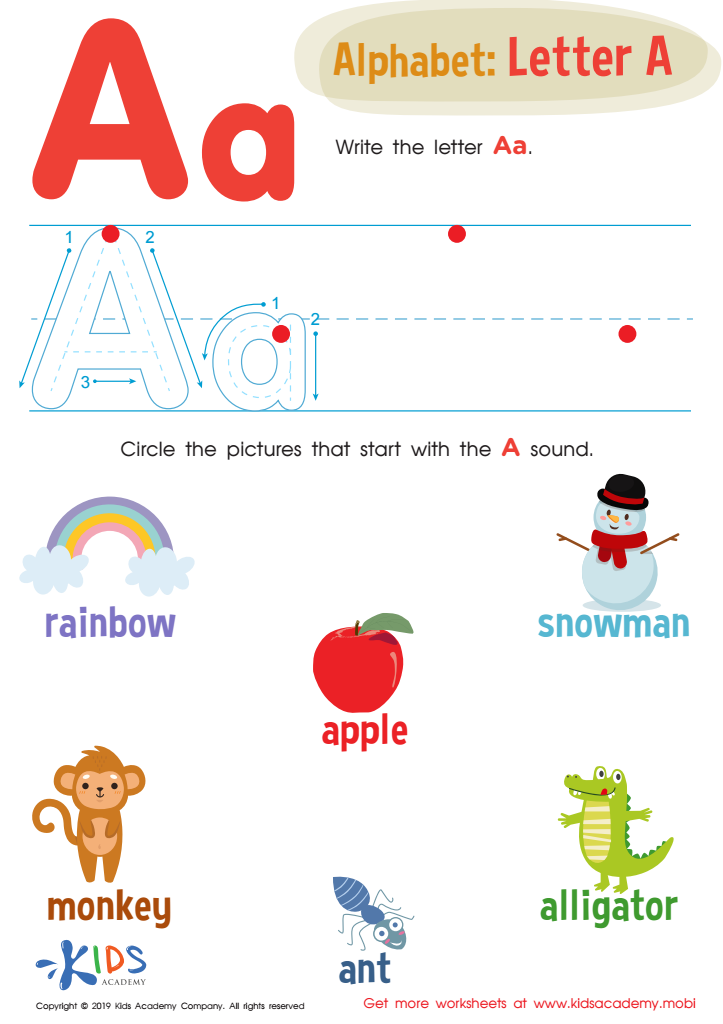
Letter A Tracing Worksheet
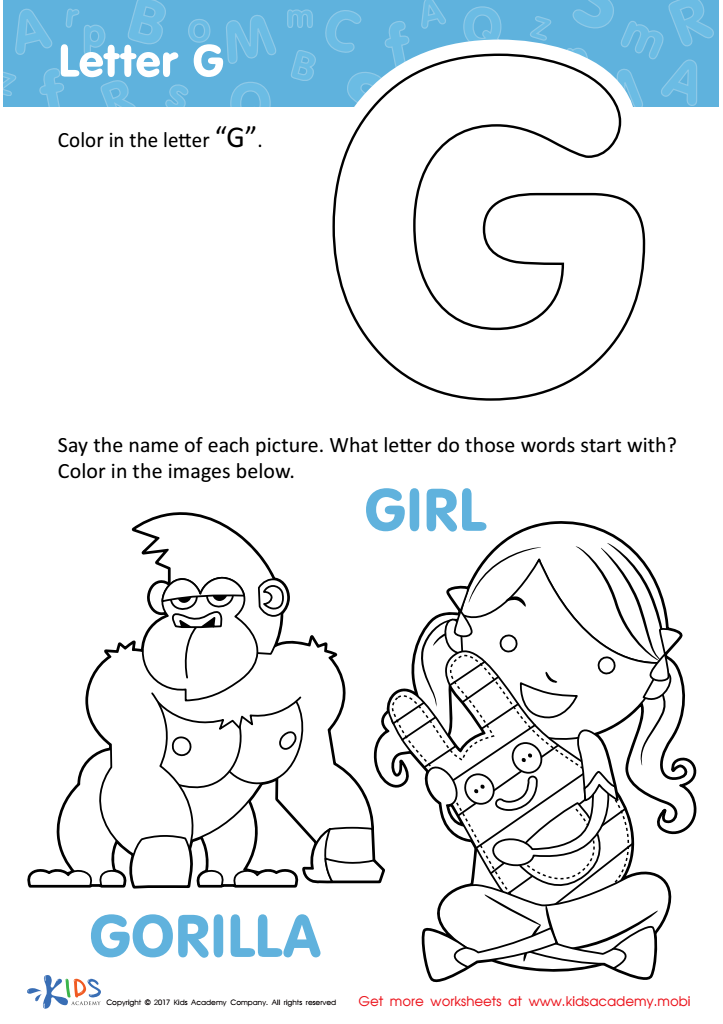
Letter G Coloring Sheet
 Assign to My Students
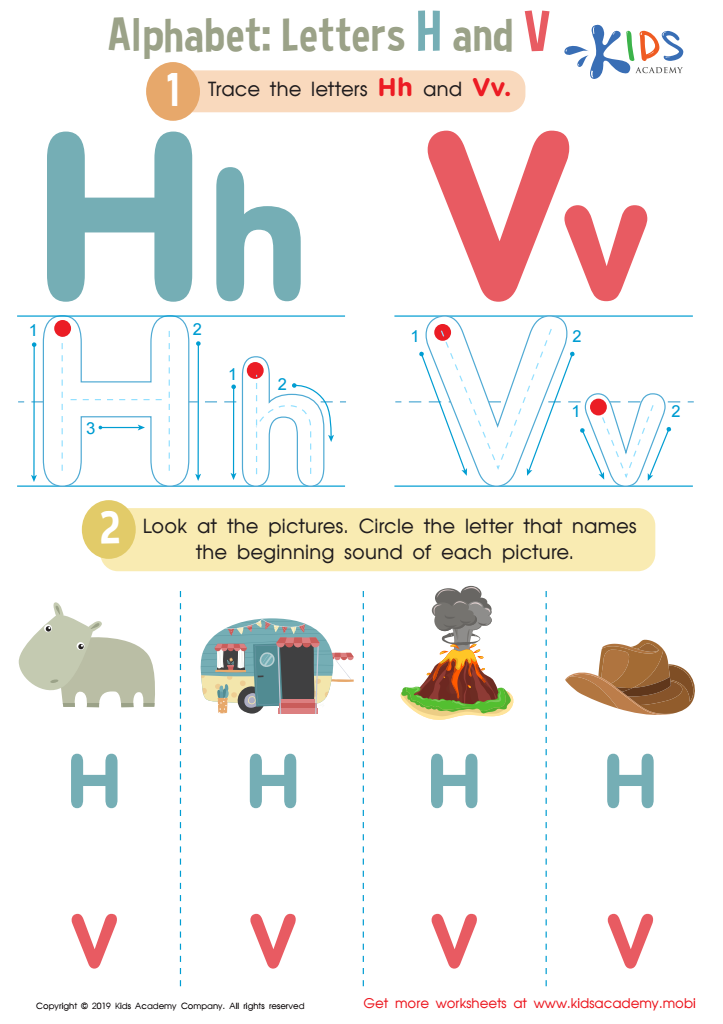
Letters H and V Tracing Worksheet
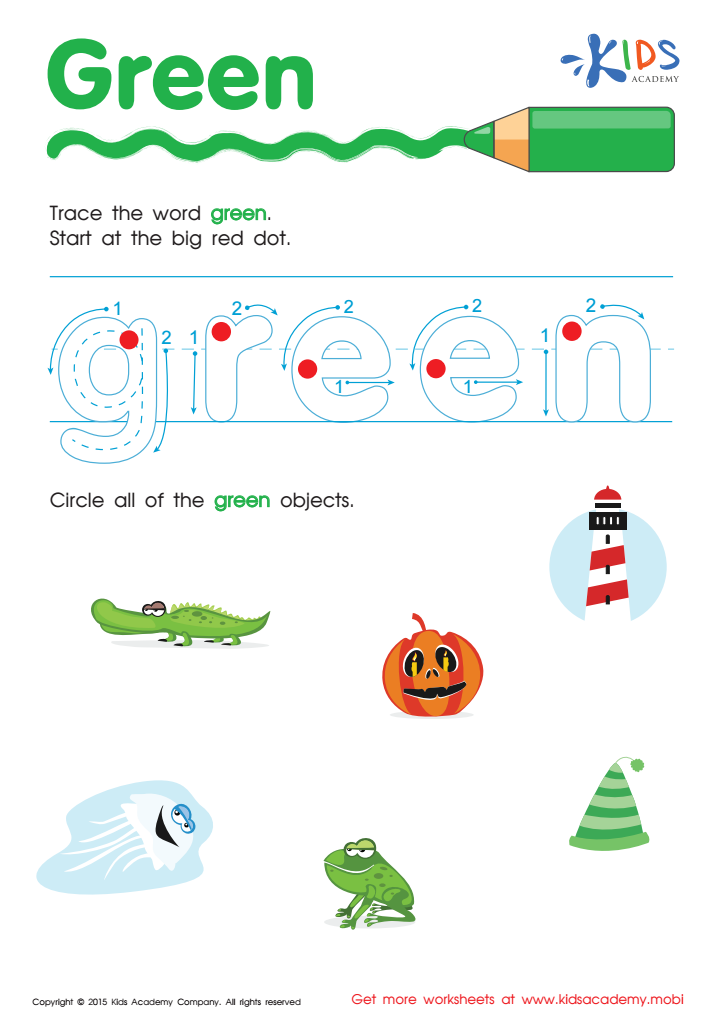
Green Tracing Color Words Worksheet
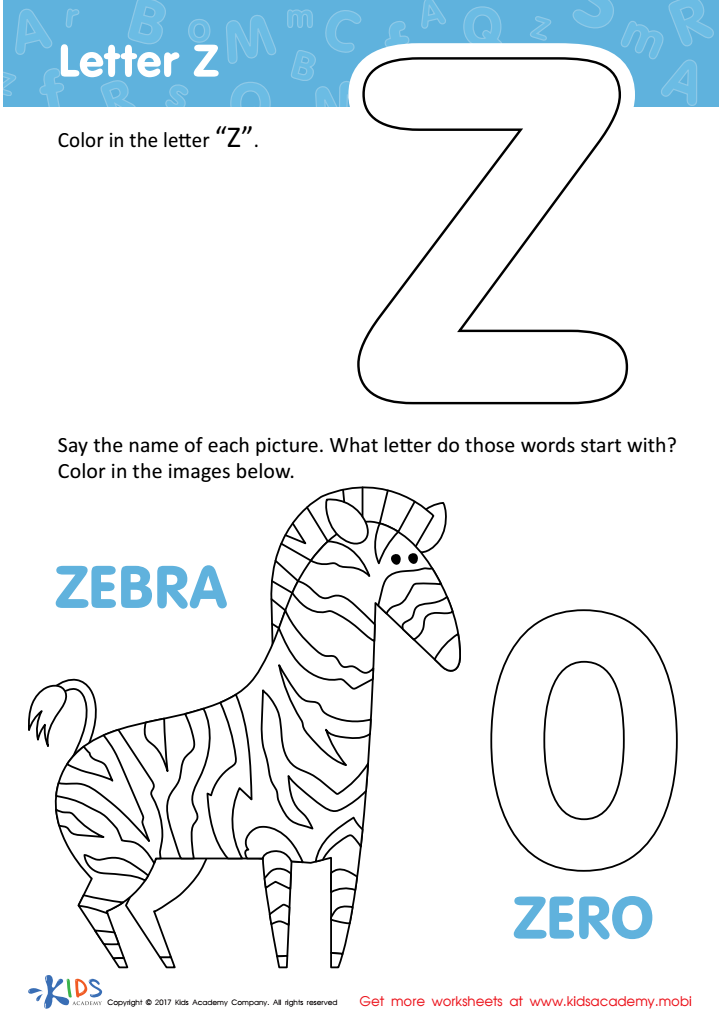
Letter Z Coloring Sheet
Assign to My Students
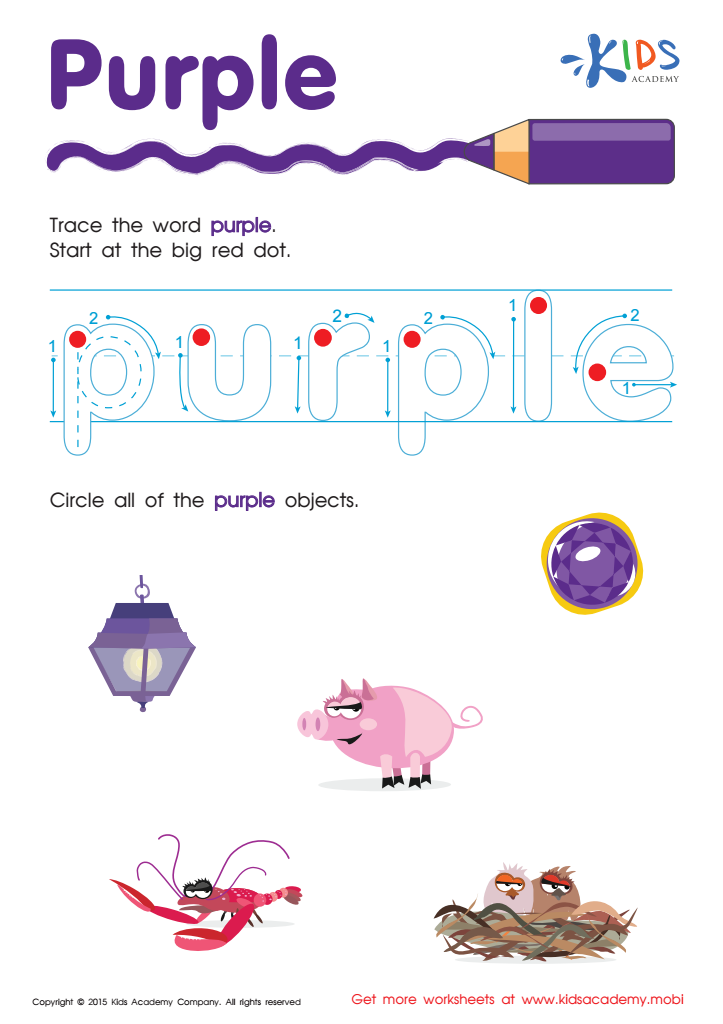
Purple Tracing Color Words Worksheet
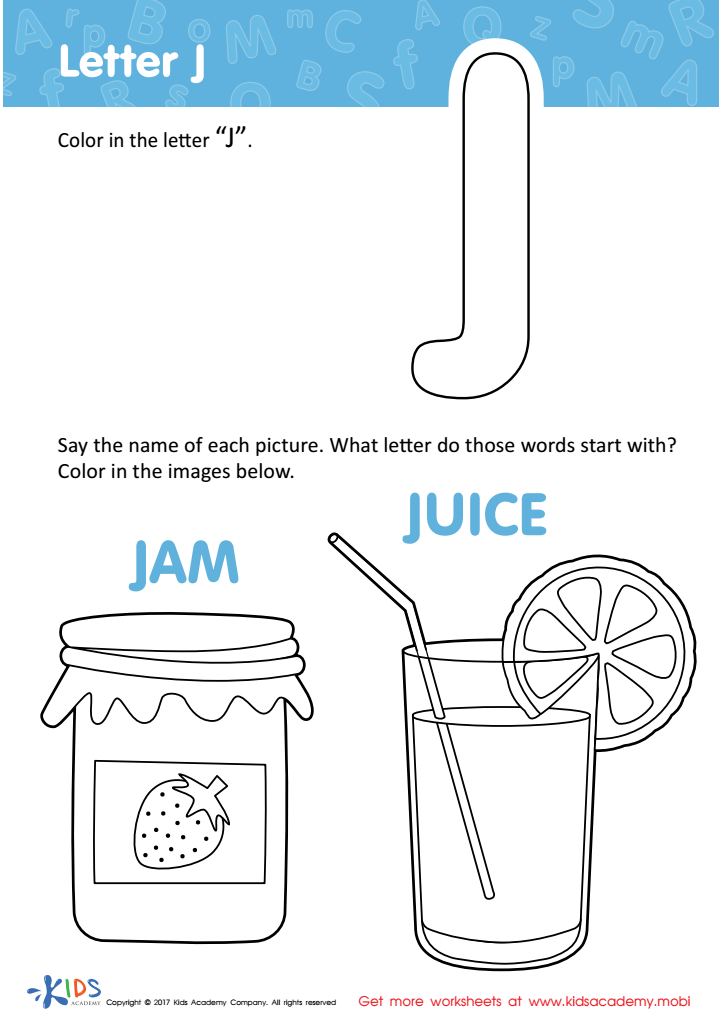
Letter J Coloring Sheet
Assign to My Students
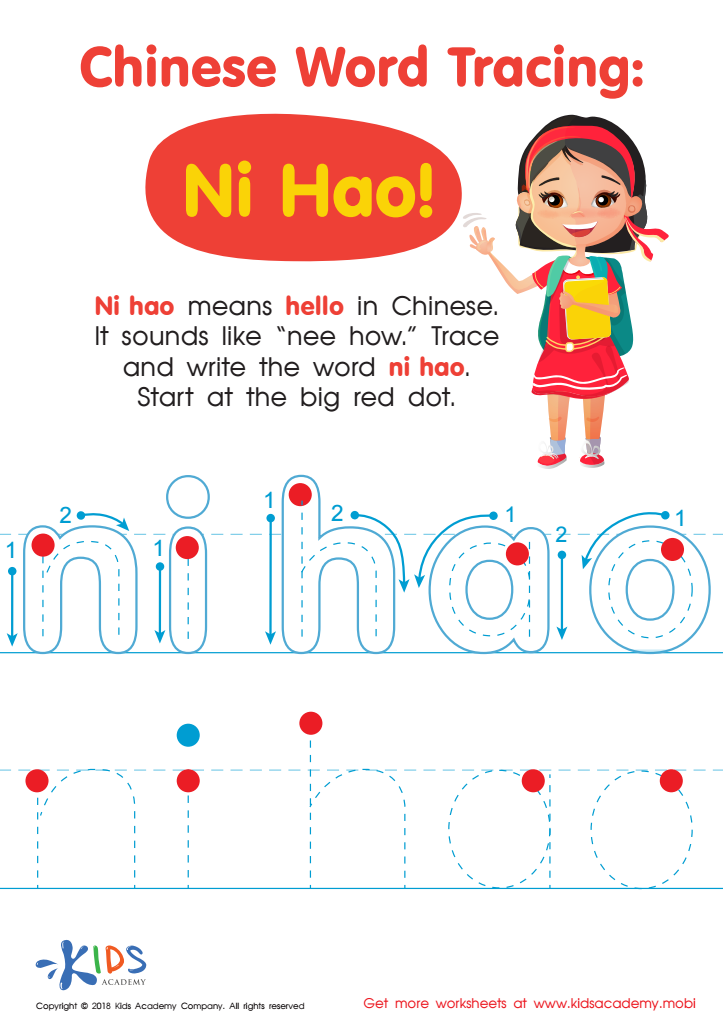
Chinese Word Tracing: Ni Hao Worksheet
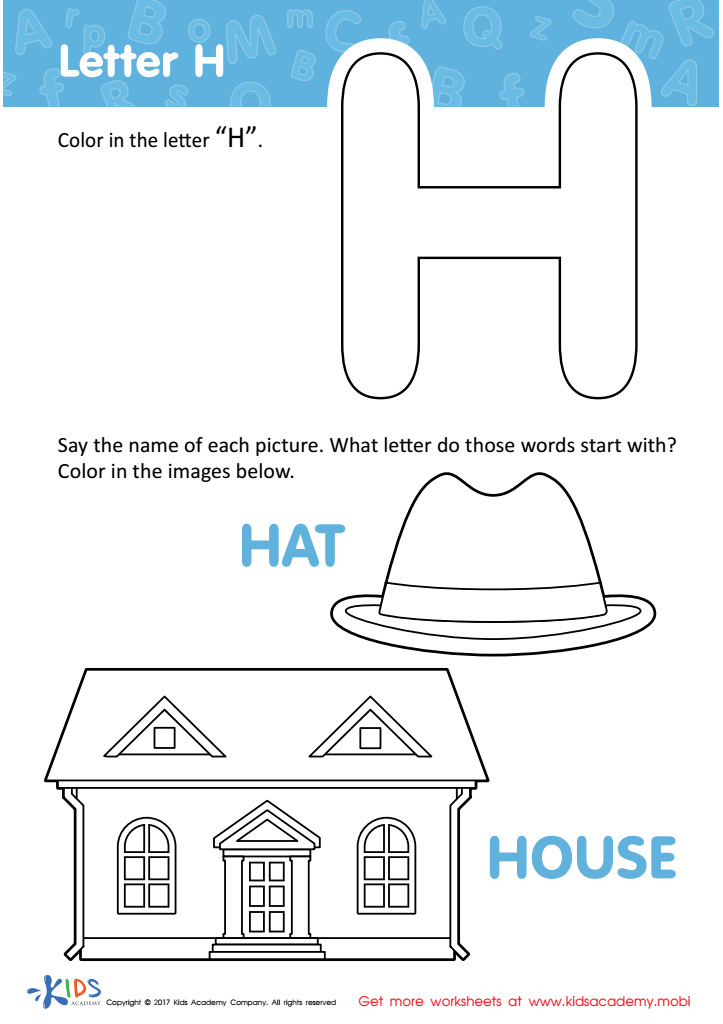
Letter H Coloring Sheet
Assign to My Students
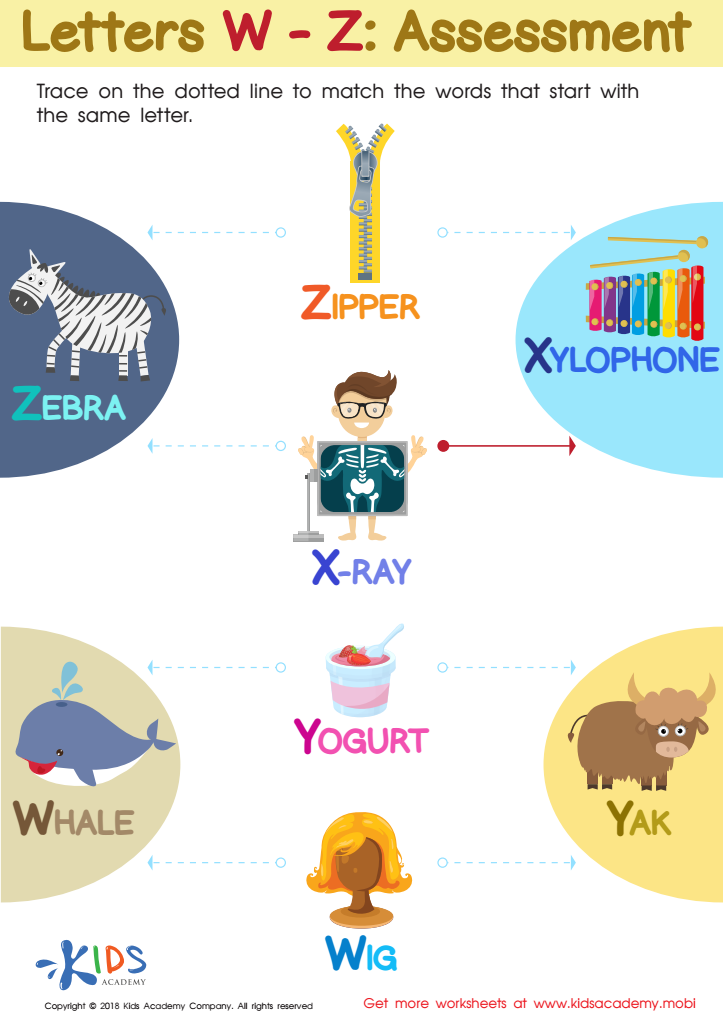
Letters W–Z Tracing Worksheet
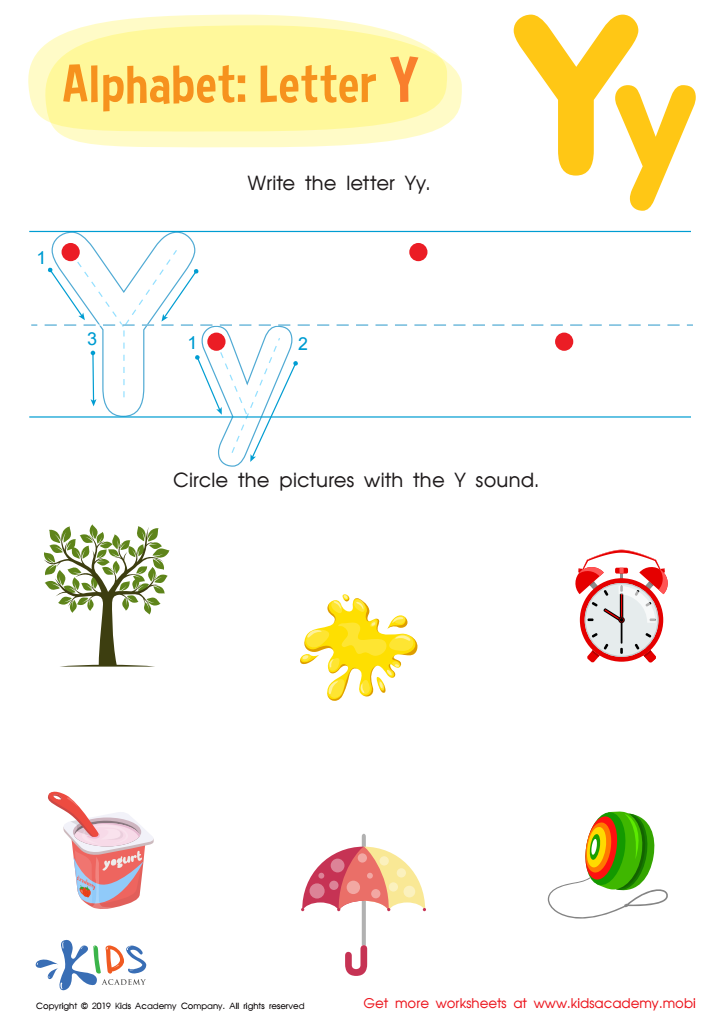
Letter Y Tracing Worksheet
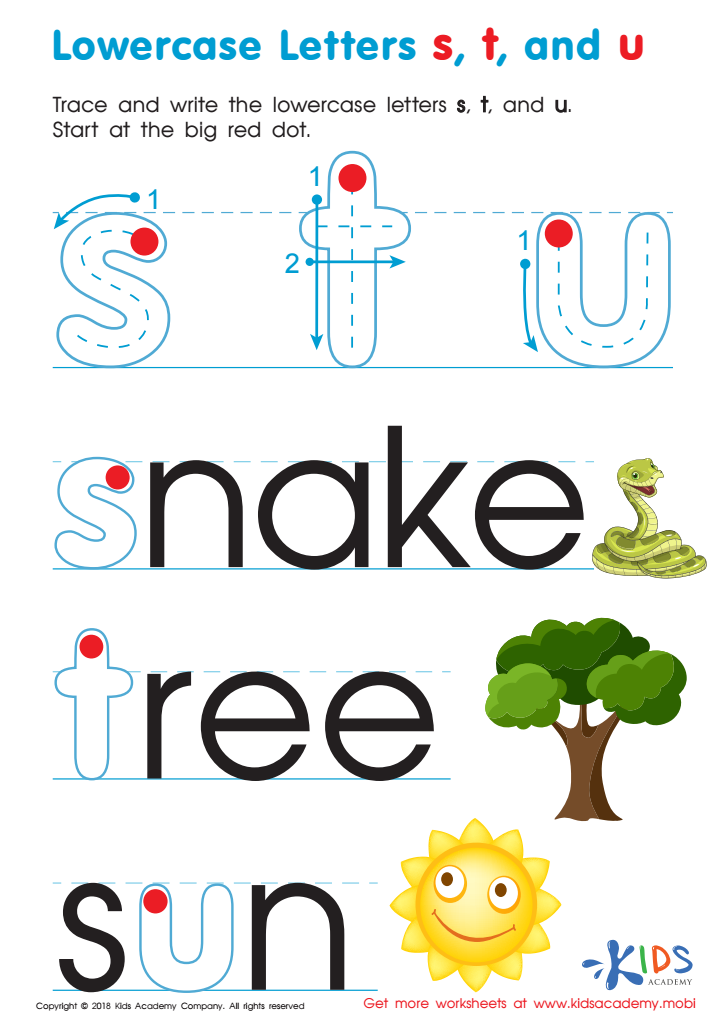
Lowercase Letters s t u Worksheet
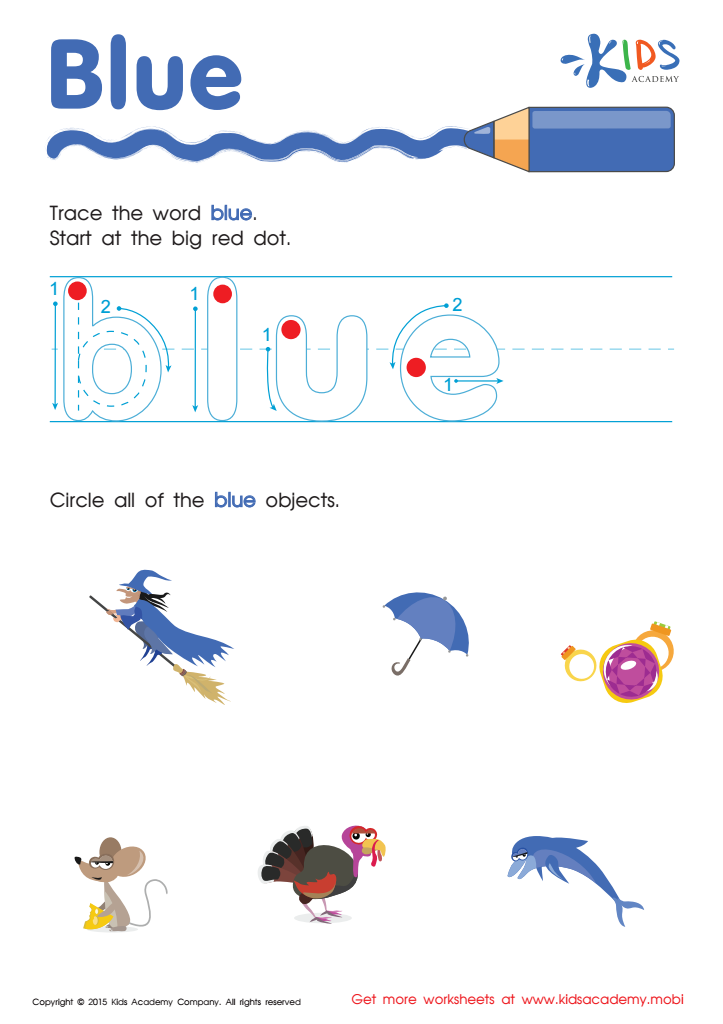
Blue Tracing Color Words Printable
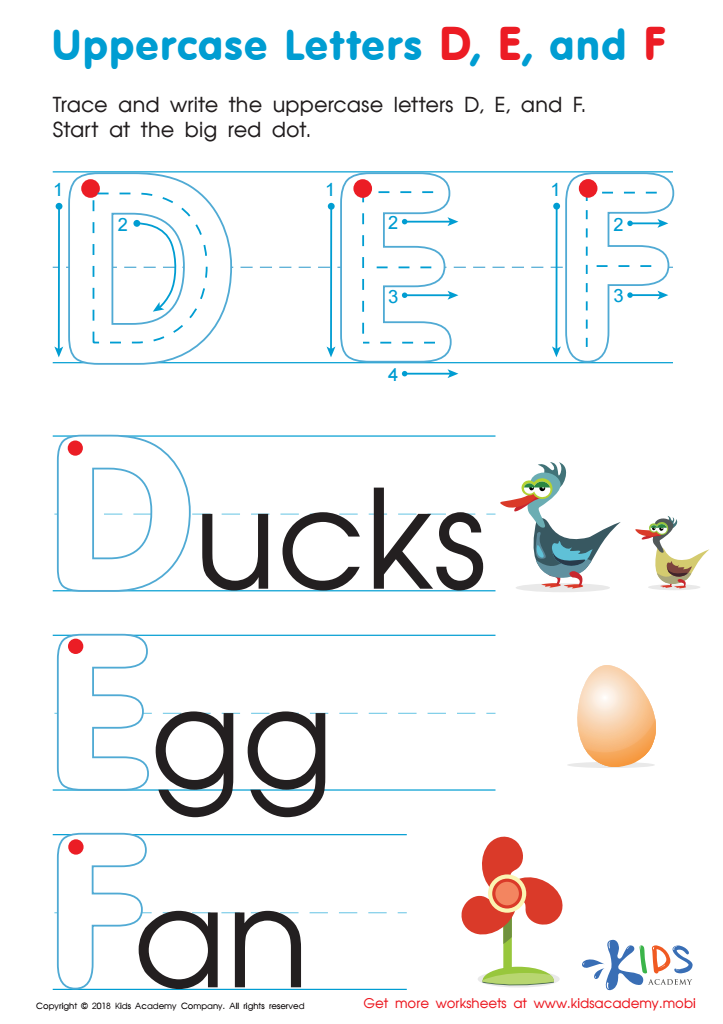
Uppercase Letters D, E, and F Worksheet
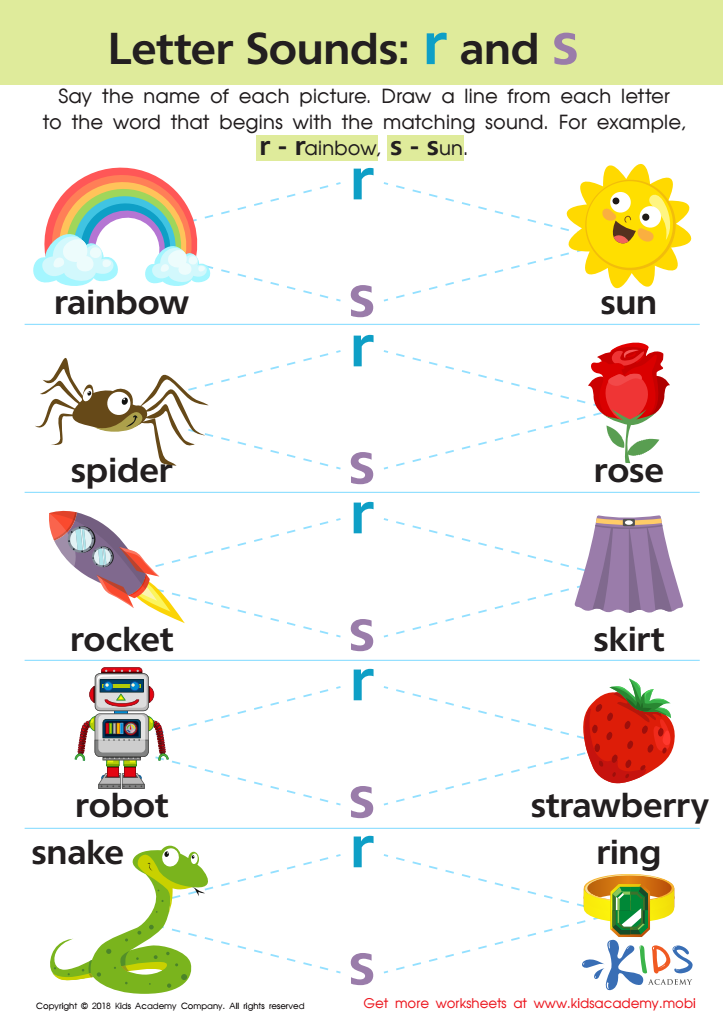
Letter R and S Sounds Worksheet
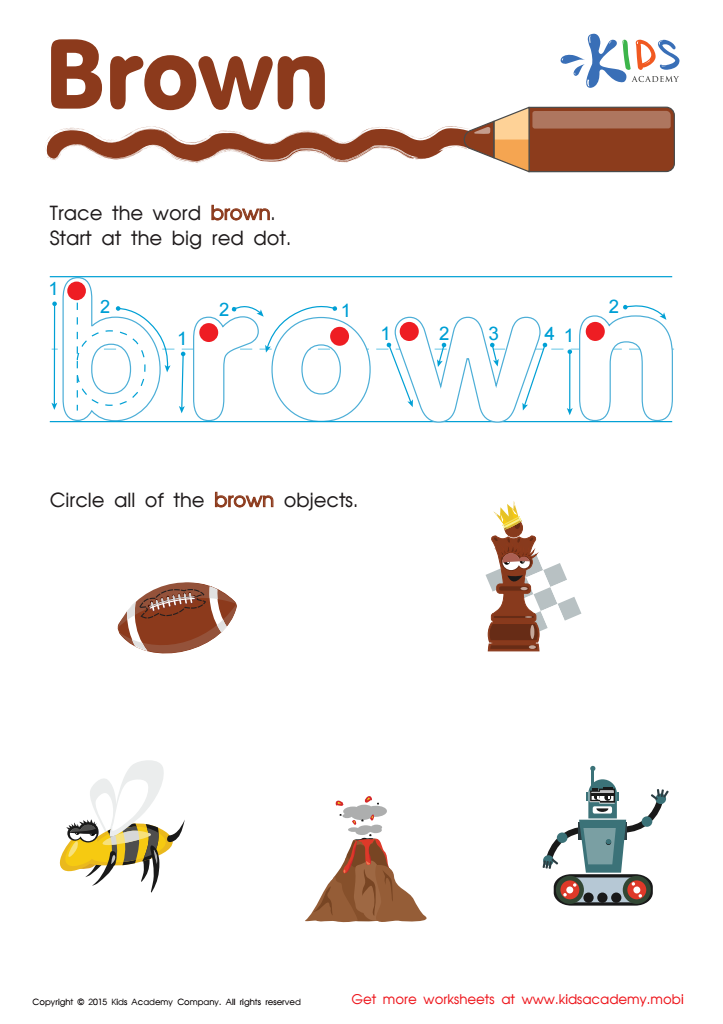
Brown Tracing Color Words Worksheet
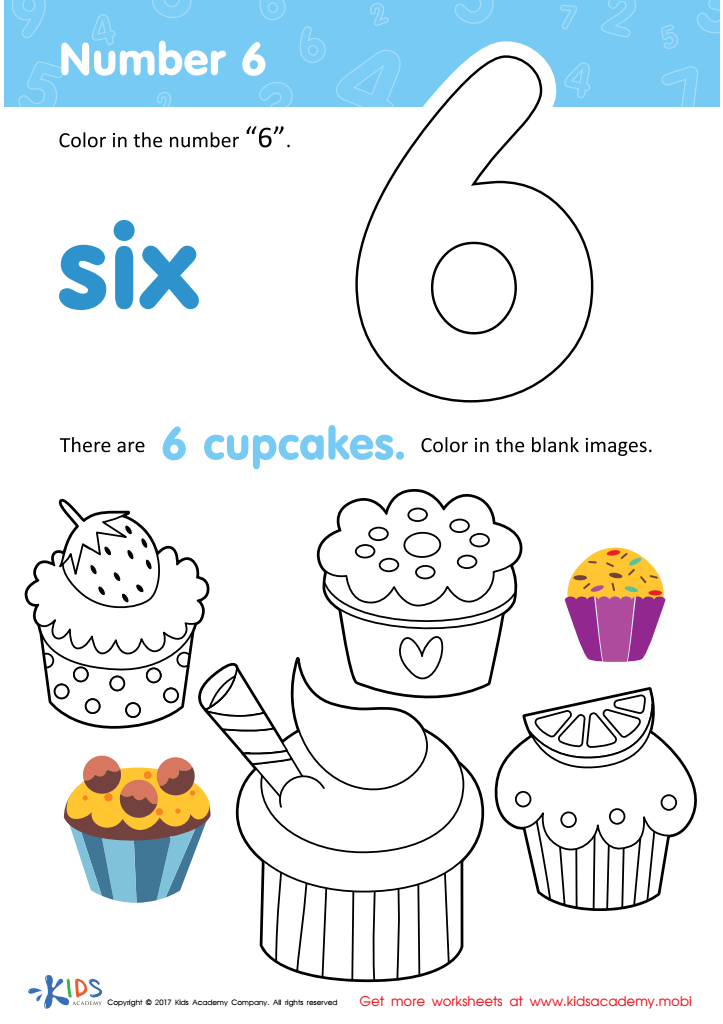
Number 6 Worksheet
Assign to My Students
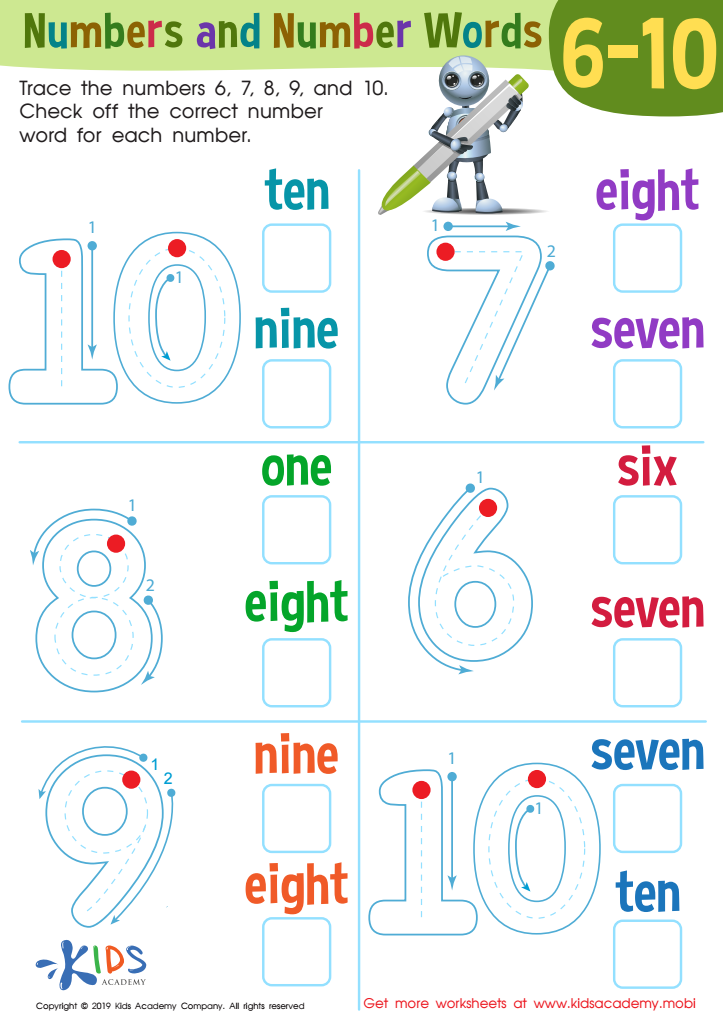
Numbers and Number Words 6–1 Worksheet
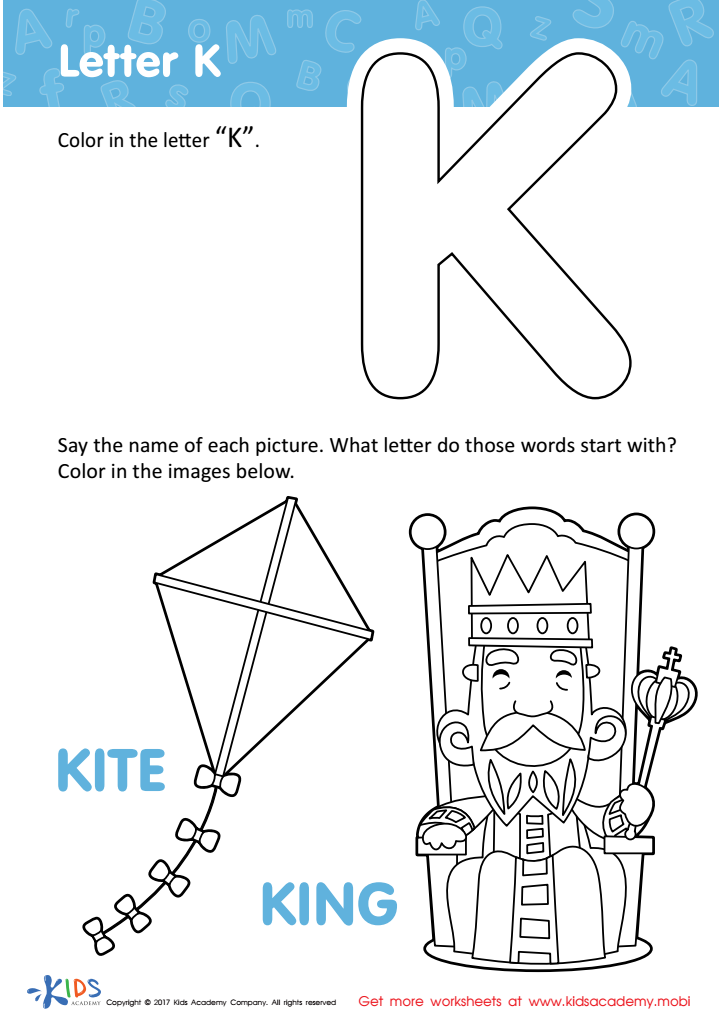
Letter K Coloring Sheet
Assign to My Students
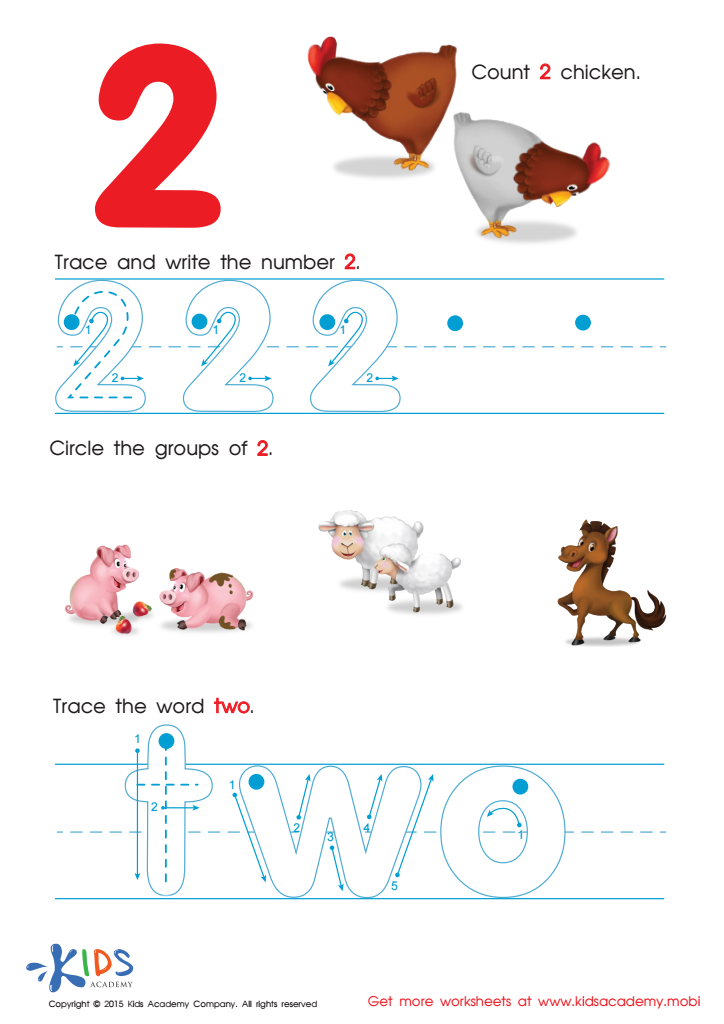
Learn to Write the Number 2 Worksheet
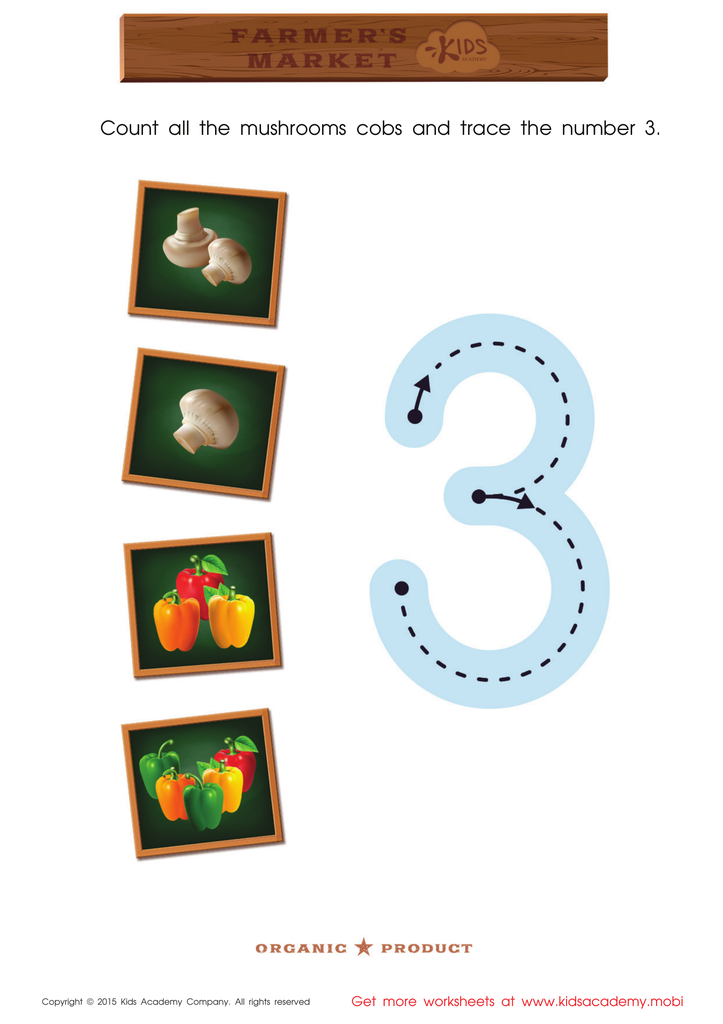
Count the Mushrooms and Trace the Number 3 Printable







Handwriting practice for 5-year-olds is essential for several reasons, making it a focal point for both parents and teachers. First, handwriting enhances fine motor skills, which are crucial for children’s overall development. As young children spend time practicing forming letters, they strengthen the small muscles in their hands, improving their dexterity and coordination.
Second, handwriting lays the groundwork for literacy. Learning to write helps children make connections between letters and sounds, improving their phonemic awareness and spelling skills. This relationship fosters confident reading and writing as they progress through school.
Additionally, handwriting encourages cognitive development. The physical act of writing stimulates brain areas responsible for memory and comprehension. Children process information differently when they write it down, promoting better retention.
Moreover, mastering handwriting builds self-esteem and a sense of achievement. As young learners complete their writing tasks, they experience the satisfaction of creating something tangible, boosting their confidence in their abilities.
Lastly, in an era of increasing digital communication, traditional handwriting remains vital. Cultivating these skills helps children effectively navigate all modes of communication as they grow, ensuring they have the tools to express themselves clearly and creatively. Thus, prioritizing handwriting practice is crucial for the holistic growth of young learners.








