Sequence Understanding Worksheets for 5-Year-Olds
6 filtered results
-
From - To
Enhance your child's early learning experience with our Sequence Understanding Worksheets for 5-Year-Olds! Designed to engage young minds, these worksheets help children develop critical thinking and problem-solving skills by enabling them to recognize and organize events in sequence. Featuring colorful illustrations and age-appropriate activities, our resources make learning fun and interactive. These worksheets promote cognitive development and foster language skills as kids narrate their sequences. Ideal for preschool or kindergarten settings, they also support fine motor skills through cutting, pasting, and drawing. Download our Sequence Understanding Worksheets today and watch your child grow more confident in their learning journey!
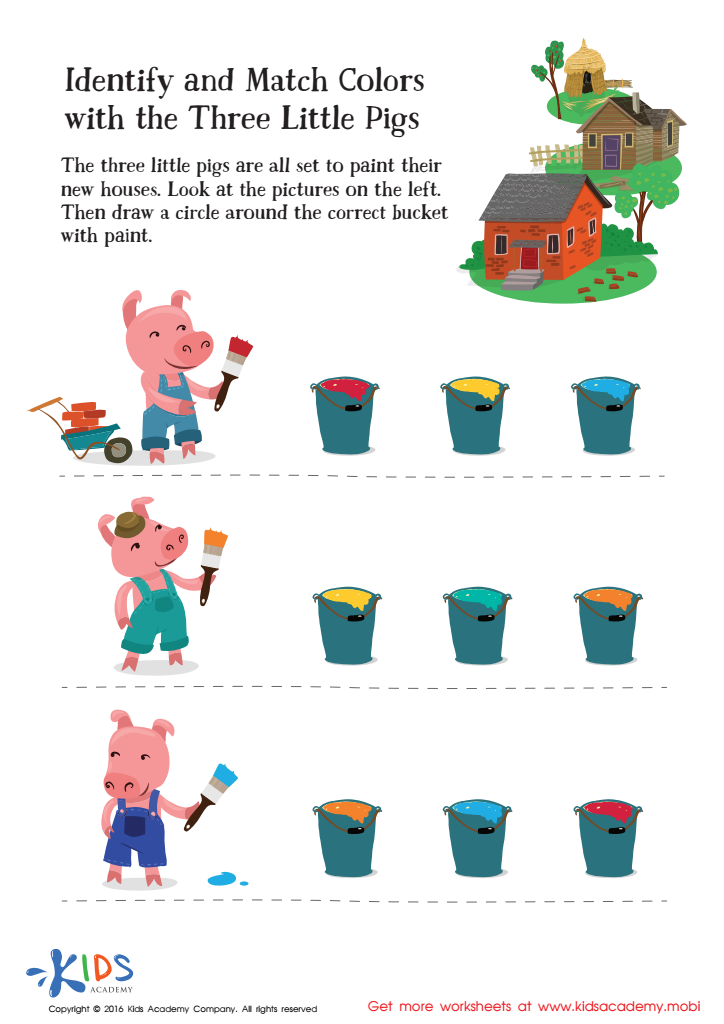
Fairy Tale Worksheet: Identify and Match Colors with Three Little Pigs
 Assign to My Students
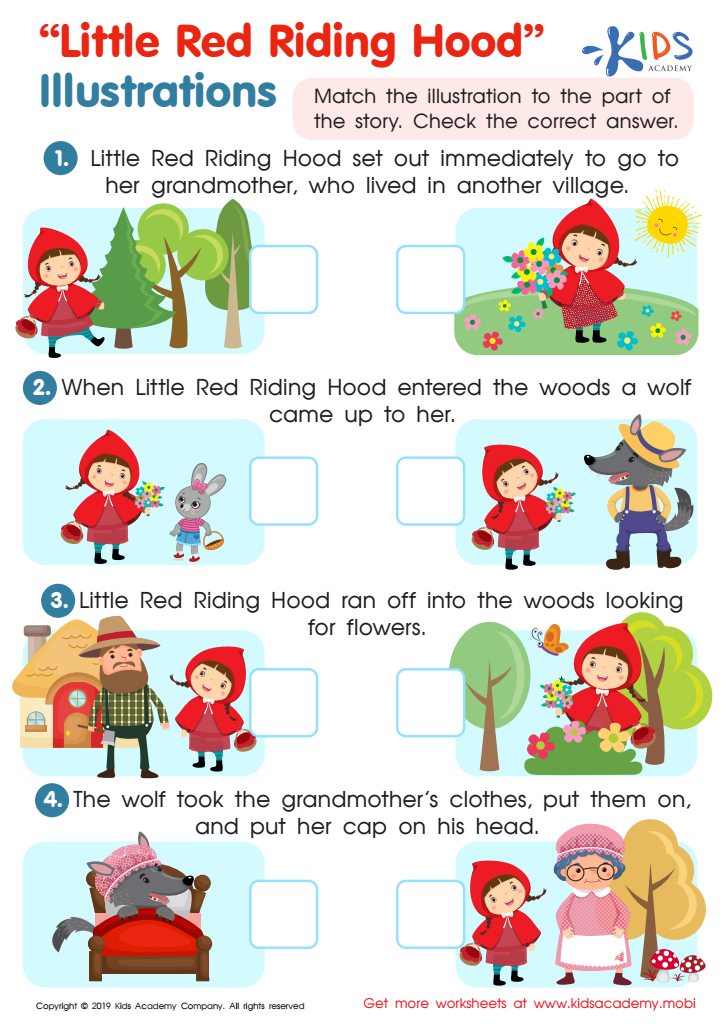
Little Red Riding Hood: Illustrations Worksheet
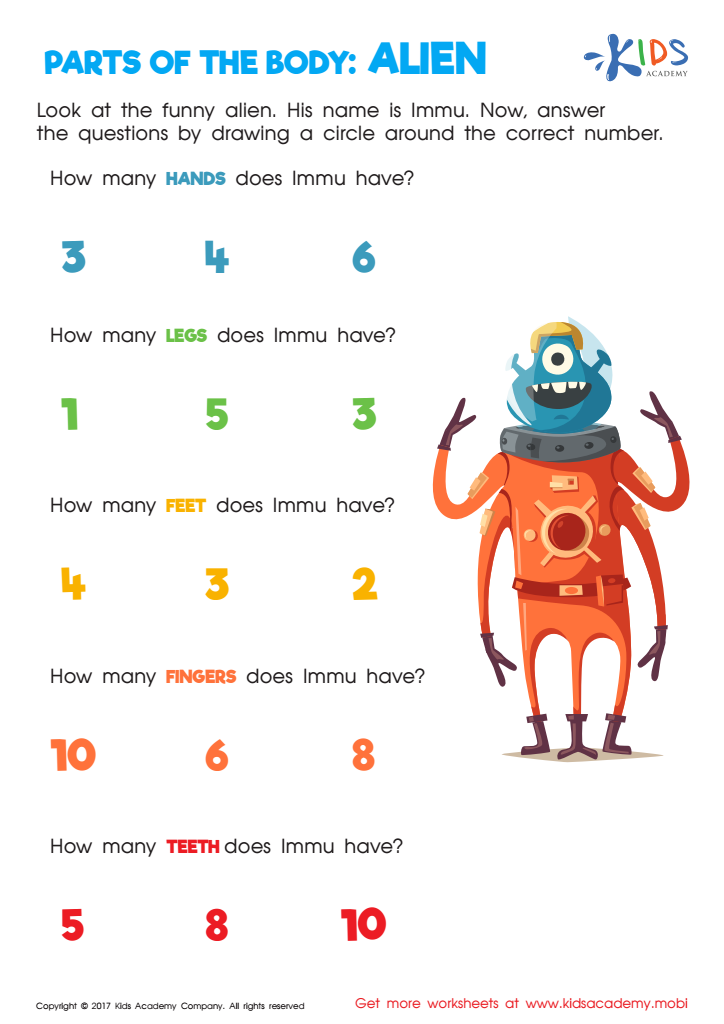
Alien Worksheet
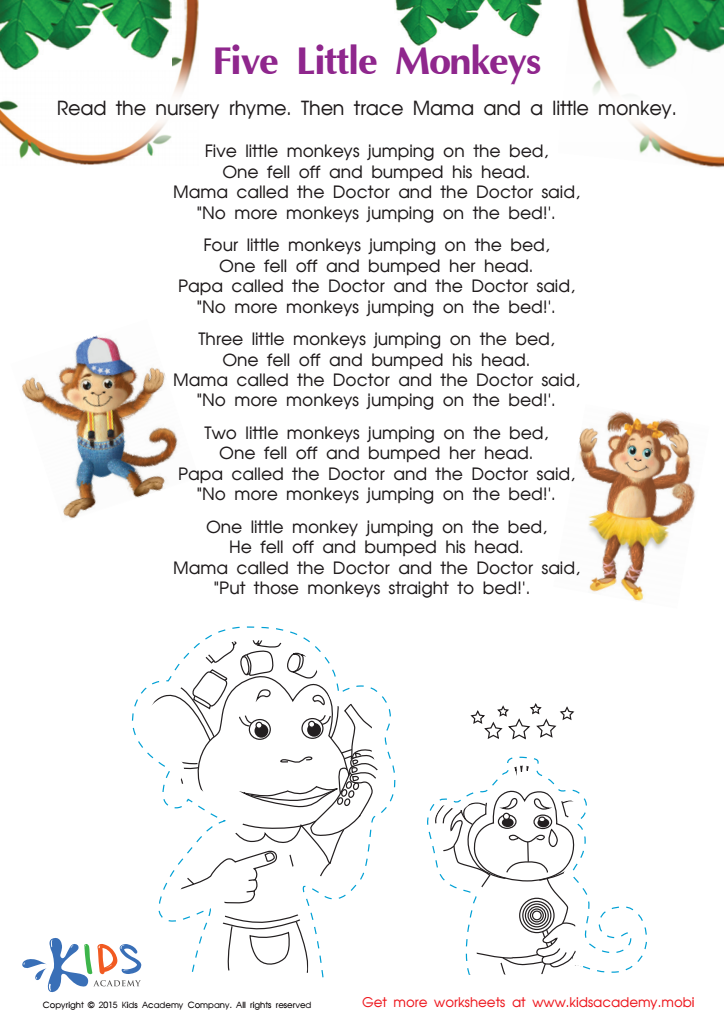
The Five Little Monkeys Nursery Rhyme Worksheet
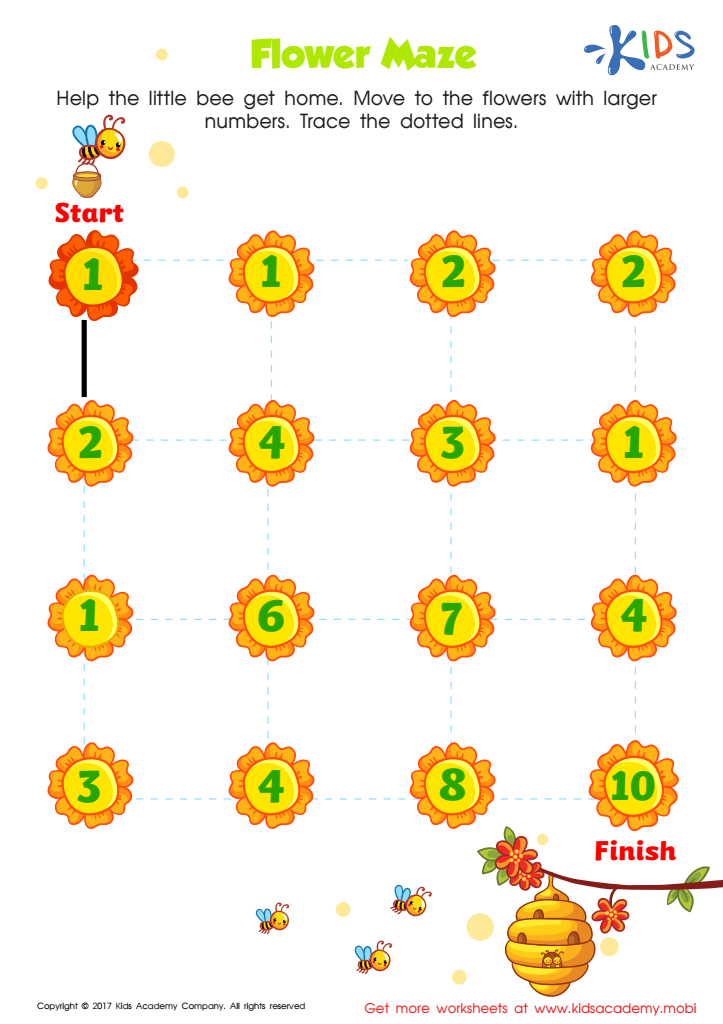
Number Maze For Kindergarten Printable
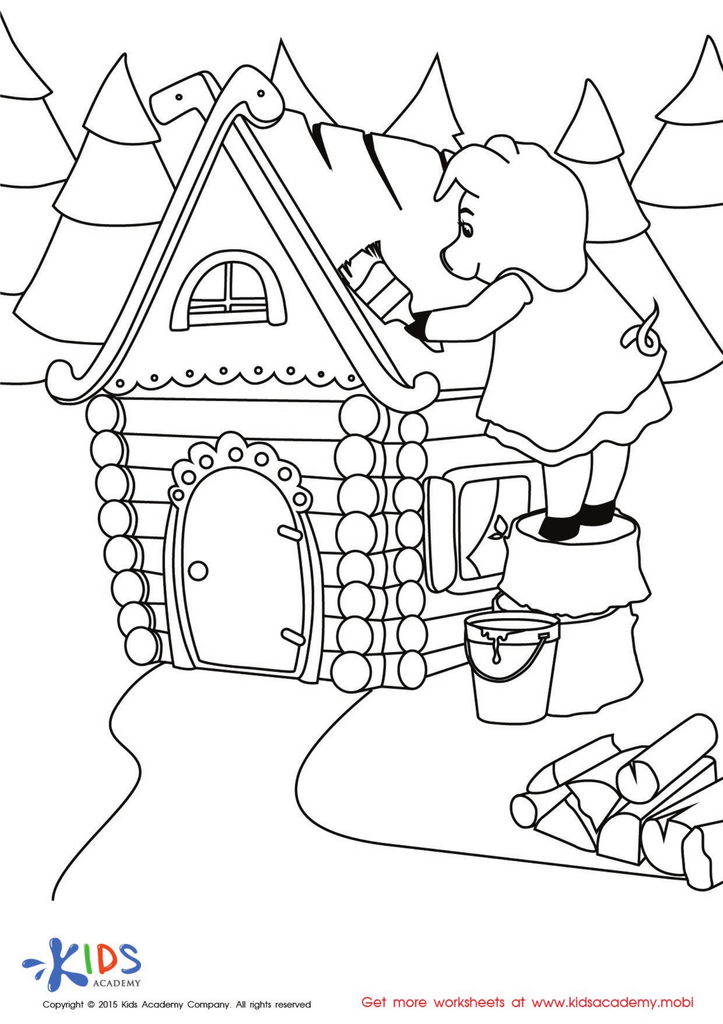
The Three Little Pigs Worksheet







Sequence understanding in 5-year-olds is crucial for their cognitive development and daily functioning. At this age, children begin to grasp how events follow one another and the importance of order. This foundational skill supports language development, as children learn to tell and comprehend stories, following a logical progression from beginning to middle to end. Additionally, sequence understanding enhances problem-solving abilities, helping young learners navigate tasks more efficiently by breaking them down into manageable steps.
The ability to put things in order is also integral to math skills, where children learn concepts like counting, patterns, and even basic addition and subtraction. When children can sequence events or objects, they foster a better grasp of time and spatial relationships, crucial for future learning.
Moreover, sequence understanding boosts social skills, as children learn to follow routines, understand rules, and cooperate with peers during play. By nurturing this skill, parents and teachers lay the groundwork for a child's success across various educational domains. Engaging in activities that involve sequencing—like storytelling, cooking, or organizing—can be both fun and educational. Ultimately, cultivating sequence understanding supports holistic development and sets the stage for lifelong learning and adaptability.








