Problem-Solving Skills Addition and Subtraction Word Problems Worksheets for 5-Year-Olds - Page 2
33 filtered results
-
From - To
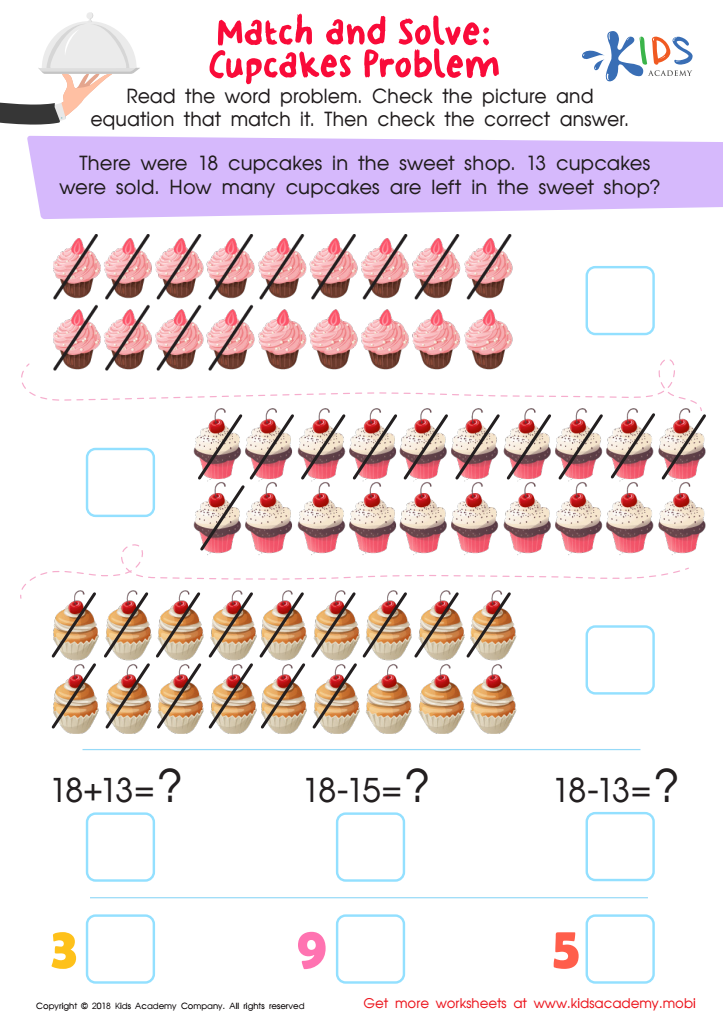
Match and Solve: Cupcakes Problem Worksheet
 Assign to My Students
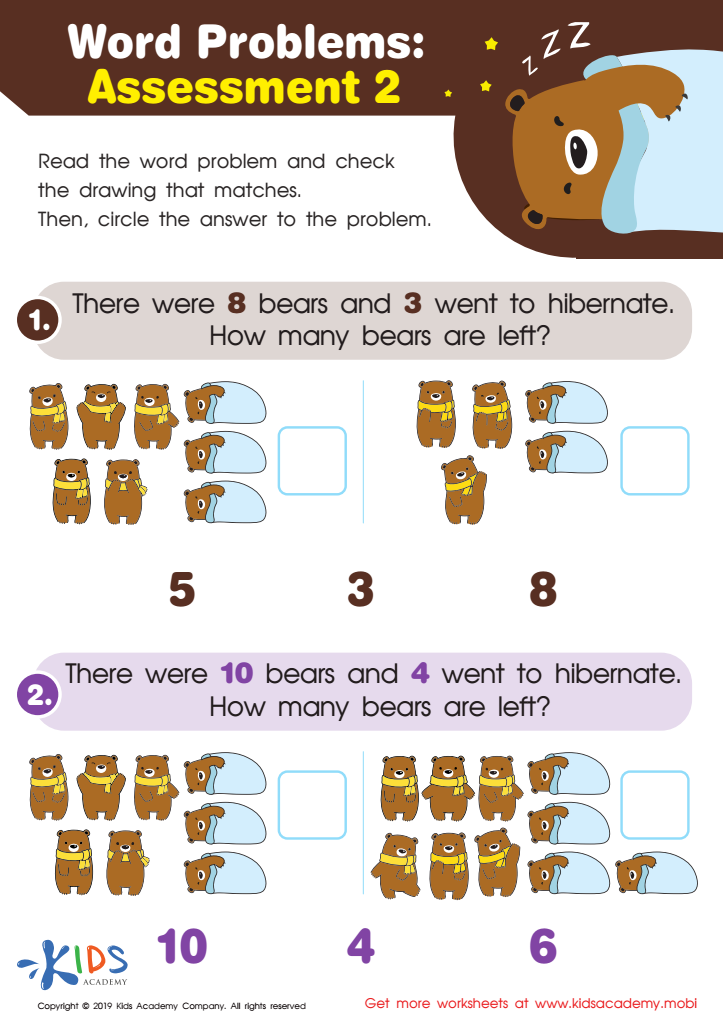
Word Problems: Assessment 2 Worksheet
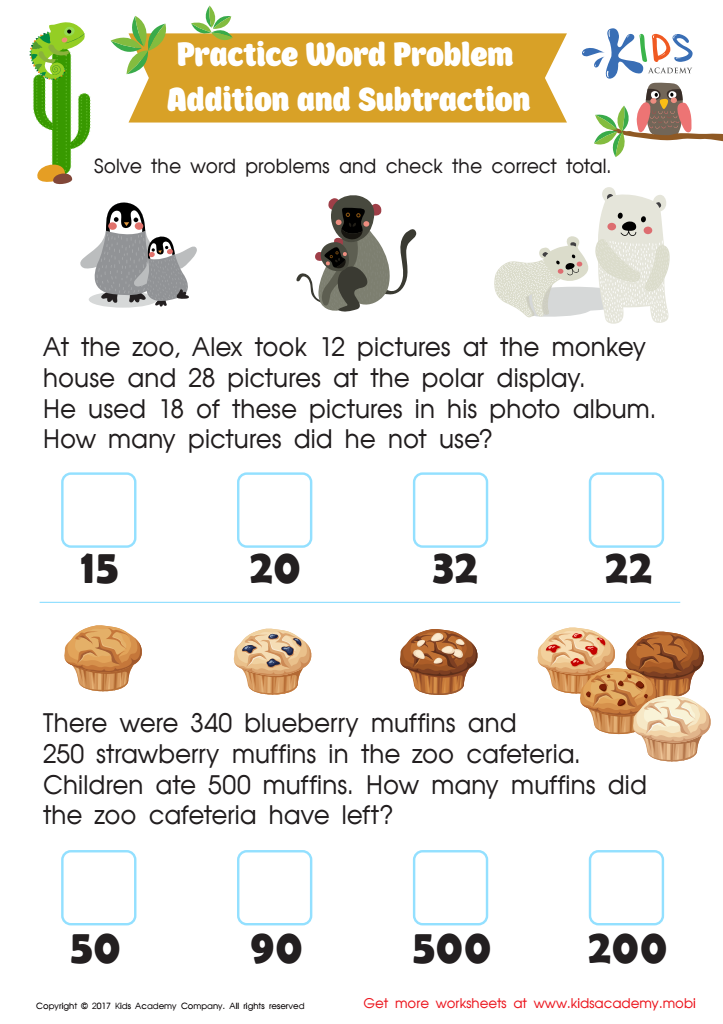
Addition and Subtraction: Word Problems Worksheet
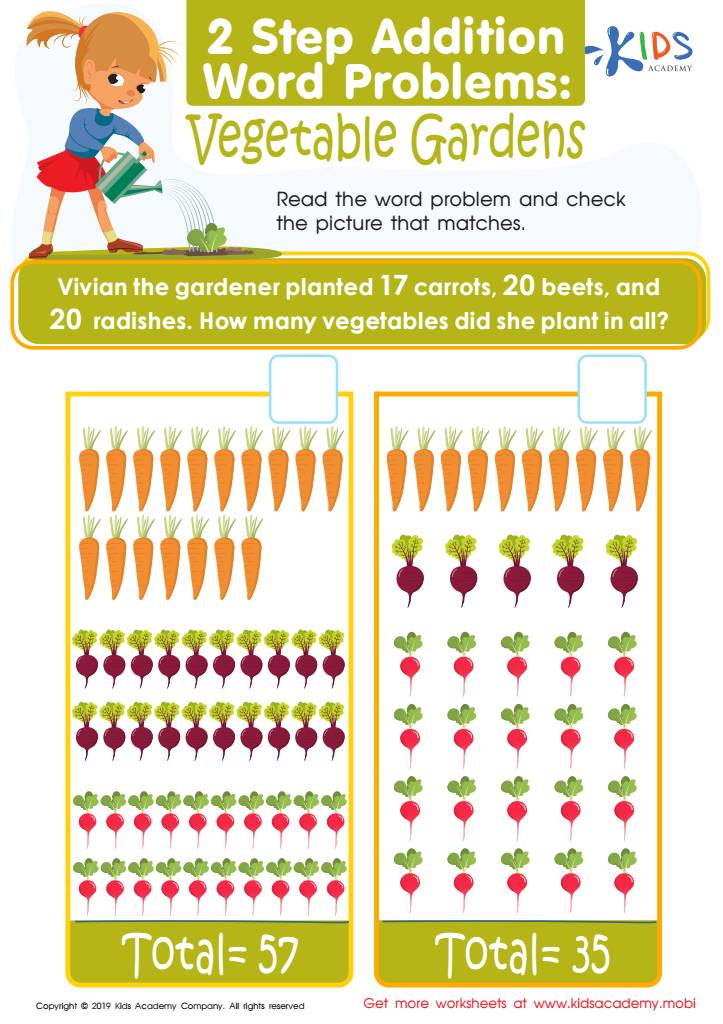
Vegetable Gardens Worksheet
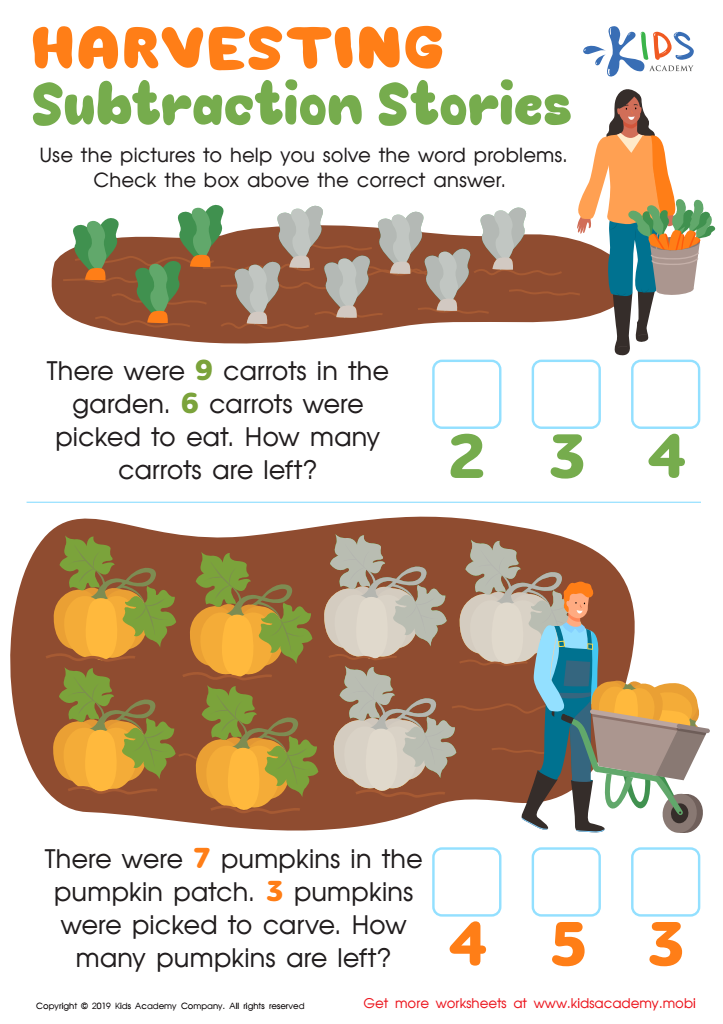
Harvesting Subtraction Stories Worksheet
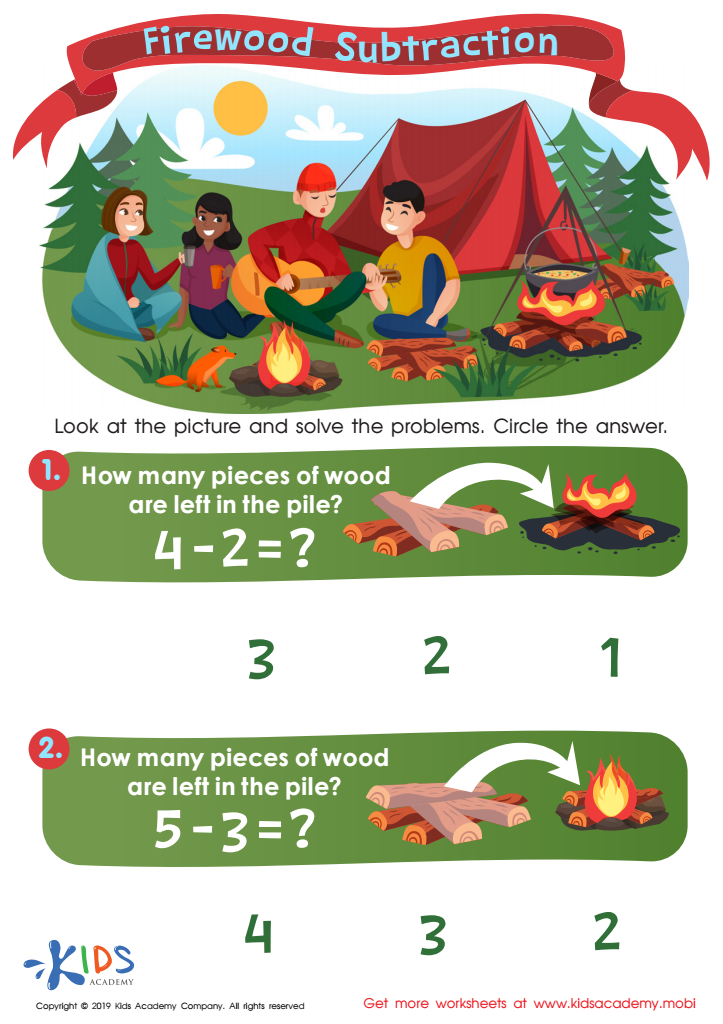
Firewood Subtraction Worksheet
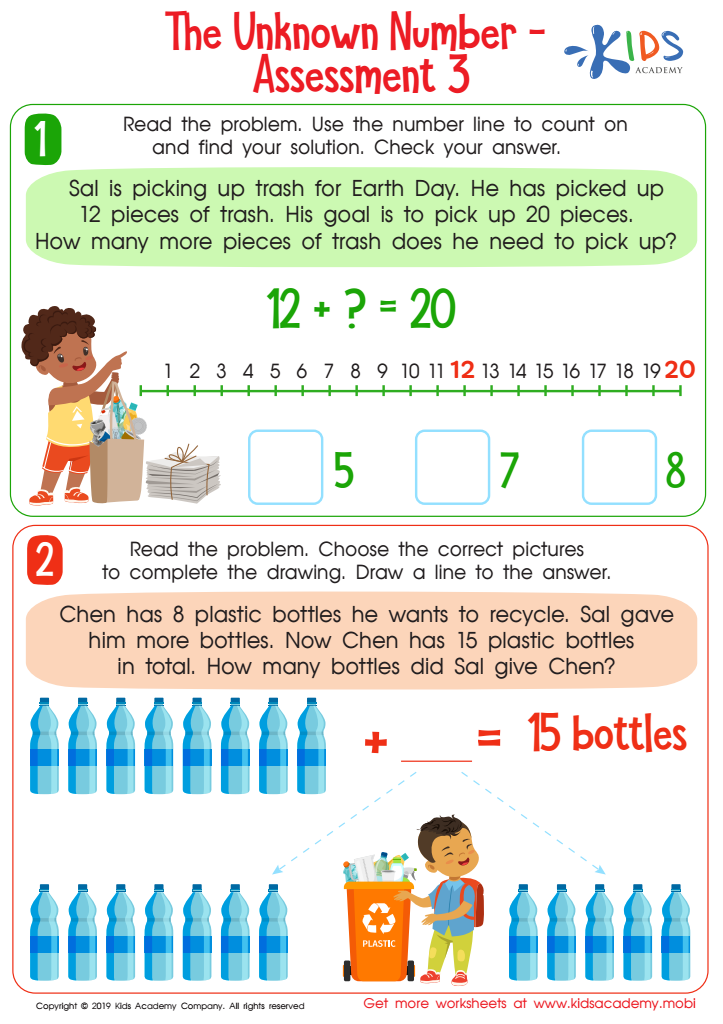
The Unknown Number - Assessment 3 Worksheet
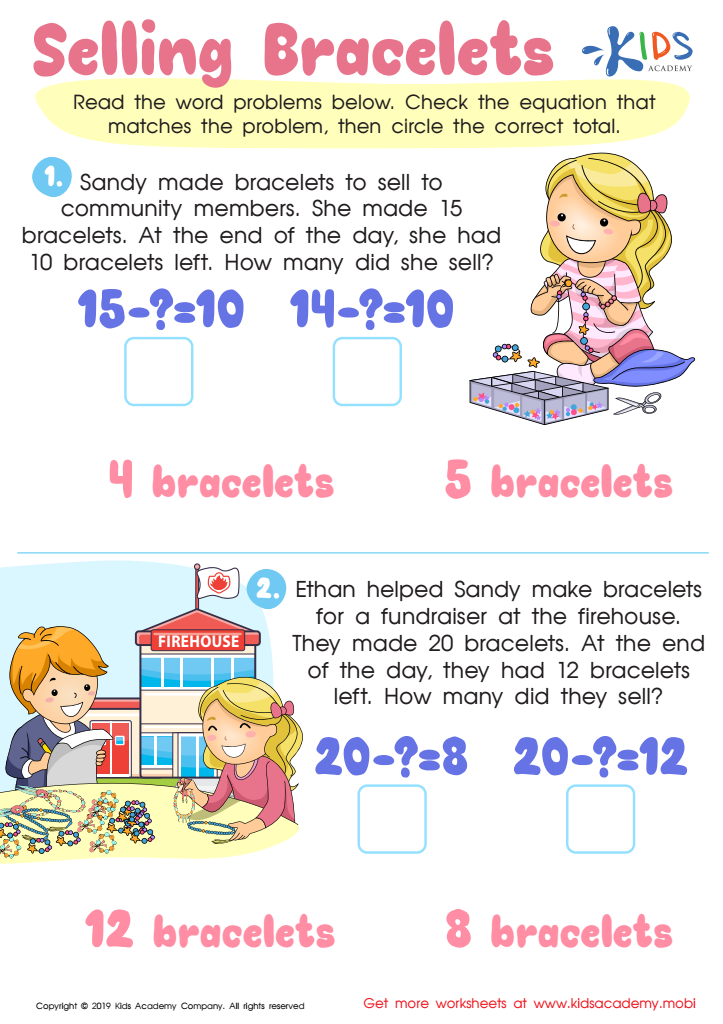
Selling the Bracelets Worksheet
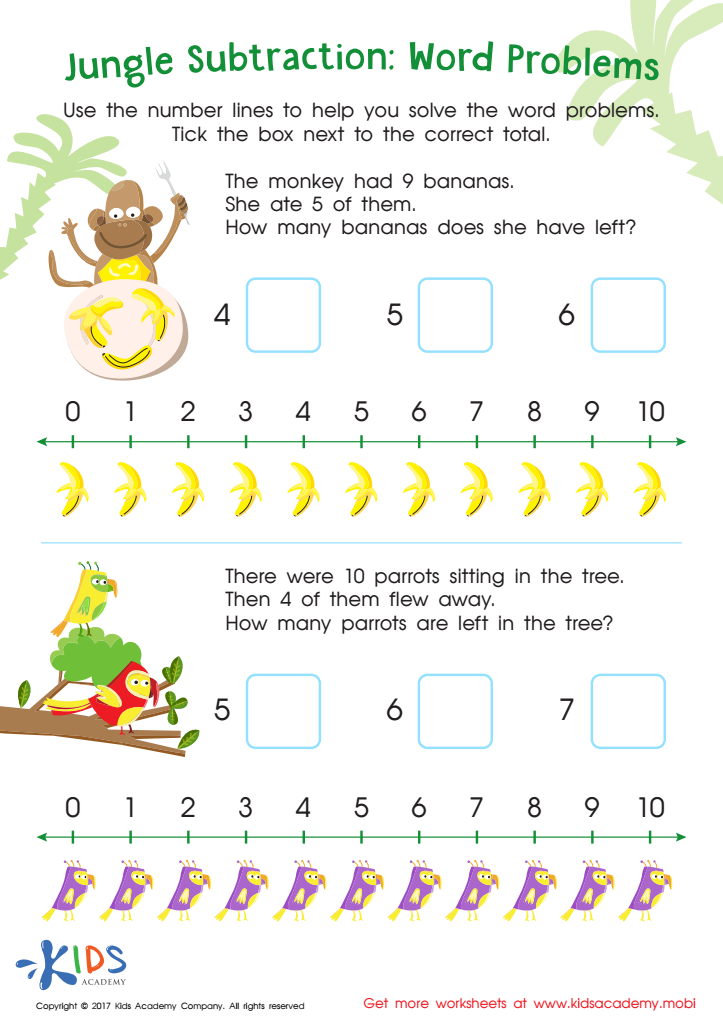
Jungle Subtraction Word Problems Substraction Worksheet








Parents and teachers should care about cultivating problem-solving skills in addition and subtraction for 5-year-olds because these foundational skills are crucial for cognitive development and future academic success. At this early age, children's brains are rapidly developing, and engaging in mathematical word problems encourages logical thinking, effective reasoning, and the ability to understand and manipulate numbers.
Introducing word problems helps young learners apply mathematical concepts to real-life situations. This context not just makes math relatable but also boosts their language comprehension as they decipher the scenarios. Early exposure to solving problems can enhance their curiosity, persistence, and confidence, enabling them to tackle more complicated subjects later on.
Furthermore, these activities promote crucial social development. Collaborative problem-solving encourages teamwork, communication, and even emotional regulation, as children navigate challenges and celebrate achievements with peers. Parents and teachers adopting a supportive approach can create a positive and stimulating educational environment, setting a strong groundwork for a child's lifelong love for learning.
Nurturing problem-solving abilities at this stage also aligns with key learning standards and prepares children for future academic endeavors, making a critical difference in their overall educational pathways. In summary, early investment in these skills is a building block for essential competencies in math and beyond.