Shape identification Geometry Worksheets for 5-Year-Olds
11 filtered results
-
From - To
Discover our engaging Shape Identification Geometry Worksheets tailored for 5-year-olds! These free printable resources provide a fun and interactive way for young learners to explore basic shapes like circles, squares, triangles, and rectangles. With colorful illustrations and simple activities, children enhance their spatial awareness and develop essential early math skills. Our worksheets promote hands-on learning, allowing kids to recognize, draw, and sort shapes effortlessly. Ideal for both classroom settings and at-home learning, these resources support the development of critical thinking and fine motor skills while making learning enjoyable. Dive into the world of geometry with these delightful worksheets today!
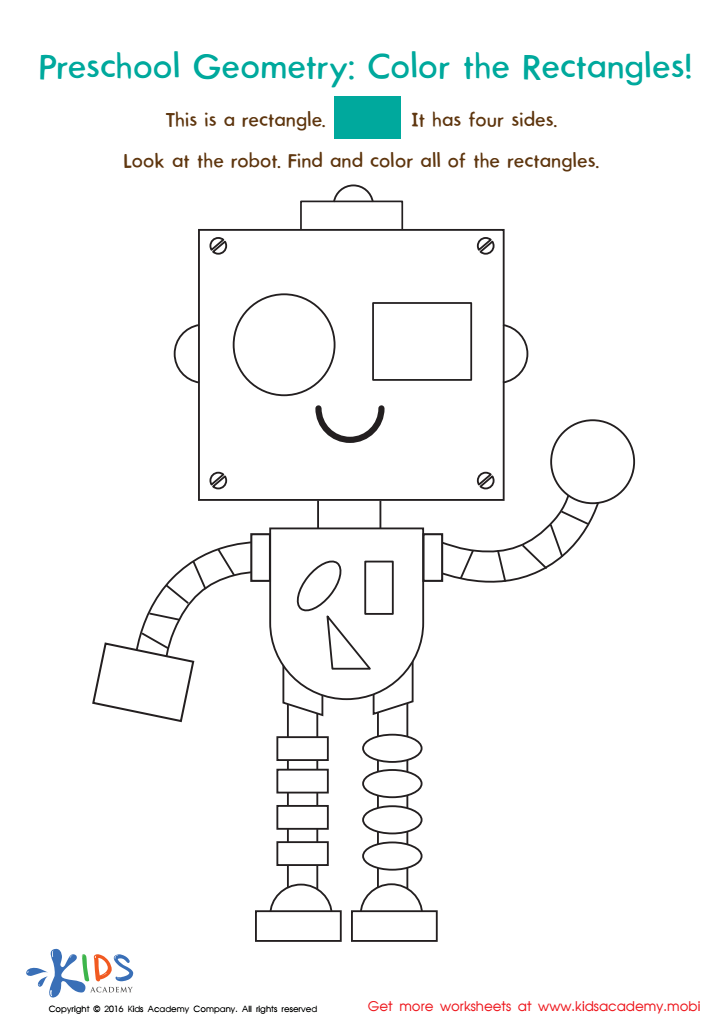
Geometry Worksheet
 Assign to My Students











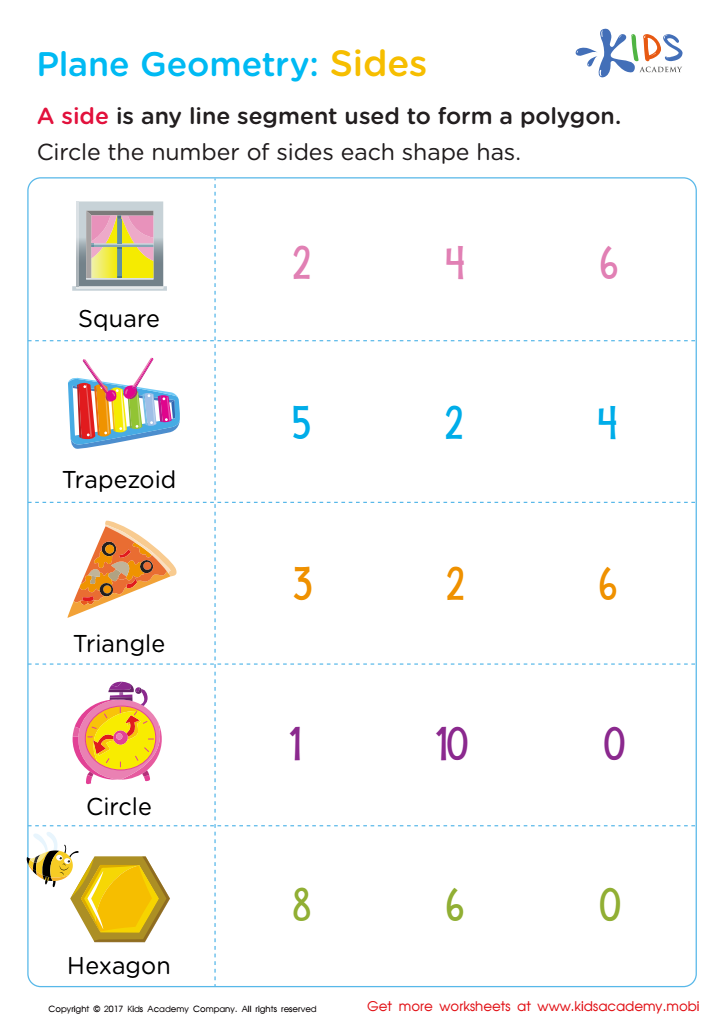
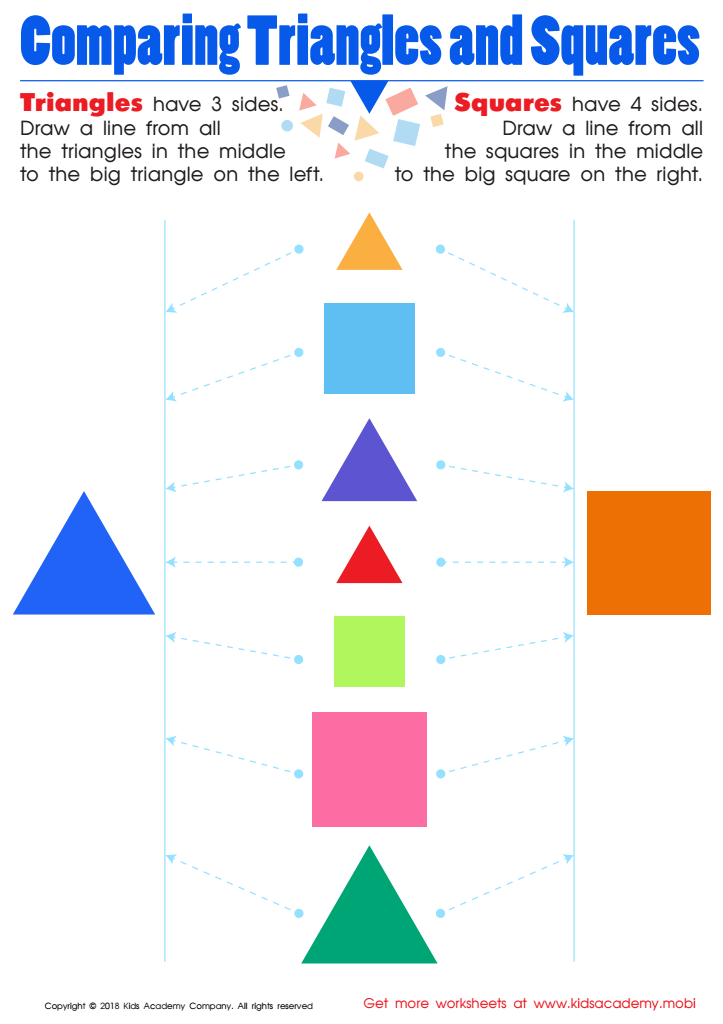
Comparing Triangles Squares Worksheet
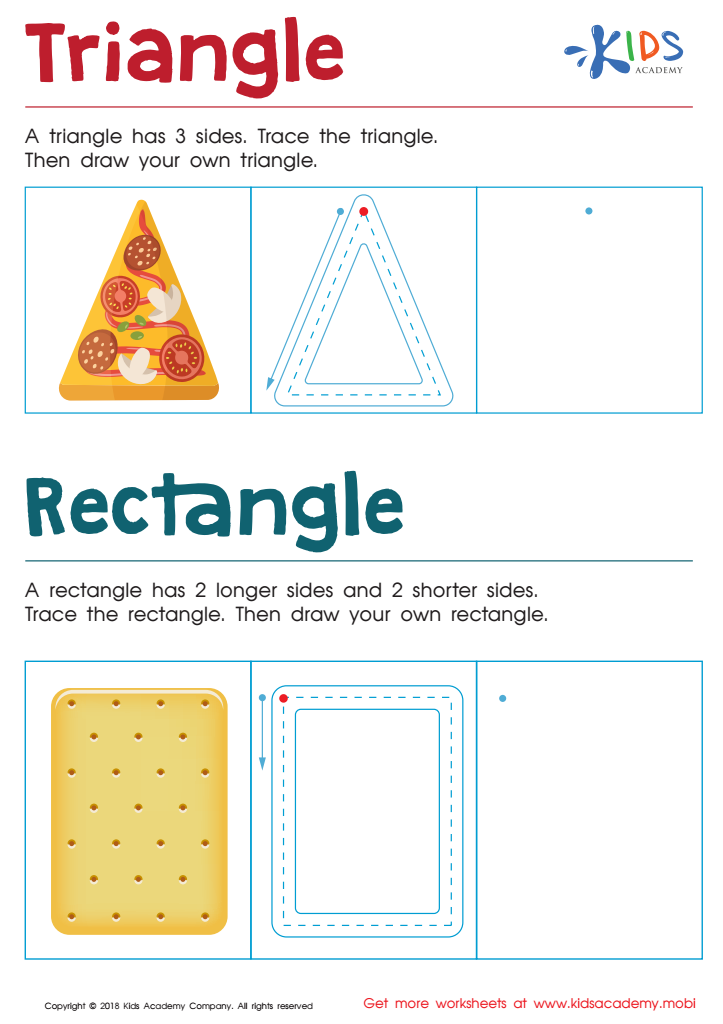
Triangle Rectangle Worksheet
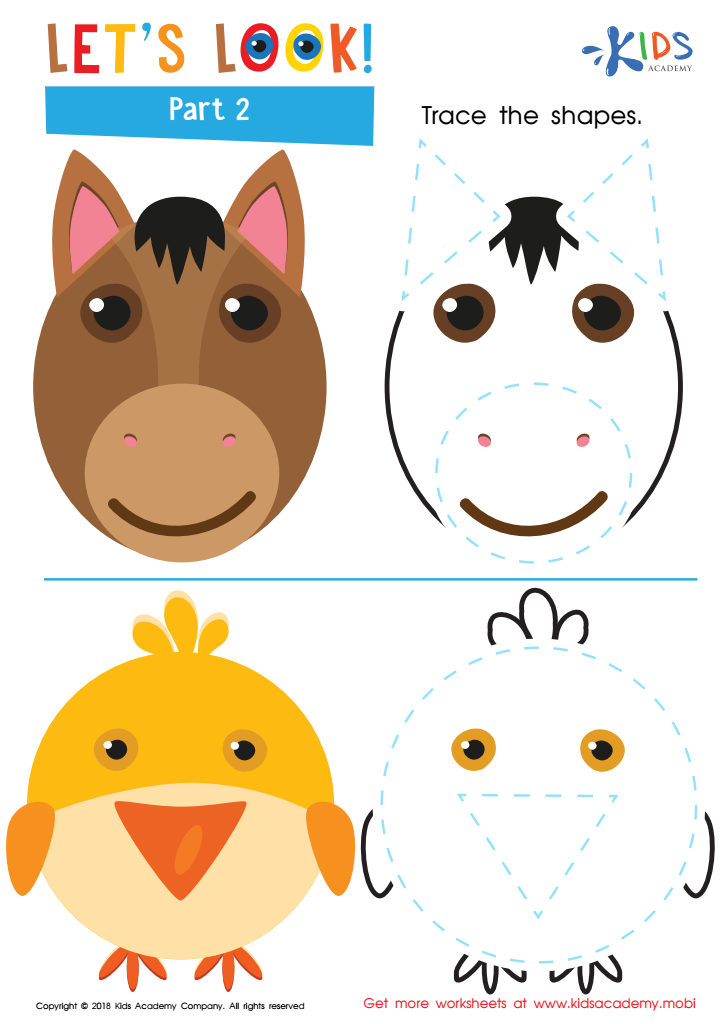
Let's Look! Part 2 Worksheet
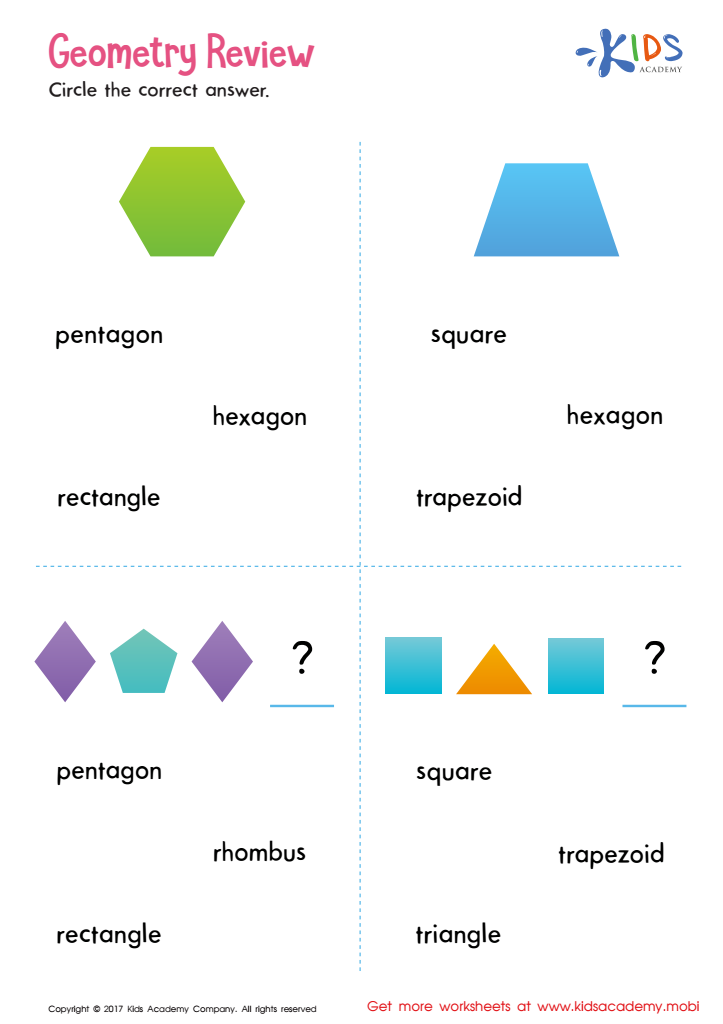
Geometry Review Printable
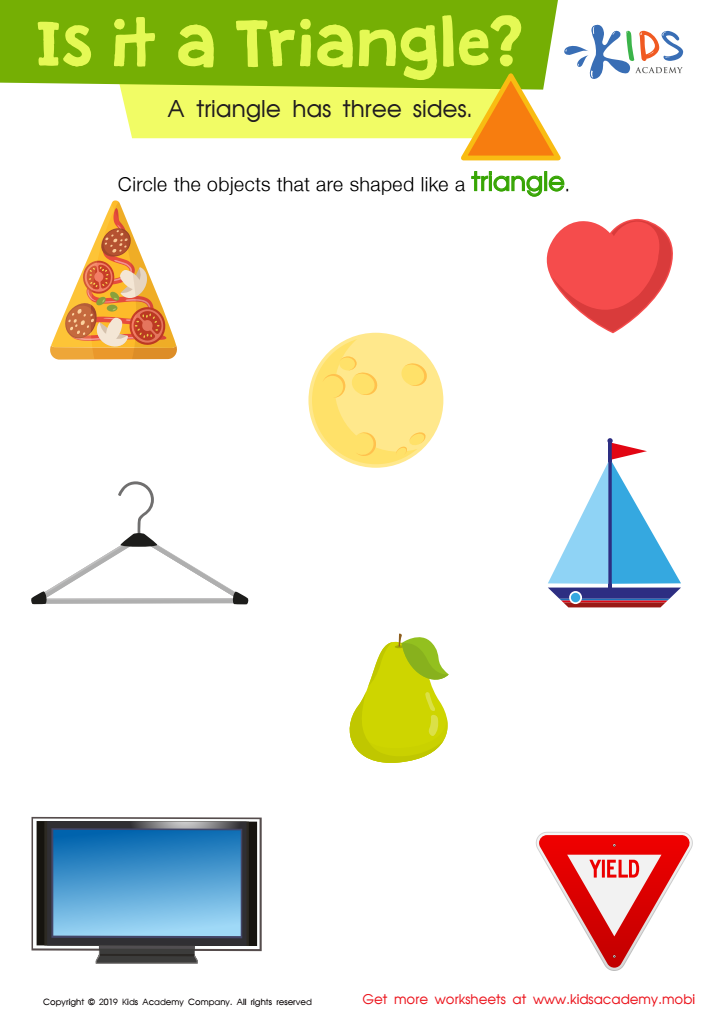
Is It a Triangle? Worksheet
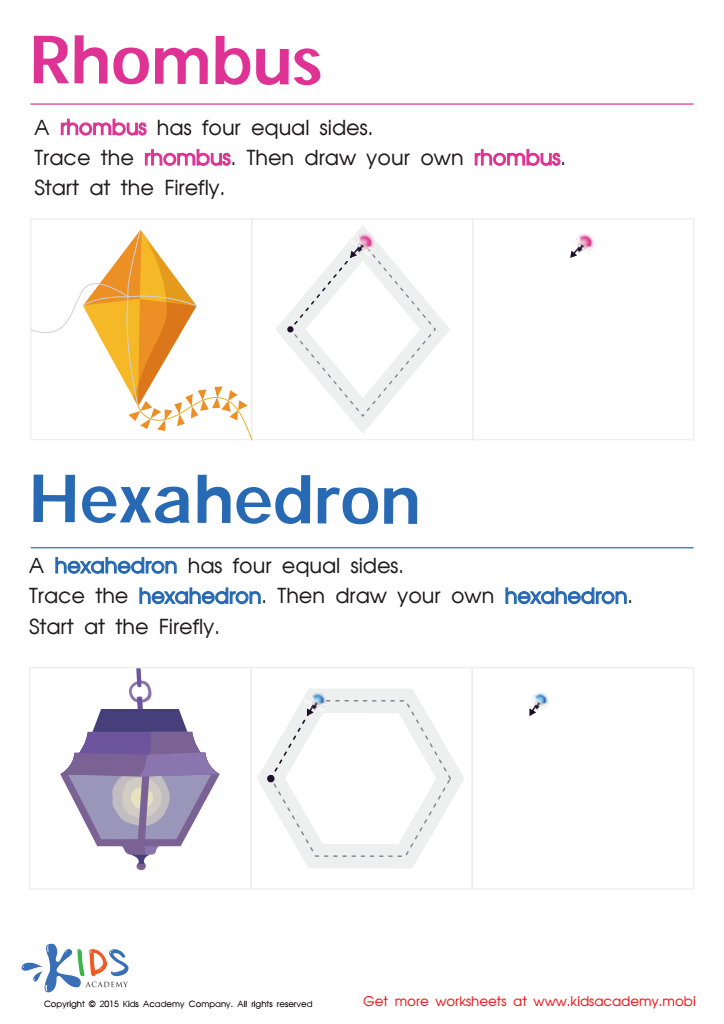
Draw a Rhombus And a Hexahedron Printable
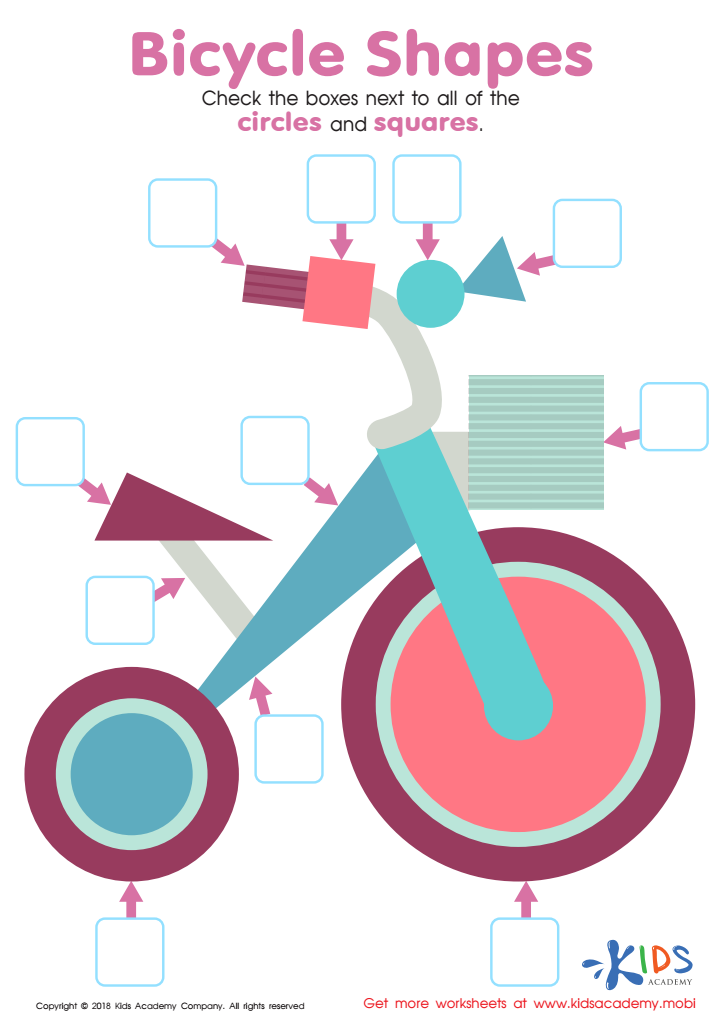
Bicycle Shapes Worksheet
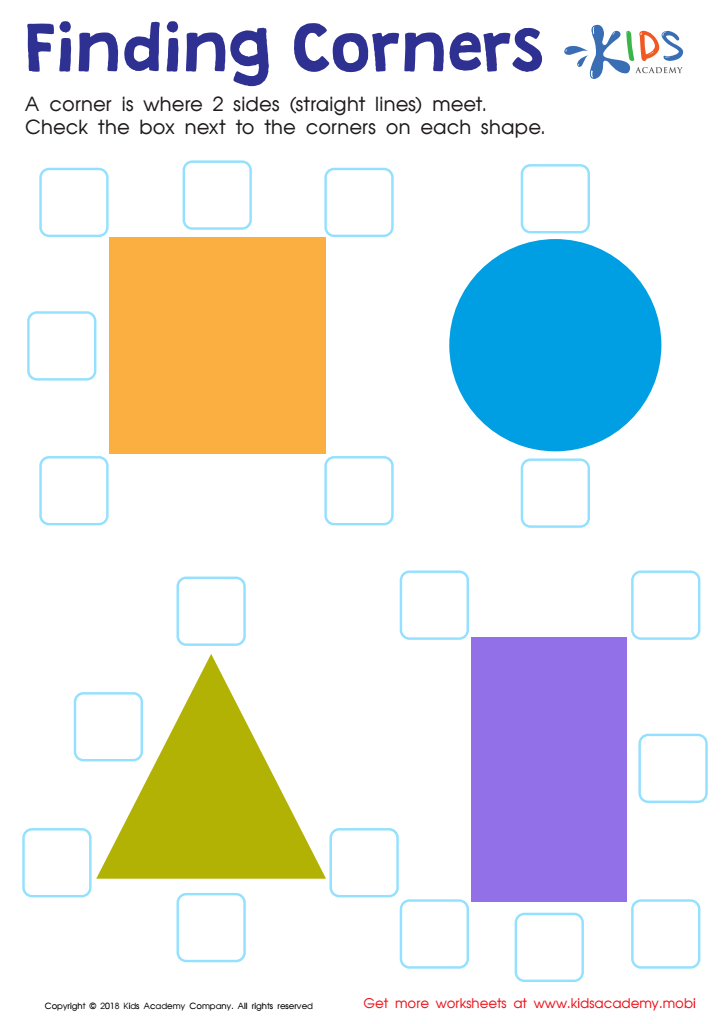
Finding Corners Worksheet
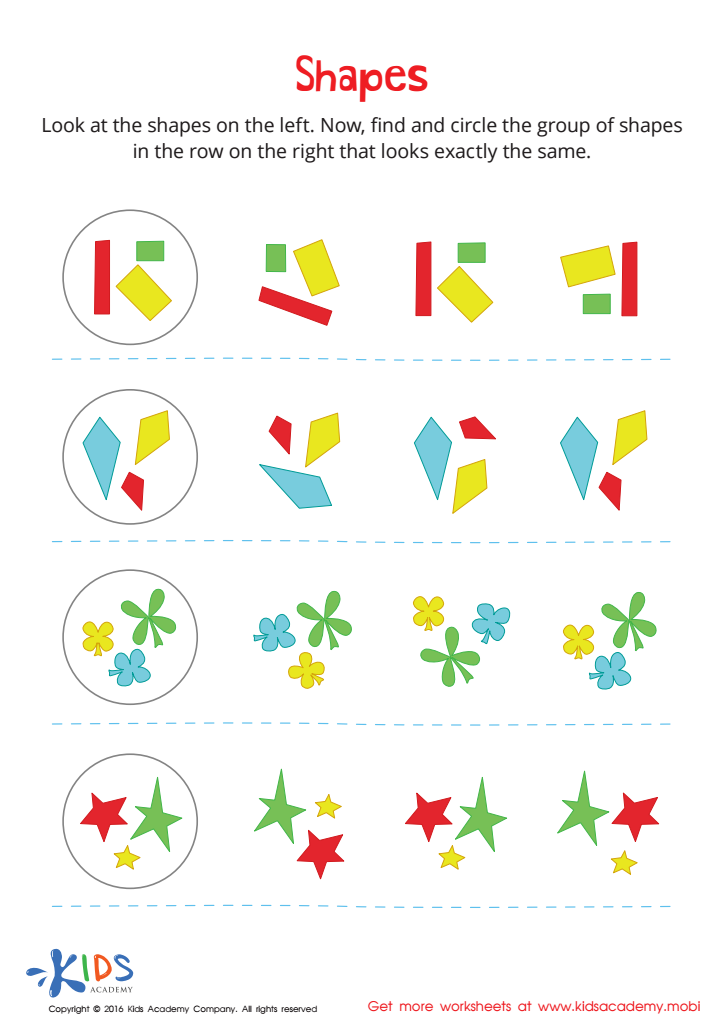
Shapes Worksheet








Shape identification geometry is crucial for 5-year-olds as it lays the foundation for their cognitive development and helps them make sense of the world around them. At this age, children are naturally curious and eager to explore their environment. Understanding shapes enables them to recognize patterns, make connections, and enhance their spatial awareness, which are fundamental skills for problem-solving.
Moreover, shape identification contributes to early math literacy. It helps children learn basic geometric concepts and terminology, sets the stage for addition and subtraction, and improves their ability to classify and organize information. Through activities involving shape recognition, children practice fine motor skills, develop critical thinking abilities, and engage in hands-on learning.
Parents and teachers play a vital role in fostering this aspect of learning. By interacting with children using everyday objects, toys, and games that involve shapes, they can make learning fun and meaningful. Encouraging shape identification not only boosts a child's confidence in their academic abilities but also inspires a life-long appreciation for math and geometry. Ultimately, nurturing these skills early on supports overall cognitive growth and lays the groundwork for future learning in science, art, and everyday problem-solving.








