Fine Motor Skills Rhyming Words Worksheets for 5-Year-Olds
4 filtered results
-
From - To
Discover our engaging Fine Motor Skills Rhyming Words Worksheets for 5-Year-Olds at Kids Academy! Specially designed for preschoolers, these printable worksheets combine the joy of rhyming activities with essential fine motor skill development. Your child will enhance their reading readiness and hand dexterity through fun, educational exercises. Perfect for little hands, these worksheets include tracing, cutting, and coloring activities to strengthen fine motor skills while learning to recognize rhyming words. Support your child's early literacy journey with our comprehensive and playful resources. Visit us now to explore and download these activity-packed worksheets!
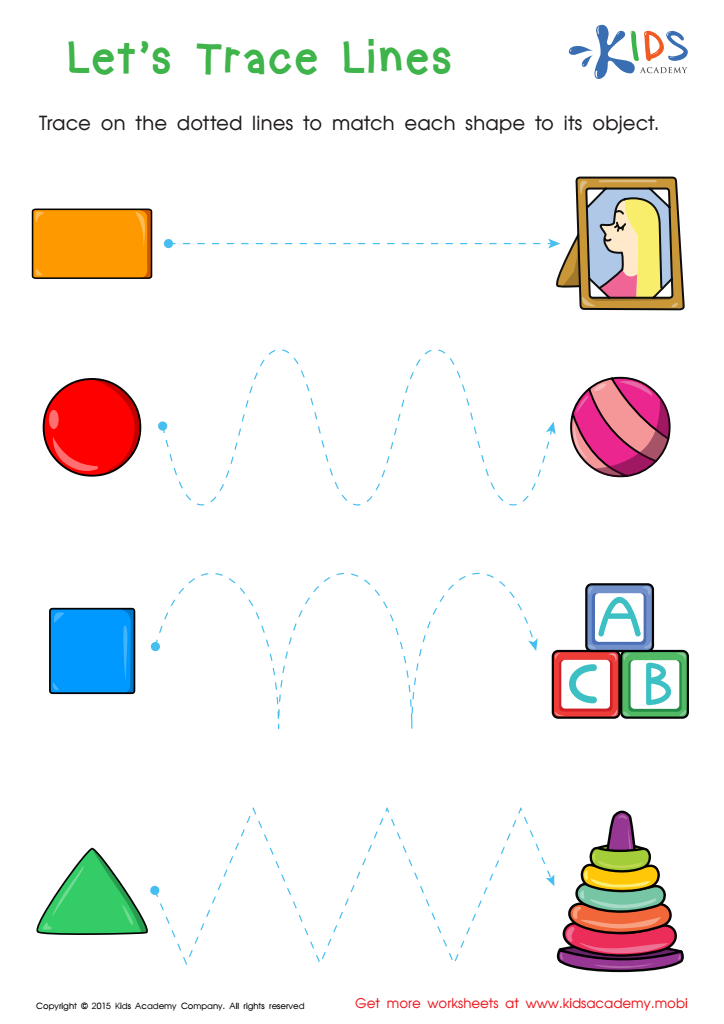
First Words: Let's Trace Lines Worksheet
 Assign to My Students
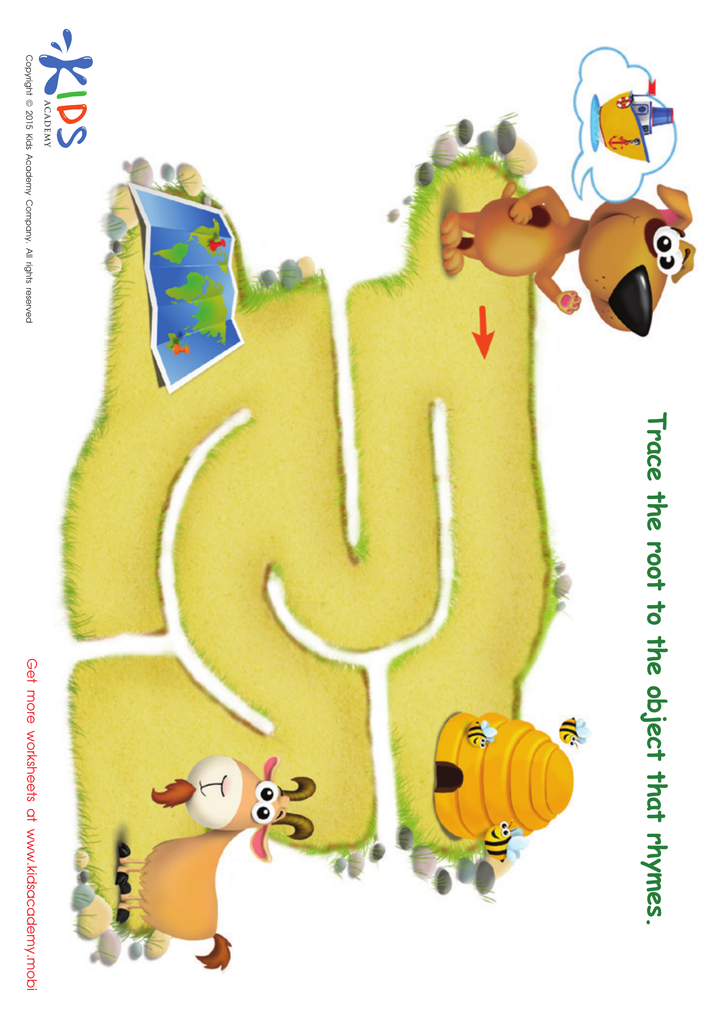
Boat Rhyming Words Worksheet
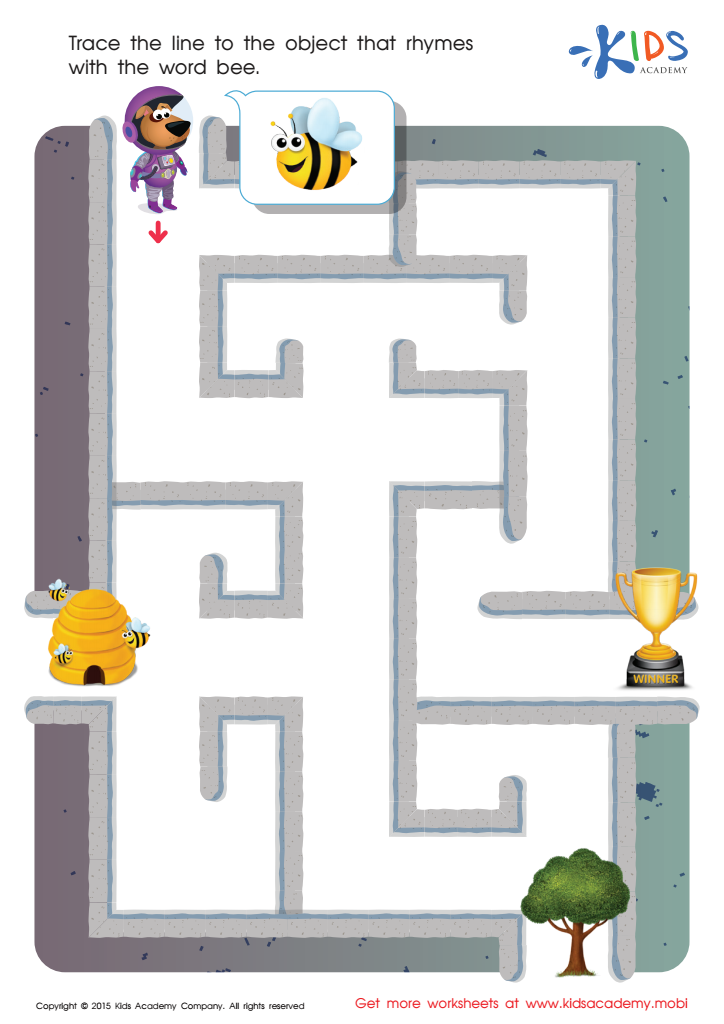
Bee Rhyming Words Worksheet
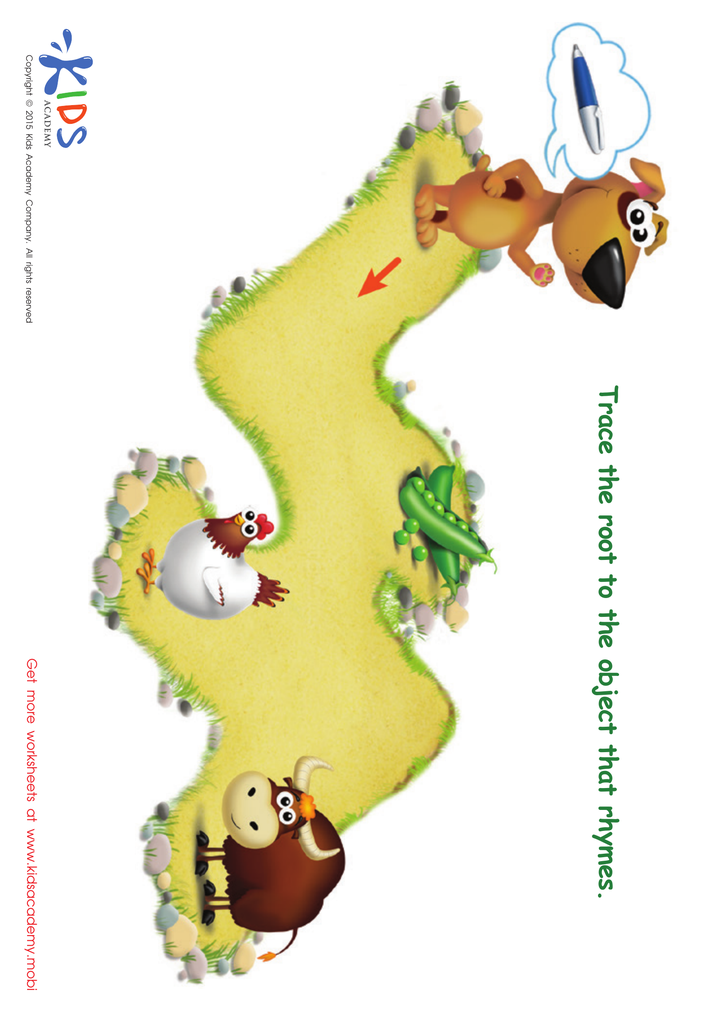
Pen Rhyming Words Worksheet








Fine motor skills and rhyming words are both crucial components of early childhood development for 5-year-olds. Fine motor skills, which involve the coordination of small muscles in the hands and fingers, enable children to perform tasks like writing, drawing, and buttoning clothes. These skills are foundational for academic success and day-to-day activities, fostering independence and self-confidence. By engaging in activities that develop fine motor skills, such as cutting paper, threading beads, or playing with clay, children enhance their hand-eye coordination and muscle control, which are vital for their readiness to start school and take on more complex tasks.
Equally important is the development of language skills, particularly through rhyming words. Rhyming helps children recognize sound patterns, which is essential for phonemic awareness—a key precursor to reading and spelling proficiency. When children practice rhyming, they learn to hear and manipulate sounds within words, which aids in decoding and word recognition. These language activities also expand vocabulary and promote auditory discrimination, enabling children to differentiate between sounds. Sharing rhyming songs, poems, and stories with young learners not only makes learning fun but also lays a strong foundation for future literacy skills. Thus, parents and teachers should prioritize these areas to support the holistic development of their children and students.








