Enhancing observation skills Science Worksheets for 5-Year-Olds
6 filtered results
-
From - To
Unlock your child's curiosity with our "Enhancing Observation Skills Science Worksheets for 5-Year-Olds"! Designed to foster critical thinking and keen observation, these engaging worksheets encourage young learners to explore the world around them. Each activity promotes hands-on learning through fun exercises, helping kids identify patterns, describe their surroundings, and boost their sensory awareness. Perfect for at-home or classroom use, our resources align with early education standards to support cognitive development. Give your child the tools they need to observe, question, and discover—making science an exciting adventure! Download now and watch their observation skills soar!
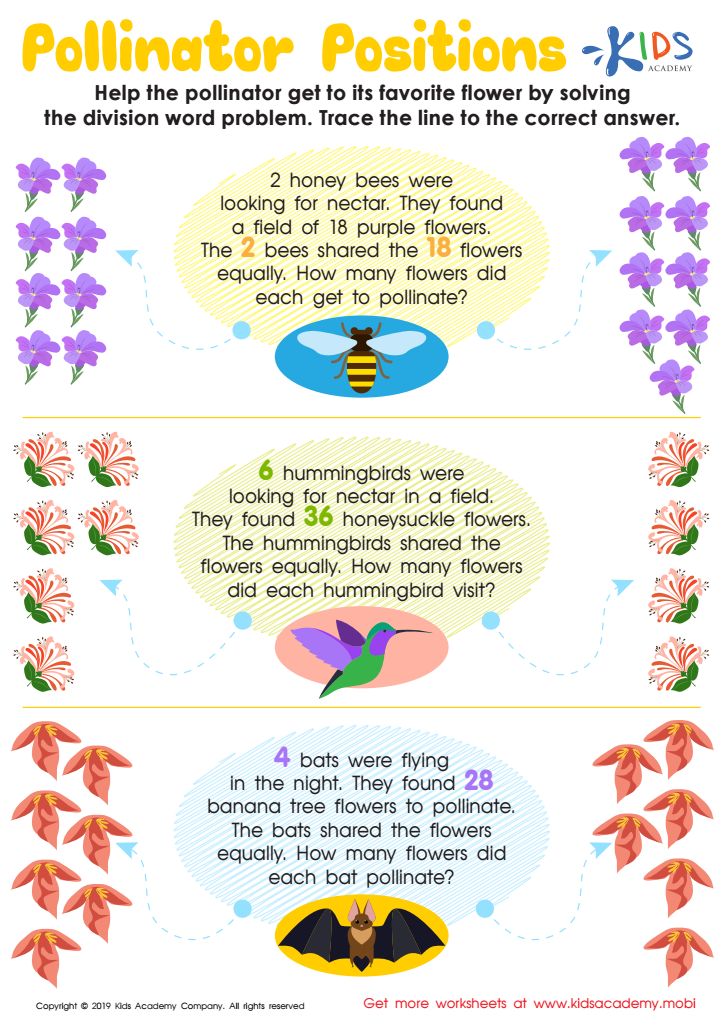
Pollinator Positions Worksheet
 Assign to My Students
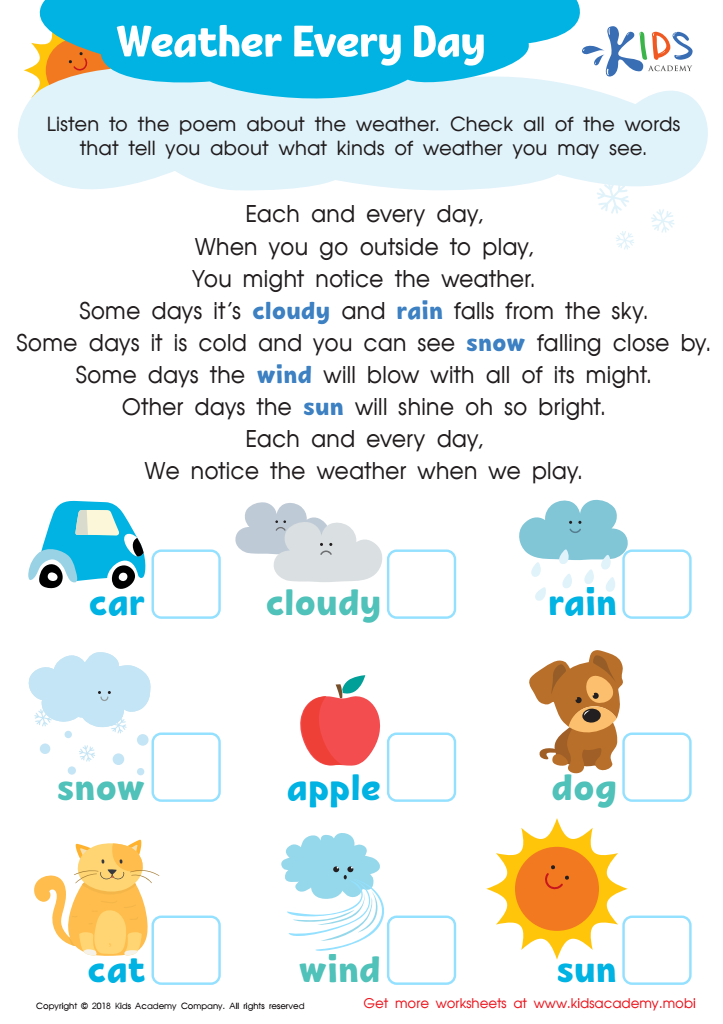
Weather Every Day Worksheet
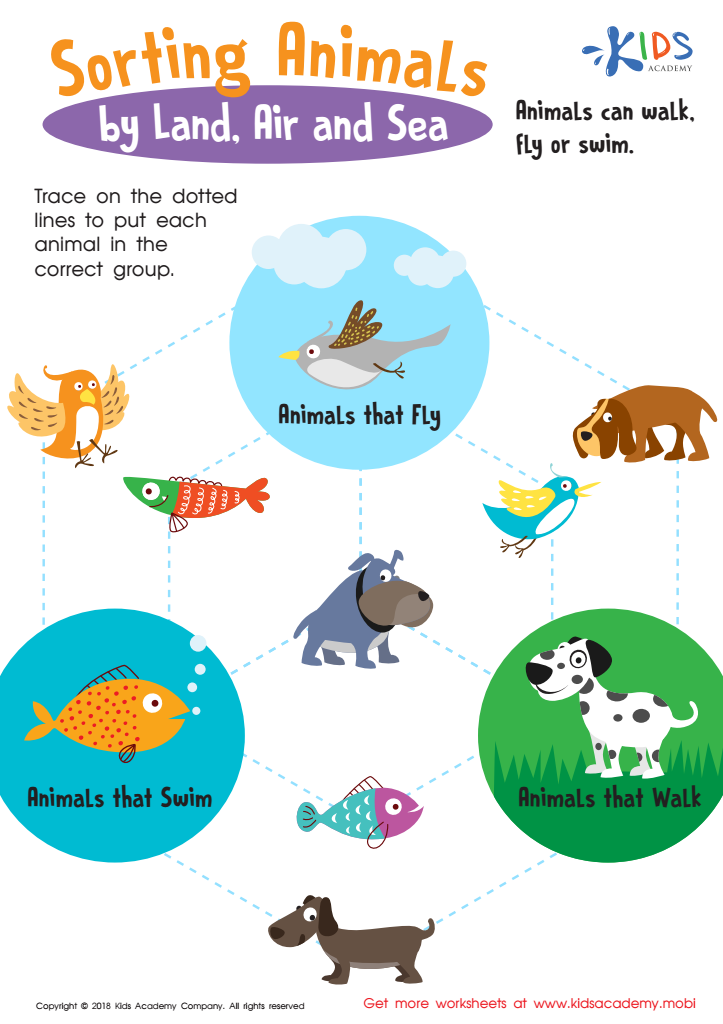
Sorting Animals by Land, Air and Sea Worksheet
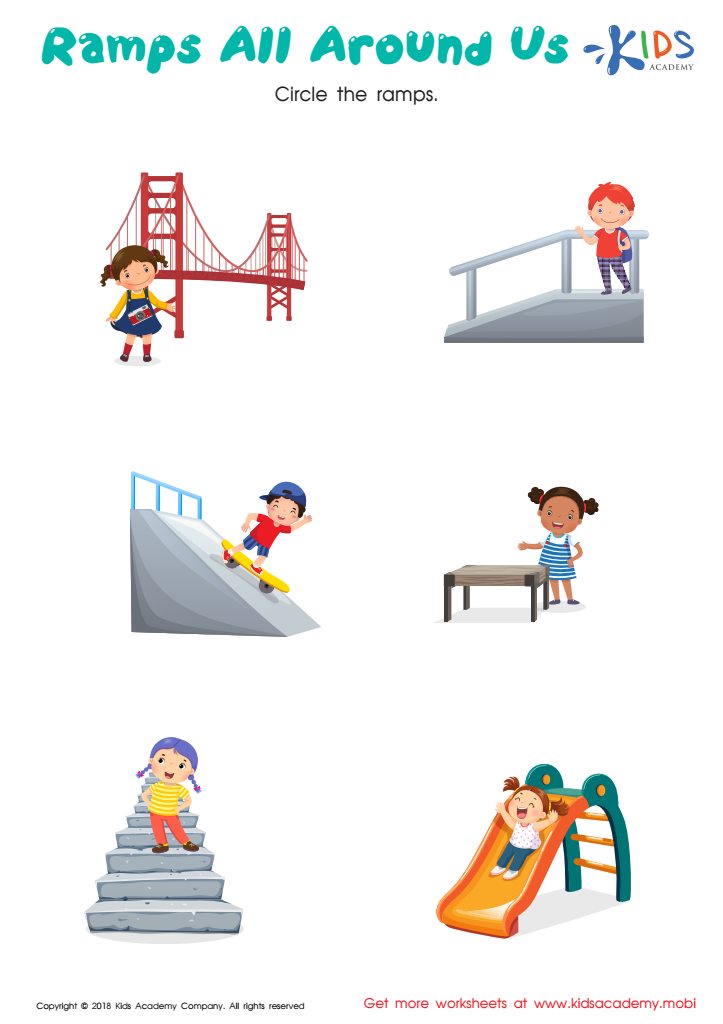
Ramps All Around us Worksheet
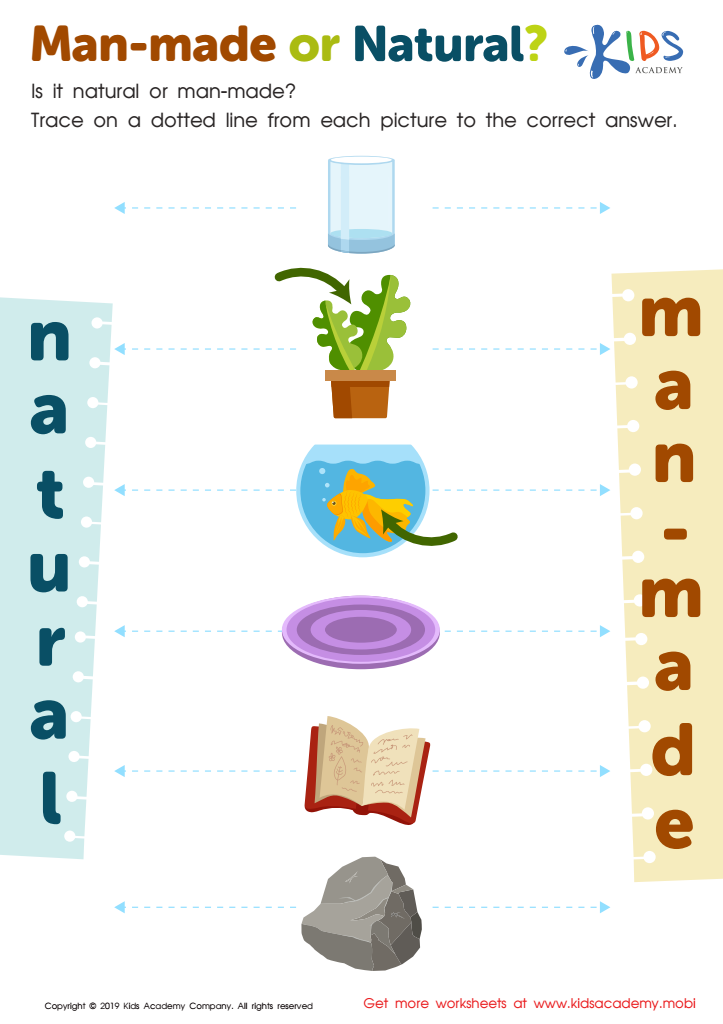
Man-Made or Natural? Worksheet
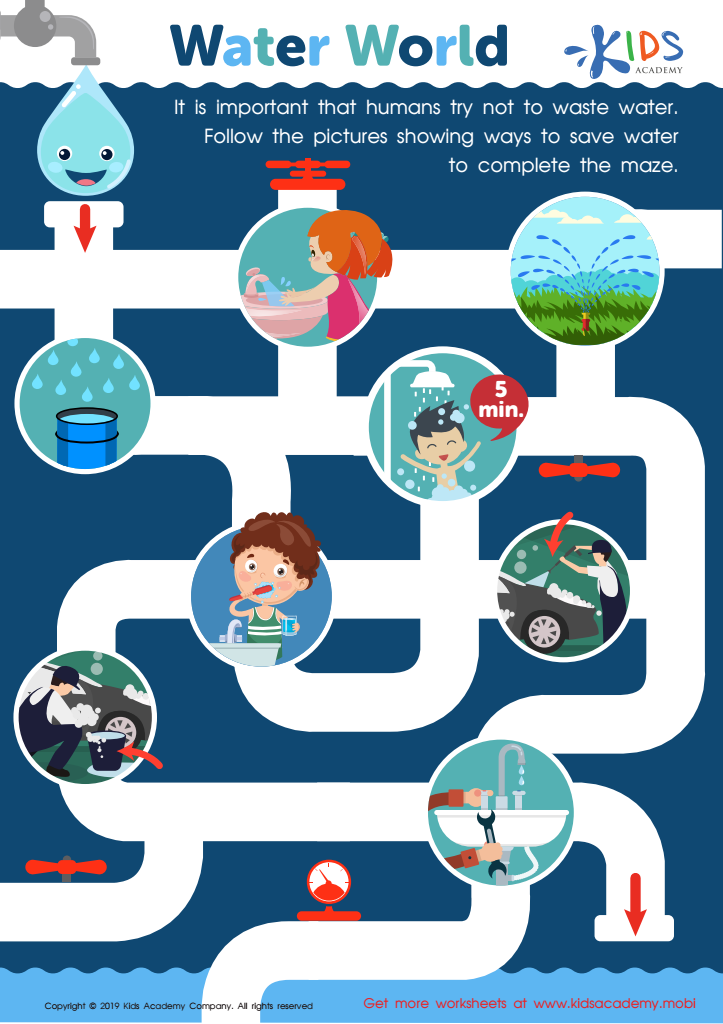
Water World Worksheet




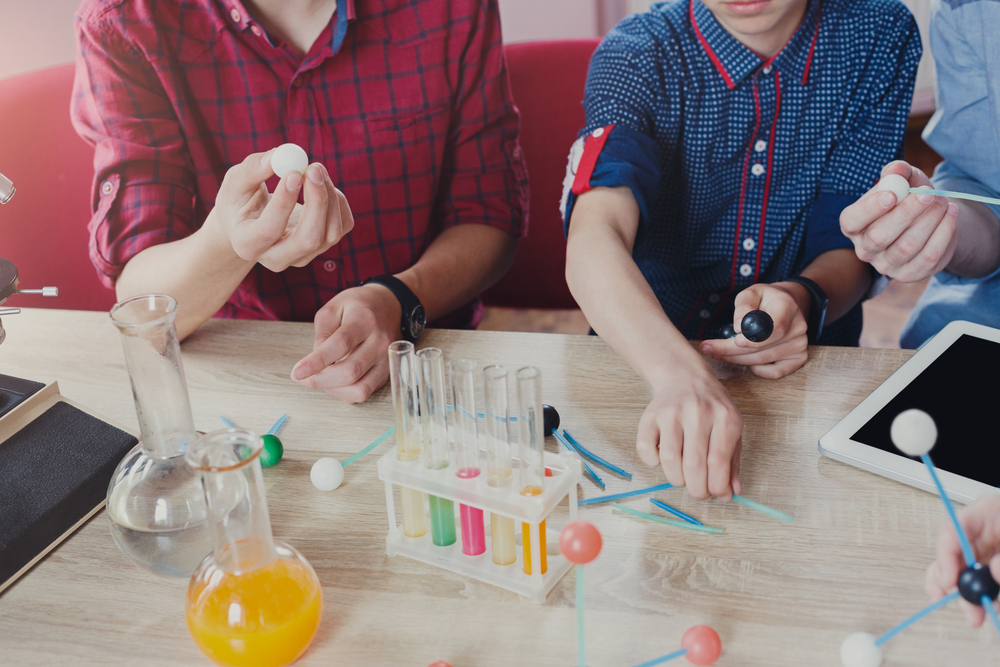

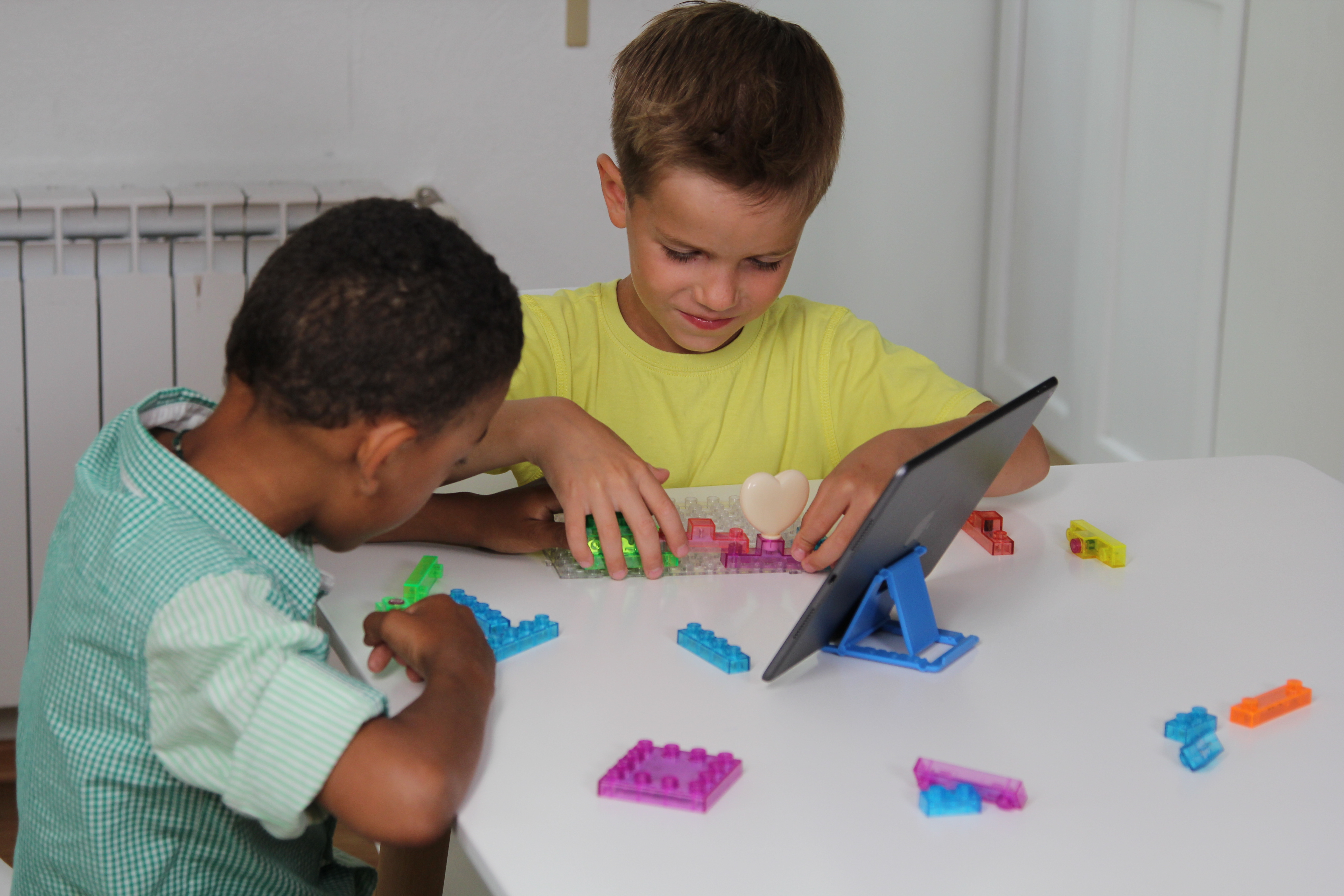
Enhancing observation skills in five-year-olds is fundamental for their cognitive, social, and emotional development. During this critical stage, children use their senses to explore the world, making observations that form the foundation for their understanding of scientific concepts. Developing these skills allows young learners to notice details, ask questions, and make connections between their thoughts and observations—a vital aspect of scientific inquiry.
For parents and teachers, improving observation skills can foster creativity and curiosity. When children learn to carefully observe their surroundings, they engage more deeply with their environment, which promotes critical thinking. It encourages them to anticipate outcomes, test hypotheses, and understand cause-and-effect relationships, laying the groundwork for future STEM (Science, Technology, Engineering, and Math) learning.
Observation skills also build important social skills; as children discuss their findings with peers or adults, they learn to express their thoughts and listen, honing both communication and collaboration abilities. Moreover, when teachers and parents model and prioritize these skills, they demonstrate the value of inquiry and lifelong learning. Involving young learners in observational activities cultivates an early love for science, ensuring a generation that is not just knowledgeable but also passionate about understanding the world around them.







