Enhancing reading skills Science Worksheets for 5-Year-Olds
3 filtered results
-
From - To
Discover the joy of learning with our "Enhancing Reading Skills Science Worksheets for 5-Year-Olds"! Our printable worksheets creatively combine science and reading, designed specifically for young minds. Each activity encourages curiosity and understanding, helping children improve their literacy while exploring fascinating science topics. With these worksheets, kids can practice fundamental reading skills like phonics, vocabulary, and comprehension, all through engaging science themes. Perfectly suited for ages 5 and up, our resources make learning fun and effective, promoting early educational development. Join us in transforming young learners into confident readers and budding scientists, all from the comfort of home or classroom!
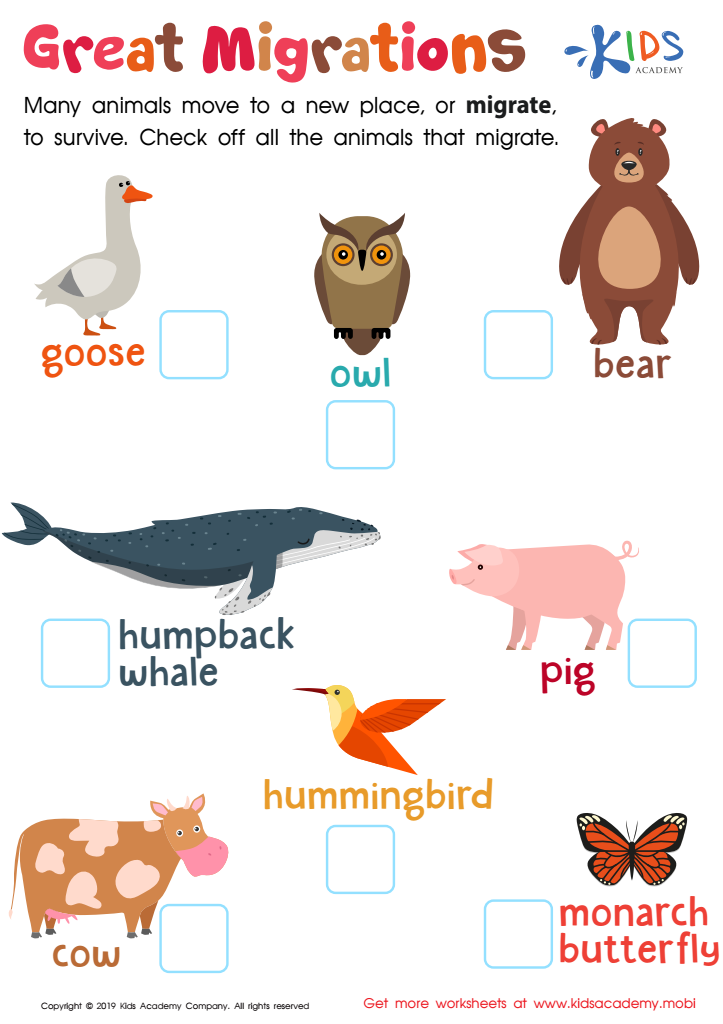
Great Migrations Worksheet
 Assign to My Students
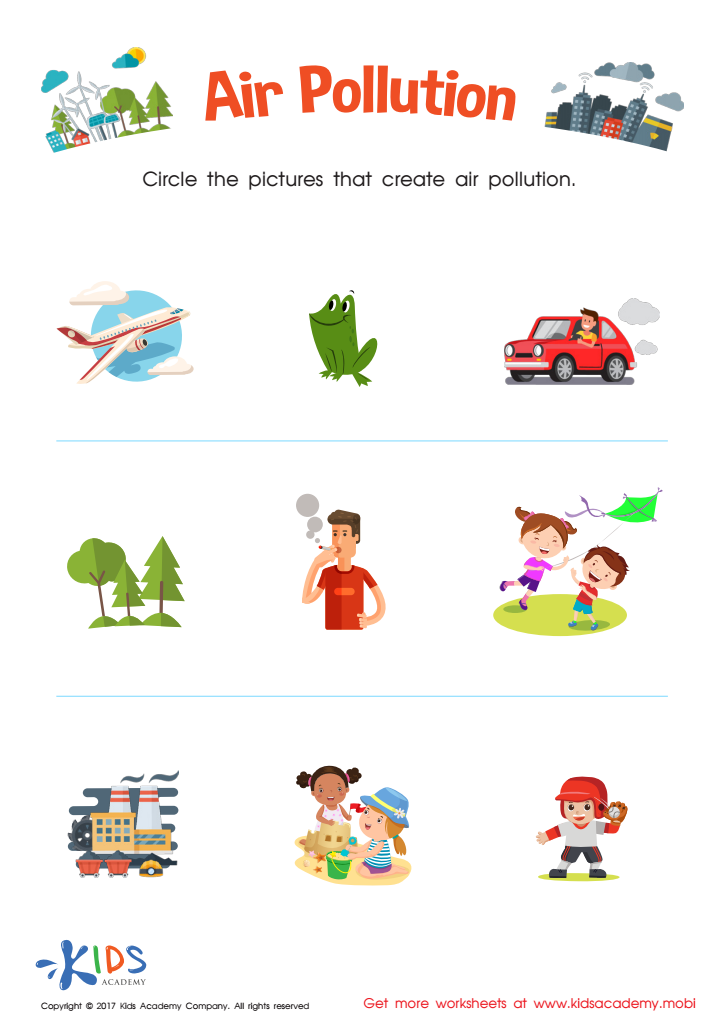
Air Pollution Worksheet
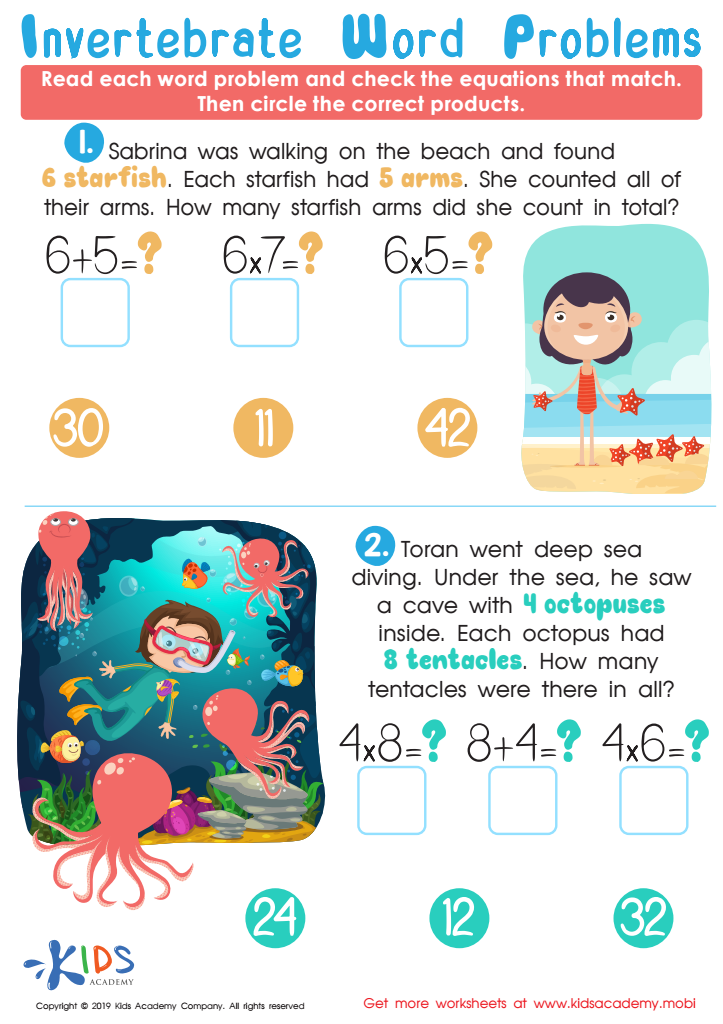
Invertebrate Problems Worksheet







Enhancing reading skills science for 5-year-olds is pivotal, as it forms the foundational bedrock of their academic and cognitive development. Reading is more than just decoding words; it cultivates critical thinking, enhances imagination, and fosters a love for learning. When children grasp reading skills early, they are better equipped to understand a wide range of materials and subjects as they advance in school.
Parents and teachers have a shared responsibility to ensure that young learners develop strong reading competencies. Early proficiency in reading also correlates with higher academic achievement in later stages. Research shows that children who read proficiently by the end of third grade are more likely to graduate high school and pursue higher education. Thus, investing in reading skill enhancement at age five can alter a child’s life trajectory positively.
Furthermore, early reading habits nurture empathy and emotional intelligence. Stories can introduce children to diverse characters and scenarios, widening their understanding and acceptance of different perspectives. Last but not least, reading together offers parents and teachers invaluable bonding time with the child, enriching their emotional and social development. Enhanced reading skills are therefore not merely an academic asset but integral to a well-rounded, holistic development, making them a priority for parents and educators alike.







