Handwriting practice Tracing Words Worksheets for 5-Year-Olds
13 filtered results
-
From - To
Discover our engaging Handwriting Practice Tracing Words Worksheets designed specifically for 5-year-olds! These worksheets help young learners develop their fine motor skills and improve their handwriting through fun tracing activities. Each worksheet features colorful, kid-friendly designs and age-appropriate words that encourage children to practice letter formation and word recognition. As they trace, your child will build confidence in their writing abilities while enjoying the process. Perfect for home or classroom use, these worksheets make handwriting practice enjoyable and impactful. Help your little ones embark on their writing journey and watch them thrive with each stroke on the page!
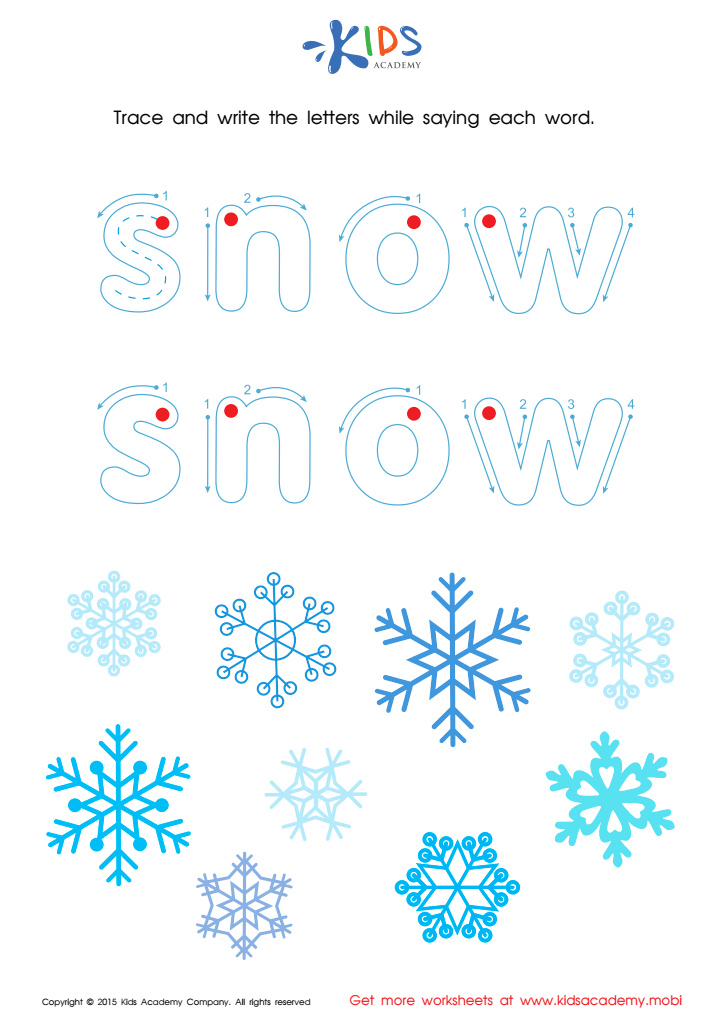
Snowflake Tracing Winter Words Worksheet
 Assign to My Students
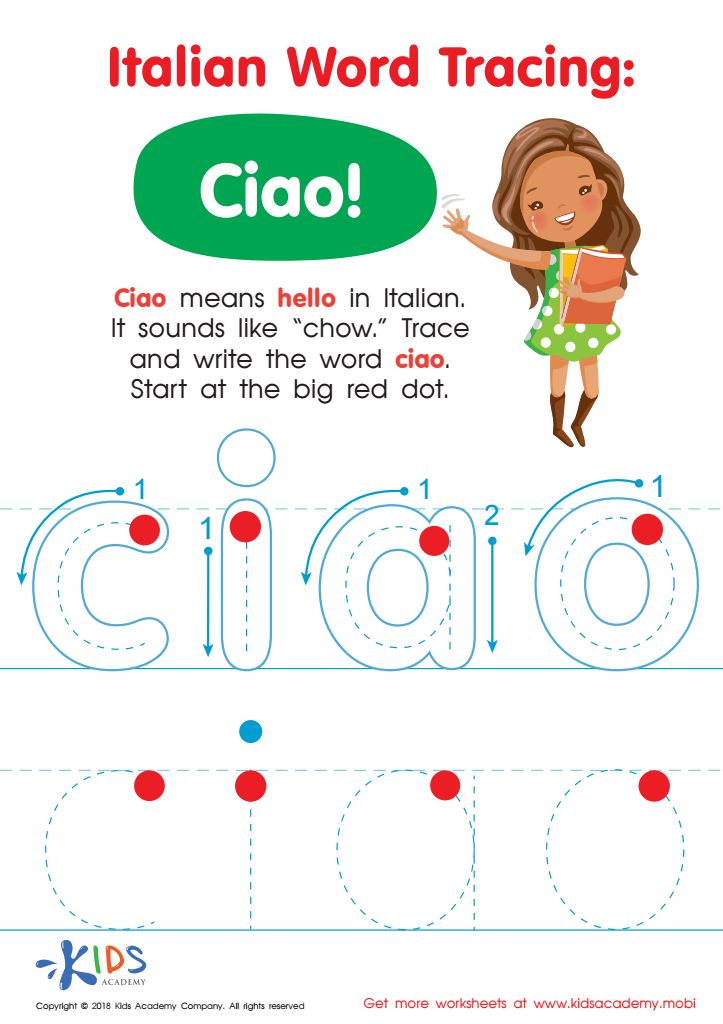
Italian Word Tracing: Ciao Worksheet
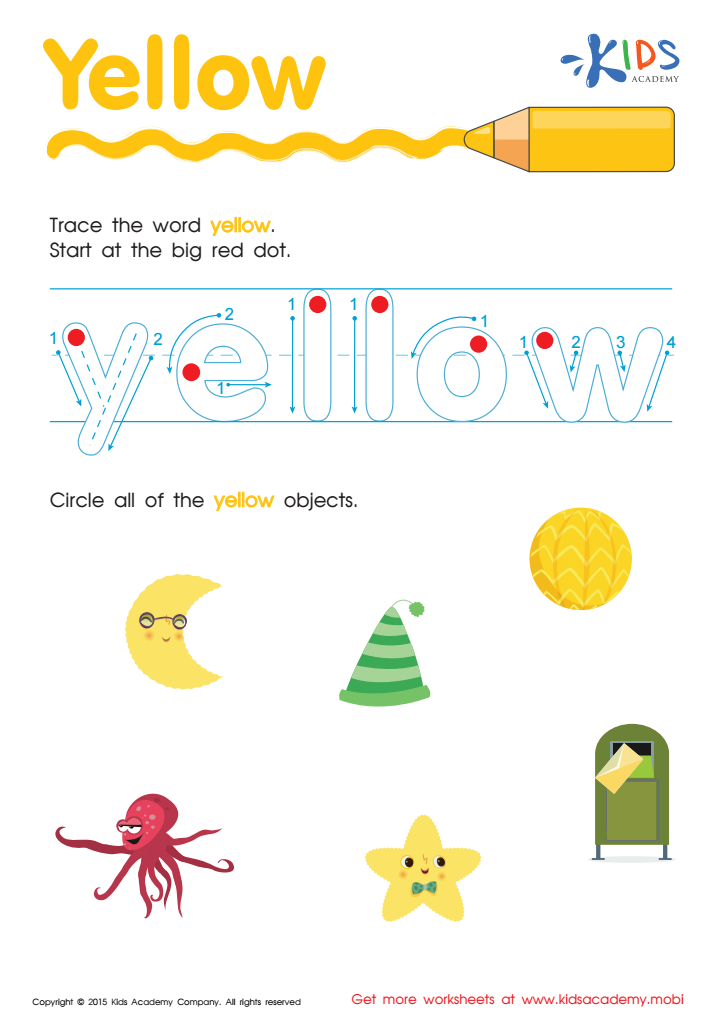
Yellow Tracing Color Words Worksheet
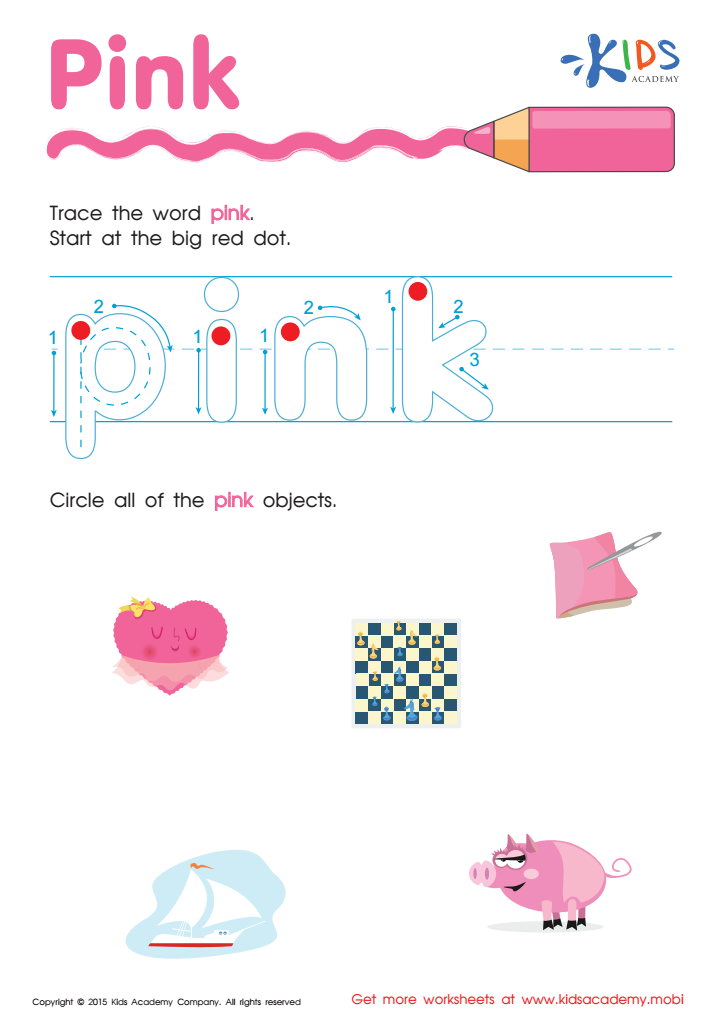
Pink Tracing Color Words Worksheet
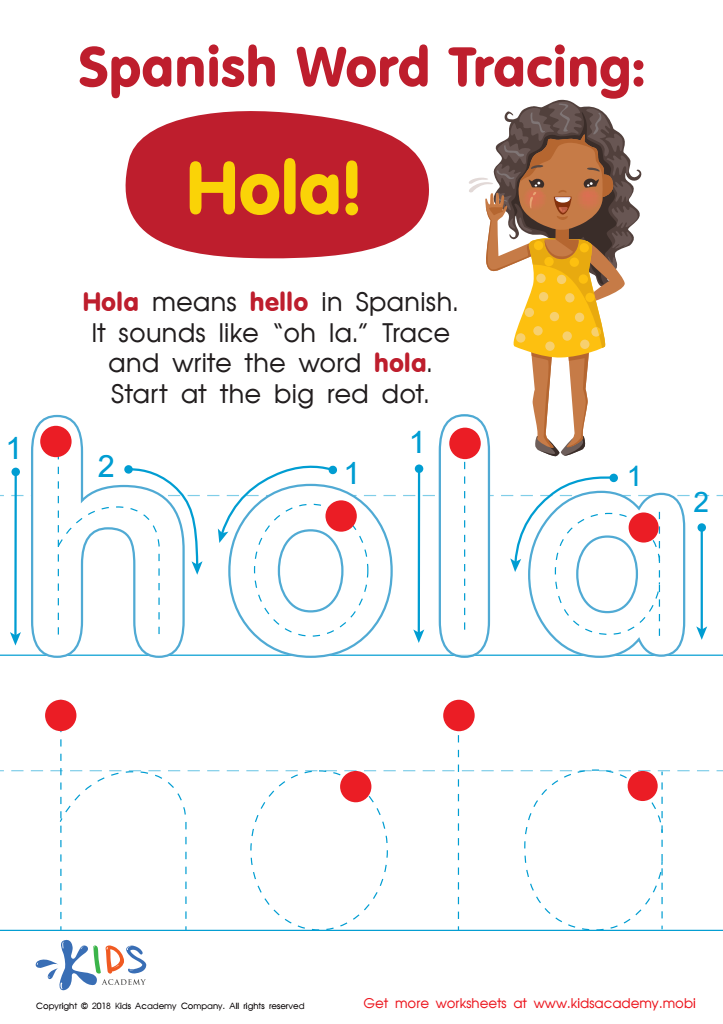
Spanish Word Tracing: Hola Worksheet
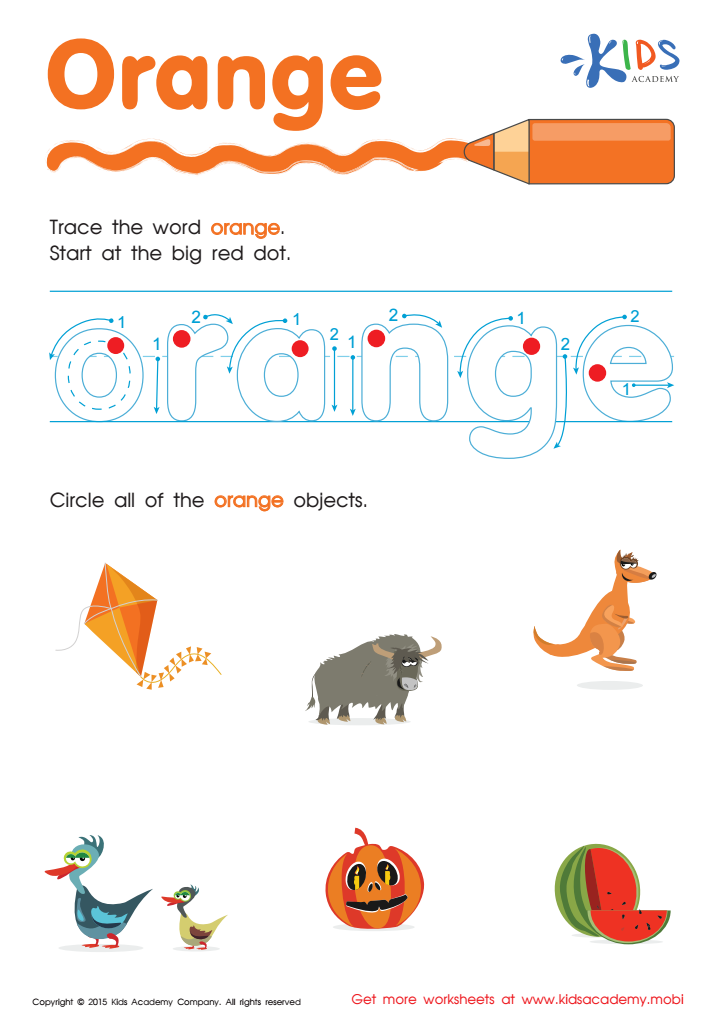
Orange Tracing Color Words Worksheet
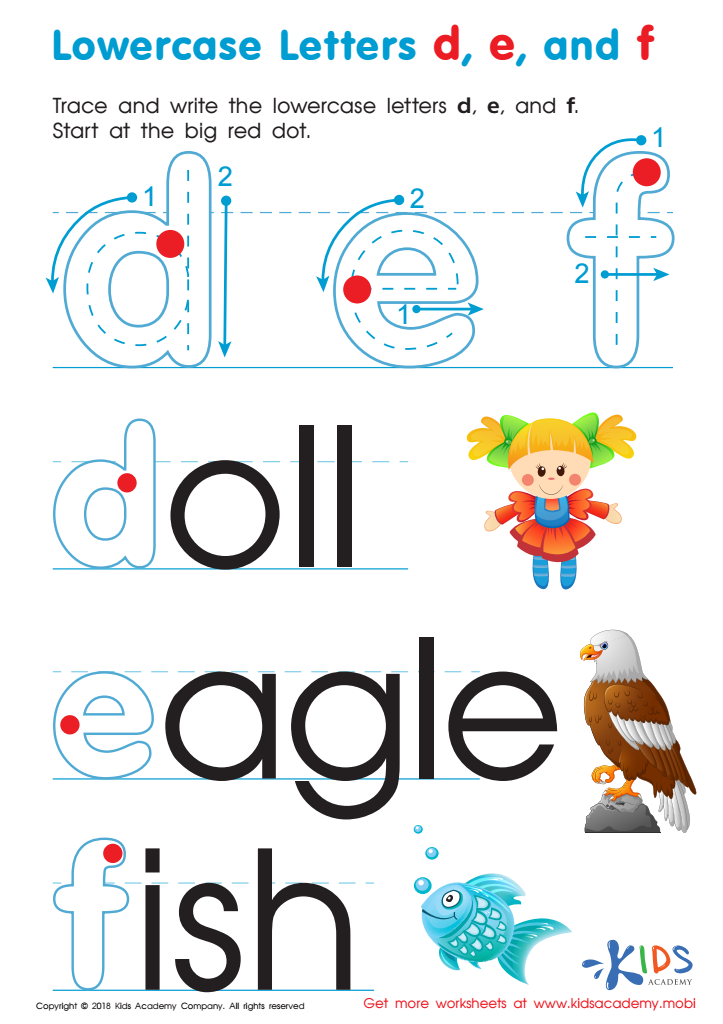
Lowercase Letters d e f Worksheet
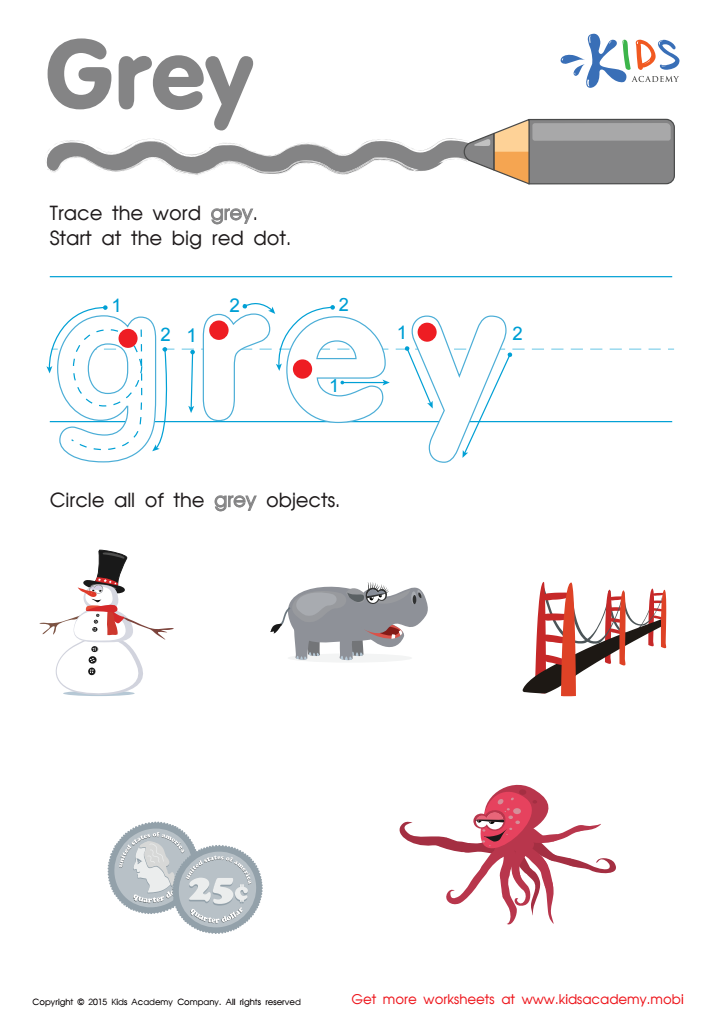
Grey Tracing Color Words Worksheet
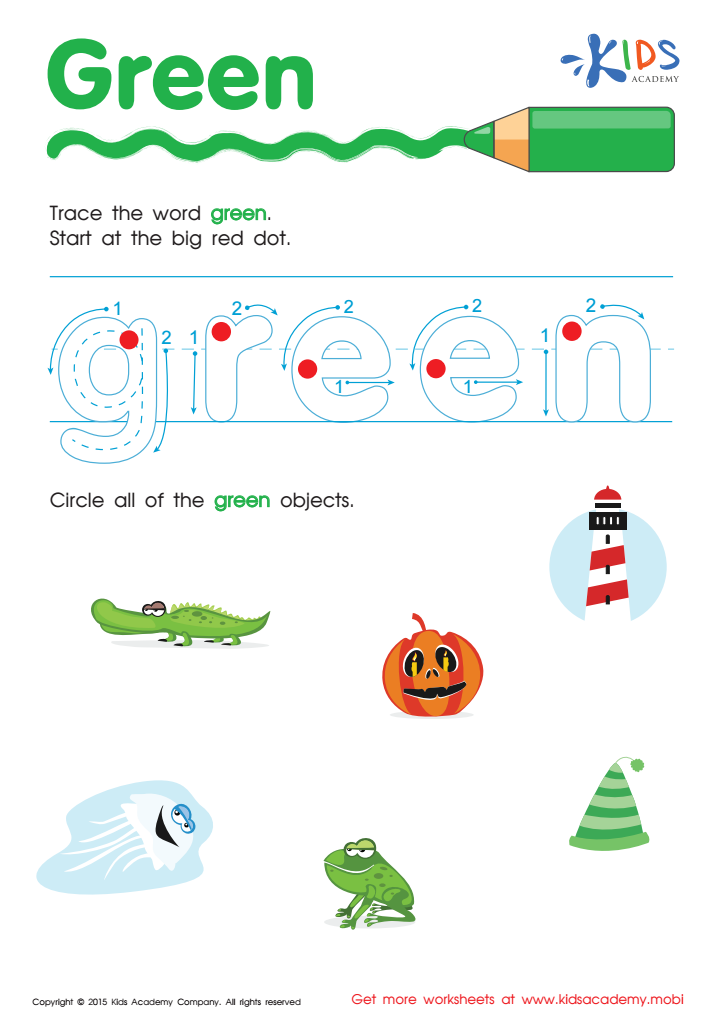
Green Tracing Color Words Worksheet
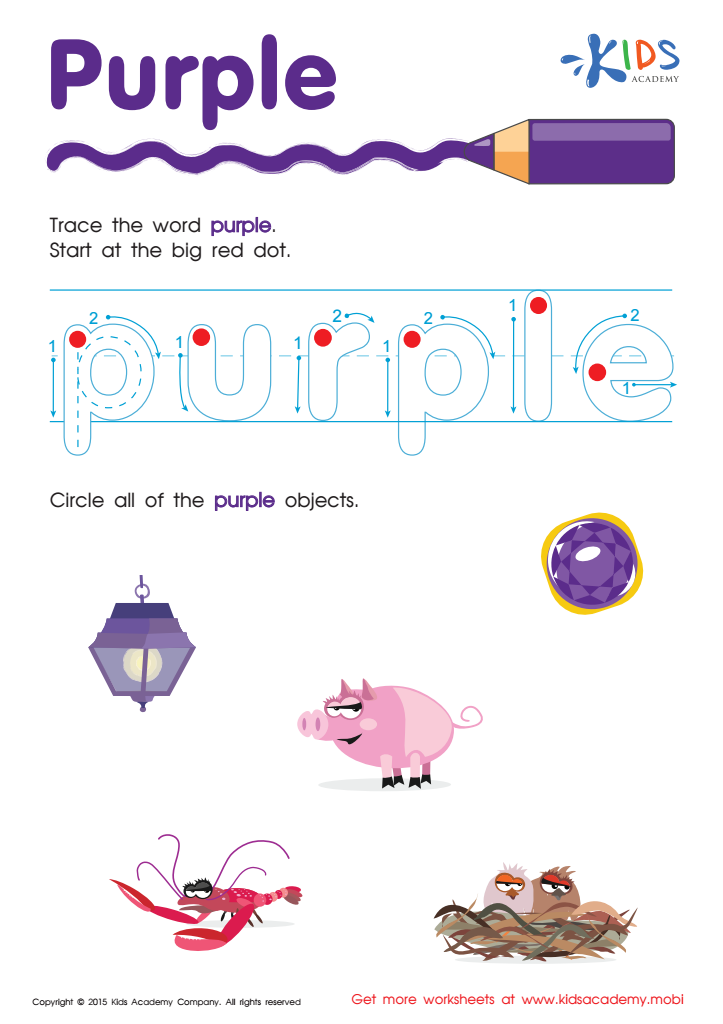
Purple Tracing Color Words Worksheet
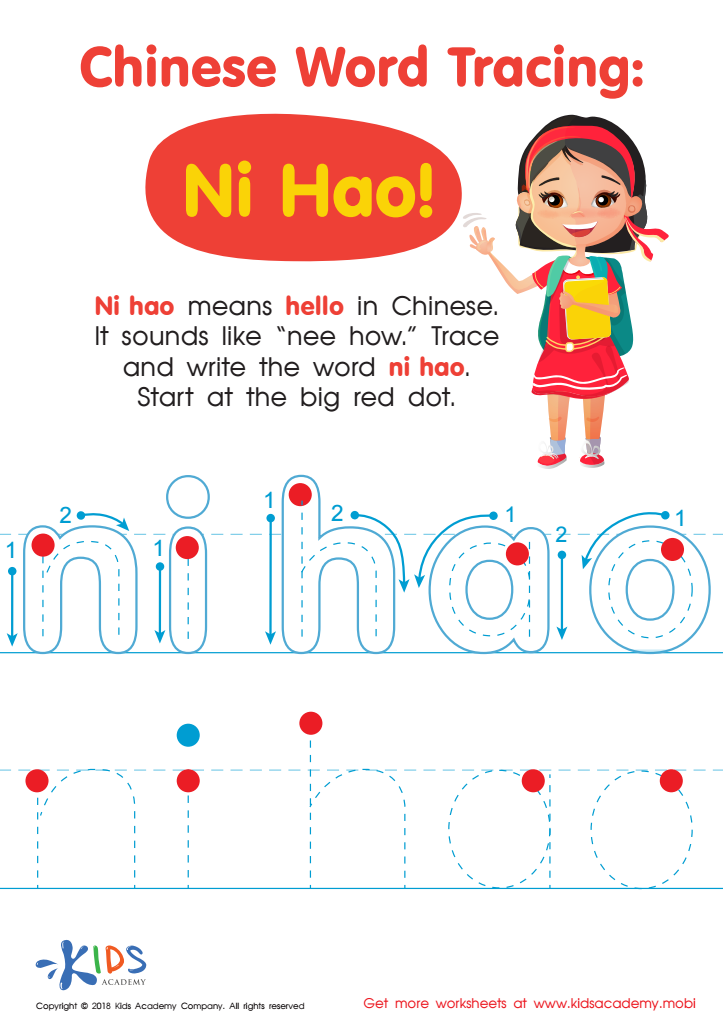
Chinese Word Tracing: Ni Hao Worksheet
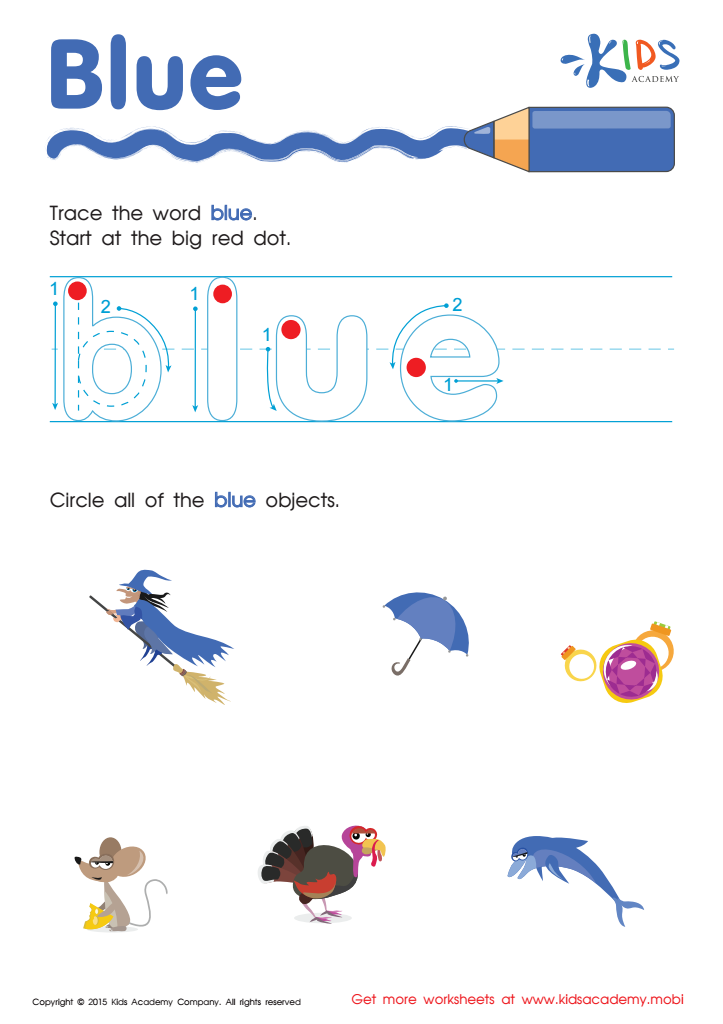
Blue Tracing Color Words Printable
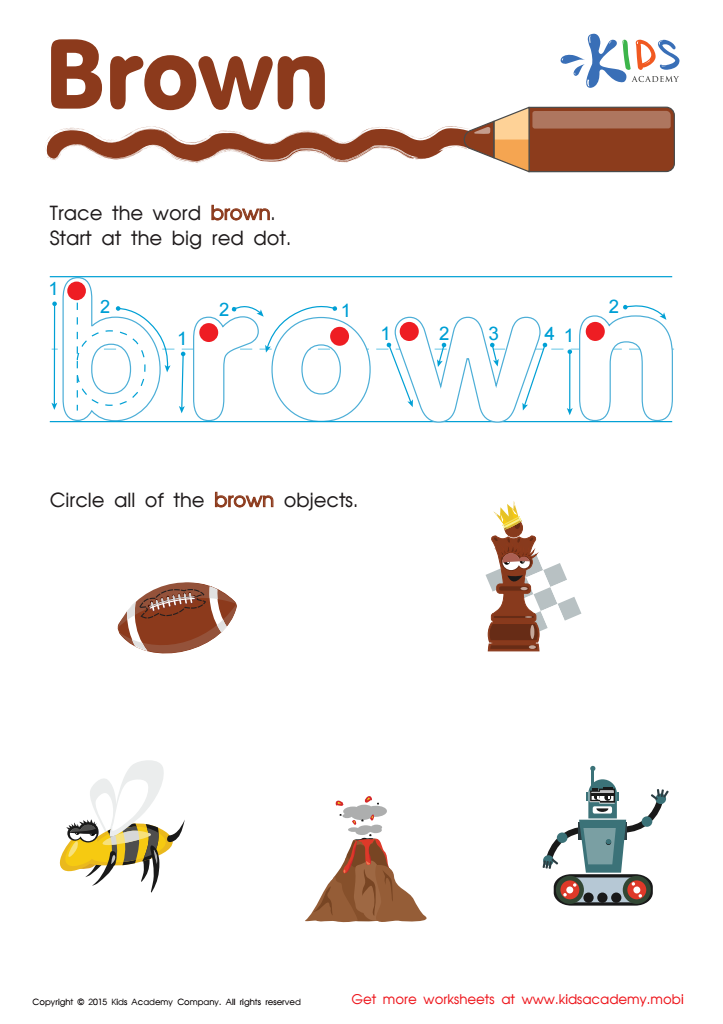
Brown Tracing Color Words Worksheet








Handwriting practice through tracing words is vital for the development of 5-year-olds, as it lays a solid foundation for their literacy skills and overall academic success. At this age, children are beginning to develop fine motor skills and hand-eye coordination, crucial tools for writing. Tracing words helps them practice the muscle movements required for forming letters, enabling them to gain confidence and accuracy in their writing.
Additionally, handwriting practice supports cognitive development. As children trace letters and words, they begin to associate sounds with symbols, reinforcing phonemic awareness and enhancing their reading readiness. Parents and teachers also play a critical role in fostering a positive attitude towards writing. Encouraging children to practice tracing conveys the message that writing is essential and enjoyable, instilling a lifelong appreciation for literacy.
Furthermore, the visual and tactile experience of tracing helps engage young learners, making the process both fun and effective. Regular practice in a stress-free environment allows for growth and progression without the pressure of perfection. This nurturing practice contributes to students becoming more proficient communicators in the future. In short, handwriting practice is fundamental for fostering essential skills at a formative age, setting children on a path to successful learning experiences.








