Letter Tracing ABC Letters Worksheets for Ages 6-7
6 filtered results
-
From - To
Discover our engaging Letter Tracing ABC Worksheets, designed specifically for children aged 6-7! These interactive and printable worksheets help young learners practice their letter formation while enhancing fine motor skills. Each worksheet features colorful illustrations to keep kids motivated and excited about writing. By tracing uppercase and lowercase letters, children will build confidence in their handwriting while reinforcing their understanding of the alphabet. Perfect for home, classroom, or after-school activities, our worksheets provide a structured and enjoyable way to master letter tracing. Start your child's writing journey today with our fun and educational letter tracing resources!
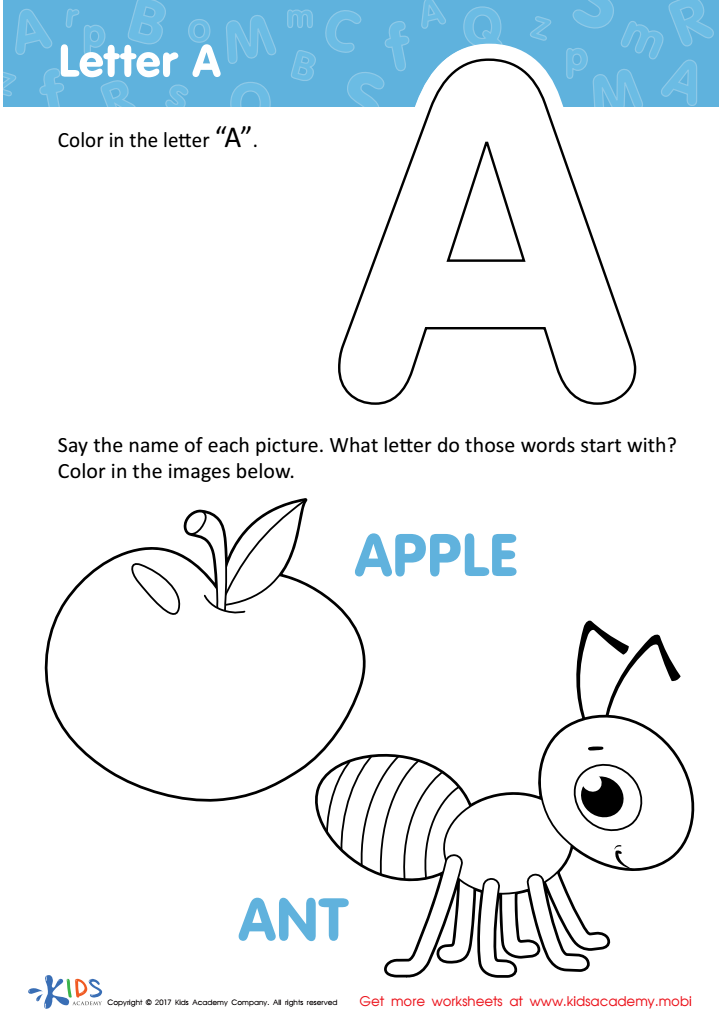
Letter A Coloring Sheet
 Assign to My Students









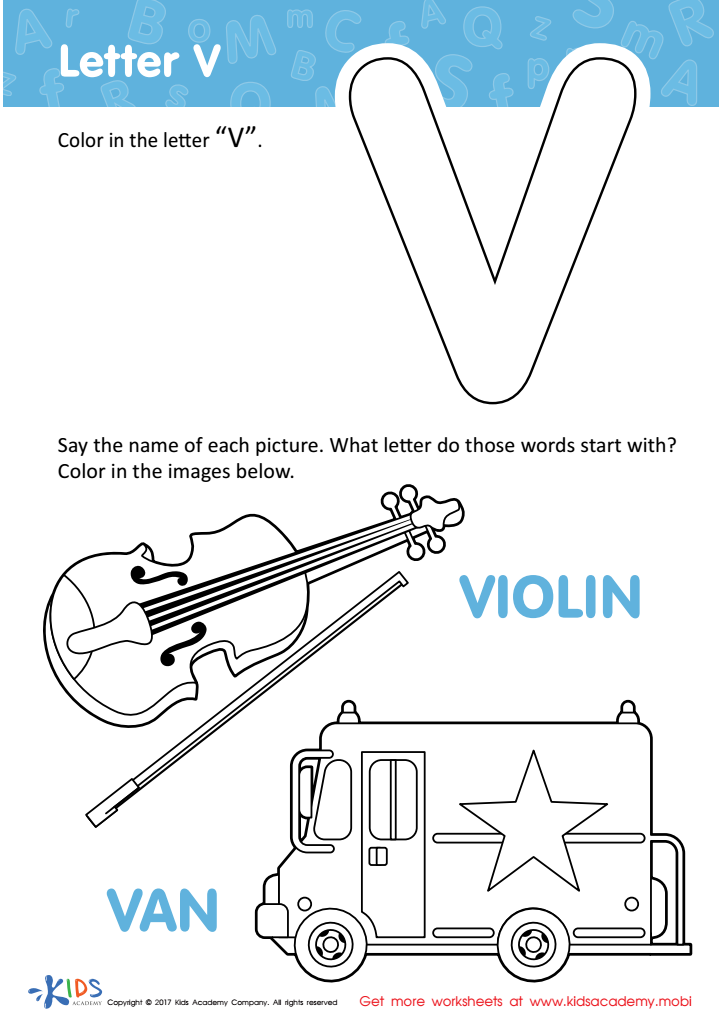
Letter V Coloring Sheet
Assign to My Students
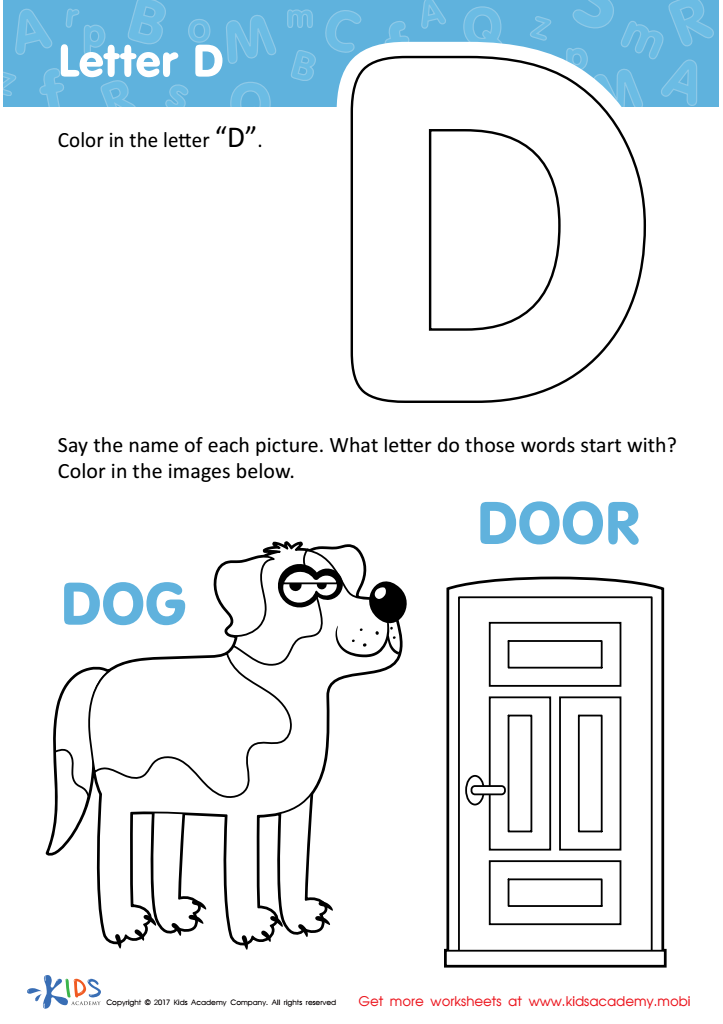
Letter D Coloring Sheet
Assign to My Students
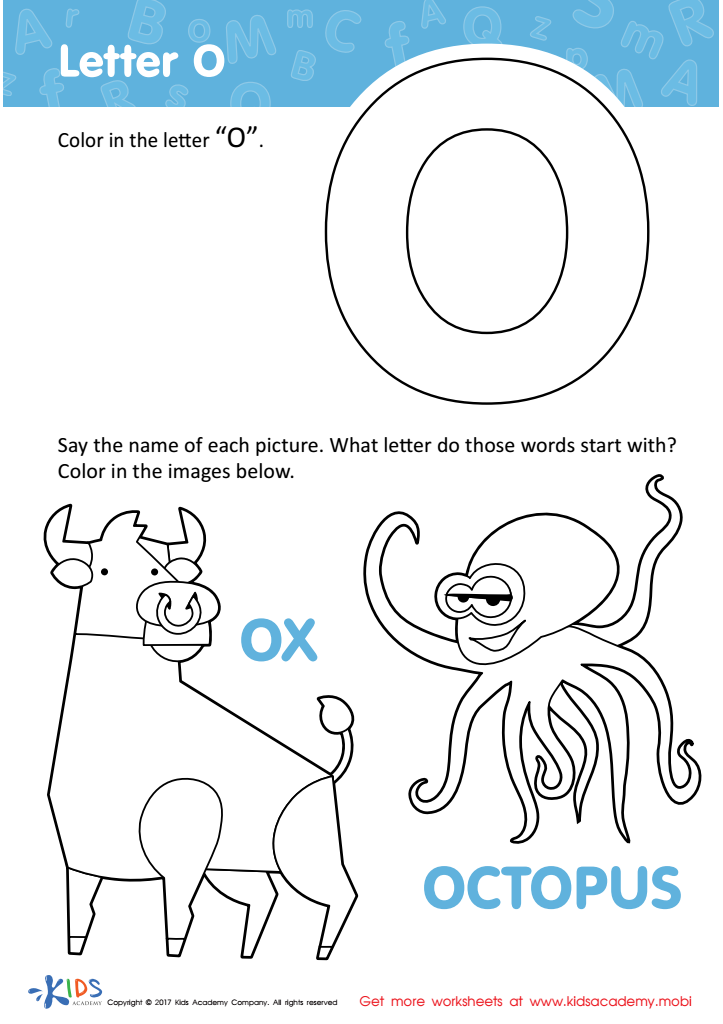
Letter O Coloring Sheet
Assign to My Students
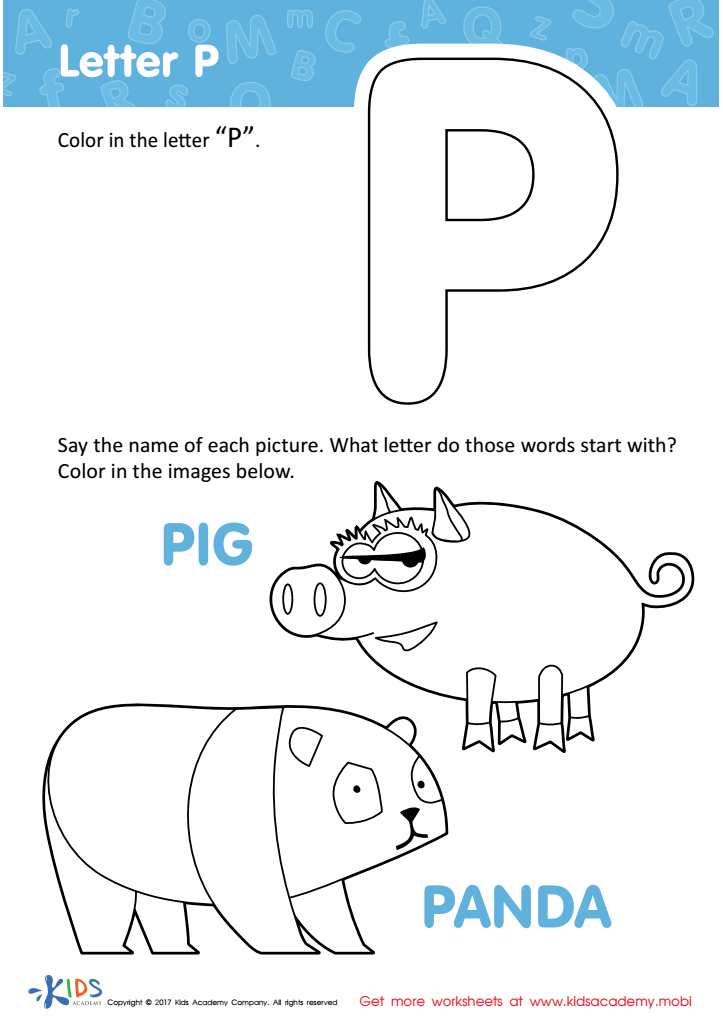
Letter P Coloring Sheet
Assign to My Students
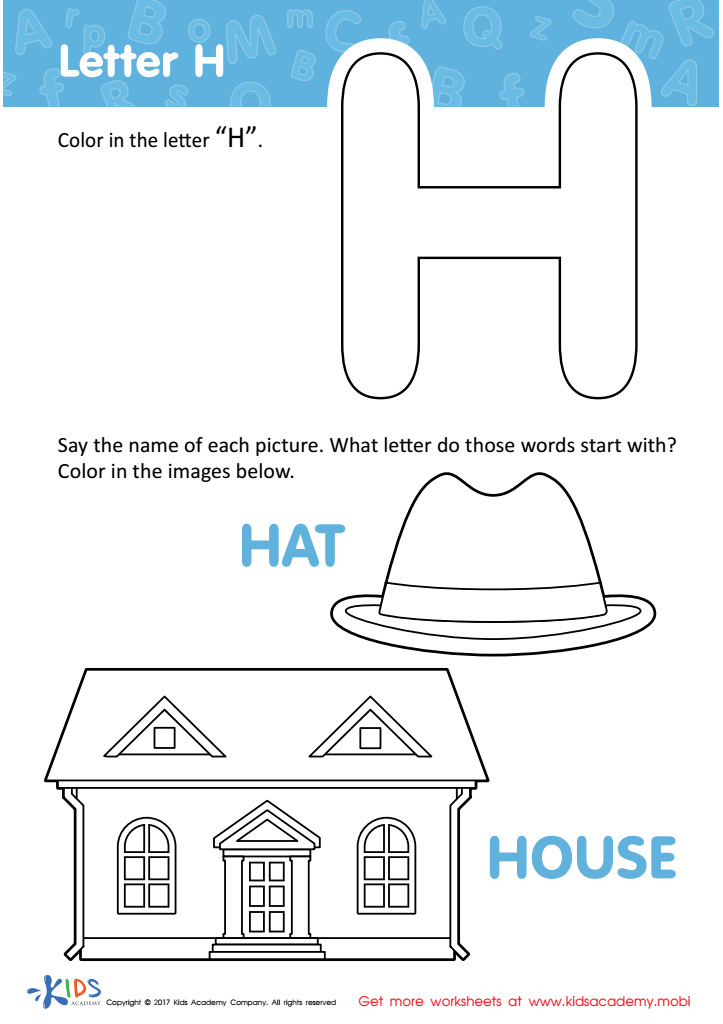
Letter H Coloring Sheet
Assign to My Students






Letter tracing is a fundamental activity for children aged 6-7 that plays a crucial role in their literacy development. Parents and teachers should prioritize this exercise for several reasons. Firstly, tracing letters helps children develop fine motor skills, which are essential for writing. By repeatedly tracing letters, kids learn how to hold a pencil correctly, control their grip, and enhance their hand-eye coordination.
Secondly, letter tracing reinforces recognition of the alphabet. As children trace each letter, they not only familiarize themselves with their shapes but also begin to connect letters to sounds. This foundational understanding aids in phonemic awareness, laying the groundwork for reading and spelling proficiency.
Moreover, letter tracing promotes confidence. As children see their progress through neat, legible letters, they gain a sense of accomplishment. This positive reinforcement encourages a love for learning and a willingness to engage with more complex language concepts.
Lastly, tracing activities can also be integrated into multi-sensory learning approaches, making them more engaging and effective. By incorporating this fun and beneficial practice into daily routines, parents and teachers can significantly enhance early language skills, setting the stage for lifelong literacy success.







