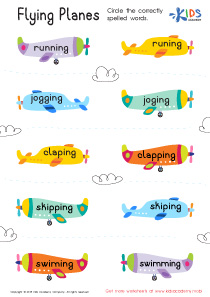
Letter recognition Elementary Phonics Worksheets for Ages 6-7
5 filtered results
-
From - To
Boost your child's early reading skills with our "Letter Recognition Elementary Phonics Worksheets for Ages 6-7." Specifically designed for first and second graders, these engaging activities focus on identifying letters, both uppercase and lowercase, enhancing phonemic awareness and building a strong literacy foundation. Presented in a fun and interactive format, our worksheets combine colorful illustrations and exciting exercises to keep young learners motivated and enthusiastic about their reading journey. Perfect for classroom use or at-home practice, these dynamic resources ensure your child grasps essential phonics skills, setting them on the path to fluent and confident reading.
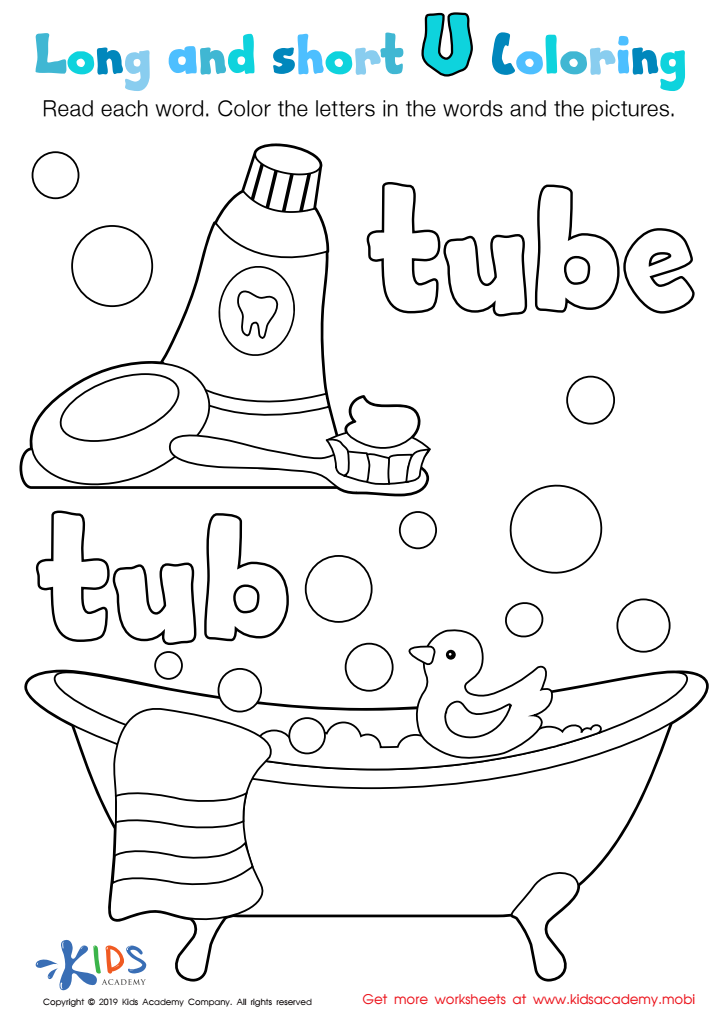
Long and Short U Worksheet
 Assign to My Students
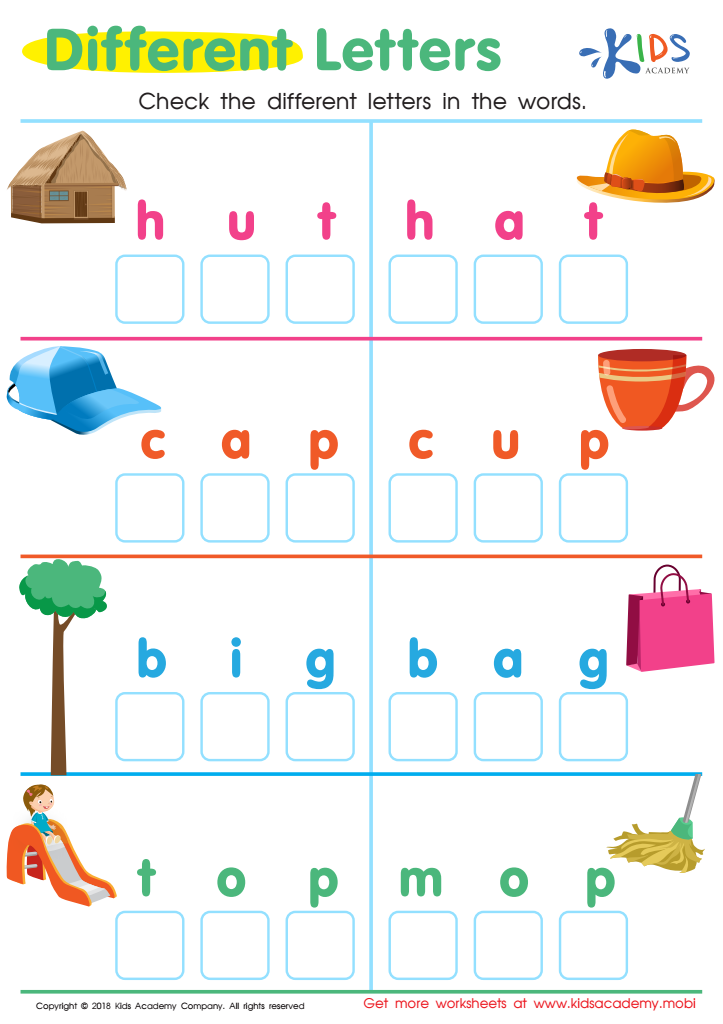
Different Letters Reading Worksheet
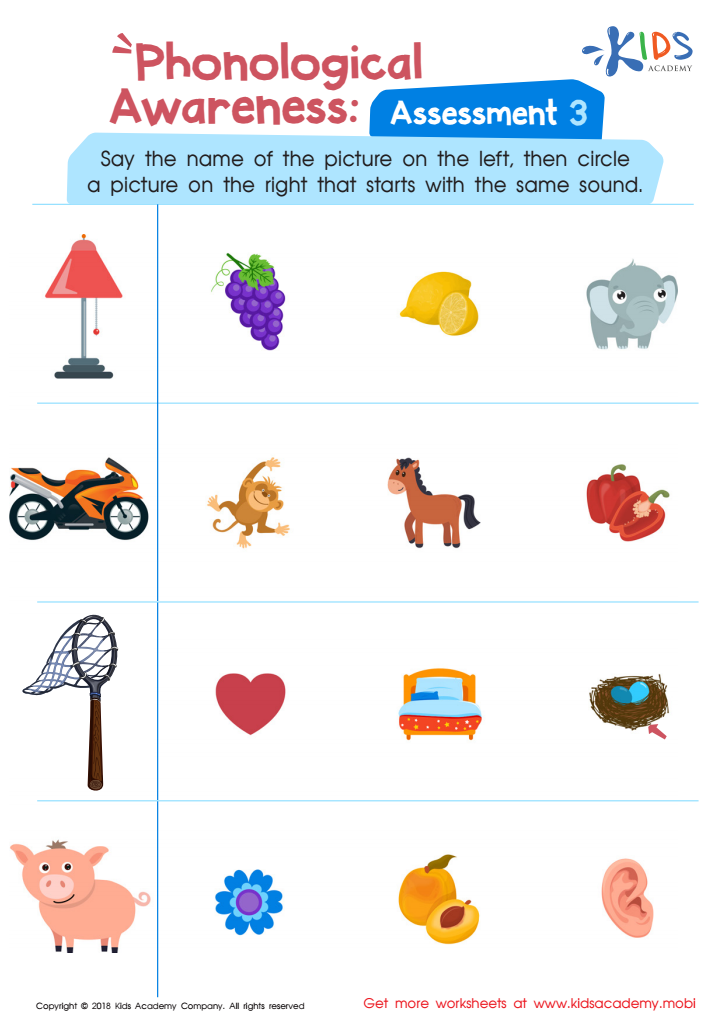
Phonological Awareness: Assessment 3 Worksheet
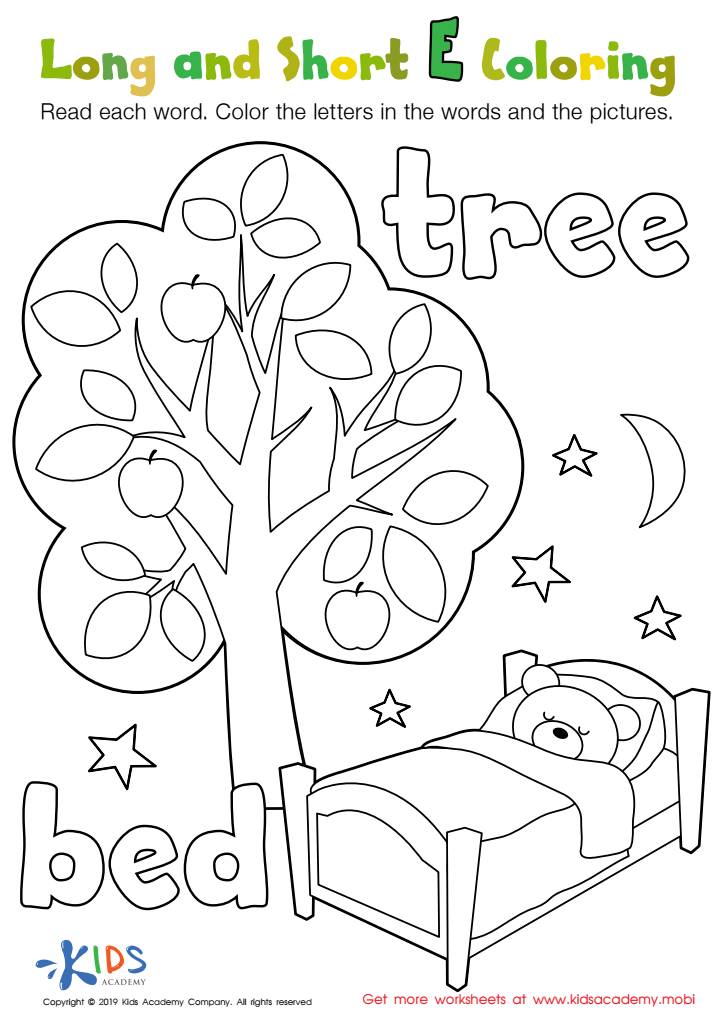
Long and Short E Worksheet
Assign to My Students
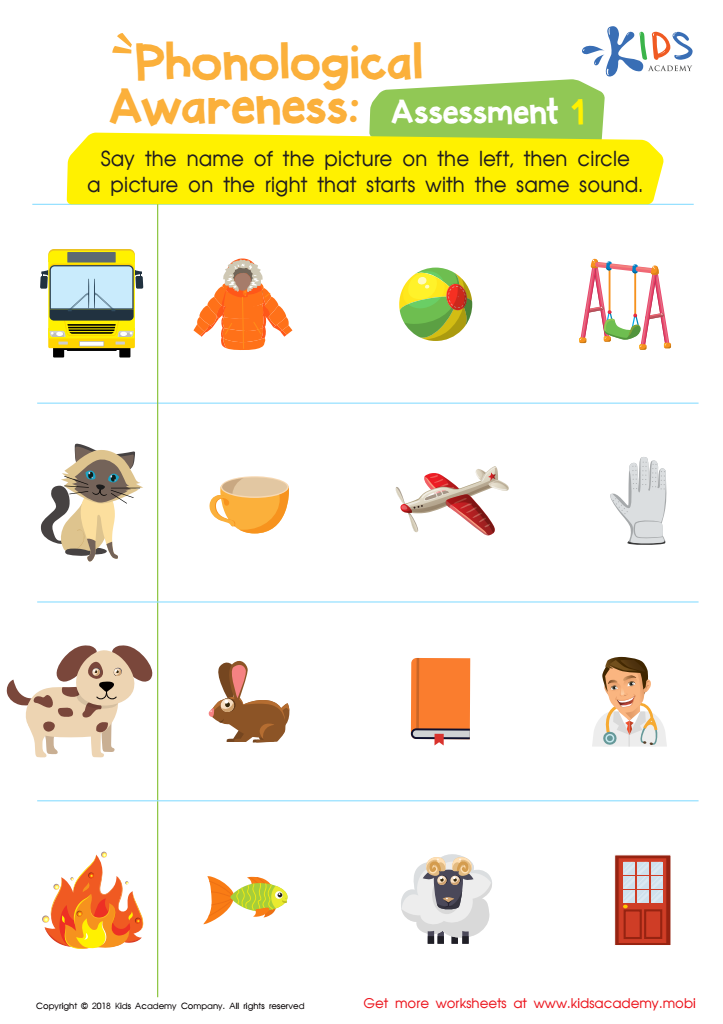
Phonological Awareness: Assessment 1 Worksheet




Letter recognition and elementary phonics are crucial skills for children ages 6-7, laying the foundation for successful reading and writing. At this developmental stage, children's brains are highly receptive to learning new skills, and mastering letter recognition ensures they can identify each letter by its shape, name, and sound. This is the cornerstone for understanding the alphabet, which in turn is essential for decoding words and developing reading fluency.
Early knowledge of phonics—the relationship between letters and their corresponding sounds—enables children to start blending sounds to form words, a significant step toward reading proficiency. Research consistently shows that strong early reading skills are linked to higher academic achievement across all subjects. By fostering these skills early, parents and teachers help children build confidence and a love for learning.
Moreover, early mastery of letter recognition and phonics supports cognitive development in areas like memory, attention, and processing speed. It also enhances oral language skills, paving the way for better communication abilities. Delayed recognition and phonics understanding can lead to reading difficulties, which might result in frustration and lower self-esteem. Therefore, prioritizing these skills equips children with the tools they need for lifelong learning and success.